art
2025/11/01
Have you ever wondered how a piece of digital art can sell for millions while a physical painting hangs quietly on the wall? Welcome to the age of blockchain, where traditional concepts of ownership and value in the art world are being redefined. The explosion of non-fungible tokens (NFTs) has ushered in a revolution that bridges the gap between the virtual and the tangible, unlocking vibrant new possibilities for artists and collectors alike.
In this blog post, "Brushstrokes and Bytes: The Blockchain Revolution Transforming the Digital Art World," we will delve into the mechanisms driving this fascinating transformation. We’ll start by breaking down the blockchain technology that underpins this digital art movement, explore the rise of NFTs and their implications for the art market, and analyze the thriving NFT marketplace—where pricing dynamics and buyer-seller interactions take center stage. As we navigate this new frontier, we will uncover why understanding these trends is essential for anyone interested in the future of art and technology.
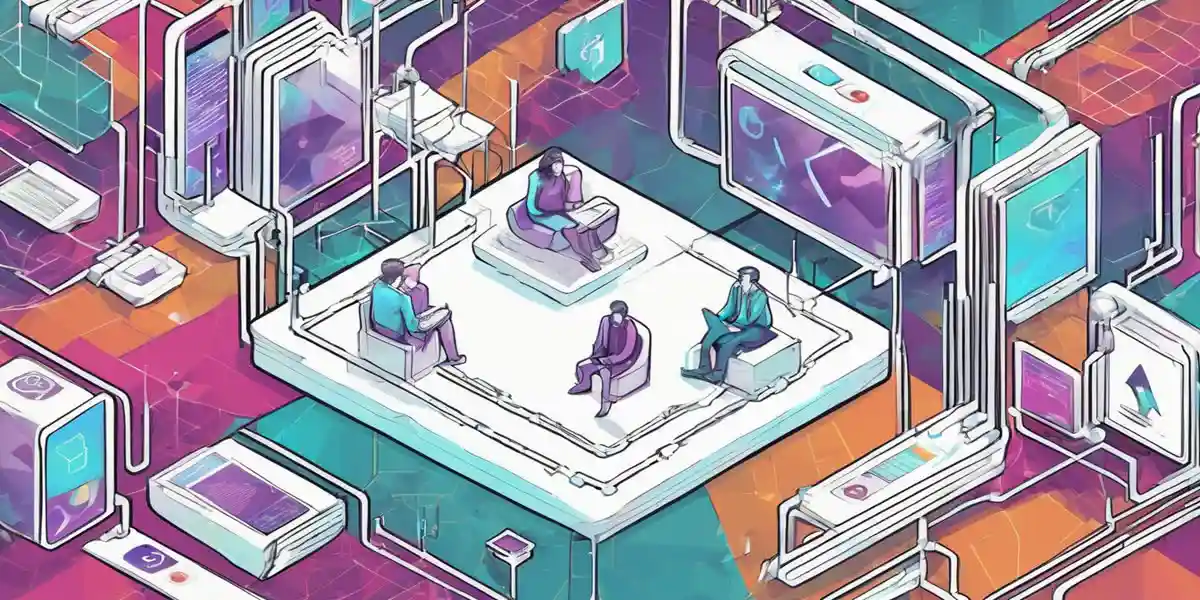
At its core, blockchain is a digital ledger system that records transactions across many computers in such a way that the registered transactions cannot be altered retroactively. This technology serves as the backbone for various cryptocurrencies and, importantly, non-fungible tokens (NFTs). In the context of digital art, blockchain ensures that each transaction of an artwork—be it a purchase, sale, or trade—is securely documented and preserved. This capability not only protects against fraud but also provides a transparent history of ownership, which is crucial for establishing provenance in the art market.
NFTs are a specific type of digital asset that utilizes blockchain technology, distinguishing them from cryptocurrencies like Bitcoin, which are fungible (interchangeable). Each NFT is unique and can represent ownership of a specific piece of digital artwork, collectible, or even virtual land. For instance, when an artist creates an NFT of their artwork, they essentially generate a digital certificate of authenticity stored on the blockchain. This ensures that the creator retains control over their work, and buyers can verify ownership easily.
The rise of NFTs has significantly impacted the digital art landscape. According to a research paper titled "Blockchain, climate damage, and death: Policy interventions to reduce the carbon emissions, mortality, and net-zero implications of non-fungible tokens and Bitcoin," the volume of NFT transactions surged to an astonishing $10.7 billion by the third quarter of 2021. This growth highlights the increasing acceptance and demand for digital art and collectible NFTs, creating new revenue streams for artists while simultaneously transforming the art market dynamics.
While blockchain technology offers revolutionary benefits for art ownership and sales, it does not come without challenges. One of the significant criticisms revolves around the environmental impact associated with NFTs created on proof-of-work blockchains, such as Ethereum. The aforementioned study points to considerable carbon emissions tied to these transactions, sparking discussions about sustainability in the digital art realm. As artists and collectors become more aware of these environmental concerns, there is a growing push towards utilizing less energy-intensive blockchain technologies, which can still support the creative industries without contributing to climate change.
Another crucial aspect of how blockchain transforms the digital art world is through the use of smart contracts. These self-executing contracts with the terms of agreement directly written into the code enable artists to monetize their work more effectively. For example, when an NFT is sold, the artist can program a royalty system into the smart contract, ensuring they receive a percentage of any future sales. This innovation allows artists to benefit from their works long after the initial transaction, a significant advantage over traditional art sales. As explored in the paper "What Determines the Price of NFTs?", the ability to analyze both on-chain and off-chain data enhances understanding of the factors influencing NFT pricing and market dynamics, offering artists deeper insights into their creations' value.
By harnessing blockchain technology, digital artists are not just expanding their creative horizons but also reshaping their financial futures in an evolving marketplace. The blend of innovation and creativity within this space presents exciting possibilities for both creators and collectors alike.
The rise of non-fungible tokens (NFTs) marks a transformative moment in the digital art marketplace. Unlike cryptocurrencies, which are interchangeable, NFTs are unique digital assets, meaning each token is one-of-a-kind. This uniqueness allows artists to tokenize their work, providing verifiable ownership and provenance. In essence, artists can now sell their digital creations with the assurance that buyers know exactly what they are purchasing. According to a study, the transaction volume for NFTs surged to an impressive $10.7 billion by the end of Q3 2021, showcasing the explosive popularity and potential for artists to monetize their creations in ways that were previously unimaginable.
For example, digital artist Beeple sold an NFT titled "Everydays: The First 5000 Days" for approximately $69 million at a Christie's auction, demonstrating that digital art can command significant prices comparable to traditional fine art. This breakthrough not only validates the artistic merit of digital creations but also offers a new revenue stream for artists who may have struggled to gain recognition in the conventional art world.
Despite the promising aspects of NFTs, there are significant pitfalls that need to be considered. One critical issue is the environmental impact associated with the blockchain technology that powers NFTs. Many NFT transactions utilize proof-of-work blockchains, which are energy-intensive and contribute to carbon emissions. A research paper highlights these climate concerns, drawing attention to the need for policy interventions to mitigate the environmental damage caused by NFT transactions and other blockchain activities.
Additionally, while the hype around NFTs has led to substantial financial gains for some creators and collectors, the market remains volatile and speculative. Prices can fluctuate dramatically based on trends and buyer sentiment, leading some experts to question the long-term sustainability of NFT valuations. As observed in the study on the factors influencing NFT pricing, various dynamics—including market demand, the overall economic climate, and even social media influence—play significant roles in determining how much an NFT is worth. This unpredictability can pose risks for both new artists entering the market and collectors investing substantial amounts of money.
In summary, while NFTs present exciting opportunities for transforming the digital art landscape, it is essential for stakeholders to weigh these opportunities against the environmental and market challenges. The future of digital art through NFTs is indeed revolutionary, but it will require careful navigation to ensure its sustainability and ethical growth in the art market.
The price of non-fungible tokens (NFTs) in the art world can vary dramatically, influenced by several key factors. One of the primary determinants is the reputation of the artist. Just as established artists can command higher prices in traditional galleries, digital artists with a strong following or prior success often see their work priced higher in NFT marketplaces. In fact, the commercialization surge witnessed in the market, which reportedly reached transaction volumes of $10.7 billion by Q3 2021, underscores the economic potential of established artists in this realm.
Another crucial factor is scarcity. Each NFT is unique and cannot be replicated, enabling a sense of exclusivity that can drive prices up. For example, limited editions or unique pieces by popular artists are often sold for significantly higher prices due to the perceived value of owning a rare digital item. The combination of artist reputation and scarcity creates a dynamic similar to traditional art markets, where provenance and uniqueness are highly prized.
The relationship between sellers and buyers in the NFT market is evolving, driven largely by the transparency provided by blockchain technology. Sellers can leverage platforms to showcase their art comprehensively, including previous sales history and provenance—a significant advantage over traditional art sales, which often lack such transparency. Buyers, on the other hand, are increasingly informed, considering not just the artwork but also the artist's background, the community surrounding the work, and the environmental impacts associated with blockchain transactions. As highlighted in the paper 'Blockchain, climate damage, and death: Policy interventions to reduce...', the environmental implications of proof-of-work blockchains have raised questions about long-term sustainability in the NFT market.
Moreover, the emotional connection buyers feel with a piece can drastically influence their willingness to pay. In the NFT ecosystem, this emotional engagement is often amplified through social media and community interaction, as buyers share their acquisitions and the stories behind them. For instance, high-profile sales like Beeple's “Everydays: The First 5000 Days,” which sold for $69 million, underscore how viral marketing and community excitement can elevate prices beyond traditional expectations.
The platforms on which NFTs are sold also play a critical role in pricing and buyer engagement. Popular marketplaces like OpenSea and Rarible offer diverse features that contribute to price dynamics, such as auction models that create competition among buyers. Successful auction strategies, such as bidding wars, can lead to inflated prices, mirroring auction houses in the traditional art world. Furthermore, differences in user interface, fees, and community engagement levels across platforms can significantly influence buyer behavior and, consequently, the pricing for art NFTs.
Overall, understanding the intricacies of the art NFT marketplace is essential for both buyers and sellers. It helps clarify how value is generated and what factors contribute to price fluctuations. The unique blend of artist reputation, scarcity, emotional engagement, and market dynamics exemplifies the ongoing transformation of the digital art world through blockchain technology. By navigating these elements, participants in the NFT space can make more informed decisions, whether they are looking to invest or create.
The intersection of art and technology has never been more vibrant, as the blockchain revolution reshapes the landscape of the digital art world. From our exploration of the underlying technology to the emergence of non-fungible tokens (NFTs) and the evolving dynamics of the art marketplace, it becomes clear that blockchain is a game-changer for artists and collectors alike. This decentralized ecosystem not only empowers creators to maintain ownership and control over their work but also introduces a new level of transparency that fosters trust within the market.
Key takeaways from our journey include the significant reach that the NFT market has gained, allowing artists to monetize their creations in ways previously unimaginable. Furthermore, understanding the price determinants and buyer-seller dynamics in this new marketplace equips participants with the knowledge they need to navigate this digital frontier. With artists now able to directly engage with their audiences without the constraints of traditional galleries, we see an exciting future where creativity knows no bounds.
As we stand on the cusp of this vibrant transformation, consider how you can participate in this revolution of brushstrokes and bytes. Whether you are an artist eager to share your work or a collector looking to explore new avenues, embracing the innovations of blockchain technology can open doors to endless possibilities. Dive into the world of digital art, explore NFTs, and be a part of this historic journey that is reshaping artistic expression for generations to come!
Get notified about new articles, coffee tips, and Web3 insights.
This site participates in affiliate programs and may earn a commission when a link is clicked and a purchase is made. The site is not responsible for any issues or troubles related to the products or services purchased through the use of this site.

DO&COFFEE loves coffee and technology, exploring the potential of NFTs and blockchain. Learn more →
DO&COFFEE loves coffee and technology, exploring the potential of NFTs and blockchain. Learn more →