art
2025/10/31
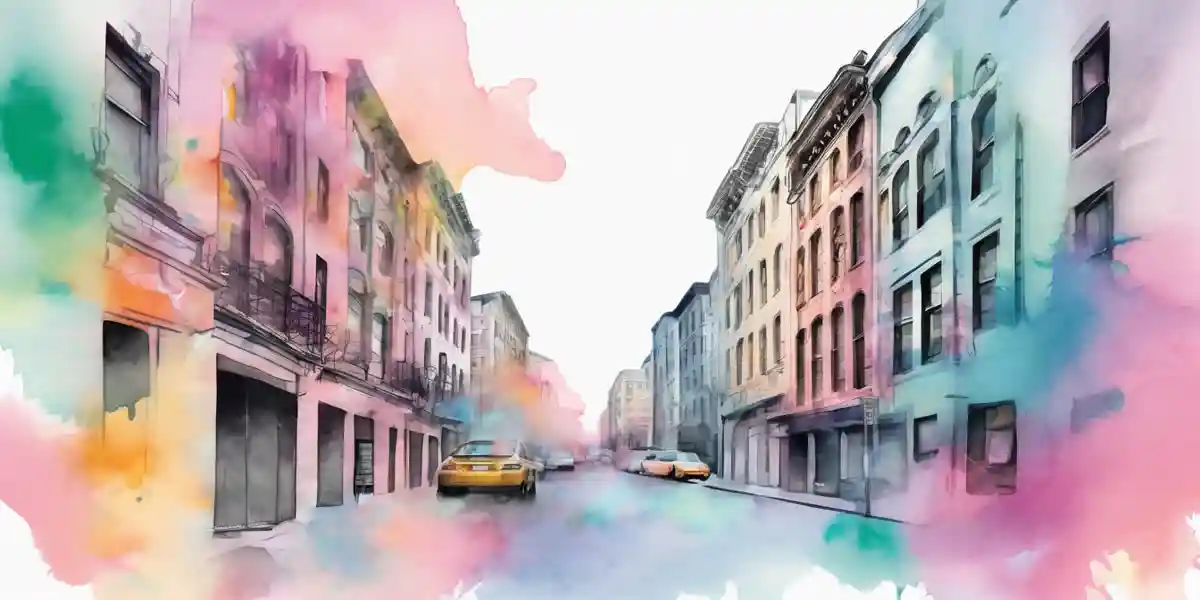
Have you ever walked past a vibrant mural and paused to consider the story behind it? Street art has always been a powerful form of expression, capturing the pulse of urban life and giving voice to diverse communities. But today, we find ourselves at a crossroads where technology and creativity intertwine in fascinating ways. The rise of artificial intelligence and tokenization is not merely changing the way art is created; it's revolutionizing the entire landscape of street art, offering fresh platforms for expression and ownership that redefine traditional artistic norms.
In this blog post, we'll delve into the "Urban Canvas Revolution," exploring how AI-driven aesthetics are shaping the future of street art—highlighting innovations from figures like Pak, whose works are at the forefront of this change. We'll also examine how tokenization is transforming ownership through digital assets, allowing artists and collectors to engage in a new kind of cultural economy. Lastly, we'll touch on future trends that blend art and technology, providing glimpses into the evolving relationship between urban creativity and the digital world. Join us as we uncover why this transformation matters—for artists, collectors, and communities alike.
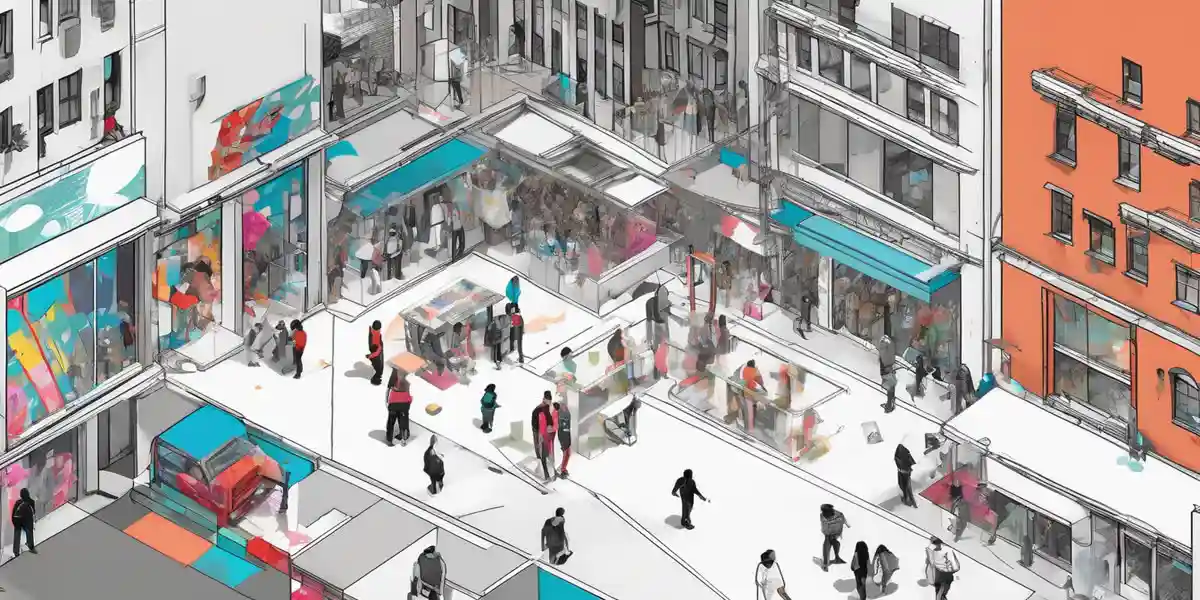
As urban environments evolve, so too does the artistry that reflects them. A notable advancement in this realm is the emergence of "protocol art," a genre that synergizes blockchain-based smart contracts with art forms that are conceptual, participatory, and algorithmic. Pioneered by artists like Pak, this method does not just change how art is created and consumed but also redefines notions of authorship and ownership. In the context of street art, where the lines between creator and audience often blur, protocol art offers a new lens through which we can explore these relationships.
Pak's work exemplifies how AI technology can fundamentally transform the artistic process. By utilizing algorithms and smart contracts, Pak allows his audience to engage with the artwork in a more dynamic manner. For example, his projects often involve participatory elements where viewers can influence the creation or outcome of the artwork itself. This directly counters traditional street art modes, where the artist's intent may be fully realized before the piece is unveiled. Through AI-driven aesthetics, Pak democratizes art-making, inviting broader public interaction in ways that traditional street art has not.
According to the paper "Protocol as Poetry: Case Study on Pak's Protocol Arts," protocol art critiques existing frameworks and delves into how innovation can change our understanding of art ownership and value. With tokenization, street artists can authenticate and sell their work in digital formats while retaining ownership rights—a stark contrast to the often ephemeral nature of traditional street art. Blockchain technology provides a digital ledger that verifies the originality and provenance of each piece, enhancing trust in a space that thrives on authenticity.
Several notable projects demonstrate the shifting dynamics that AI and blockchain bring to street art. For instance, an urban installation by Pak titled "The Merge," where collectors are given a say in the visual presentation through algorithmically-generated options, showcases how AI empowers both the creator and audience. Another example is the collaboration between street artists and tech companies to create augmented reality murals that adapt in real-time based on viewer interaction, offering a glimpse into a future where art is not a static image but a living, breathing entity.
By exploring these innovations, we can see how AI and tokenization not only enhance street artists' capabilities but also enrich the engagement dynamic between artists and their communities. In doing so, they redefine the fundamental nature of public art in urban settings, paving the way for a vibrant and interactive artistic future.
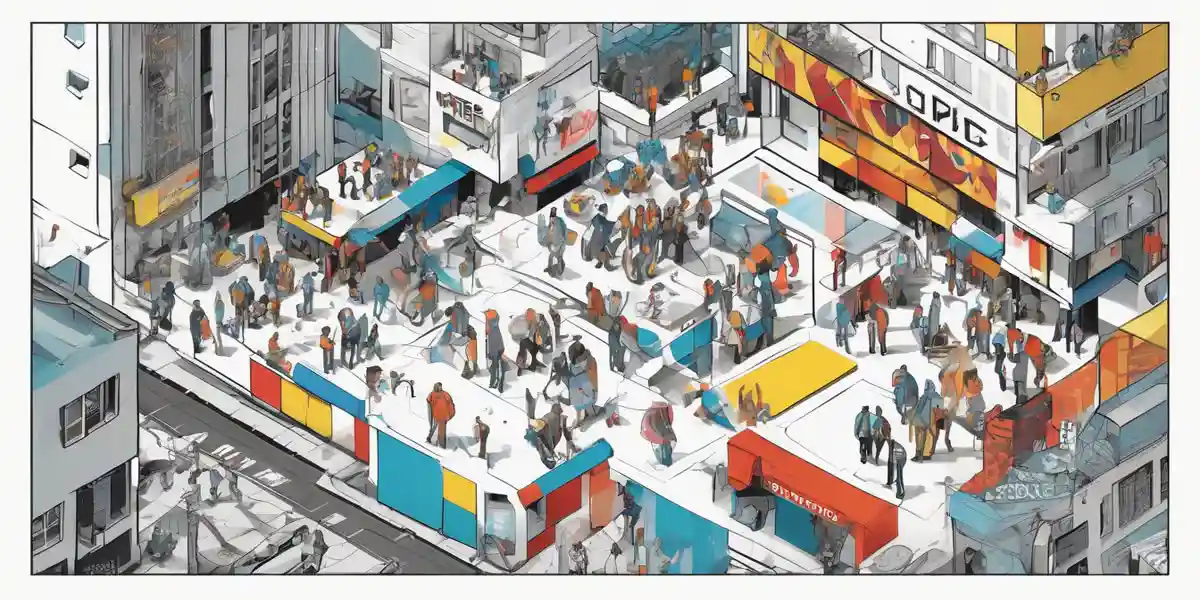
Tokenization refers to the process of converting ownership rights of physical or digital assets into a digital token that can be recorded on a blockchain, which is a digital ledger system that securely stores transaction data. This technology is revolutionizing how street art is perceived and valued. By creating a connection between the digital realm and street art, tokenization allows artists to maintain ownership of their work even when it is displayed in public spaces. This shift is significant because it addresses long-standing issues regarding authorship and the monetization of street art, which has often been exploited without fair compensation to the artists.
With tokenization, street artists can embed smart contracts—self-executing contracts with the terms of the agreement directly written into the code—into their work. This means that every time a piece is resold, the original artist automatically receives a percentage of the sale. This concept of perpetual ownership and profit-sharing is reshaping the way artists engage with their creations and the market. For instance, the paper "Protocol as Poetry: Case Study on Pak's Protocol Arts," showcases how artists like Pak are at the forefront of this movement, merging algorithmic art with blockchain technology, thereby redefining ownership in the art world.
A notable example of this transformation is illustrated by the emergence of initiatives that support digital street art platforms. These platforms tokenize street art pieces, allowing collectors to own a digital version of a physical mural or graffiti piece. For instance, an artist can create a digital token representing a street mural, enabling buyers to claim ownership of the artwork’s digital counterpart while still acknowledging the original piece on the street. This system not only empowers artists financially but also fosters a new community around digital ownership, where fans and collectors engage in a unique form of patronage.
Furthermore, the rise of non-fungible tokens (NFTs) in the street art scene has provided artists with new avenues for exposure and revenue. NFTs can encapsulate digital representations of physical artwork or entirely digital creations, allowing for authenticity and rarity to be established on the blockchain. These innovations enable artists to reach global audiences without relying on traditional gallery spaces, thus democratizing art ownership.
The integration of tokenization into street art culture also cultivates a sense of community among artists and collectors. By harnessing platforms that facilitate the buying, selling, and trading of tokenized art, artists can directly connect with their audience. This not only enhances the visibility of their work but also builds a collaborative environment where the value of street art is recognized and supported. The freedom to explore new artistic expressions and financial models encourages a thriving culture that honors both creativity and innovation.
In summary, tokenization and digital assets are not merely reshaping the ownership of street art; they are creating a new cultural paradigm that advocates for artist rights and community engagement, fundamentally transforming how street art is created, shared, and valued in the digital age.
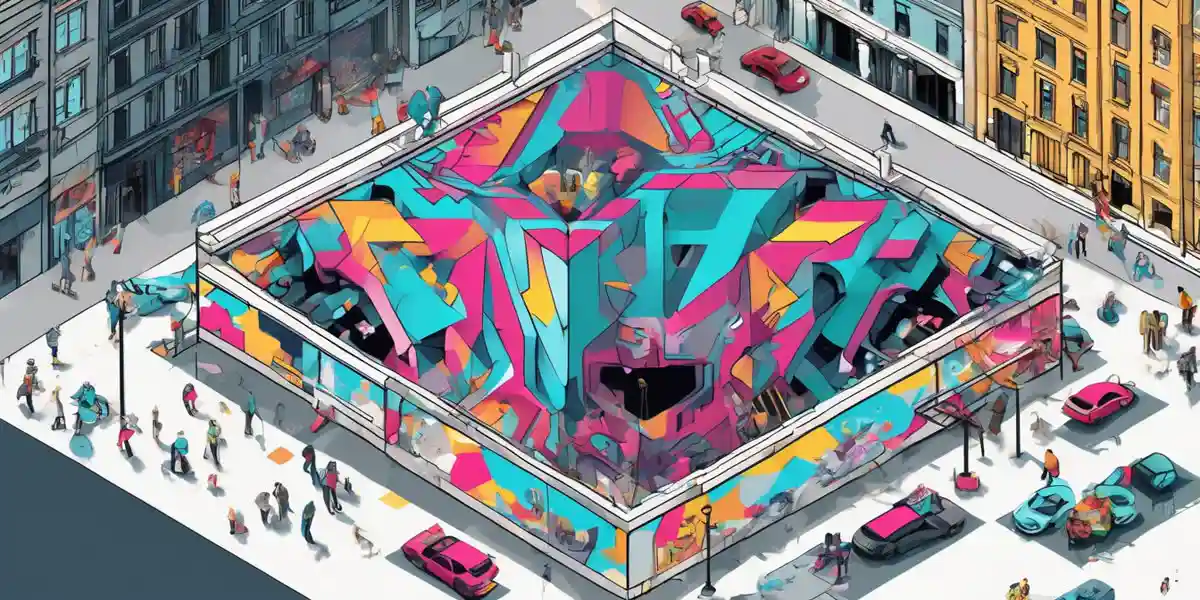
The integration of artificial intelligence in street art is not merely a trend; it's a transformative force that redefines artistic expression. AI tools are enabling artists to explore new dimensions in their work, allowing for the creation of complex, dynamic visuals that evolve over time. For example, AI algorithms can analyze various artistic styles and generate unique designs that reflect the local culture or current social movements, making the art more relevant and resonant to the community. This capability propels street art into a new era, where the artist's vision is amplified by technology, fostering a collaborative relationship between human creativity and machine learning.
Tokenization, particularly through blockchain technology, is fundamentally reshaping the way street art is owned and valued. By converting street art into digital assets—non-fungible tokens (NFTs)—artists can secure their work against unauthorized reproductions while also establishing clear ownership rights. This shift raises questions surrounding the right to claim a piece of art that may already exist in the public sphere. With NFTs, street artists can still share their work openly while retaining the ability to profit from its digital representations. This was illustrated in the case study on Pak, a pioneering protocol artist whose work exemplifies the merging of blockchain with creative expression through "protocol art." This genre leverages smart contracts to engage audiences in participatory ways, thus expanding the definition of traditional street art amidst a rapidly digitizing world.
The future of street art will likely see a trend towards increased community engagement through participatory projects enabled by AI and tokenization. Artists can utilize platforms that allow community input, shaping the final artwork based on collective preferences. This participatory approach ensures that street art remains a reflection of the community's identity, while also embracing innovative techniques. For example, using AI tools, an artist may run a community poll on social media to gather ideas and themes, tailoring their work to fit the desires of the public. Such interactions not only strengthen community ties but also create a sense of shared ownership over the narrative being conveyed through street art. Thus, the relationship between the artist, the community, and technology creates a more inclusive and representative form of public art.
As the realms of street art, AI, and tokenization continue to evolve, the narratives they weave will influence future artistic endeavors. Artists are now empowered to push beyond the limitations of traditional media, exploring algorithmic art forms and interactive installations that engage viewers in new ways. This continuous evolution invites street artists to challenge conventional notions of authorship while embracing the collaborative potential of technology. The future of street art will increasingly embody this fusion of innovation and expression, reflecting not only individual creativity but also the collective spirit of communities navigating a digital landscape.
The Urban Canvas Revolution is not just a trend; it’s a profound transformation driven by the convergence of AI and tokenization in the world of street art. Through innovations like Pak's Protocol Arts, we've seen how AI is reshaping the aesthetics of street art, pushing artists to explore new frontiers and challenge traditional norms. Additionally, the role of tokenization is pivotal, as it redefines ownership and democratizes the appreciation of art, allowing both creators and collectors to thrive in ways previously unimaginable.
As we’ve explored, the intersection of technology and creative expression is opening up exciting possibilities for artists and audiences alike. Key takeaways include the enhanced collaboration between artists and AI tools which fosters creative expression, the emergence of digital assets that empower street artists through fair compensation, and the broader cultural shift towards inclusivity and accessibility in this vibrant art form. These elements are not only changing the landscape of street art but are also significantly contributing to its growth and sustainability.
As we stand at the forefront of this artistic evolution, it’s time for you to engage with this urban canvas revolution. Attend local street art events, support artists embracing AI and tokenization, or explore digital platforms that feature innovative street art. Together, we can all be part of this exciting journey as AI and tokenization continue to transform street art into a dynamic cultural phenomenon. The future is vibrant, and it’s time to join the revolution!
Get notified about new articles, coffee tips, and Web3 insights.
This site participates in affiliate programs and may earn a commission when a link is clicked and a purchase is made. The site is not responsible for any issues or troubles related to the products or services purchased through the use of this site.

DO&COFFEE loves coffee and technology, exploring the potential of NFTs and blockchain. Learn more →
DO&COFFEE loves coffee and technology, exploring the potential of NFTs and blockchain. Learn more →