coffee
2024/08/07
In our exploration of coffee across continents, we will define key terms such as coffee consumption, which refers to the total amount of coffee consumed by individuals globally, and sustainable sourcing, a practice ensuring that coffee is produced in a manner that is environmentally friendly and socially responsible. Additionally, we will discuss the coffee belt, the tropical regions between the Tropics of Cancer and Capricorn where coffee is primarily grown.
The significance of understanding global coffee consumption cannot be understated. For instance, coffee is a primary export for countries like Colombia, where it constitutes a substantial portion of the economy. The demand for coffee in high-income nations has surged over 50% in the last two decades, with consumers increasingly favoring specialty and sustainably sourced options. This shift not only impacts economic dynamics but also raises critical environmental concerns, as the expansion of coffee production has been linked to deforestation and ecological degradation.
This blog post will delve into several interconnected themes, including the cultural variations in coffee consumption, the economic implications for producing countries, and the environmental challenges posed by increased demand. We will also explore technological advancements, such as blockchain, that enhance transparency in coffee sourcing. Ultimately, these elements reveal a complex landscape where consumer choices have direct implications on global coffee production practices.
A recent study indicated that coffee consumption in high-income countries has increased by over 50% in the last two decades. This statistic underscores the pressing need for sustainable practices in coffee production, as the demand for these products continues to rise. Furthermore, initiatives aimed at reducing CO2 emissions in coffee farming are gaining traction, reflecting a growing awareness of the environmental impact associated with coffee cultivation.
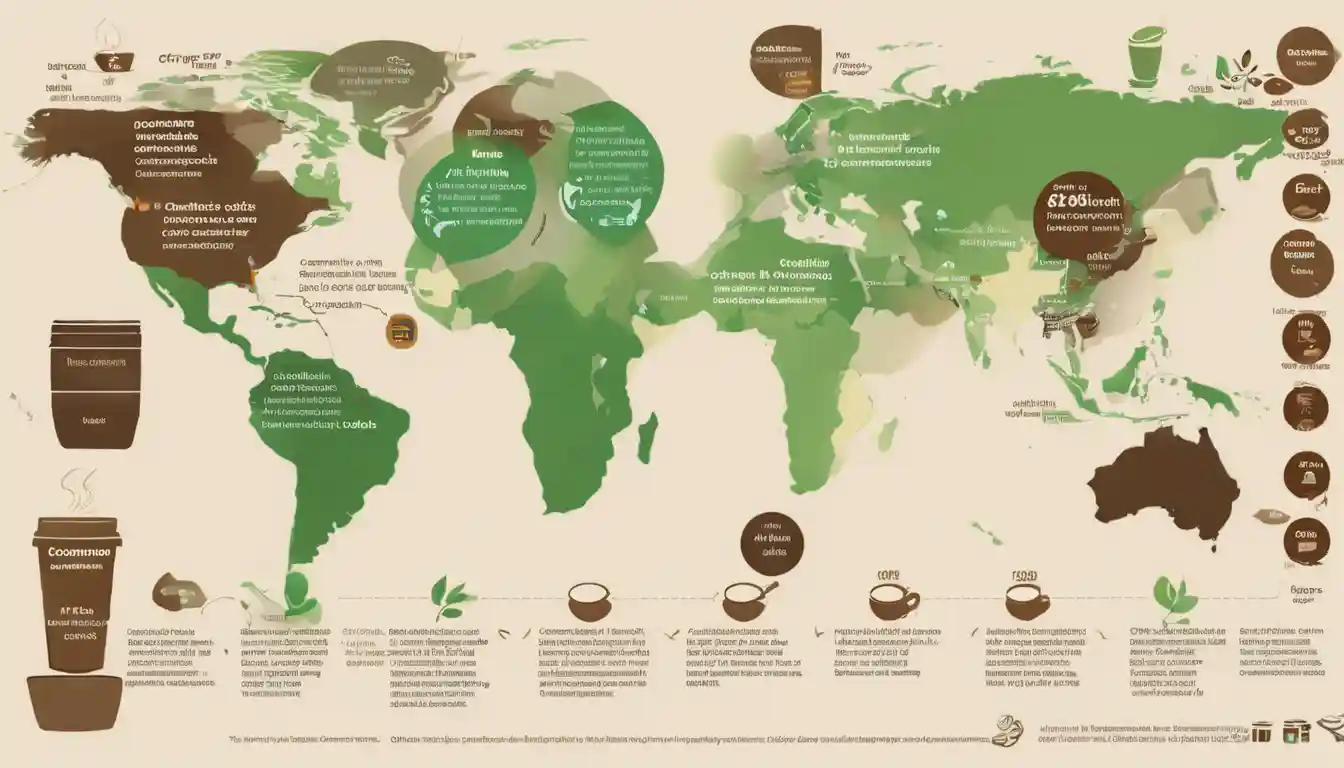
Coffee has transcended its origins to become a global phenomenon, cultivated in regions ranging from the Americas to Africa and Asia. Its journey begins with the cultivation of coffee plants, primarily Coffea arabica and Coffea canephora (commonly known as Robusta), which thrive in specific climatic conditions found in the "coffee belt" — an area between the Tropics of Cancer and Capricorn.
The technical aspects of coffee production involve several stages, including planting, harvesting, processing, and roasting. For instance, the processing methods (wet vs. dry) significantly influence the flavor profile of the coffee. Furthermore, advancements in technology, such as blockchain, enable traceability in coffee supply chains, ensuring that consumers can verify the sustainability and origin of their coffee.
The significance of coffee consumption varies across continents, reflecting cultural preferences and economic implications. In high-income countries, coffee consumption has surged, with the market for specialty coffees expanding dramatically. For example, a study noted that coffee consumption in high-income countries has increased by over 50% in the last two decades, leading to a rise in demand for sustainably sourced coffee to mitigate the impact on deforestation caused by cash crop expansion.
Additionally, coffee plays a critical role in the economies of producing countries. For instance, Colombia, one of the largest coffee exporters, relies heavily on coffee exports for its economic stability. Sustainable practices in coffee farming not only support local economies but also contribute to environmental conservation efforts, as seen in the initiatives taken by Colombia to reduce CO2 emissions in coffee production.
1. Choose sustainably sourced coffee: When buying coffee, look for certifications such as Fair Trade, Rainforest Alliance, or Organic. These certifications ensure that the coffee is produced with environmentally friendly practices and fair labor conditions.
2. Support local coffee shops: By purchasing coffee from local roasters, you contribute to the local economy and encourage sustainable practices. Many local shops emphasize transparency in their sourcing, often offering single-origin options.
3. Educate yourself about coffee origins: Understanding where your coffee comes from can enhance appreciation and encourage sustainable choices. Websites and apps that provide information on coffee sourcing can help consumers make informed decisions.
The integration of advanced technologies like Web3 can revolutionize the coffee industry. For instance, decentralized platforms can enhance transparency in the supply chain, allowing consumers direct access to information about the farmers who produce their coffee. This traceability is crucial for promoting sustainable practices and can help build trust between consumers and producers.
Moreover, the application of blockchain technology in coffee trading can streamline transactions, reduce fraud, and ensure that farmers receive fair compensation, thus supporting local economies and promoting sustainability.
According to a recent review, coffee consumption has been linked to various health benefits, including improved metabolic function and reduced risk of certain diseases. Furthermore, studies indicate that the demand for sustainably sourced coffee has increased significantly in high-income nations, reflecting a global shift towards environmentally responsible consumption.
Statistics show that over the past two decades, coffee consumption in high-income countries has surged by more than 50%, highlighting the urgent need for sustainable practices in coffee production to counteract environmental degradation linked to cash crops.
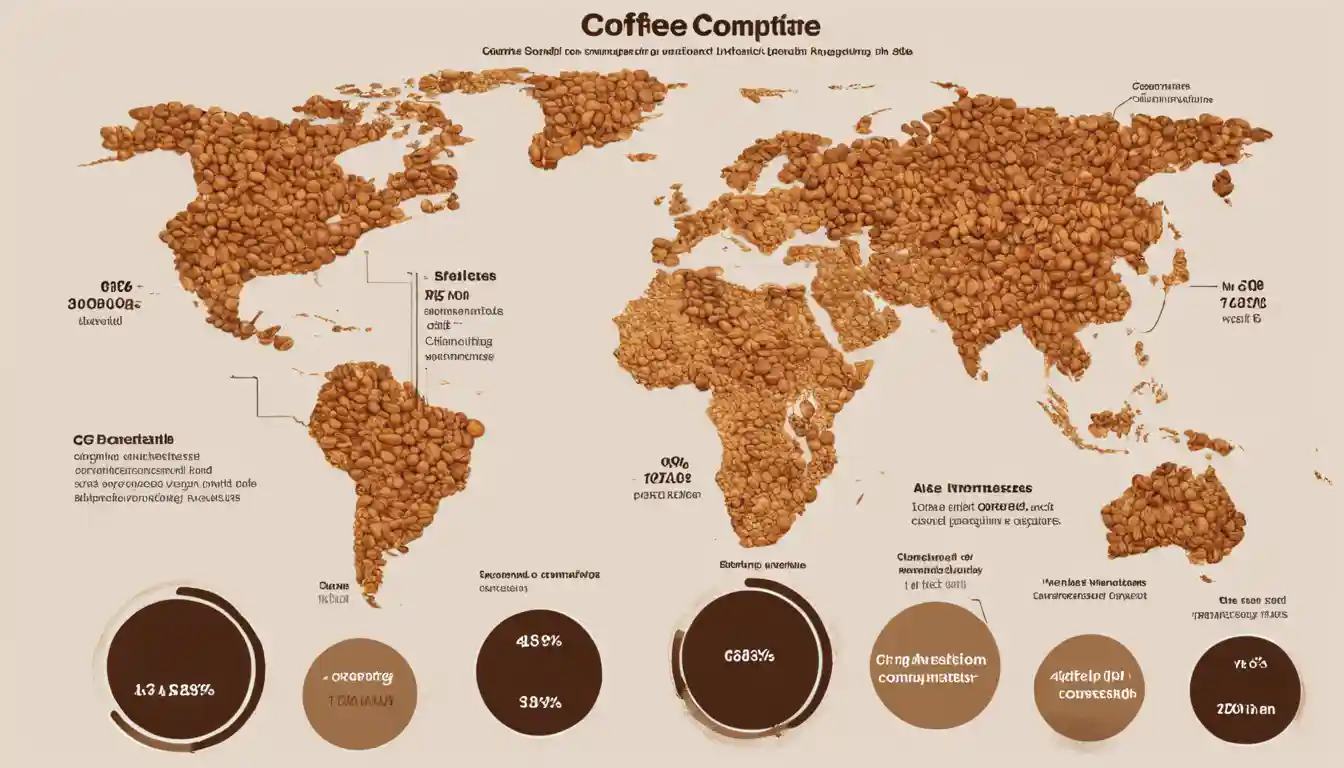
Global coffee consumption refers to the total quantity of coffee consumed by individuals worldwide, which has seen a significant rise over the past decades. According to the International Coffee Organization, global coffee consumption reached approximately 170 million 60-kilogram bags in 2021, reflecting a growing demand driven by emerging markets and changing consumer preferences.
From a technical standpoint, coffee consumption is analyzed through various metrics including per capita consumption, trade volumes, and consumption growth rates in different regions. For instance, Nordic countries exhibit some of the highest per capita coffee consumption rates globally, with an average of 12 kilograms per person annually. This is often attributed to cultural habits and the prevalent coffee shop culture.
The importance of global coffee consumption extends beyond mere enjoyment; it influences economic stability in coffee-producing countries, environmental practices, and social structures. For example, in Brazil, the largest coffee producer, coffee exports contribute significantly to the national economy, employing millions and supporting local communities.
Moreover, the surge in demand for sustainably sourced coffee has prompted companies to adopt more ethical practices. In 2020, a study highlighted that consumers in high-income countries increased their purchases of certified sustainable coffee by 30%, demonstrating a tangible shift towards responsible consumption.
The intersection of coffee consumption and advanced technologies like Web3 is becoming increasingly significant. For instance, blockchain technology is being explored for transparency in coffee supply chains. By using decentralized ledgers, consumers can trace the origin of their coffee, ensuring it is sourced ethically and sustainably. In a recent pilot project, a blockchain-based system allowed for real-time tracking of coffee from farm to cup, enhancing consumer trust and engagement.
Supporting these observations, a report from the United Nations Food and Agriculture Organization indicates that coffee consumption has increased by 20% in emerging markets over the last decade. Furthermore, according to a study published in the journal Food Policy, sustainable coffee sourcing can lead to a 25% increase in farmer income, illustrating the profound impact of informed consumer choices.
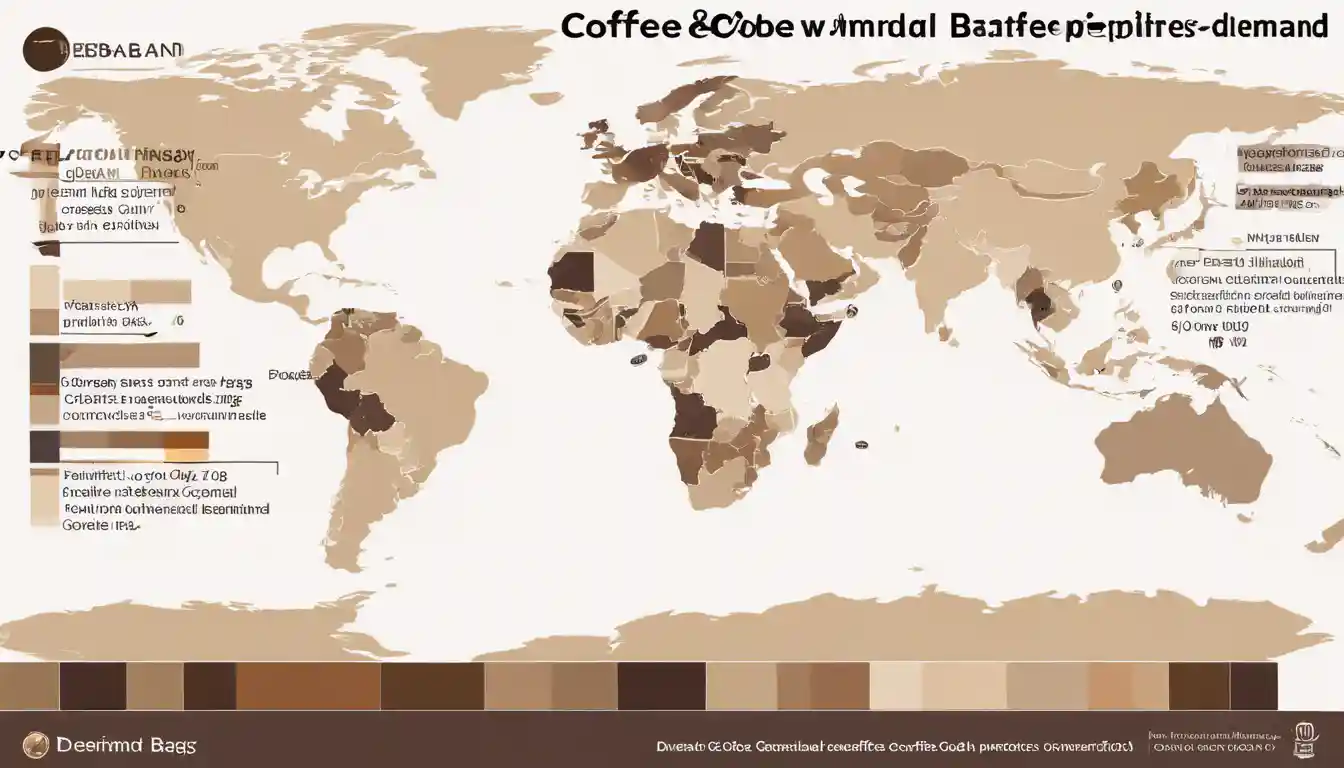
The concept of Global Coffee Demand encompasses the total quantity of coffee consumed worldwide, driven by factors such as population growth, changing consumer preferences, and economic conditions. In 2022, global coffee consumption reached approximately 170 million 60-kilogram bags, reflecting an increase of 2.5% from the previous year. This growth can be attributed to the rising popularity of specialty coffee and the proliferation of coffee shops, particularly in emerging markets.
From a technical perspective, the demand for coffee is influenced by price elasticity, where changes in coffee prices affect consumer purchasing behavior. For instance, a 10% increase in coffee prices might lead to a 5% decrease in demand, highlighting the sensitivity of consumers to price fluctuations. Additionally, factors like climate change impact coffee production, thereby influencing future supply and demand dynamics.
The importance of Global Coffee Demand extends beyond mere consumption statistics; it plays a critical role in economies, social structures, and environmental sustainability. For example, in high-income countries, the consumption of coffee has surged over the last two decades, necessitating sustainable sourcing practices.
According to research, developed nations account for over 60% of global coffee consumption, thereby exerting significant pressure on coffee-growing regions, particularly in the tropics, which are facing deforestation due to cash crop expansion.
A practical illustration of this can be seen in Colombia, a leading coffee producer, where local economies are heavily dependent on coffee exports. The demand for sustainably sourced coffee has prompted initiatives to ensure that farmers adhere to environmentally-friendly practices, thus contributing to both economic stability and ecological preservation.
As the coffee industry evolves, technologies such as Web3 and blockchain are becoming integral in enhancing transparency in the supply chain. Blockchain can provide traceability from farm to cup, ensuring that consumers know the origin of their coffee and the practices involved in its production.
This technology can empower consumers to make informed choices aligned with sustainable practices, thus influencing global coffee demand. For instance, platforms that allow consumers to directly interact with coffee growers can foster a stronger connection and commitment to sustainability.
The findings related to the global coffee market and its implications are supported by recent studies indicating that coffee consumption has increased significantly in developed nations, leading to discussions on sustainability and responsible sourcing.
According to a report from the International Coffee Organization, global coffee consumption rose by nearly 15% from 2012 to 2022. Furthermore, a study on the environmental impact of cash crop demand highlights the urgent need for sustainable practices to combat deforestation linked to coffee production.
In this exploration of "Coffee Across Continents," we uncovered the remarkable global journey of coffee, from its agricultural roots in the coffee belt to its cultural significance in high-income nations. Key takeaways include the dramatic increase in coffee consumption—over 50% in the last two decades in wealthier countries—along with the urgent need for sustainable sourcing practices to mitigate environmental impacts such as deforestation. We also highlighted the role of advanced technologies, like blockchain, in ensuring transparency and fostering trust in coffee supply chains.
Looking ahead, the future of coffee consumption is poised for further evolution, driven by a growing emphasis on sustainability and ethical practices. As consumer awareness continues to rise, we may see even stronger demand for sustainably sourced coffee, ultimately influencing farming practices and economic stability in producing countries. Additionally, the integration of digital technologies will likely enhance traceability and allow consumers to engage more meaningfully with the origins of their coffee.
So, as you sip your next cup of coffee, consider this: every choice you make—from the brand you support to the brewing method you use—can contribute to a more sustainable coffee future. Will you join the movement towards responsible consumption?

Get notified about new articles, coffee tips, and Web3 insights.
This site participates in affiliate programs and may earn a commission when a link is clicked and a purchase is made. The site is not responsible for any issues or troubles related to the products or services purchased through the use of this site.

DO&COFFEE loves coffee and technology, exploring the potential of NFTs and blockchain. Learn more →
DO&COFFEE loves coffee and technology, exploring the potential of NFTs and blockchain. Learn more →