coffee
2024/08/07

Digital Transformation refers to the integration of digital technologies into all aspects of a business, resulting in fundamental changes to how businesses operate and deliver value to customers. In the context of the coffee industry, this transformation involves the adoption of innovative technologies such as blockchain and machine learning to enhance the supply chain, improve product quality, and increase transparency.
The significance of this topic is underscored by the increasing demand for traceability and quality assurance in food products. For instance, the Italian coffee company Lavazza has successfully implemented a blockchain-based system that allows consumers to trace their coffee from farm to cup, thereby enhancing consumer trust. Additionally, the WHO reports that over 80% of consumers consider traceability crucial when purchasing food products, indicating a growing market need for transparency in the coffee supply chain.
This blog post will explore key themes surrounding digital transformation in coffee, including the role of blockchain technology in enhancing traceability, the impact of machine learning in quality assessment, and the importance of dynamic smart contracts that facilitate adaptability in the supply chain. These interconnected ideas highlight the necessity of embracing digital transformation for coffee businesses to thrive in an evolving marketplace.
Research findings indicate that the adoption of blockchain technology can improve operational efficiency by up to 30%, making it a vital component for coffee producers seeking to enhance their market position. This blog will delve into these aspects, providing actionable insights for stakeholders in the coffee industry to adapt and thrive in this new digital era.
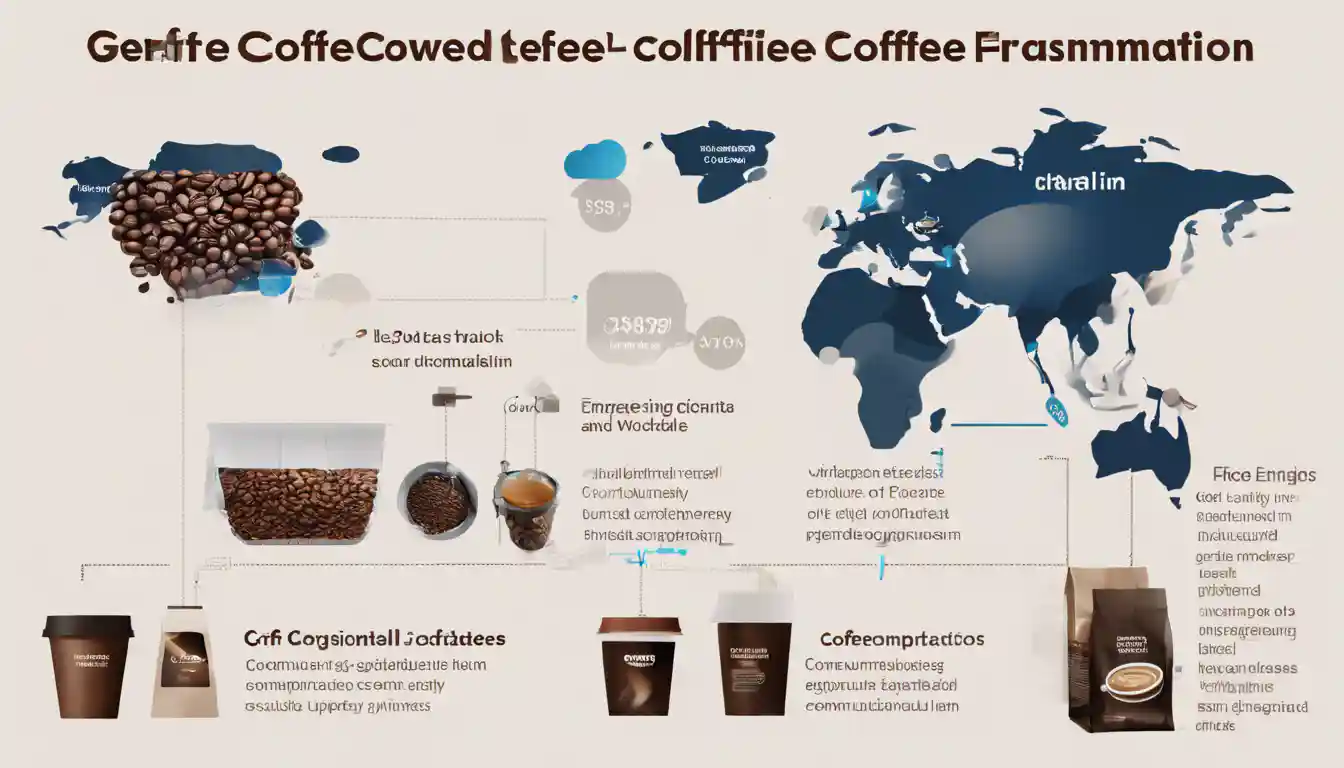
Coffee digitalization refers to the integration of digital technologies into the coffee supply chain, enhancing processes from cultivation to consumption. This includes using blockchain technology to ensure traceability, transparency, and trust among stakeholders.
For instance, platforms like SmartBeanFutures leverage smart contracts to automate agreements between farmers and buyers, reducing the impact of market fluctuations and enhancing compliance with contracts. By recording contract terms on a blockchain, parties can securely verify their commitments without relying on intermediaries.
The importance of coffee digitalization can be observed in its ability to address critical challenges within the supply chain. For example, the use of blockchain for traceability enhances food safety, a growing concern highlighted by the increasing number of food safety incidents globally.
The Italian coffee company Lavazza has implemented blockchain systems to improve customer relations by offering detailed information about the sourcing and quality of their coffee beans. This not only builds consumer trust but also promotes sustainable practices among farmers.
Technologies like Web3 and machine learning are at the forefront of coffee digitalization. For example, a research study developed a traceability system based on blockchain and machine learning to identify high-quality coffee beans using the YOLO algorithm.
This system not only enhances quality control but also promotes sustainability by assuring consumers of the product's integrity. According to the study, the YOLOv5m model outperformed others in identifying coffee bean quality, showcasing how advanced technologies can significantly improve operational efficiency.
The significance of digitalization in coffee supply chains is supported by various studies. One study highlights that over 80% of consumers consider traceability important when purchasing food products, indicating a growing demand for transparency.
Another paper notes that dynamic smart contracts can enhance supply chain adaptability, improving efficiency by up to 30% compared to traditional methods. These findings affirm that embracing digital technologies is not just beneficial but essential for the future of the coffee industry.
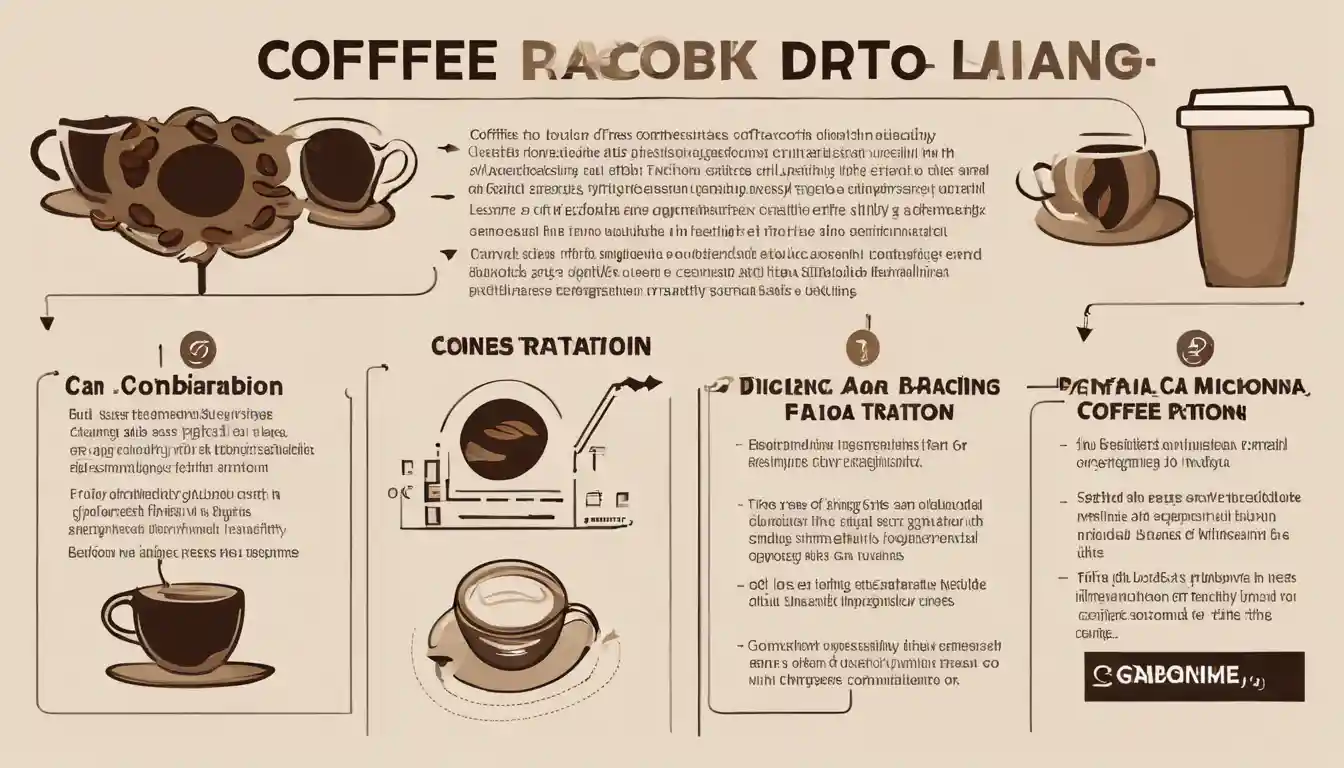
Adapting to change refers to the capacity of individuals, organizations, and systems to adjust in response to new conditions or challenges. In the context of digital transformation in the coffee industry, this means embracing new technologies, methodologies, and market dynamics. Technically, this adaptation often involves utilizing advanced tools such as blockchain, machine learning, and dynamic smart contracts.
For example, the use of Smart Contracts on blockchain platforms allows coffee producers to automate agreements with buyers, ensuring transparency and reducing disputes over pricing and conditions. A study on SmartBeanFutures demonstrates how blockchain can record contract terms, enabling better compliance and monitoring of market conditions, thus making adaptation to changes in pricing or supply more manageable.
Adapting to change is crucial in the coffee industry, where climate change, market volatility, and consumer preferences are constantly evolving. For instance, the implementation of blockchain technology has significantly improved the traceability of coffee products. Companies like Lavazza have utilized blockchain to enhance transparency in their supply chains, leading to improved consumer trust and loyalty.
A report highlights that food safety incidents have increased, driving the need for robust traceability systems. In response, blockchain offers a solution by allowing stakeholders to track coffee from farm to cup, thereby enhancing safety and quality assurance. Such adaptations not only safeguard producers and consumers but also enhance the overall value chain.
Web3 technologies, particularly blockchain, are pivotal in facilitating adaptation in the coffee industry. For instance, dynamic smart contracts allow for real-time adjustments to agreements based on market conditions, thereby increasing flexibility. A recent study emphasized the limitations of static smart contracts and proposed using dynamic smart contracts that can interact and adjust to the complex interactions within supply chains, enhancing efficiency and scalability.
Additionally, machine learning models, such as the YOLO algorithm, are being integrated into coffee quality assessment processes, helping producers identify high and low-quality beans more effectively. This application not only optimizes quality but also aids in adapting production strategies based on real-time data analysis.
Research indicates that companies adopting blockchain technology can improve operational efficiency by up to 30% (Source: Blockchain in Supply Chain: A Study by IBM). Furthermore, WHO emphasizes the need for enhanced food traceability systems to counteract rising food safety concerns, underscoring the importance of adapting to change in the food supply chain (Source: WHO Food Safety Report).
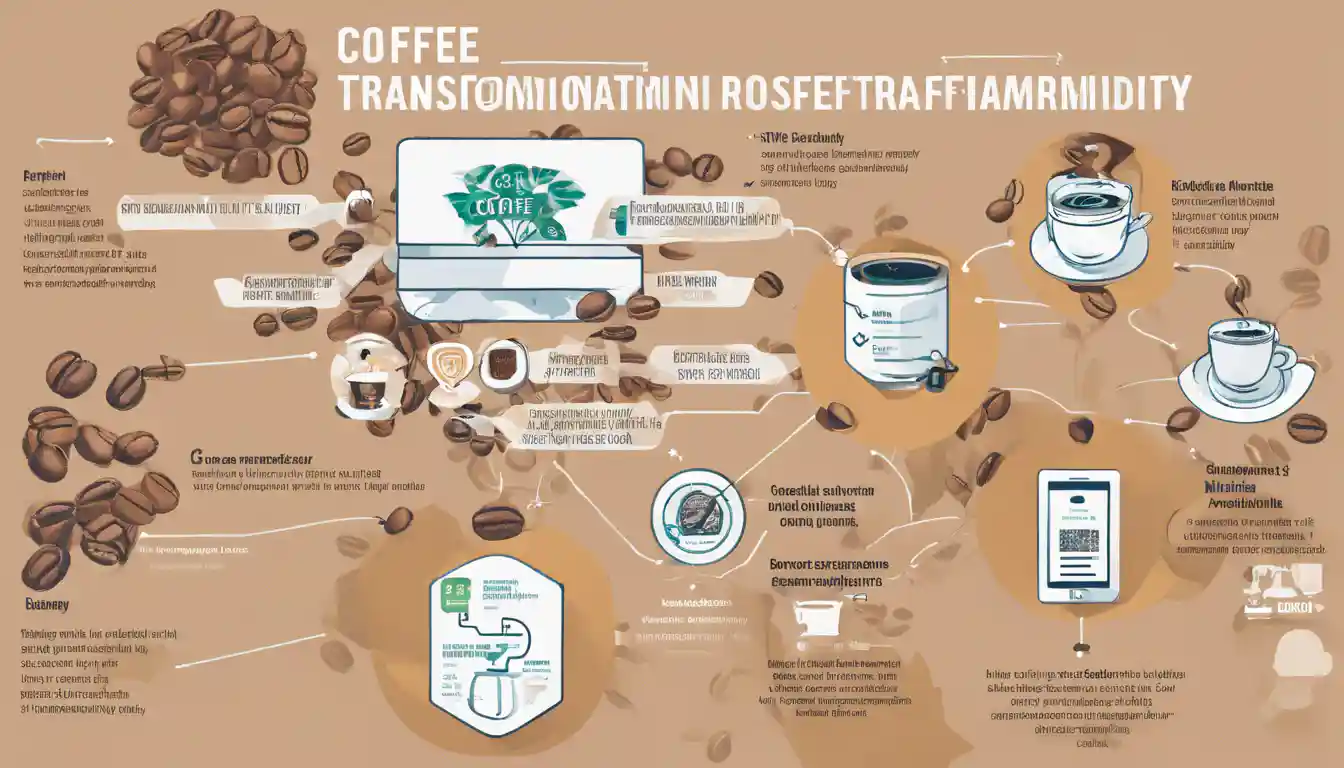
Digital transformation refers to the profound and accelerated changes in how businesses leverage technology to enhance their operations, customer experiences, and overall business models. This process often involves the integration of digital technologies into all areas of a business, fundamentally altering how it operates and delivers value to customers.
In the context of the coffee industry, digital transformation can be observed through the implementation of blockchain technology and machine learning. For instance, smart contracts on platforms like Ethereum can automate agreements between coffee producers and buyers, ensuring transparent and efficient transactions.
This technology addresses traditional challenges, such as price volatility and supply chain transparency, by recording contract terms securely on the blockchain, as evidenced by the SmartBeanFutures platform developed for Colombian coffee futures contracts.
The importance of digital transformation in the coffee industry cannot be overstated. It enhances supply chain transparency, improves traceability, and boosts the overall quality of coffee products. A notable example is the Italian coffee company Lavazza, which has successfully implemented blockchain technology to track coffee beans from farm to cup, thereby ensuring quality and building consumer trust. According to a WHO report, improved traceability is vital for food safety, which has become increasingly important due to rising food safety incidents globally.
Furthermore, research demonstrates that the adoption of blockchain in coffee supply chains increases trust among stakeholders, leading to sustainable practices and better market relationships. For instance, a study on Thailand's coffee supply chain highlighted how blockchain enhances reliability and efficiency, ultimately benefiting both producers and consumers.
Here are three concrete, actionable tips for coffee businesses looking to implement digital transformation:
The integration of Web3 technologies in coffee supply chains represents a significant leap forward. By utilizing decentralized applications (dApps), stakeholders can interact without intermediaries, ensuring data integrity and security. For example, the use of dynamic smart contracts allows for real-time adjustments based on market conditions, overcoming the limitations of static contracts that previously dominated the industry. This flexibility not only improves efficiency but also enhances the adaptability of the supply chain, as highlighted in recent studies showing increased scalability and robustness in blockchain applications.
To support these claims:
In conclusion, the digital transformation of the coffee industry is reshaping how stakeholders interact, enhancing supply chain transparency, traceability, and overall quality. Key takeaways from our discussion include the significance of blockchain technology in automating agreements through smart contracts, the utilization of machine learning for quality control, and the importance of educating stakeholders about these advancements. Companies like Lavazza exemplify how adopting these technologies can strengthen consumer trust and promote sustainable practices.
Looking ahead, we anticipate further developments in digital transformation that could include more sophisticated traceability systems, enhanced machine learning algorithms for quality assessment, and wider adoption of dynamic smart contracts that can adapt to fluctuating market conditions. As the coffee industry continues to evolve, these technologies will play a crucial role in fostering resilience and sustainability.
As we navigate this new era, consider how you can leverage these digital tools in your own operations. The future of the coffee industry hinges on those who embrace change—will you be among them?
- Design of a Traceability System for a Coffee Supply Chain Based on Blockchain and Machine Learning
- RESEARCH PAPER ON BLOCKCHAIN IN COFFEE SUPPLY CHAIN

Get notified about new articles, coffee tips, and Web3 insights.
This site participates in affiliate programs and may earn a commission when a link is clicked and a purchase is made. The site is not responsible for any issues or troubles related to the products or services purchased through the use of this site.

DO&COFFEE loves coffee and technology, exploring the potential of NFTs and blockchain. Learn more →
DO&COFFEE loves coffee and technology, exploring the potential of NFTs and blockchain. Learn more →