coffee
2024/08/07
In the world of coffee enthusiasts, the term specialty coffee refers to the highest quality of coffee available, often sourced from specific regions and produced under distinct conditions that enhance its flavor profile. Within this realm, Coffee Tully stands out as a prime destination for those seeking an exceptional coffee experience, drawing customers in search of rich flavors, artisanal brewing methods, and a sense of community centered around coffee appreciation. Understanding why people flock to Coffee Tully involves grasping key concepts such as Arabica coffee, which is renowned for its complex flavors, and the significance of fair trade practices in the coffee industry.
The importance of this topic is underscored by the growing global demand for high-quality coffee. According to the International Coffee Organization, coffee is the second most traded commodity in the world, highlighting its economic significance. For instance, in places like Colombia, coffee production is not just a livelihood but a cultural cornerstone that sustains communities. The rise of specialty coffee shops, including Coffee Tully, reflects a shift in consumer preferences towards ethically sourced and superior quality coffee, emphasizing the need for transparency in coffee sourcing and production.
This blog will explore the journey of coffee from the farm to the cup, highlighting the vital role of quality and ethical sourcing in consumer choices. We will delve into the unique characteristics of the Geisha Especial coffee varietal, known for its fruity and floral notes, and examine how customer satisfaction is influenced by various factors, including practical, social, and emotional elements related to coffee consumption. Furthermore, we will discuss the impact of evolving market trends, including the projected growth of specialty coffee, which is expected to account for over 50% of total coffee consumption by 2025, emphasizing the interconnectedness of quality, consumer behavior, and market dynamics.
Coffee is derived from the berries of the Coffea plant, primarily the Coffea arabica and Coffea canephora species. The journey from cherry to cup involves several technical processes: harvesting, processing, roasting, and brewing. During the roasting phase, the beans undergo complex chemical transformations, creating over 800 volatile compounds that contribute to the coffee's aroma and flavor profile. For instance, the Geisha Especial varietal is noted for its fruity and floral notes, attributed to the presence of specific volatile compounds like limonene and 3-methylbutanoic acid, which enhance its sensory characteristics (Source: Research on Arabica coffee genotypes).
Coffee is more than just a beverage; it’s a global economic powerhouse. According to the International Coffee Organization, coffee is the second most traded commodity after oil. In countries like Colombia, coffee cultivation is crucial for local economies, providing livelihoods for millions. Additionally, the rise of specialty coffee shops has transformed consumer expectations, emphasizing quality and ethical sourcing. Fair trade coffee, in particular, has grown in popularity, with consumers increasingly valuing the social responsibility of their purchases (Source: Research on fair trade coffee consumption).
With the emergence of Web3 technologies, coffee supply chains are becoming more transparent. Blockchain can facilitate traceability, allowing consumers to verify the origins of their coffee and the practices of the growers. This not only enhances consumer trust but also empowers farmers by ensuring fair pricing. For example, integrating blockchain in coffee trading can provide data on harvest quality, thereby impacting pricing strategies based on real-time market feedback.
Research indicates that consumers are increasingly driven by quality and ethical sourcing in their coffee choices. A survey of Indonesian coffee consumers highlighted that quality perceptions—based on brand, aroma, and flavor—significantly influence purchasing behavior (Source: Study on coffee quality perception in Indonesia). Furthermore, the demand for high-quality coffee continues to rise, reflecting the importance of consumer education in marketing strategies (Source: Research on fair trade coffee customer satisfaction).
At its core, search refers to the process of seeking information or resources based on specific criteria. In the context of coffee enthusiasts flocking to locations like Coffee Tully, search can be understood on both a basic and a technical level. From a basic standpoint, search is about discovering the coffee that meets your unique preferences—be it flavor, aroma, or brewing style.
Technically, search involves algorithms that analyze vast amounts of data to deliver relevant results. For instance, search engines utilize indexing, ranking, and retrieval methods to determine how to present information. In the context of Web3 technologies, decentralized search protocols are emerging, allowing users to search for content in a way that prioritizes privacy and data ownership. This shift could lead to more personalized search experiences in the future, making it easier for coffee lovers to find their perfect brew.
The importance of search cannot be overstated. It shapes consumer behavior and affects how businesses connect with their audiences. For example, in the specialty coffee market, consumers often search for brands that align with their values, such as fair trade practices. A recent study highlighted that customer satisfaction in fair trade coffee consumption is influenced by practical, social, and emotional factors, which interplay to determine purchasing decisions and repeat visits to coffee shops (Source: Fair Trade Customer Satisfaction Study).
Moreover, as coffee lovers seek unique flavors, like the fruity and floral notes characteristic of the Geisha Especial coffee variant, their search is driven by sensory evaluations that can significantly affect buying behavior. This is evident in markets like Indonesia, where consumers assess coffee quality based on brand reputation and sensory attributes, demonstrating the critical role of search in influencing consumer preferences (Source: Indonesian Coffee Quality Perception Study).
With the emergence of Web3, the landscape of search is evolving. Decentralized search engines aim to give users more control over their data and search results. For instance, projects like Presearch allow users to earn tokens for conducting searches while maintaining their privacy. This model can be applied to coffee enthusiasts by creating platforms where users can share and discover coffee shops, reviews, and brewing techniques without compromising their data.
Additionally, the integration of blockchain technology can help in verifying the authenticity of coffee brands, ensuring that consumers are truly supporting fair trade and sustainable practices. This can enhance the search experience by providing transparency and trustworthiness that consumers increasingly demand.
The increasing demand for high-quality coffee has been documented in various studies, one of which found that consumers’ perceptions of quality are largely influenced by brand, aroma, and taste (Source: Indonesian Coffee Consumer Study). Furthermore, it was noted that the unique sensory qualities of coffees, such as those from the Geisha varietal, significantly impact consumer preferences and purchasing behavior, emphasizing the critical role of search in the specialty coffee market.
Coffee Tully, often referred to as the epitome of specialty coffee, is a term that encompasses not only the specific coffee beans sourced from the Tully region in Australia but also the meticulous brewing techniques and sensory experiences associated with it. The technical aspects of Coffee Tully involve the unique Arabica coffee varietals, particularly noted for their superior flavor profiles, including the acclaimed Geisha Especial. Research has shown that this varietal features distinct volatile compounds such as limonene and 3-methylbutanoic acid, contributing to its fruity and floral aroma and balanced acidity (source: coffee genetics study). This genetic diversity, coupled with optimal growing conditions, elevates Coffee Tully to a level that coffee aficionados seek out fervently.
The significance of Coffee Tully extends beyond its flavor; it embodies a fusion of cultural appreciation, economic viability, and environmental sustainability. For instance, in regions where Coffee Tully is cultivated, such as Colombia, the coffee industry supports local economies by providing jobs and promoting fair trade practices. Studies indicate that consumers are increasingly prioritizing sustainability and quality in their purchasing decisions, with a marked preference for fair trade coffee (source: customer satisfaction study). This shift not only enhances customer loyalty but also drives demand for high-quality products, further solidifying Coffee Tully's position in the global market.
As the coffee industry increasingly intersects with advanced technologies, such as Web3, the potential for Coffee Tully to leverage blockchain for traceability and quality assurance becomes apparent. This technology can enhance consumer trust by providing verifiable information about the sourcing and production practices of Coffee Tully, aligning with the growing demand for transparency in food supply chains. Furthermore, utilizing decentralized platforms for direct trade could empower farmers, ensuring they receive fair compensation for their high-quality beans.
The importance of high-quality coffee is underscored by a growing body of research that shows how consumer perceptions of quality—determined by factors such as aroma, flavor, and brand—directly influence purchasing behaviors (source: consumer awareness study). Moreover, as the market evolves, the demand for specialty coffee is projected to rise, with reports indicating that the specialty coffee segment could account for over 50% of total coffee consumption by 2025.
In this exploration of Coffee Tully, we delved into the intricate world of specialty coffee, emphasizing its appeal to enthusiasts who seek unique flavors and high-quality brews. We highlighted the significance of the Geisha Especial varietal, known for its floral and fruity notes, and discussed how consumer preferences are increasingly shaped by quality perceptions influenced by branding, aroma, and ethical sourcing practices. Furthermore, we examined the role of fair trade coffee in fostering customer satisfaction and loyalty.
Looking to the future, the coffee industry stands at the crossroads of innovation and tradition. As climate change poses challenges to coffee cultivation, the need for adaptive strategies in sourcing and farming becomes paramount. Technologies like blockchain can enhance transparency in coffee supply chains, empowering consumers to make informed choices while supporting sustainable practices. This evolution will likely reshape the landscape of coffee consumption, as consumers increasingly prioritize quality and ethics in their purchasing decisions.
As you navigate your own coffee journey, consider what "good coffee" means to you. Whether it's exploring new brewing methods, seeking out specialty beans, or advocating for fair trade practices, your choices can contribute to a broader movement towards quality and sustainability in the coffee industry. So, the next time you sip on a cup from Coffee Tully or your local café, remember that your preferences can drive change—one delicious cup at a time.
- Precursors and outcomes of satisfaction of fair trade coffee consumers
- The Indonesian coffee consumers perception on coffee quality and the effect on consumption behavior
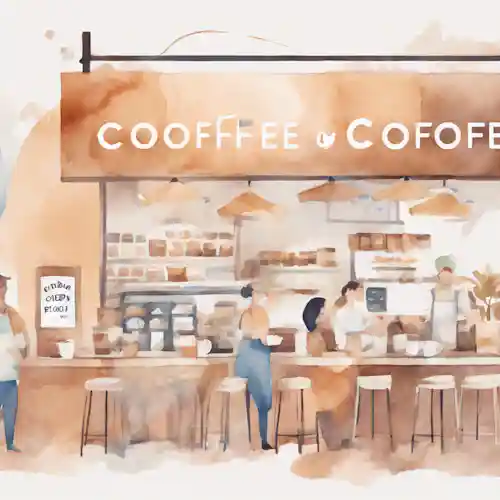
The Confluence of Local Coffee Culture and Blockchain
Get notified about new articles, coffee tips, and Web3 insights.
This site participates in affiliate programs and may earn a commission when a link is clicked and a purchase is made. The site is not responsible for any issues or troubles related to the products or services purchased through the use of this site.

DO&COFFEE loves coffee and technology, exploring the potential of NFTs and blockchain. Learn more →
DO&COFFEE loves coffee and technology, exploring the potential of NFTs and blockchain. Learn more →