art
2025/10/07
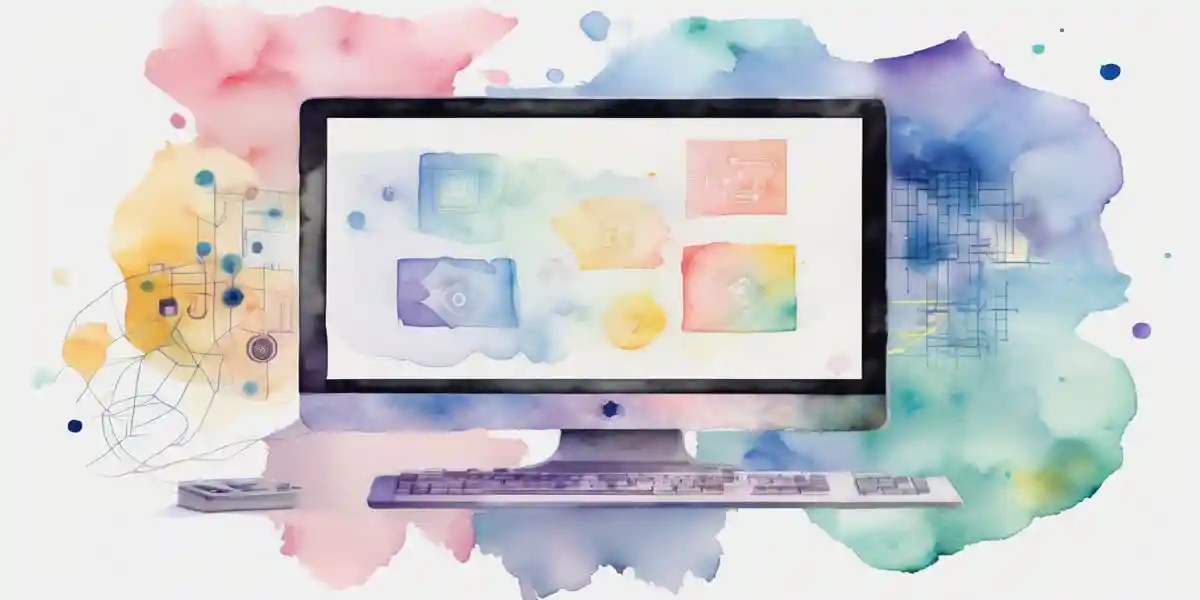
What if the canvas could talk, sharing stories of its journey, or if the artwork you adore was etched into a digital ledger, forever preserving its authenticity? As we step further into the 21st century, the realms of art and technology are engaging in an unprecedented dialogue, where pixels meet paint, and creativity melds with code. This evolution is ushered in by two groundbreaking forces: the Internet of Things (IoT) and cryptocurrency. Together, they are reshaping how collectors and creators interact with contemporary art, challenging conventional notions of ownership and experience.
In this blog post, we'll dive into the fascinating world of art NFTs and discuss how these unique digital assets are not only transforming ownership but also revolutionizing accessibility in contemporary art. We will explore how IoT technology enhances the artistic experience for both collectors and creators, allowing for deeper connections and interactions. Lastly, we will examine the role of cryptocurrency in preserving the integrity of artwork in this digital age, ensuring that the value and authenticity of art remain intact. Join us on this journey through the modern art landscape where canvas meets code, and discover how these innovations are leading a creative revolution.
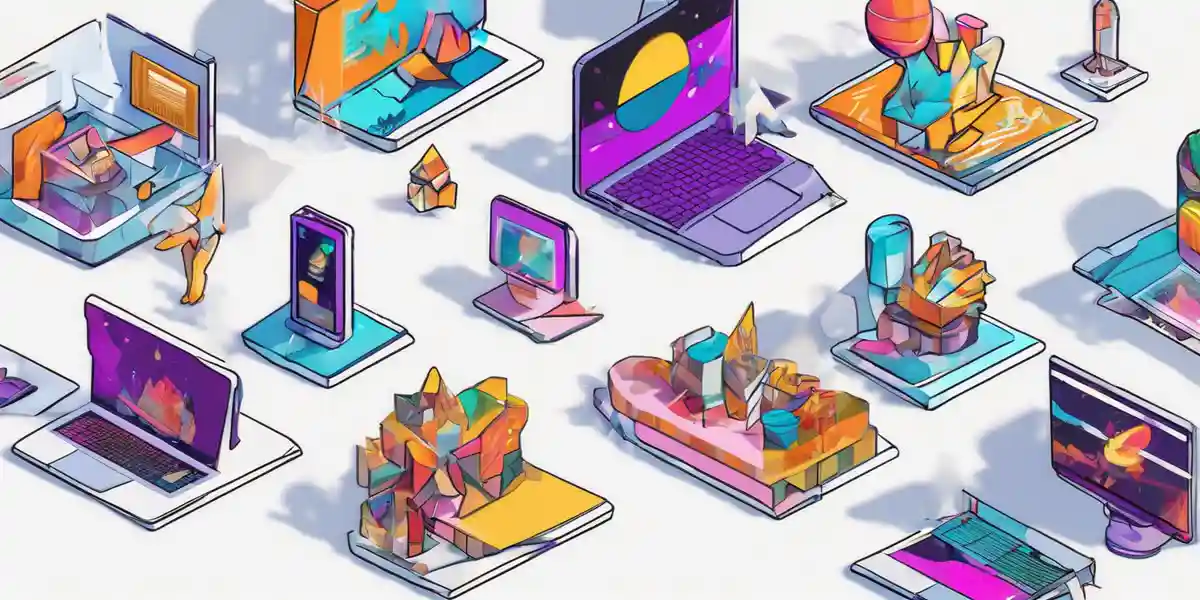
Non-fungible tokens, or NFTs, are unique digital assets that authenticate ownership of digital files through blockchain technology. Unlike cryptocurrencies such as Bitcoin or Ethereum, which are fungible and can be exchanged on a one-to-one basis, NFTs are one-of-a-kind, making them ideal for representing ownership of artworks, music, videos, and other creative content. This distinction allows artists to sell their work directly to consumers without the need for intermediaries like galleries or auction houses, fundamentally changing the dynamics of the art market.
The emergence of art NFTs has significantly empowered artists by giving them greater control over their creations. According to the paper "The Art NFTs and Their Marketplaces," the use of NFTs enables artists to bypass traditional gatekeepers and foster a more direct relationship with their audience. This new model not only allows artists to receive a more significant portion of the profits from their work but also provides unique opportunities for ongoing earnings. For instance, many artists program royalties into their NFT contracts, ensuring that they receive a percentage of future sales whenever their work changes hands.
This transformation of ownership also extends to collectors, who can now confidently invest in digital art backed by verifiable blockchain records. This level of transparency minimizes the risk of art fraud—a persistent issue in the traditional art market—while simultaneously making art more accessible to a broader audience. Rather than having to invest enormous sums in physical artworks, collectors can purchase digital editions of art for relatively lower prices, democratizing access to contemporary art.
One prominent example of the rise of art NFTs is the sale of Beeple's digital artwork, "Everydays: The First 5000 Days," which sold for an astonishing $69 million at Christie's in March 2021. This landmark sale demonstrated the potential value that NFTs can achieve in the art world, attracting attention not just from collectors but from the mainstream media and the general public, further legitimizing digital art as a collectible asset.
Another compelling instance is the platform known as Foundation, which allows artists to mint and sell their NFTs, creating a community-driven marketplace. This platform pays particular attention to marginalized artists, offering them a space to showcase their work and connect with collectors. Such initiatives are pivotal in redefining who has access to the art market, fostering inclusivity, and highlighting diverse voices.
Despite their potential, the rise of art NFTs is not without challenges. Issues such as copyright infringement and the environmental impact of blockchain technology have sparked debates within the art community. Nevertheless, solutions are emerging; for instance, some creators are exploring eco-friendly blockchain alternatives, aiming to address these concerns while continuing to advocate for the benefits of NFTs.
As art NFTs gain traction, their role in transforming both ownership models and accessibility in contemporary art cannot be undermined. By connecting creators directly with collectors through secure, verifiable transactions, NFTs are revolutionizing the way art is perceived, bought, and owned in the modern age, aligning perfectly with the broader theme of how technology is reshaping the art landscape today.
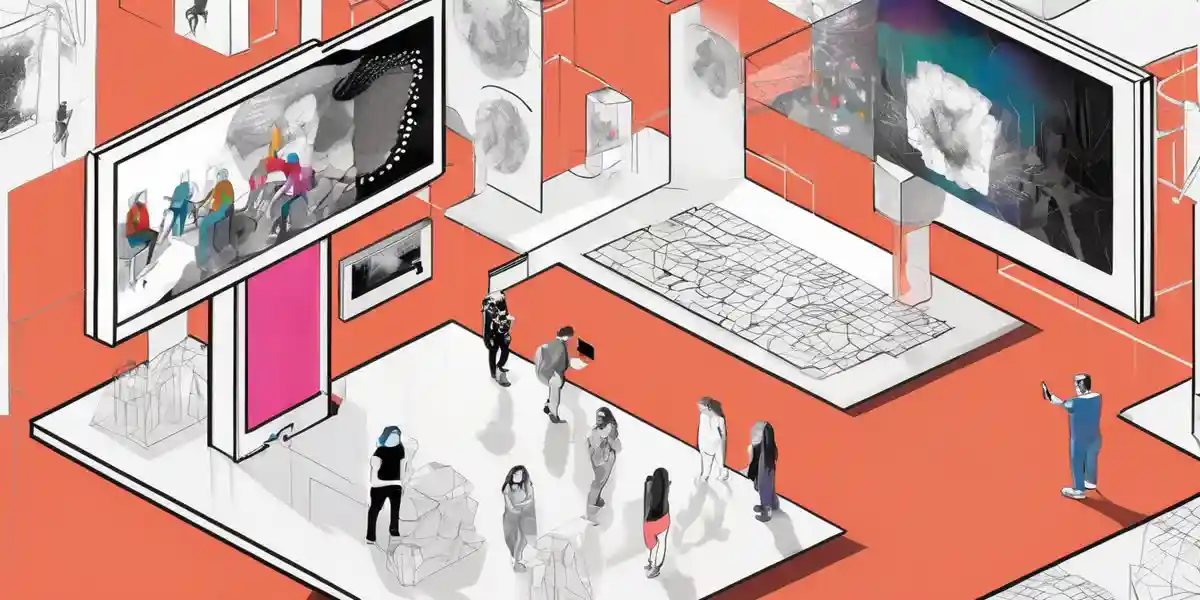
The Internet of Things (IoT), which refers to the network of interconnected devices that communicate and exchange data, is redefining the way art is created, displayed, and experienced. IoT devices—such as smart sensors, connected displays, and interactive installations—enable artists to engage in a more dynamic relationship with their audiences. For instance, an artist could utilize motion sensors to alter a digital artwork's visual output based on viewer movement or engagement. This real-time interaction is not just a novelty; it invites viewers to become active participants in the creative process, blurring the lines between creator and audience.
For art collectors, the integration of IoT technology enhances the ownership experience in unprecedented ways. Imagine a digital display that not only showcases a piece of art but also provides real-time updates on its provenance, history, and exhibition details. IoT-enabled artworks can be programmed to send data to collectors, informing them about the piece’s performance in terms of viewer interaction and engagement metrics. This added layer of information can deepen the collectors' appreciation and connection to the art, making each piece more than just a static object; it becomes an evolving experience.
The emerging influence of Non-Fungible Tokens (NFTs), as discussed in "The Art NFTs and Their Marketplaces," plays a crucial role in the revolutionary shift in the art market. NFTs allow artists to authenticate digital files on the blockchain, providing a secure means for verifying ownership and originality. When paired with IoT technology, NFTs can enable transformative experiences in contemporary art. For example, an artist can create a digital piece that interacts with physical elements in a gallery setting, all while the ownership and authenticity are verified via a corresponding NFT. This synergy not only enhances the appeal and security of digital art but also opens new pathways for innovative and immersive experiences for both creators and collectors.
Several artists and institutions are already exploring the intersection of IoT and art. One notable example is the installation "The Obliteration Room" by Yayoi Kusama, where visitors interact with a white room by placing colorful dot stickers throughout the space, creating a dynamic piece that changes with every visitor's contribution. Another example is the digital gallery platforms that utilize IoT devices to curate and showcase art based on viewer preferences and behaviors, dynamically altering the experience based on real-time data. These examples illustrate how combining IoT with traditional art forms not only creates a visually captivating experience but also fosters a community among artists and audiences.
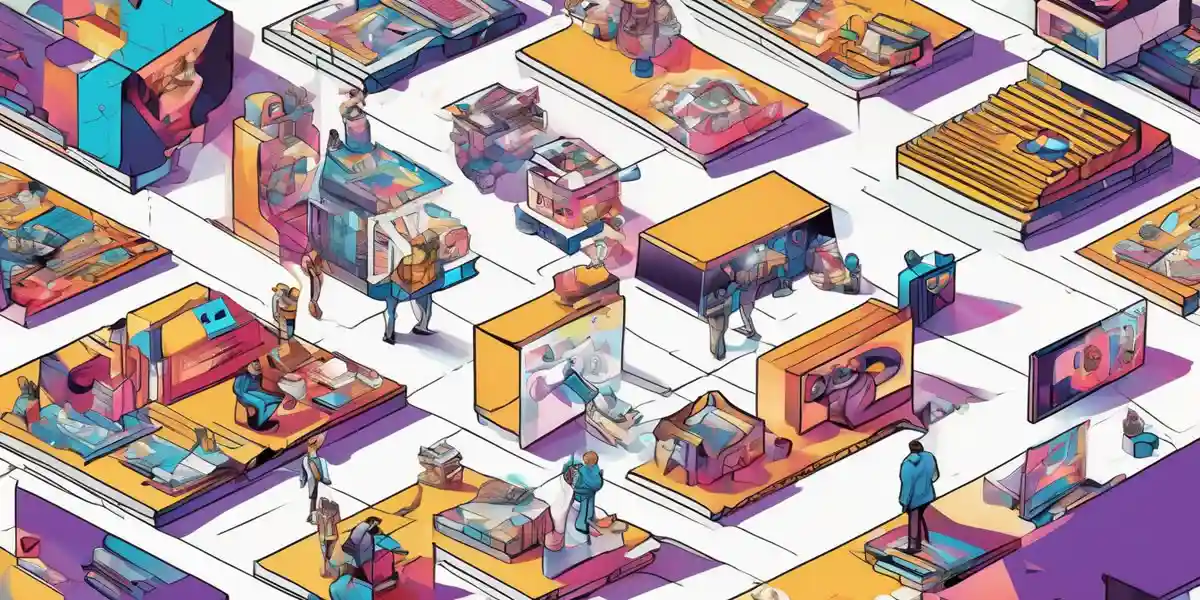
As the digital landscape expands, the importance of maintaining the integrity of artwork becomes paramount. Blockchain technology serves as a vital tool in this quest for authenticity. By utilizing a secure and transparent digital ledger, artists can create Non-Fungible Tokens (NFTs) that ensure their work is both verifiable and tamper-proof. Essentially, an NFT acts as a unique digital certificate of ownership, linking each piece of art to its original creator. This means that collectors can purchase and trade artworks with confidence, knowing they possess a genuine piece directly from the artist—thereby safeguarding artistic integrity in an environment where digital reproduction is easy and rampant.
One noteworthy example of crypto-preservation in action is the rise of platforms that focus on NFT art marketplaces. According to the research paper "The Art NFTs and Their Marketplaces," these marketplaces enable artists to sell their works directly to buyers, cutting out intermediaries like galleries and auction houses. This not only empowers the creators but also ensures that the value of each work is accurately captured and retained, as the original art can be re-sold with its unique NFT tag, preserving its provenance and backed by blockchain's immutable record. This transformation is particularly crucial for artists who might otherwise struggle to have their work recognized and valued in traditional art markets.
Another illustrative case is the use of smart contracts within blockchain networks like Ethereum. These contracts automatically execute transactions when conditions are met, further promoting the integrity of the art transaction. For instance, an artist can set terms that guarantee they receive a percentage of any future sale of their artwork, which serves to protect their financial interests and maintain ongoing acknowledgment of their contribution. This element of crypto-preservation not only assures artists of fair compensation but also encourages collectors to view their investment as a way to support art creation in a more sustainable manner.
The rise of crypto-preservation has yielded a significant shift in how both artists and collectors engage with the art world. Artists, whom historically faced challenges related to copyright infringement and the unauthorized replication of their work, find solace in blockchain technology's ability to safeguard their original creations. Meanwhile, collectors benefit from a more accessible market that provides immediate access to a broader range of artworks without the overhead costs associated with traditional art sales. The transparent nature of NFTs also enhances the trust between artists and collectors, creating a new ecosystem characterized by mutual respect and appreciation.
In summary, the integration of blockchain and NFTs into the art world not only presents pathways for innovative artistic expression but also fortifies the principles of ownership and authenticity essential to artistic integrity in the digital age. As these technologies continue to evolve, the creative community stands to benefit immensely, paving the way for a more equitable and secure art market for both artists and collectors alike.
The intersection of technology and art has reached a pivotal moment, as highlighted in our exploration of NFTs, IoT, and the critical importance of crypto-preservation. The rise of art NFTs has not only transformed ownership models, allowing for a wider audience to participate in the art market, but it has also ensured that contemporary artworks can be accessible to collectors from diverse backgrounds. Meanwhile, the integration of IoT is enhancing the way collectors and creators interact with art, providing immersive experiences that deepen engagement and understanding. Lastly, crypto-preservation stands as a guardian of artistic integrity in our increasingly digital landscape, ensuring that art remains authentic and secure for future generations.
As we witness this revolution, several key takeaways emerge: first, NFTs empower artists and collectors by democratizing access to art; second, IoT technologies are enriching the art experience, bridging the gap between the physical and digital worlds; and finally, the importance of safeguarding art's authenticity through crypto mechanisms cannot be overstated. Collectively, these elements represent a transformative shift that connects traditional canvas with modern code.
As a collector or creator, consider diving deeper into these technologies. Explore the world of art NFTs, engage with IoT-enhanced artworks, and understand the principles of crypto-preservation to stay ahead in this dynamic landscape. By embracing these innovations, you can play a part in the ongoing revolution of contemporary art, where canvas truly meets code. Take the leap today and witness firsthand how these connections are reshaping the art world!
Get notified about new articles, coffee tips, and Web3 insights.
This site participates in affiliate programs and may earn a commission when a link is clicked and a purchase is made. The site is not responsible for any issues or troubles related to the products or services purchased through the use of this site.
DO&COFFEE loves coffee and technology, exploring the potential of NFTs and blockchain. Learn more →
DO&COFFEE loves coffee and technology, exploring the potential of NFTs and blockchain. Learn more →