art
2025/10/08
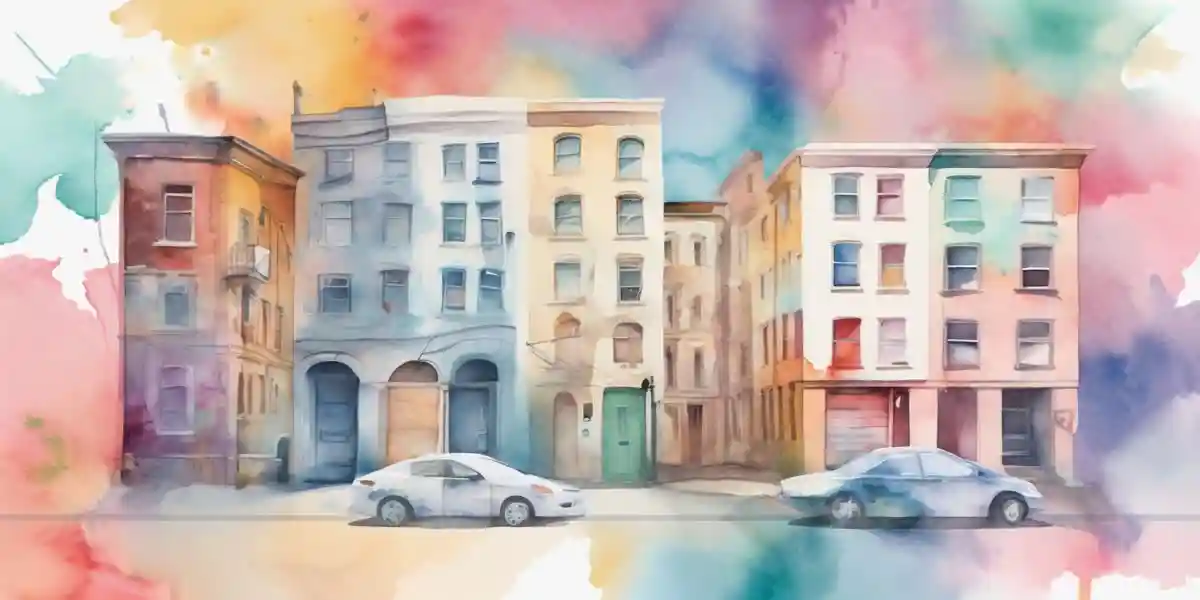
Have you ever walked through a city and marveled at the vibrant murals and graffiti that tell stories of culture, community, and creativity? Street art has long been a powerful medium for self-expression, reflecting the identity of urban spaces. But what if these captivating visual narratives could also exist in the digital realm? Enter the world of Web3, where street art is finding new life as non-fungible tokens (NFTs), bridging the gap between physical walls and digital wallets.
In this blog post, we will explore how Web3 technology is revolutionizing the art scene by transforming traditional street art into a dynamic digital asset. We’ll look at the role of street art in shaping urban identity, the opportunities Web3 creates for artists, and how NFTs are shifting the value and ownership of these works. As we delve into this fascinating intersection of art and technology, you'll discover not just the mechanics behind NFTs but also the profound impact they're having on artists and collectors alike. Join us on this journey from streets to screens, as we uncover the potential of street art in the digital age.
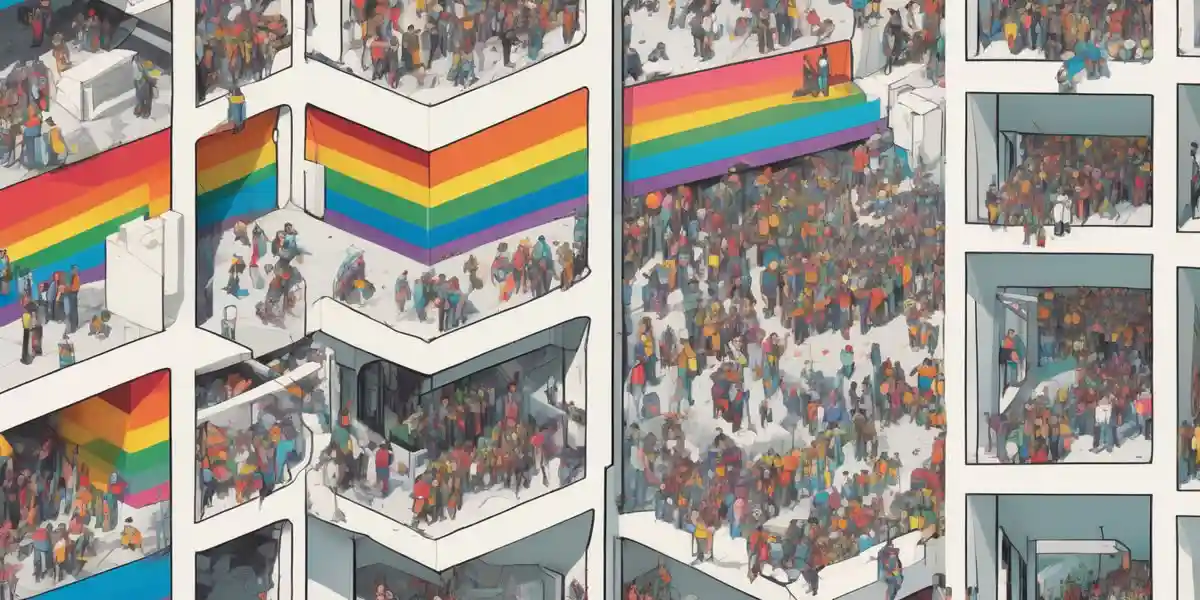
Street art is more than just an artistic expression; it is a direct reflection of the identity and culture of urban spaces. Through vibrant murals, graffiti, and installations, street artists engage with their surroundings, often commenting on social issues, celebrating community pride, or challenging political norms. This dynamic form of art captures the spirit of a locality, presenting a visual narrative that resonates with both residents and visitors. For example, the renowned street artist Banksy has used wall spaces in cities like Bristol and London to create thought-provoking pieces that resonate globally, yet are deeply rooted in the specific environments from which they originate.
The advent of Web3 and NFTs is creating a profound shift in how we perceive and interact with street art. As street artists begin to tokenize their work digitally, they are not just transferring their physical pieces into the virtual realm but also transforming urban identity into a series of authenticated digital assets. For instance, Kevin McCoy's "Quantum," one of the first artworks to be created as an NFT, exemplifies this integration of art and technology. Sold for an astounding USD 1.47 million at Sotheby’s in 2021, it showcases a significant intersection of creativity, ownership, and digital authenticity. This movement fosters a new sense of community around street art, where collectors and fans can engage with the artists' works beyond their physical manifestations.
The transformation of street art into NFTs empowers local artists by providing them with innovative revenue streams and ways to connect with their audiences. By using blockchain technology, artists can sell their works as non-fungible tokens, ensuring that they receive a fairer share of the profits from their creations, as opposed to traditional art market structures that often favor intermediaries. This empowerment allows artists to stay connected to their communities while also reaching global audiences, thus reinforcing their urban identity on a larger scale. Moreover, as urban spaces continue to evolve, the ability to relocate and transform street art into digital formats ensures that this cultural expression endures, even when physical walls may change.
As cities grow and gentrification alters the landscape, the ephemeral nature of street art often leads to the loss of significant local artworks. By creating NFTs, street artists can preserve their work digitally, serving as a historic record of urban culture in a changing world. This kind of digital preservation is pivotal for maintaining the essence of a city's identity, allowing future generations to appreciate the narratives and perspectives that street art conveys. The transition from physical walls to digital wallets exemplifies a broader trend in preserving and celebrating the unique identities of urban locales, even as they undergo transformations.
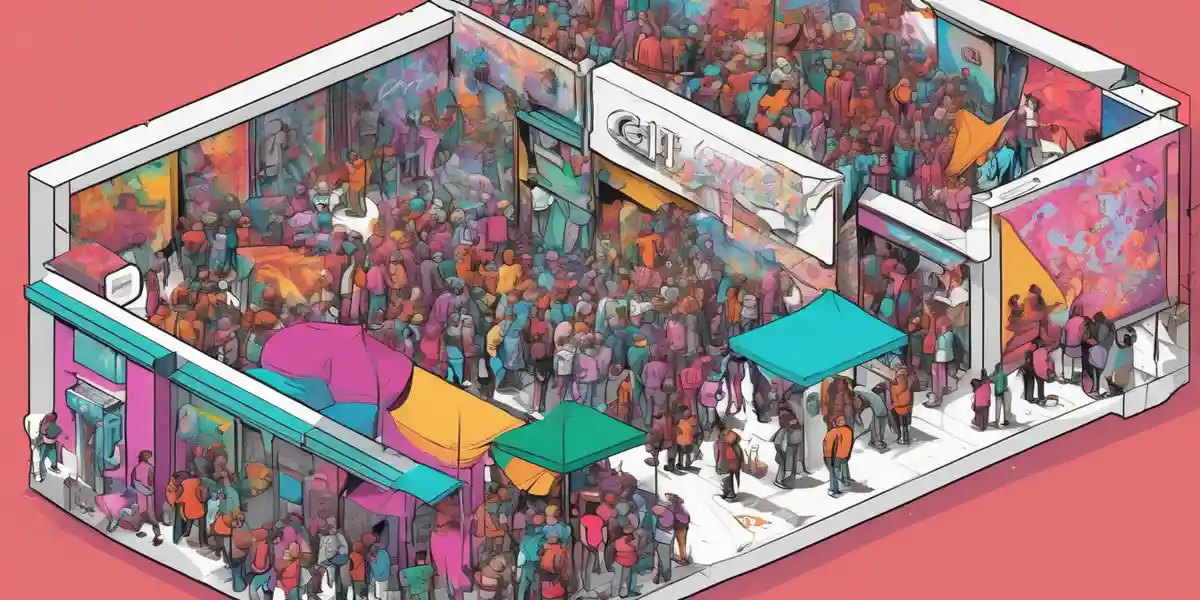
One of the most significant ways that Web3 transforms opportunities for street artists is by decentralizing ownership through NFTs, or non-fungible tokens. NFTs provide a unique identifier for a specific piece of digital art, enabling artists to prove authenticity and ownership. This is particularly advantageous for street artists, whose work is often produced in public spaces and can be easily replicated or destroyed. By creating NFTs, artists can retain control over their digital works, even when the original piece is painted on a wall. This not only secures their intellectual property but also allows them to receive proper credit and compensation for their creativity.
Web3 facilitates new revenue models for street artists that were previously unavailable in traditional art markets. With the ability to sell their works as NFTs, artists can tap into global online marketplaces. For instance, Kevin McCoy's "Quantum," one of the first artworks tokenized as an NFT, made headlines when it sold at Sotheby’s auction for USD 1.47 million in 2021. This sale exemplifies how digital art can achieve remarkable value, encouraging street artists to explore NFT creation. The ability to set royalties on secondary sales also means that artists can continue to earn from their work as it changes hands, creating a sustainable income source.
Web3 not only offers financial benefits but also helps street artists build community and engage with audiences in innovative ways. Platforms that support NFTs often allow for direct interaction between artists and fans, fostering a more personal connection. This engagement can also enhance an artist’s profile, leading to collaborations and new opportunities within both digital and physical art spaces. The accessibility of digital art allows emerging street artists to gain visibility and resonance in niche communities, potentially leading to a larger following and new commissions.
The digital realm offers street artists new mediums for expression beyond traditional spray paint and stencils. Through NFTs, artists can experiment with animation, augmented reality, and interactive elements, allowing them to push the boundaries of what street art can be. The integration of these technologies means that art can be dynamic, evolving in response to viewer engagement. This evolution not only enhances the artist's creative palette but also attracts a broader audience captivated by innovative art forms.
In this way, Web3 and the NFT landscape create a fertile ground for street artists to innovate, thrive, and redefine their space within the global art market.
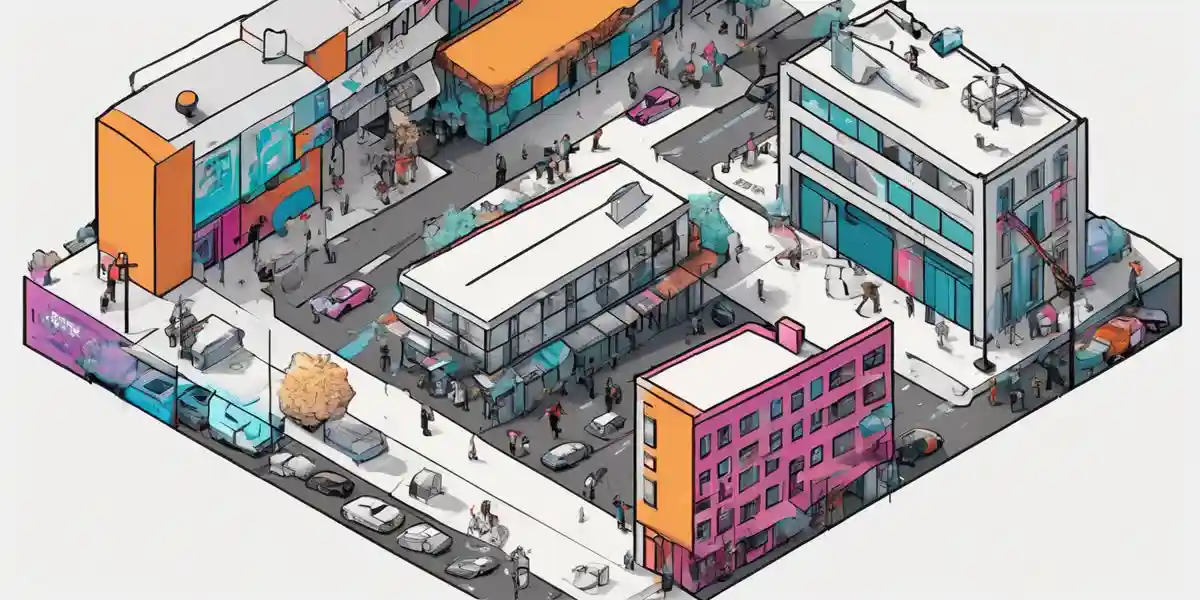
Street art has long been a vibrant expression of culture, often tied to specific urban spaces. Traditionally, its value was rooted in the physical location and the context in which it was created. However, with the advent of Non-Fungible Tokens (NFTs) and blockchain technology, the dynamics of this art form are evolving dramatically. NFTs, which are unique digital assets verified using blockchain (a digital ledger system), provide street artists a way to authenticate, sell, and monetize their work in unprecedented ways. This transition from physical walls to digital wallets is reshaping the perceived value of street art.
One of the key impacts of NFTs on street art is the assurance of provenance, or history of ownership. For street artists, establishing the legitimacy of their work can often be challenging, especially for pieces that exist fleetingly in public spaces. With NFTs, artists can verify the authenticity of their work, creating a clear chain of ownership stored on the blockchain. This is particularly significant for street art, which often lacks traditional sales structures. For example, Kevin McCoy’s creation "Quantum," one of the earliest tokenized artworks, was sold for an astounding USD 1.47 million at a Sotheby’s auction. This sale not only affirms the potential high value of digitally represented art but also showcases how provenance can enhance the economic worth of works that traditionally might not have fetched comparable prices.
Additionally, NFTs can dramatically increase the accessibility of street art for a global audience. Rather than being limited to local appreciation, artists can showcase their work to a worldwide community. This democratization through digital platforms opens up new revenue streams for artists who previously relied on public installations or limited editions of physical prints. By tokenizing their pieces, street artists can sell them as NFTs, enabling collectors from around the globe to purchase, trade, or display this art in virtual galleries. This shift not only broadens the artist's reach but helps build an international market value that recognizes the importance of their creative expressions.
The incorporation of NFTs also opens doors for ongoing revenue opportunities. Artists can embed royalties in their NFTs, allowing them to earn a percentage every time their art is resold in the digital marketplace. This could significantly alter the financial landscape for street artists, who traditionally saw little to no profit after the initial creation of their art. This model underlines a fundamental shift in how street artists can sustain their livelihoods, shifting the narrative from transient public displays to a lasting digital legacy backed by continuous income potential.
In summary, the relationship between NFTs and street art is paving the way for a new discourse concerning value, ownership, and accessibility. As artists bridge their physical creations with the expansive digital realm, the landscape of street art transforms, capturing the essence of urban culture while harnessing the potential of technology to redefine global artistry.
The shift from walls to wallets symbolizes a transformative journey for street art, where urban expressions of creativity are not only celebrated in public spaces but also immortalized in the digital realm. As we discussed, street art plays a crucial role in shaping urban identity, breathing life into neighborhoods and fostering community connections. With the advent of Web3, artists now find themselves with unprecedented opportunities to monetarily benefit from their work, breaking through traditional barriers that once constrained them. The introduction of NFTs not only elevates the status of street art but also creates new avenues for artists to engage with their audiences.
Key takeaways highlight the power of this transformation: First, the digital marketplace enables street artists to retain ownership and earn royalties from their creations, ensuring they are compensated fairly for their work. Second, by merging the physical and the digital, NFTs are redefining the value of street art, giving collectors a unique way to own and trade pieces that were previously ephemeral. Lastly, these innovations encourage a more direct connection between artists and fans, fostering communities in ways that resonate deeply with both urban culture and digital discourse.
The transition from walls to wallets is not merely about profit; it's about respect, recognition, and reimagining how art is shared and valued in modern society. As we embrace this new digital landscape, consider exploring your local street art scene or diving into the NFT market. Engage with artists, purchase digital pieces, or even create your own. Together, we can celebrate and elevate street art, making it an integral part of our cultural fabric in both physical and online worlds. Let’s champion this change and support the vibrant community of street artists turning their creative expressions into valuable digital assets.
Get notified about new articles, coffee tips, and Web3 insights.
This site participates in affiliate programs and may earn a commission when a link is clicked and a purchase is made. The site is not responsible for any issues or troubles related to the products or services purchased through the use of this site.

DO&COFFEE loves coffee and technology, exploring the potential of NFTs and blockchain. Learn more →
DO&COFFEE loves coffee and technology, exploring the potential of NFTs and blockchain. Learn more →