crypto
2025/11/28
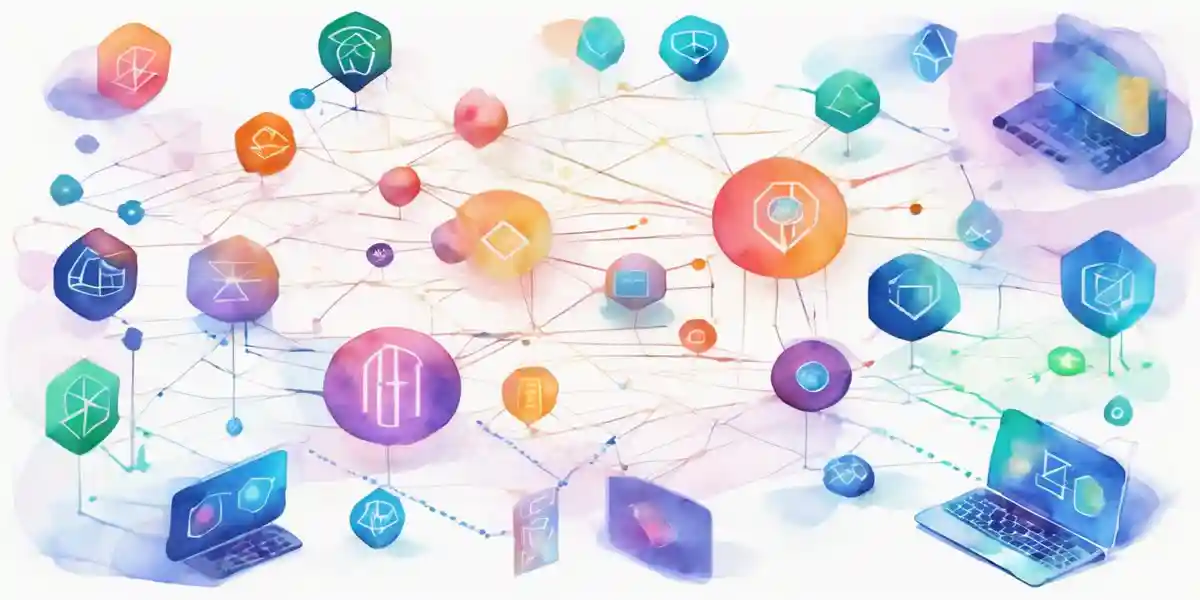
Have you ever wondered how cutting-edge technologies like the Internet of Things (IoT) and blockchain can work together to create a more secure digital landscape? As our world becomes increasingly interconnected, the need for robust security solutions is more pressing than ever. With the rapid evolution of IoT devices and the rise of blockchain technology, we are witnessing an extraordinary revolution in how we protect data, assets, and digital identities.
In this blog post, we will explore the transformative synergy between IoT and blockchain, highlighting how this integration enhances data integrity and security in our digital age. We'll delve into the concept of the Blockchain of Things (BCoT), which aims to establish secure frameworks for protecting and distributing NFTs (Non-Fungible Tokens). Moreover, we will discuss how decentralized protocols empower NFTs, focusing on the vital aspects of privacy and consensus within IoT-blockchain applications. Join us as we connect the dots and uncover the incredible potential that these technologies hold for a more secure and innovative future.
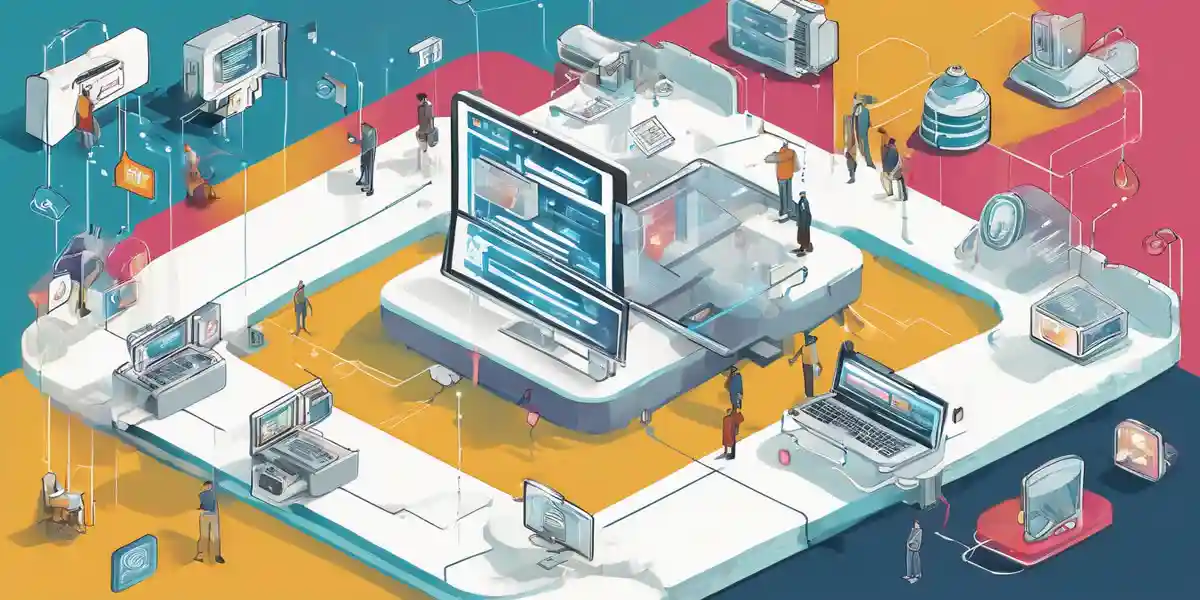
In recent years, the rise of the Internet of Things (IoT) has led to an explosion of interconnected devices, generating vast amounts of data. However, these devices often rely on centralized platforms that can be vulnerable to cyber-attacks and single points of failure. For instance, vulnerable systems may suffer from device spoofing, where an unauthorized device mimics a legitimate one, leading to unreliable data sharing.
To address these security concerns, integrating IoT with blockchain technology provides a promising solution. Blockchain acts as a decentralized digital ledger, ensuring that data captured by IoT devices is secure, tamper-proof, and immutable. According to the research paper titled 'Design and Implementation of an Integrated IoT Blockchain Platform for Sensing Data Integrity,' implementing blockchain can significantly enhance data integrity and security by eliminating the risks associated with centralized systems. By distributing data across a network of computers, or nodes, blockchain reduces the potential attack vectors that hackers can exploit.
Several industries are beginning to adopt this integration to improve their operations. A notable example is the healthcare sector, where IoT devices monitor patient health metrics. By using blockchain, patient data can be securely shared between devices and healthcare providers, ensuring that the information remains unaltered and trustworthy. This is crucial in medical settings, where accurate data can significantly impact patient outcomes.
Additionally, in supply chain management, companies can use IoT devices to track products in real-time. Integrating these devices with blockchain ensures that every transaction recorded reflects the true state of the goods, preventing fraud and ensuring authenticity. This concept is further supported by the paper 'Blockchain technology for security issues and challenges in IoT,' which discusses how this integration enhances privacy and security, thereby bolstering consumer trust in the system.
To optimize the performance of IoT-blockchain systems, researchers are developing advanced consensus protocols tailored for IoT applications. The study titled 'A Hierarchical and Location-Aware Consensus Protocol for IoT-Blockchain Applications' introduces a new protocol designed to address scalability and computational challenges that traditional blockchain protocols face. By enabling local consensus groups based on the location of devices, this approach facilitates faster transaction processing and enhances overall system efficiency.
The implications of these advancements are profound, as improved consensus mechanisms not only boost security but also ensure that IoT devices can function seamlessly within a blockchain framework. This enables organizations to harness real-time data while maintaining robust protection against various security threats.
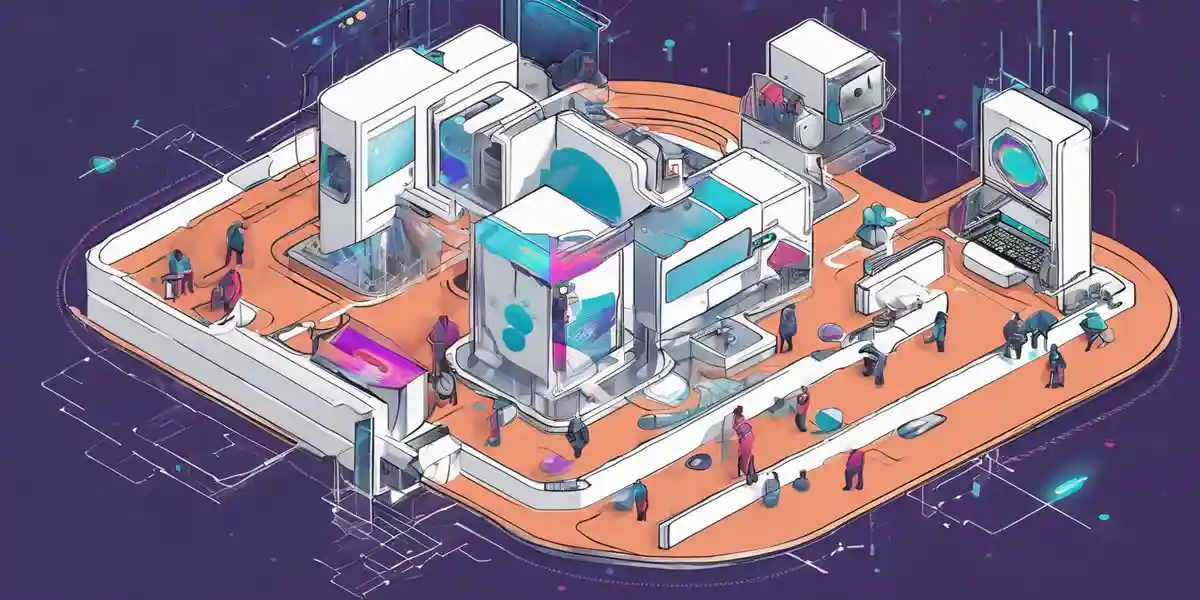
The Blockchain of Things (BCoT) represents a novel integration of blockchain technology with the Internet of Things (IoT). This combination addresses critical security and data integrity issues within the IoT landscape, particularly in managing Non-Fungible Tokens (NFTs). By leveraging the decentralized and immutable characteristics of blockchain, BCoT creates secure frameworks that enhance the protection and distribution of NFTs. In essence, BCoT aims to eliminate vulnerabilities associated with traditional centralized platforms, such as single points of failure and exposure to cyber-attacks.
One of the most significant benefits of the BCoT framework is its ability to secure NFTs throughout their lifecycle. For instance, when a digital asset is tokenized as an NFT, BCoT utilizes blockchain technology to create a transparent ledger that tracks ownership and provenance. This traceability is crucial not only for verifying authenticity but also for preventing unauthorized duplication or loss of digital assets. According to the research paper 'Blockchain technology for security issues and challenges in IoT', integrating blockchain into IoT significantly enhances security and privacy by addressing risks like device spoofing and unreliable data sharing. Thus, when NFTs are distributed through a BCoT model, they benefit from heightened security measures that protect against fraud and theft.
Several existing NFT platforms are beginning to adopt BCoT principles to safeguard their digital auctions and marketplaces. For example, a prominent art NFT platform has implemented an integrated IoT blockchain solution to secure the art pieces listed for sale. Every artwork is linked to an IoT device that verifies its condition and authenticity. This information is recorded on the blockchain, providing potential buyers with critical data that guarantees the artwork's integrity. Not only does this build trust in the purchasing process but also creates a robust protection mechanism against counterfeiting.
Another critical element of BCoT is the facilitation of NFT distribution through smart contracts—self-executing contracts with the terms of the agreement directly written into lines of code. These smart contracts automate the transfer of NFTs only when specific conditions are met, such as payment verification. The study 'Design and Implementation of an Integrated IoT Blockchain Platform for Sensing Data Integrity' highlights how this integration reinforces data integrity, ultimately ensuring that NFTs are distributed securely and in compliance with ownership rules. This minimizes potential disputes and fosters a more efficient market environment for digital assets.
The BCoT framework also addresses scalability challenges that often plague traditional blockchain systems, especially in fast-paced environments like NFT trading. The research paper 'A Hierarchical and Location-Aware Consensus Protocol for IoT-Blockchain Applications' introduces a new consensus protocol designed specifically for IoT environments. This protocol enhances the efficiency of transactions by enabling local consensus among devices, thereby reducing the computational burden on the network. Such scalability improvements are crucial for managing high volumes of NFT transactions, ensuring a seamless experience for users engaged in buying, selling, and trading digital assets.
The convergence of IoT and blockchain through the Blockchain of Things (BCoT) is undeniably shaping the future of NFT protection and distribution. By creating secure frameworks that address vulnerabilities and facilitate efficient transactions, BCoT paves the way for a safer and more trustworthy digital landscape. As the technology continues to evolve, so too will its potential to empower creators and collectors alike in navigating the complexities of the digital asset world.

As the popularity of non-fungible tokens (NFTs) continues to soar, ensuring their security and privacy becomes paramount. NFTs, which represent unique digital assets, often face risks associated with centralized systems, such as susceptibility to hacking and unauthorized access. The integration of Internet of Things (IoT) with blockchain technology can mitigate these challenges, promoting a decentralized approach that empowers NFTs.
Decentralized protocols, underpinned by blockchain technology, play a critical role in enhancing the integrity and security of NFTs. Blockchain operates as a distributed ledger system, meaning that no single entity has control over the entire network. This decentralization eliminates the single points of failure prevalent in traditional platforms. For instance, a study titled "Design and Implementation of an Integrated IoT Blockchain Platform for Sensing Data Integrity" outlines how combining IoT devices with blockchain can ensure the reliability of data associated with NFTs. By leveraging real-time data from IoT sensors that are secured through blockchain, NFT creators can maintain the provenance and authenticity of their digital assets more effectively.
The concerns regarding privacy arise not only from the development stage of NFTs but also during their transactions. Blockchain transactions are typically transparent, potentially exposing individual user identities and transaction histories. This transparency can be a drawback in cases where anonymity is desired. The research paper "Blockchain technology for security issues and challenges in IoT" highlights the necessity to fuse blockchain's capabilities with IoT to enhance security while safeguarding user privacy. Through smart contracts—self-executing contracts with the terms directly written into code—NFT transactions can be recorded in a way that protects user anonymity while still ensuring that all parties adhere to the agreed-upon terms.
For the seamless operation of NFTs and IoT devices within blockchain ecosystems, effective consensus mechanisms are vital. Traditional consensus protocols often struggle with scalability, which can hinder the performance of IoT applications. The "Hierarchical and Location-Aware Consensus Protocol for IoT-Blockchain Applications" presents a solution through a novel consensus approach that enhances scalability and efficiency. This hierarchical model not only streamlines decision-making processes but also improves the speed of transactions—critical factors when validating NFT claims and their ownership across multiple IoT environments.
Several pioneering projects have successfully integrated IoT and blockchain to empower NFTs, enhancing security and privacy. For example, consider a digital art platform where artists authenticate their creations through IoT devices that monitor their work environment. When an artist makes a sale, the data collected can be securely recorded on a blockchain, ensuring authenticity and provenance for buyers. Moreover, privacy is preserved, as buyers' data can be anonymized while still encoding their ownership in a transparent manner.
Another example is in the gaming industry, where in-game assets such as skins or characters are represented as NFTs. Using IoT sensors in gaming consoles or VR headsets can ensure that ownership and interactions within the game are tracked securely. Blockchain can affirm the uniqueness of these digital assets, making it more difficult for counterfeit versions to exist, while allowing players privacy regarding their gameplay data.
In summary, the fusion of IoT and blockchain is unlocking new avenues for NFT empowerment, focusing on decentralized protocols that bolster privacy, ensure data integrity, and adopt innovative consensus mechanisms. This convergence doesn’t just fortify the underlying technology—it transforms how digital assets are created, traded, and valued in the ever-evolving digital landscape.
As we navigate the transformative landscape of technology, it becomes clear that the convergence of IoT and blockchain is not just a trend, but a profound shift that is revolutionizing how we secure data and empower digital assets like NFTs. By integrating IoT with blockchain, we enhance data integrity and security in an age increasingly marked by cyber threats and privacy concerns. The Blockchain of Things (BCoT) creates robust frameworks for NFT protection and distribution, ensuring that ownership and authenticity remain transparent and verifiable. Furthermore, the adoption of decentralized protocols is fostering a new level of privacy and consensus in IoT-blockchain applications, paving the way for a more trustworthy digital ecosystem.
The key takeaways from this exploration underscore a few vital points: 1) the synergy between IoT and blockchain enhances security, 2) BCoT frameworks play a crucial role in safeguarding NFTs, and 3) the importance of privacy and consensus cannot be overstated in this evolving landscape. Together, these elements demonstrate how IoT is reshaping the future of blockchain security while empowering NFTs to flourish in a secure environment.
As we look to the future, we encourage you to stay informed and engage with these technologies. Whether you are an entrepreneur, a developer, or simply a curious reader, consider how you can leverage the intersection of IoT and blockchain in your projects or investments. By connecting the dots between these innovative technologies, we stand on the brink of a new era that promises unprecedented security and endless possibilities for digital ownership.

Get notified about new articles, coffee tips, and Web3 insights.
This site participates in affiliate programs and may earn a commission when a link is clicked and a purchase is made. The site is not responsible for any issues or troubles related to the products or services purchased through the use of this site.

DO&COFFEE loves coffee and technology, exploring the potential of NFTs and blockchain. Learn more →
DO&COFFEE loves coffee and technology, exploring the potential of NFTs and blockchain. Learn more →