art
2025/11/29
What if you could buy a piece of art directly from the creator, knowing that every brushstroke and pixel is securely documented on an unchangeable ledger? Welcome to the world of Web3 and blockchain technology, where the fusion of creativity and technology is reshaping contemporary art in unprecedented ways. As artists and collectors alike dive into this digital revolution, they are discovering new avenues for collaboration, ownership, and value that set the stage for a vibrant future in the art world.
In this article, we will explore how these innovative technologies are revolutionizing the art marketplace through blockchain and NFTs, empowering artists by enhancing their creative ownership and revenue potential, and the factors that will shape the future of sustainable Web3 art creation. Join us as we unlock the doors to a new era of artistry that connects creators and collectors in ways previously thought impossible.
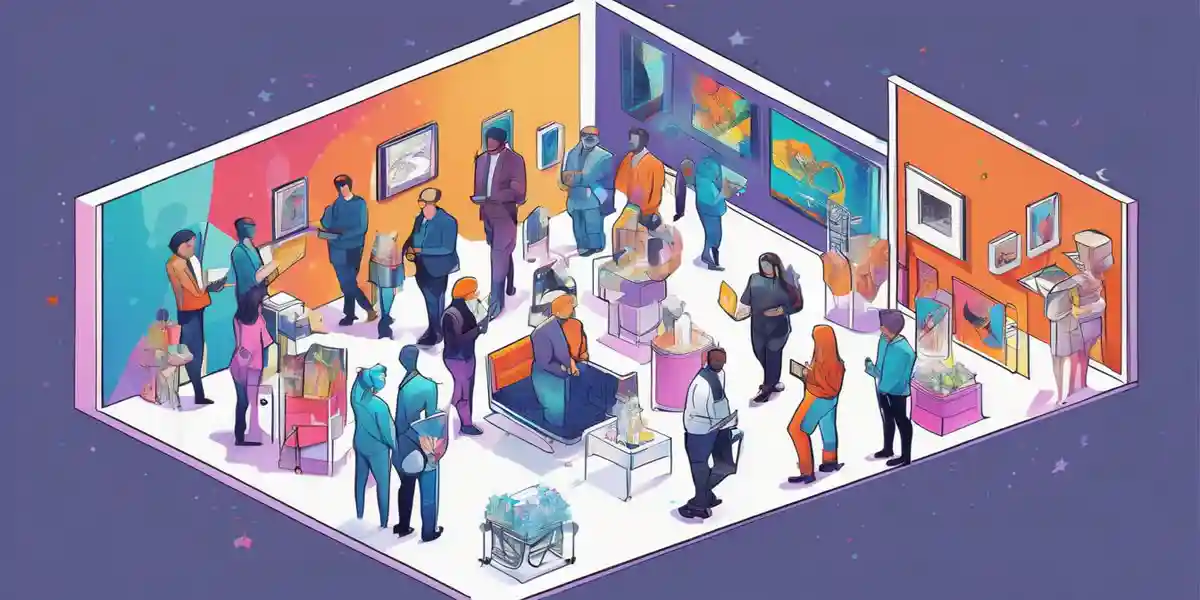
Blockchain technology has introduced a profound shift in how we perceive ownership and authenticity in the art world. At its core, blockchain is a decentralized digital ledger system that records transactions across multiple computers securely and transparently. This means that once a piece of art is tokenized as a non-fungible token (NFT) on the blockchain, its ownership history is permanently documented and easily verifiable. Artists and collectors can track provenance—an essential factor in verifying authenticity and value—without the need for intermediaries, which have traditionally dominated this space.
The introduction of platforms like ArtChain, as discussed in the paper "PLATFORM FOR ART MARKETPLACE UTILIZING BLOCKCHAIN TECHNOLOGY," demonstrates concrete advancements in this ecosystem. ArtChain utilizes blockchain to enhance art forensics, transactions, and documentation processes. By streamlining these crucial components, it offers a higher level of assurance to both artists and buyers. For example, with ArtChain, each transaction is recorded securely, meaning that potential buyers can easily verify an artwork's legitimacy before making a purchase. Such advancements not only promote a more secure marketplace but also cultivate trust among participants, particularly crucial in an industry often plagued by forgery and misrepresentation.
The impact of NFTs on the art marketplace cannot be understated. Since Kevin McCoy's pioneering work "Quantum" was among the first artworks to be tokenized in 2014, the NFT market has exploded. In 2021, McCoy's piece fetched an astounding USD 1.47 million at Sotheby’s, signaling a pivotal moment at the intersection of art and technology. This landmark sale highlighted the significant value that NFTs can bring to artists, establishing a new revenue stream and allowing them to reach a global audience.
Beyond high-value sales, NFTs provide artists with innovative mechanisms for royalties on secondary sales. This means that every time an artwork is resold, the original artist can receive a percentage of that sale, a notable shift from traditional models where artists often see no profit after the initial sale. This capability not only incentivizes creators but also ensures they are compensated fairly for their work over time.
The shift to a blockchain-based art marketplace also democratizes access to art. Traditional galleries and auction houses have often excluded emerging artists and buyers who cannot afford high costs or don’t have established connections. In contrast, decentralized platforms allow a broader range of artists to display and sell their work without the constraints of traditional gatekeeping. This opens up the art world to diverse voices and perspectives, fostering greater creativity and innovation.
In summary, blockchain and NFTs are not just buzzwords in the art community; they represent a foundational shift that allows for greater transparency, security, and accessibility in the art marketplace. As these technologies continue to evolve, they present exciting opportunities for artists and collectors alike, redefining how we create, buy, and sell art in the contemporary landscape.
Web3 technology is redefining how artists engage with their work and the marketplace by granting them unprecedented ownership and control. Unlike traditional art markets, where intermediaries such as galleries and auction houses often dictate the terms of sale and profit sharing, blockchain technology enables artists to retain a larger share of their revenue. Through the use of non-fungible tokens (NFTs), artists can directly sell their digital art to collectors, ensuring that they receive the lion's share of profits without the traditional cuts taken by galleries.
One of the cornerstone features of blockchain is its transparency. Every transaction is recorded on a public ledger, allowing artists and collectors alike to verify the authenticity and provenance of artworks easily. This is particularly beneficial for artists, as it eliminates the risk of forgery and ensures that their work is recognized and attributed to them. The paper titled PLATFORM FOR ART MARKETPLACE UTILIZING BLOCKCHAIN TECHNOLOGY introduces ArtChain, a pioneering platform highlighting this aspect by improving art forensics, transactions, and documentation. Through such platforms, artists can establish their brand as trustworthy creators in a market often marred by uncertainty.
Moreover, Web3 empowers artists to explore innovative ways to generate revenue. Smart contracts, a feature of blockchain technology, allow for automatic payment of royalties every time an artwork is resold. This means that an artist can continue to earn from their work well beyond the initial sale, a concept that was practically unheard of in the traditional art world. For instance, Kevin McCoy’s "Quantum," one of the first artworks to be tokenized on the blockchain, was sold at Sotheby’s for USD 1.47 million in 2021, showcasing the massive potential of digital art sales through NFTs. This innovative approach not only fosters a sustainable income for artists but also rewards them for the enduring value of their creations.
Additionally, the decentralized nature of Web3 enables artists to build and engage with communities directly. Platforms that utilize blockchain technology allow artists to connect with fans and collectors without the need for middlemen, fostering a sense of belonging and loyalty among supporters. By leveraging social media and Web3 tools, artists can create unique experiences, such as exclusive content for NFT holders or virtual events, enhancing their relationship with their audiences and ensuring ongoing financial support.
In summary, the intersection of Web3 and contemporary art not only enhances creative ownership but also revolutionizes revenue generation for artists. By embracing blockchain technology, artists can take control of their work, engage with their communities, and create sustainable income streams, marking a significant shift in how art is created, valued, and sold in today's digital age.
One of the most influential factors in sustainable Web3 art creation is the decentralization of the art market. Traditional art systems often rely on intermediaries like galleries and auction houses, which can limit artists' access to their audiences and revenues. Web3, powered by blockchain technology, changes this dynamic by enabling artists to connect directly with collectors and fans. This shift not only enhances creative ownership but also encourages a more diverse range of artistic voices in the contemporary scene. By eliminating intermediaries, artists can retain a larger share of their earnings, reducing financial stress and allowing them to focus more on their creativity.
One embodiment of this evolution is the ArtChain platform, introduced in the paper titled 'PLATFORM FOR ART MARKETPLACE UTILIZING BLOCKCHAIN TECHNOLOGY.' ArtChain leverages blockchain to improve art forensics, transactions, and documentation. This platform provides artists and collectors with a secure, transparent system for buying, selling, and authenticating artwork. By streamlining these processes, ArtChain increases trust and reduces fraud—issues that have plagued the traditional art market for years. As artists utilize such platforms, their ability to sustainably engage with the market grows, enhancing their creative ecosystems.
Non-fungible tokens (NFTs) represent another significant shift in Web3 art creation. The concept of tokenization, which became mainstream with Kevin McCoy's "Quantum," illustrates how technology can empower artists. When "Quantum" was sold for USD 1.47 million at Sotheby's, it showcased not only the financial potential of NFTs but also their role in redefining art ownership. Artists can now create unique digital assets that come with verifiable ownership, which can drive more innovative and experimental forms of creativity. This capability stimulates new artistic practices, as artists explore the digital landscape with financial security backed by blockchain.
As the conversation around sustainability grows, Web3 platforms are increasingly focused on eco-conscious practices. Many are exploring energy-efficient blockchain protocols, such as proof of stake, to reduce the environmental impact typically associated with digital transactions. This shift towards more sustainable technology resonates with contemporary artists' desires to create works that are not only innovative but also environmentally responsible. By embracing a green approach to digital art, creators can align their work with conscientious values and attract a growing audience that prioritizes sustainability.
In summary, the influential factors in sustainable Web3 art creation—decentralization, innovative platforms, NFTs, and eco-conscious practices—work in tandem to reshape the art landscape. As artists gain greater control over their work and financial futures, they are empowered to explore uncharted creative territories, ultimately unlocking a new era of artistic expression in the digital age.
As we’ve explored throughout this blog post, the intersection of Web3 and blockchain is not just reshaping the art world; it’s fundamentally unlocking new avenues for creativity and expression. By revolutionizing the art marketplace through NFTs and decentralized platforms, artists now have unprecedented opportunities to connect directly with their audience, ensuring that their work is both viewed and valued. The unique ability for creators to claim ownership over their digital art and earn revenue that flows directly to them, without the traditional gatekeepers, empowers artists like never before. Moreover, the emphasis on collaboration and sustainability in Web3 art creation highlights a future where art can flourish in an environmentally conscious way, ensuring that the artistic landscape is as rich and varied as the world itself.
Key takeaways from our exploration reveal that the art market is becoming more accessible to creators and collectors alike, while artists are gaining more control over their work and financial futures. This shift not only enhances individual livelihoods but also invites a more diverse array of voices and perspectives into the cultural conversation. As we stand on the brink of this new frontier, the potential for innovation and expression is boundless.
So, whether you’re an artist seeking new ways to showcase your talent, a collector eager to discover the next big thing, or simply someone fascinated by the evolving world of contemporary art, take the plunge into the possibilities of Web3. Embrace the tools, connect with the community, and most importantly, let your creativity flow in this revolution. Together, we can redefine what art means in the digital age and unlock a future ripe with inspiration and imaginative possibilities.
Get notified about new articles, coffee tips, and Web3 insights.
This site participates in affiliate programs and may earn a commission when a link is clicked and a purchase is made. The site is not responsible for any issues or troubles related to the products or services purchased through the use of this site.
DO&COFFEE loves coffee and technology, exploring the potential of NFTs and blockchain. Learn more →
DO&COFFEE loves coffee and technology, exploring the potential of NFTs and blockchain. Learn more →