coffee
2025/12/02

Have you ever wondered what makes a perfect cup of coffee? Is it the beans, the water, or perhaps the brewing method? In today’s fast-paced world, where technology permeates every aspect of our lives, the quest for that flawless brew has taken an exciting turn. With the advent of the Internet of Things (IoT), coffee lovers and professionals alike are now harnessing innovative tools and techniques to achieve unparalleled precision in their brewing processes.
In this blog post, we will explore the art of crafting the perfect cup of coffee in the IoT era. We'll delve into how smart brewing technologies help baristas achieve consistent roasting quality, the role of artificial intelligence in enhancing coffee tasting through the use of algorithms resembling an artificial Q-Grader, and the significance of blockchain in creating transparent supply chains that elevate coffee quality. Whether you are a casual coffee drinker or a seasoned barista, understanding these advances will not only enhance your coffee experience but also connect you to a larger conversation about quality and craftsmanship in the coffee industry.
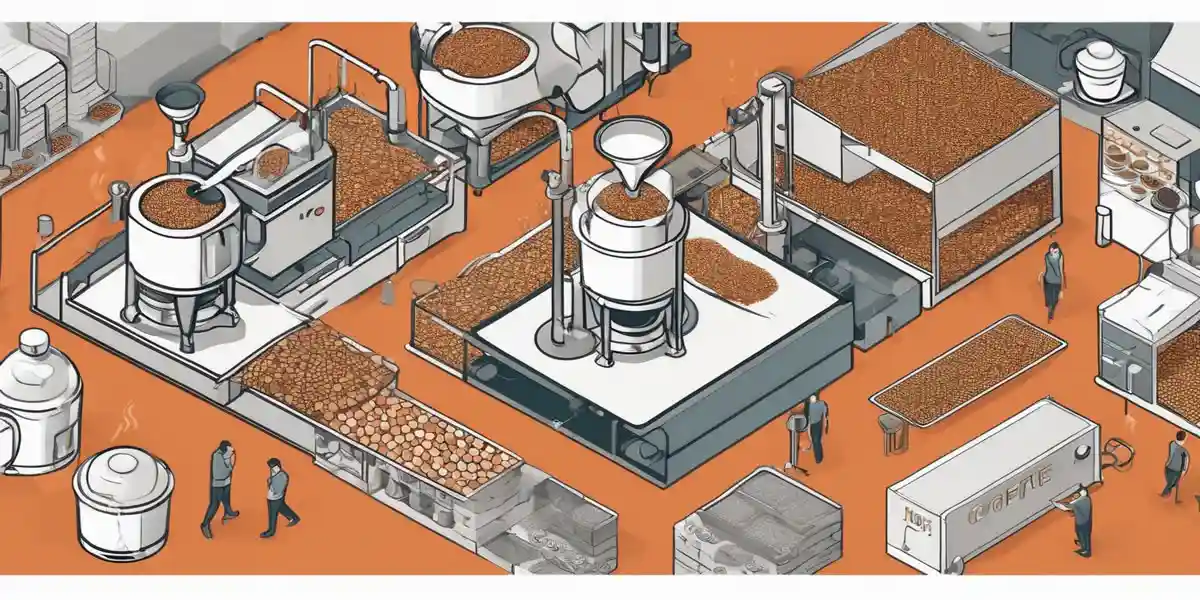
As the Internet of Things (IoT) reshapes various sectors, its influence on coffee roasting stands out as a transformative leap toward precision and consistency. Traditionally, coffee roasting has been an art, largely dependent on the skill and instincts of the roaster. However, the Coffee Roast Intelligence application bridges the gap between subjective craft and objective technology. This innovative tool provides baristas and coffee enthusiasts with a data-driven approach to roasting, allowing for more consistent outcomes despite the inherent variables in the roasting process.
The paper, "Coffee Roast Intelligence," highlights the challenges faced by baristas in maintaining quality due to external and subjective factors that can influence roasting decisions. The authors have developed an application that integrates machine learning with sensory data to refine the roasting process. It assists roasters in tracking and adjusting parameters such as temperature and time—capabilities that are facilitated by IoT connectivity. This technology allows for real-time adjustments and insights, so roasters can achieve the perfect roast, enhancing both flavor and aroma.
One of the standout features of IoT in coffee roasting is the ability to monitor the roasting process in real-time. By employing smart sensors and devices linked to the Coffee Roast Intelligence application, roasters can collect data on various aspects such as moisture content, thermal profiles, and even the volatile compounds released during roasting. For example, if the temperature exceeds an optimal range, the system can provide immediate feedback, prompting the roaster to make necessary adjustments. This level of precision reduces the risk of human error and leads to a more repeatable product.
Several artisan coffee roasteries are already tapping into this technology. For instance, a coffee shop in Seattle adopted the Coffee Roast Intelligence application, leading to a 20% increase in customer satisfaction scores. Their ability to replicate successful roast profiles while adjusting for unique beans resulted in a consistent flavor that kept customers returning for more. Similarly, another roastery in Portland used IoT to monitor their roasting machines remotely. This integration not only improved efficiency but also allowed for experimentation with new blends without sacrificing quality—an essential factor for staying competitive in the specialty coffee market.
As IoT continues to evolve, the implications for coffee roasting are vast. The integration of artificial intelligence (AI) into roasting practices—such as in the development of intelligent sensory systems—further enhances the ability to replicate the nuanced flavors and aromas sought after by coffee aficionados. By employing systems that mimic human taste and smell, roasters will be further empowered to fine-tune their processes, ensuring each cup crafted meets high standards of quality while also embracing innovation.
Ultimately, the fusion of IoT technology with traditional roasting practices not only perfects the art of brewing but also signifies a new era where data meets craftsmanship. This partnership will surely elevate the global coffee experience, allowing both professionals and enthusiasts alike to enjoy coffee that is not just good but exceptional.
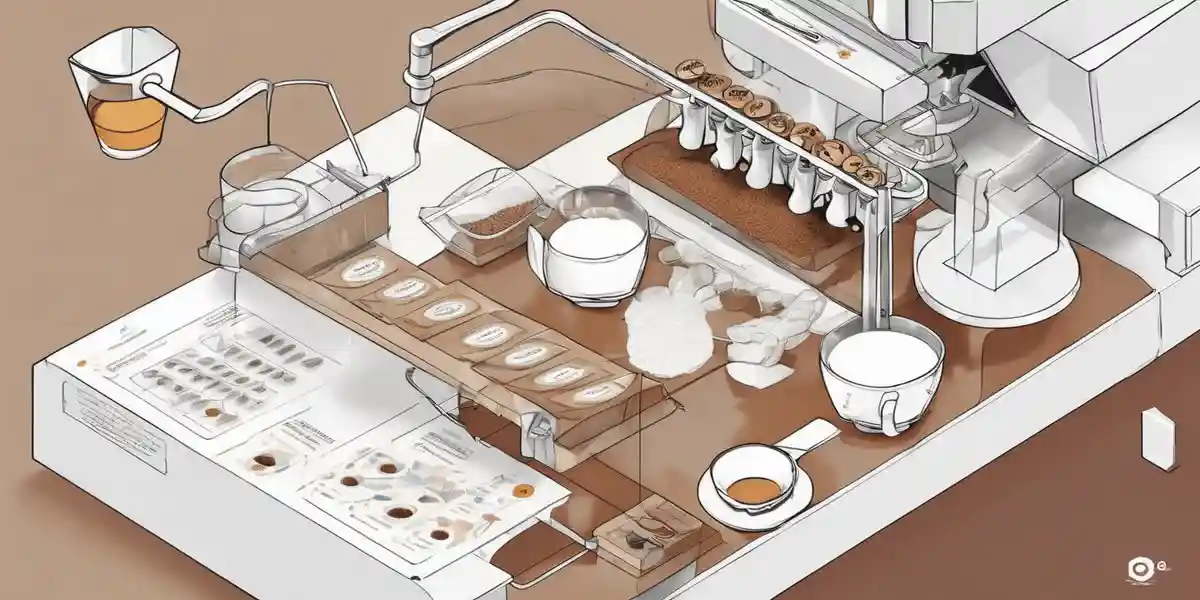
The world of coffee tasting traditionally relies on skilled individuals known as Q-graders who evaluate the quality of coffee through sensory analysis—judging its aroma, flavor, acidity, and body. However, subjective assessments can vary due to numerous external factors, compromising the consistency of coffee quality. Enter the Artificial Q-Grader, a groundbreaking innovation designed to enhance this process. This AI-driven sensor system mimics human smell and taste, using advanced technology to analyze the aromas and flavors of coffee beans with precision. With this technology, baristas and coffee enthusiasts alike can achieve a more consistent and objective evaluation of coffee quality, elevating the coffee tasting experience.
The Artificial Q-Grader leverages advanced machine learning algorithms coupled with a unique sensor setup. This includes a surface-engineered zinc oxide thin film that acts like an artificial nose, capable of detecting a wide range of volatile compounds from coffee beans. By employing such technologies, the system can provide real-time feedback and insights on coffee quality, taking the guesswork out of the brewing process. Imagine being able to receive immediate data on the bouquet of your freshly roasted coffee—this technology empowers baristas with crucial information to adjust their brewing parameters, ensuring the perfect balance of flavors.
For example, a coffee shop that integrates the Artificial Q-Grader into its quality control process can not only ensure a higher standard of coffee but also enhance customer satisfaction. By consistently delivering coffee that meets the specific flavor profiles preferred by its patrons, the shop can cultivate a loyal customer base. Additionally, the Coffee Roast Intelligence application, outlined in the study on Coffee Roast Intelligence, complements the Artificial Q-Grader by allowing baristas to maintain consistent roasting quality through data-driven decision-making. These innovations work together to create a more refined and enjoyable coffee experience, thereby aligning perfectly with the theme of crafting perfection in brewing.
As we dive deeper into the IoT era, the utilization of AI like the Artificial Q-Grader exemplifies how technology is shaping the future of coffee tasting. With tools that enhance precision and decrease subjectivity, coffee aficionados can look forward to a world where every cup is a masterpiece, crafted with an artisan's touch and supported by the intelligence of advanced technology.

Blockchain technology, essentially a digital ledger system, plays a pivotal role in ensuring transparency across coffee supply chains. By recording every transaction and movement of coffee beans from farm to cup, blockchain creates an immutable record that can be verified by all parties involved. This level of transparency is crucial for elevating coffee quality because it allows consumers, producers, and retailers to trace the origin of their coffee, ensuring that the beans are sourced ethically and sustainably.
Transparency facilitated by blockchain can significantly enhance coffee quality in several ways. First, when farmers know that their practices are being monitored, they are more likely to adopt better agricultural techniques. This focus on quality over quantity can lead to superior beans. For instance, using event-based supply chain network modeling, as presented in the research paper *Event-Based Supply Chain Network Modeling: Blockchain for Good Coffee*, demonstrates how certified outputs are ensured through equivalent certification processes. This means that only the highest quality beans are recognized and rewarded in the marketplace, encouraging farmers to prioritize quality cultivation methods.
Consider a case where a coffee producer utilizes blockchain to document their farming practices and post-harvest processing. Their record includes information on the specific varieties of beans planted, their growing conditions, and the methods used during harvest and processing. By sharing this information with buyers, they can command higher prices for their premium beans. Furthermore, consumers can scan a QR code on the coffee packaging that provides all relevant data, enhancing their trust in the product they purchase. This technology not only elevates the perceived quality of the coffee but also connects consumers more deeply with the origins of their beans, creating a stronger market for ethically sourced coffee.
Another example can be seen in collaborative initiatives between farmers and tech companies that integrate IoT devices with blockchain. These devices can monitor soil health, moisture levels, and even weather conditions, all of which impact the quality of coffee. When combined with a blockchain system, this real-time data can be used to provide feedback loops that alert farmers when conditions are optimal for harvesting or when interventions are needed, ensuring that only the best quality beans make it to market.
As the coffee industry evolves in the IoT era, the integration of blockchain will likely become standard practice in ensuring transparency and quality. The potential for artificial intelligence to further enhance the monitoring of coffee quality is also remarkable. For instance, the study *Artificial Q-Grader: Machine Learning-Enabled Intelligent Olfactory and Gustatory Sensing System* presents AI-driven sensors that can mimic human taste and smell, allowing for precise quality assessments during the supply chain process. Such innovations coupled with blockchain could set new standards for quality assurance in coffee production.
In summary, the convergence of blockchain technology and IoT not only elevates the quality of coffee but also enriches the entire brewing experience. By creating transparent supply chains, we empower everyone, from farmers to consumers, to participate actively in this journey toward crafting the perfect cup of coffee.
In the IoT era, crafting the perfect cup of coffee has evolved into a symphony of technology and artistry. By leveraging smart brewing techniques, we can achieve unprecedented precision in coffee roasting, ensuring that each bean is treated with the care it deserves. The introduction of AI, specifically through tools like the Artificial Q-Grader, enhances our tasting experiences, allowing us to discover subtle flavor notes that might have gone unnoticed. Meanwhile, blockchain technology ensures that our coffee's journey from farm to cup is transparent, promoting quality and ethical sourcing along the way.
As we've seen, the perfect brew is no longer solely dependent on the coffee itself but also on the innovative tools and technologies that empower us to enjoy it to its fullest. Embrace these advancements—consider investing in IoT-enabled coffee makers, explore AI-driven tasting guides, and choose brands that prioritize transparent supply chains. By actively engaging with these new possibilities, you too can delve deeper into the art of brewing and savor each cup as a masterpiece crafted through a harmonious blend of tradition and technology.
So as you navigate your coffee journey, remember that the blend of science and art in the IoT era not only elevates your morning routine but also transforms how we appreciate coffee. Ready to craft your perfect brew? Let the exploration begin!

Get notified about new articles, coffee tips, and Web3 insights.
This site participates in affiliate programs and may earn a commission when a link is clicked and a purchase is made. The site is not responsible for any issues or troubles related to the products or services purchased through the use of this site.
DO&COFFEE loves coffee and technology, exploring the potential of NFTs and blockchain. Learn more →
DO&COFFEE loves coffee and technology, exploring the potential of NFTs and blockchain. Learn more →