coffee
2025/12/01
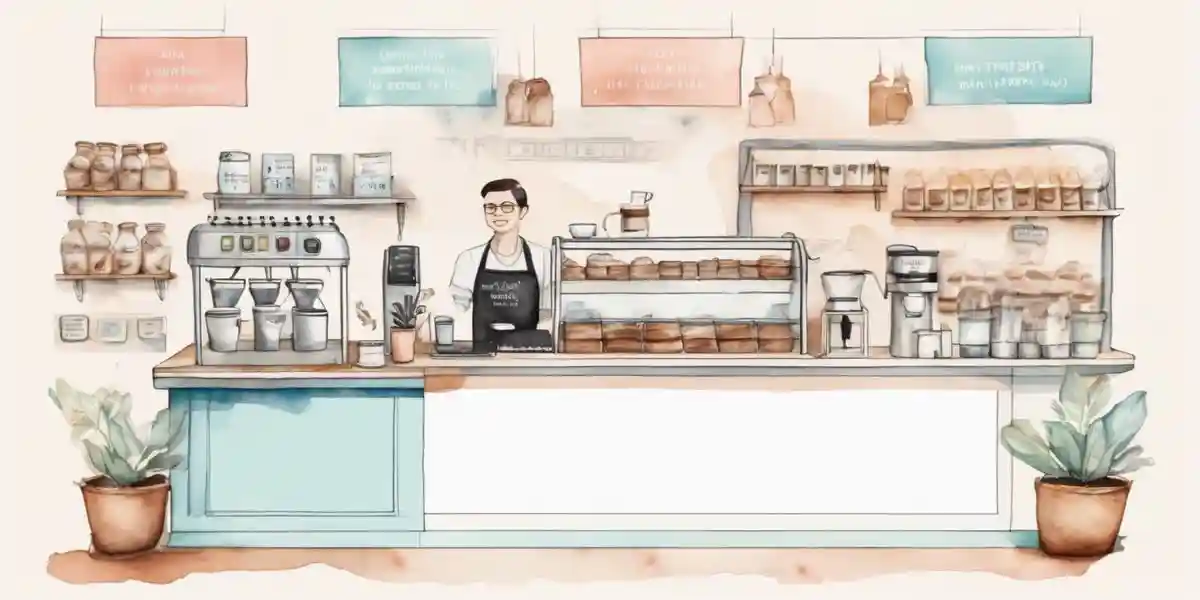
Have you ever wondered how a simple cup of coffee can transform from a morning ritual into an interactive experience shaped by technology? In today's fast-paced world, the intersection of digital transformation and traditional barista skills is creating a new era for cafe culture. As consumer expectations rise and technology evolves, the way coffee is brewed, served, and enjoyed is changing dramatically.
In this article, we’ll explore three key areas of this evolution: how cutting-edge technology enhances barista skills and flavor profiles, the ongoing debate between human baristas and automated solutions in crafting the perfect cup, and the future of cafe culture where technology and personal connection work hand-in-hand. Join us on this journey from beans to bytes, as we uncover how the fusion of tradition and innovation is reshaping our coffee experiences.
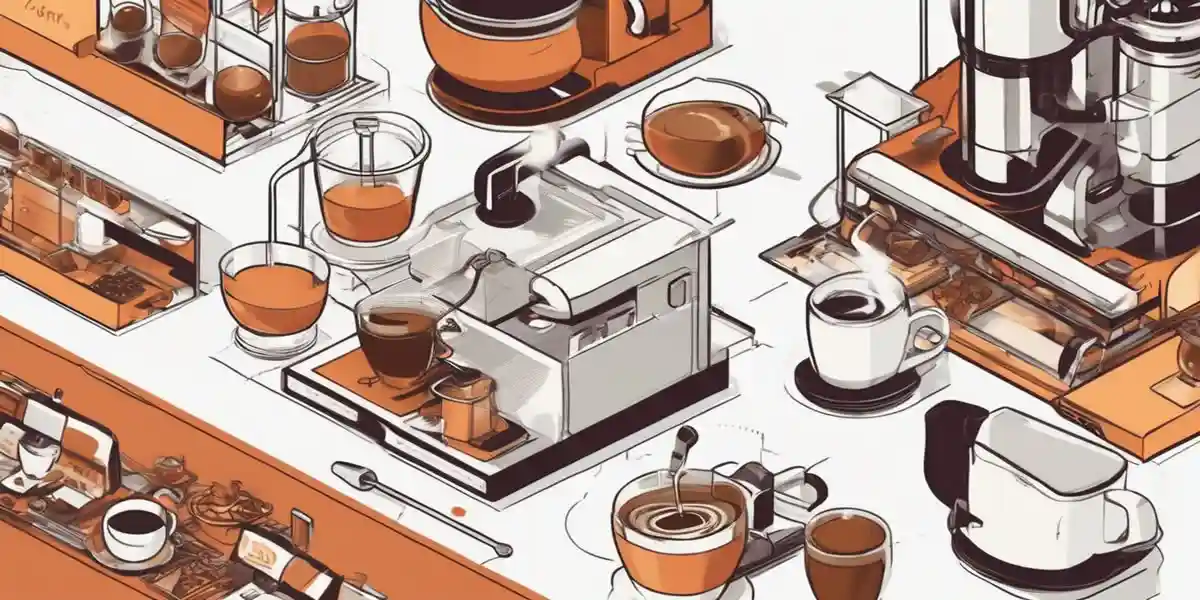
In the world of coffee, flavor profiles are essential for crafting the perfect cup. Traditionally, this process has relied on the barista's intuition, experience, and sensory skills. However, with the advent of technology, baristas are gaining access to sophisticated tools that enhance their ability to evaluate and produce consistent flavors. One such tool is the Coffee Roast Intelligence application, which addresses the subjective nature of coffee roasting. As the demand for high-quality roasted coffee beans grows, this application aids baristas in maintaining roasting quality by providing objective data. This shift from subjective judgment to data-driven decisions not only enhances the skill set of baristas but also ensures customers receive a more consistent product every time.
The application of analytic technology isn't restricted to roasting alone. Baristas are leveraging advances in gas chromatography-mass spectrometry (GC-MS) to analyze volatile compounds in coffee. Research shows that the flavor profile of coffee brewed by robots differs significantly from that brewed by human baristas. This study revealed that robot-brewed coffee exhibited less variability in volatile compounds, leading to more consistent flavor experiences. As baristas embrace these analytical tools, they become more capable of understanding the nuances in flavor, allowing them to refine their techniques and create blends that cater to specific customer preferences.
In addition to enhancing technical skills, technology also influences how baristas connect with customers. The integration of automated brewing systems has raised questions about consumer acceptance. While some coffee enthusiasts embrace the precision of robots, others are hesitant due to fears of losing the personal touch associated with a human barista. The emotional response of consumers plays a significant role in their perception of coffee quality. Baristas can now use this knowledge to refine their customer interactions, blending traditional skills with technological advancements to create memorable experiences that keep patrons returning.
Overall, the digital transformation in coffee culture is equipping baristas with advanced tools and knowledge to enhance their craft. Through technology, baristas can better understand and manipulate flavor profiles, contributing to a richer coffee culture that values both innovation and tradition.
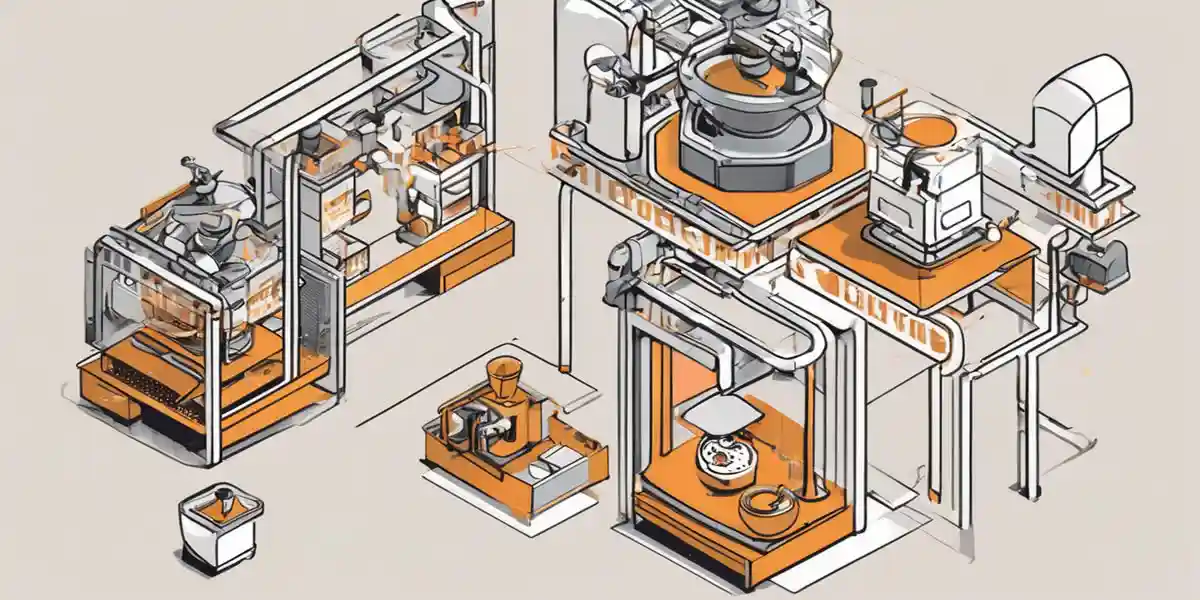
As cafes embrace digital transformation, the integration of automated systems and robotics in coffee brewing presents both challenges and opportunities. Coffee lovers today encounter a fascinating juxtaposition between artisanal methods and technological advancements. With robots capable of brewing coffee with precision and speed, the question arises: how do consumers perceive these machines compared to their human counterparts? This discussion extends beyond mere preference; it taps into deeper sensory experiences that shape our understanding of coffee culture.
Consumer acceptance of robotic baristas varies significantly across different demographics and coffee cultures. Younger customers, who are often more tech-savvy, tend to respond positively to automation in cafes. Studies indicate that these individuals appreciate the novelty and consistency that robots provide. They find the concept of a machine serving coffee intriguing and often associate it with a modern café experience that reflects innovation and efficiency.
Conversely, older generations may exhibit resistance due to emotional attachments to traditional baristas and the human touch they bring to the coffee-making process. For many, the act of conversing with a barista, learning about the coffee's origins, and observing the brewing process contributes to a richer sensory experience. This connection to human craftsmanship cannot easily be replicated by machines, which can impact customer loyalty and satisfaction in cafes featuring both human and robotic staff.
When examining the sensory experiences associated with coffee, it becomes clear that the human touch plays a crucial role. The aroma of freshly brewed coffee, the sound of beans being ground, and the visual artistry in latte art collectively contribute to the overall enjoyment of the beverage. While robots can replicate these processes, they often lack the nuanced understanding of sensory elements that a skilled barista possesses. Baristas engage with ingredients, adjusting brewing methods on the fly based on their sensory judgments, which can enhance or alter the final taste.
For instance, a barista might choose a specific brew time or water temperature based on their sensory evaluation of the coffee's freshness and flavor notes. This human intuition is something that robots currently struggle to emulate. Although technology can achieve consistency, the subtle variations that arise from human interaction often create a more complex flavor profile that many consumers cherish. Thus, cafes that succeed in blending technology with the personal touch of skilled baristas may offer a more compelling experience that amplifies consumer satisfaction.
The future of cafe culture appears to hinge on balancing robotic efficiency with human artistry. As digital transformation progresses, cafes might leverage technology to enhance the barista's role rather than replace it. For example, automated systems can handle repetitive tasks, such as grinding coffee or steaming milk, allowing baristas to focus on crafting unique drinks and interacting with customers.
In doing so, the café experience can evolve to include the best of both worlds—automation ensuring consistency and speed, while the human element drives creativity and connection. This hybrid model not only meets consumer demand for efficiency but also preserves the essential sensory pleasures of coffee culture. As automation becomes more prevalent, the ability to adapt and integrate technology within the traditional framework of coffee crafting will define the future of barista skills and café experiences.
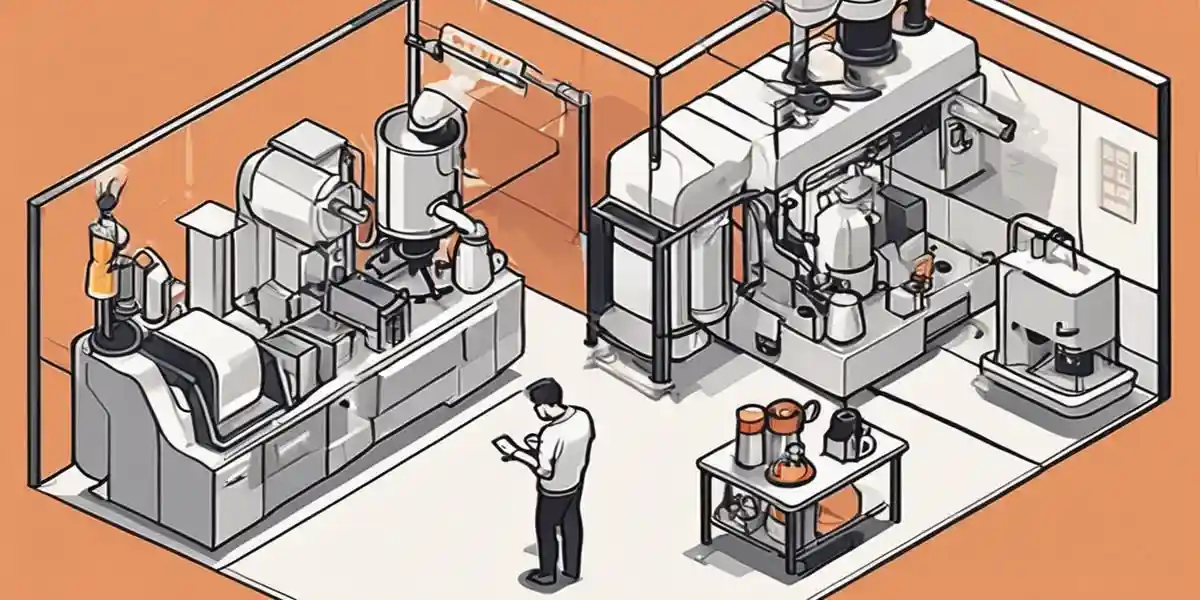
As digital transformation sweeps through the coffee industry, the skills required of baristas are evolving. Baristas today must not only master the art of coffee preparation but also become proficient in using technology that enhances the brewing process. For instance, the research paper on Coffee Roast Intelligence highlights how an application was developed to help baristas maintain consistent roasting quality. This tool assists them in making objective decisions in an area where subjective judgment often leads to variability. By integrating technology, baristas can focus more on creating unique coffee experiences while relying on data-driven tools to ensure quality.
While automation is becoming a staple in many coffee shops, it is crucial to balance technological advancements with the importance of human connection. A study titled "Robot versus human barista: Comparison of volatile compounds and consumers’ acceptance, sensory profile, and emotional response of brewed coffee" sheds light on how consumers perceive robot baristas. The research indicates that while robot-brewed coffee showed less variability in flavor profiles, there is still a segment of consumers who value the human touch in coffee preparation. This suggests that coffee shops can benefit from a hybrid model where technology and human interaction coexist. For example, employing robot baristas for efficiency in busy hours allows human baristas to engage with customers, offering personalized recommendations and enhancing the overall experience.
The integration of technology into cafe culture also extends to the physical layout and design of coffee shops. Many cafes are now incorporating digital interfaces such as touch-screen ordering systems or mobile app integrations that streamline the ordering process. This not only speeds up service but encourages baristas to spend more time fostering relationships with customers. The emphasis on customer experience is reinforced in cafes that skillfully blend technology with a warm atmosphere — think cozy spaces with digital menus displayed alongside artisan decor. For instance, some cafes are experimenting with augmented reality (AR) experiences that allow customers to explore coffee origins or brewing techniques through their smartphones, creating an interactive learning environment. This fosters a sense of community and connection, showing that even in a digitally driven world, the human aspect remains vital.
The future of cafe culture will likely hinge on the successful integration of technology without sacrificing the essential human elements that define coffee culture. Baristas must evolve to become not just technicians but also storytellers and community builders who engage with consumers on a personal level. By embracing digital tools while cultivating genuine connections, coffee shops can create a unique atmosphere that celebrates both the craft of coffee-making and the joy of shared experiences. As we move forward, the challenge will be to find that sweet spot where technology enhances rather than replaces the artistry of barista skills and the warmth of human interaction.
The journey from beans to bytes is not just a technological leap; it is a profound transformation of the barista craft and cafe culture. As we've explored, advancements in technology are enhancing barista skills by providing tools that refine flavor profiles and streamline the brewing process. This fusion of tradition and innovation allows baristas to focus more on creativity and customer connection while leveraging digital guidance for consistent quality.
Moreover, the discussion on the role of robots in cafes highlights an interesting balance between automation and human expertise. While consumers appreciate the efficiency that technology brings, the sensory experience tied to human interaction remains irreplaceable. Coffee enthusiasts crave the stories behind their brews, a connection that technology can support but not supplant. Understanding this balance is crucial for future cafe models, which aim to integrate both technological advancements and the warmth of human interaction.
As we look ahead, it’s clear that digital transformation is reshaping how cafes operate and how skills are developed. The key takeaways from our exploration are: technology can enhance barista training and skills, customers value the human aspect of coffee culture even amidst automation, and the best future cafes will blend these two worlds artistically and thoughtfully.
For those passionate about coffee, whether you’re a barista or a café owner, embracing these changes is essential. Engage with new technologies, foster connections with customers, and never lose sight of the artistry behind each cup. Together, we can navigate this exciting evolution in cafe culture—one sip at a time.
Get notified about new articles, coffee tips, and Web3 insights.
This site participates in affiliate programs and may earn a commission when a link is clicked and a purchase is made. The site is not responsible for any issues or troubles related to the products or services purchased through the use of this site.

DO&COFFEE loves coffee and technology, exploring the potential of NFTs and blockchain. Learn more →
DO&COFFEE loves coffee and technology, exploring the potential of NFTs and blockchain. Learn more →