coffee
2024/08/07
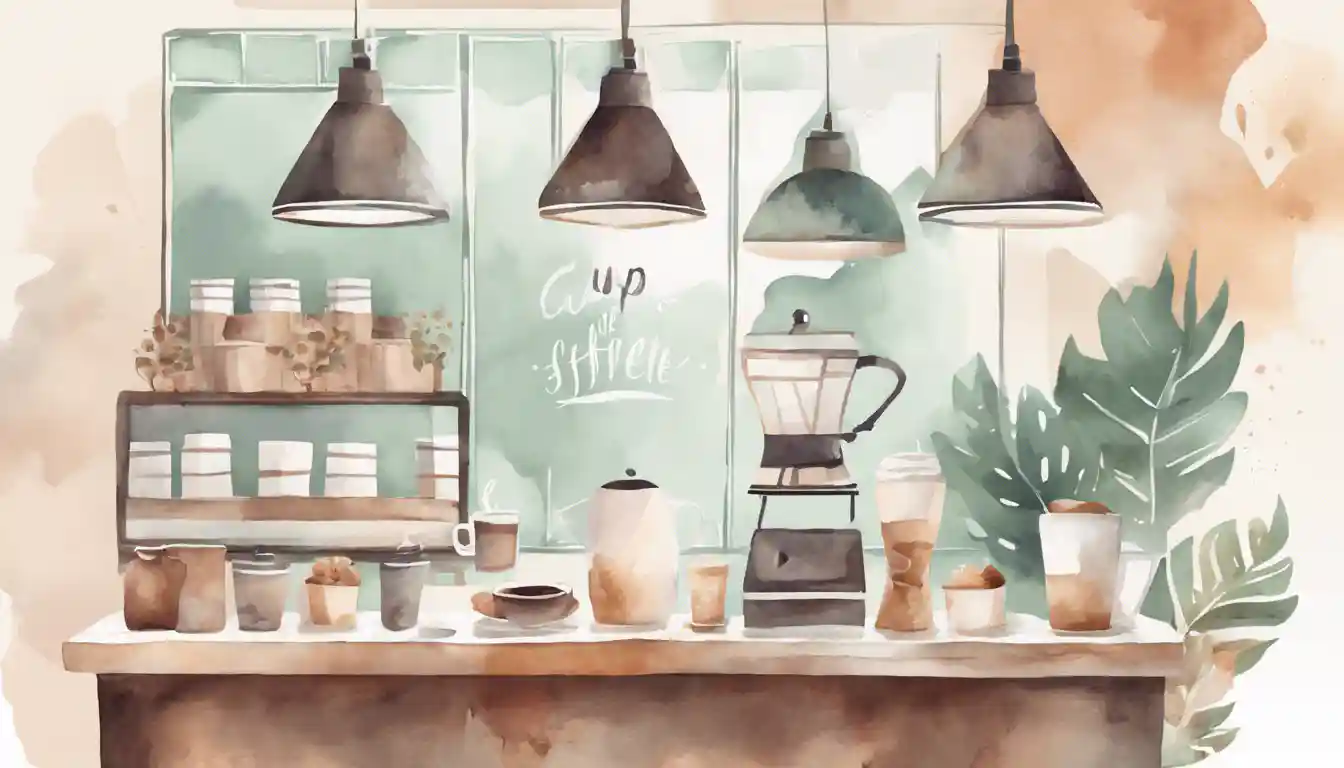
In a world where urban spaces are often dominated by concrete and chaos, the coffee shop emerges as a sanctuary—a place where design and functionality can inspire creativity and exploration. "Thoughtful coffee shop design" refers to the intentional crafting of a café's environment to enhance customer experience and foster community interaction.
This encompasses everything from spatial layout and lighting to the integration of technology and local culture. In essence, it's about creating a space that not only serves coffee but also serves as a catalyst for connections and creativity.
The importance of this topic cannot be overstated. For example, the Wangchuan Cafe in Zhuhai, China, has transformed from a simple coffee stop into a cultural hub, illustrating how well-designed spaces can shift from mere consumption to vibrant social interactions. In Montenegro, Colombia, the Coffee Cultural Landscape has revitalized rural tourism by emphasizing ecological and cultural values, demonstrating how thoughtful design can attract visitors and enhance local identities.
This blog post will explore the interconnected themes of coffee shop design, inspiration, and urban adventure. We'll delve into how thoughtful design can enhance the customer experience, foster community engagement, and promote cultural tourism. This exploration will be supported by empirical evidence, such as the finding that spaces transformed for cultural tourism can see up to a 30% increase in visitor numbers. By examining these aspects, we aim to highlight the role coffee shops play not just as businesses, but as integral parts of the urban fabric that inspire adventure and connection.
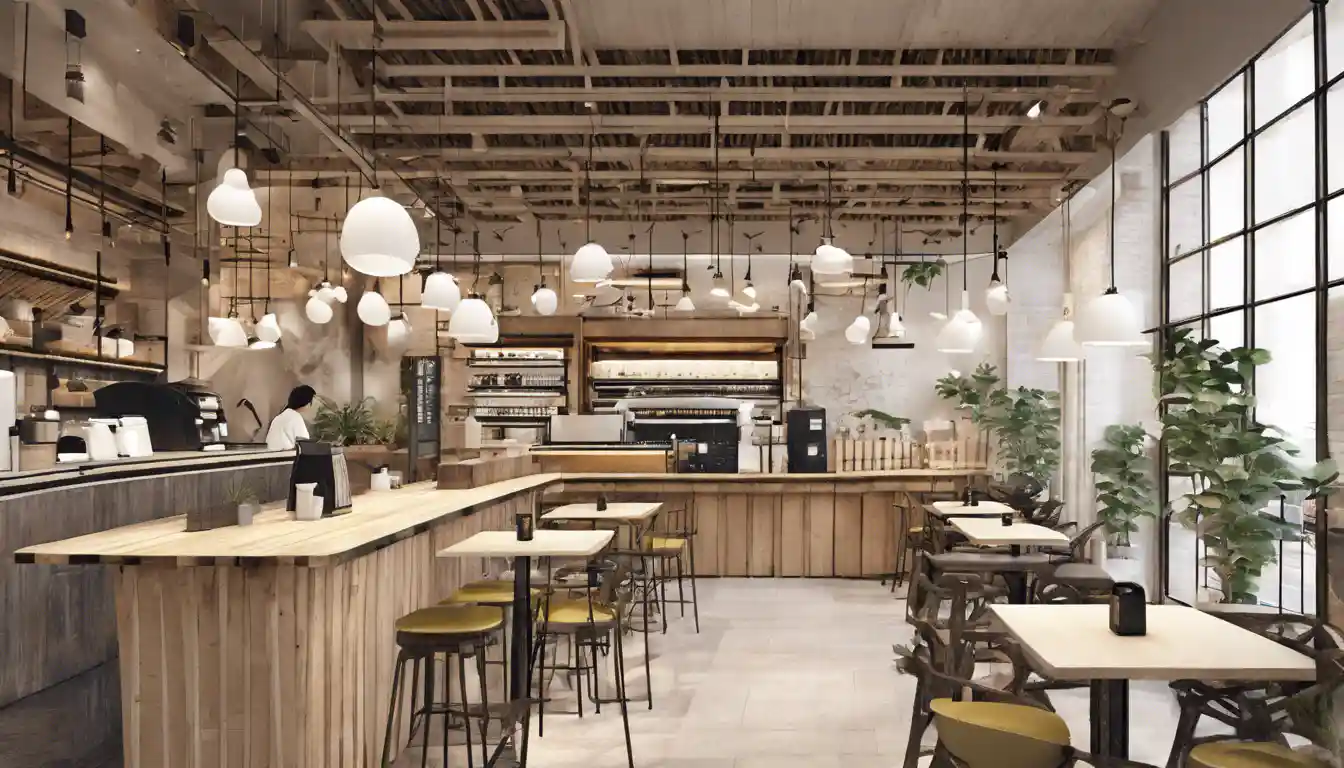
Thoughtful coffee shop design is an intentional amalgamation of aesthetics, functionality, and community engagement. It goes beyond mere decor; it creates an experience that resonates with patrons. This design approach can be dissected into several technical aspects:
The significance of thoughtful coffee shop design is underscored by its impact on customer experience and business success. A prime example is the Wangchuan Cafe in Zhuhai, China, where owners serve as planners, transforming the café into a cultural hub. Here, the aesthetics and functionality shift from mere consumption spaces to places of social interaction and community building, reflecting the principles of Henri Lefebvre's production of space.
Another compelling case is the Coffee Cultural Landscape in Montenegro, Colombia, which has spurred local tourism by emphasizing ecological and cultural values. The transformation of public spaces into attractive, community-oriented environments illustrates the broader implications of thoughtful design in enhancing urban-rural relations.
Here are three actionable tips to implement immediately:
Integrating technology into coffee shop design can take many forms. For instance, implementing a blockchain-based loyalty system allows customers to earn tokens that can be exchanged for rewards. This not only enhances customer retention but also provides valuable data on consumer preferences and behaviors. Moreover, utilizing augmented reality (AR) for menu displays can create an interactive dining experience, bridging the gap between physical and digital engagement.
Research from the cultural landscape studies demonstrates that thoughtful design can significantly enhance urban and rural interactions, turning spaces into cultural landmarks and boosting local economies. A study noted that spaces transformed for cultural tourism saw up to a 30% increase in visitor numbers.
Furthermore, Lefebvre’s theories on spatial production highlight the importance of designing spaces that reflect community values and experiences, reinforcing the notion that coffee shops can act as catalysts for urban adventure and social connection.
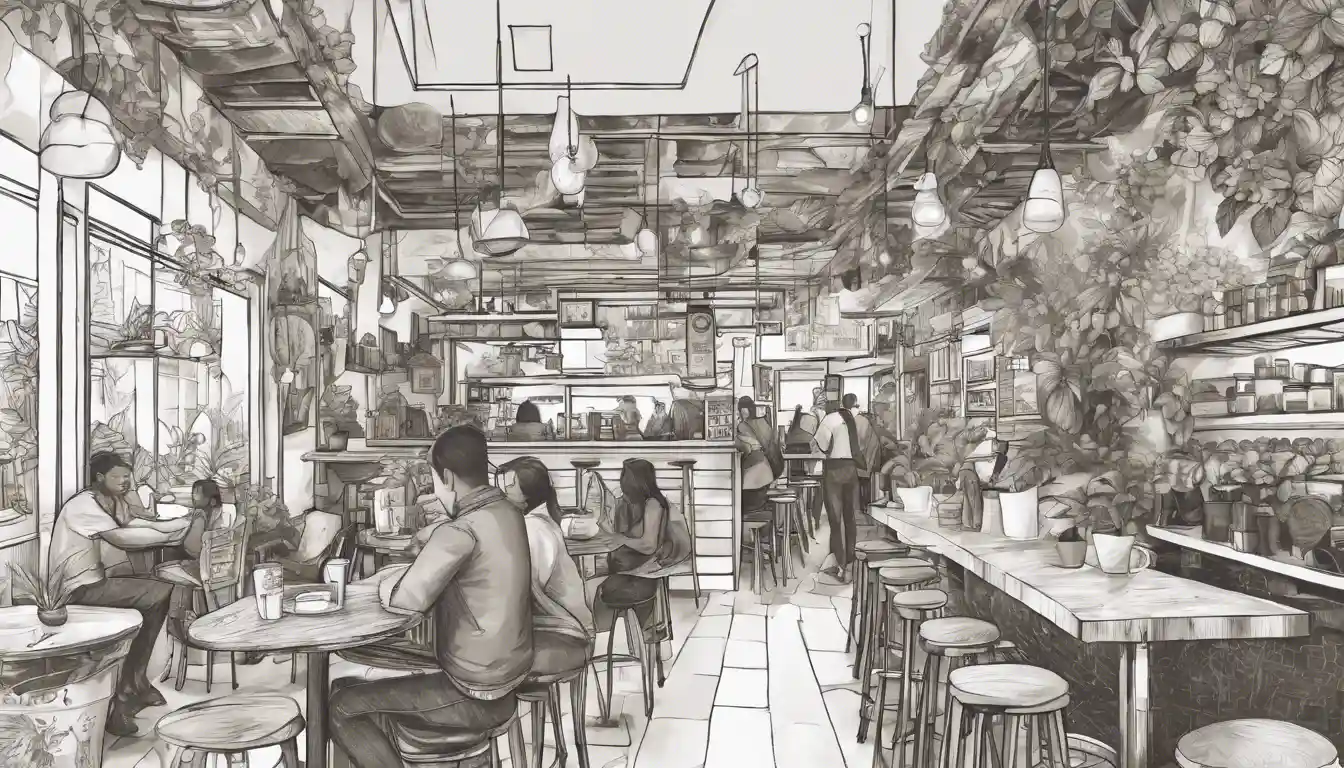
Inspiration is a multifaceted concept that ignites creativity and motivates action. At its core, inspiration can be understood as the process of being mentally stimulated to do or feel something, especially to do something creative. In technical terms, inspiration often involves the interplay between cognitive processes, emotional responses, and environmental cues.
For instance, studies suggest that certain environments, like coffee shops, can trigger specific cognitive functions that enhance creativity, problem-solving, and social interaction. This is especially relevant in the context of spatial theory, which posits that the physical space we inhabit can influence our thoughts and behaviors (Lefebvre's spatial triangle theory).
The significance of inspiration cannot be overstated, particularly in urban environments where public spaces are often designed to foster community interaction and creativity. For example, the transformation of the coffee culture in Montenegro, Colombia, has turned coffee shops into cultural landmarks that attract tourists while emphasizing ecological sustainability.
This transformation signifies the shift from mere consumption to an experiential economy, where spaces function as cultural hubs. According to a study focusing on the cultural landscape of coffee in Colombia, the recognition of such spaces has led to a measurable increase in tourism, highlighting the profound impact of well-designed environments on community engagement and economic development.
Inspiration in the context of advanced technologies like Web3 and blockchain can lead to innovative approaches in community engagement and resource sharing. For instance, decentralized platforms enable users to create and share content in ways that were previously unattainable.
This democratization of inspiration allows for a broader range of voices and ideas to emerge, fostering a more inclusive creative environment. Additionally, leveraging data from user interactions can help optimize physical spaces—like coffee shops—by tailoring them to better meet the needs of their clientele, thus enhancing the overall experience.
According to a study examining the micro-politics of urban spaces in Zhuhai, China, café owners play a critical role in shaping social spaces that shift from historical significance to entrepreneurial ideals. This observation underscores the power of design in influencing urban adventure (source: Urban Studies Research, 2021).
Moreover, the recognition of the Coffee Cultural Landscape in Colombia has not only bolstered tourism but has also showcased the potential of integrating ecological and cultural values into urban planning (source: Journal of Cultural Heritage Management and Sustainable Development, 2022).
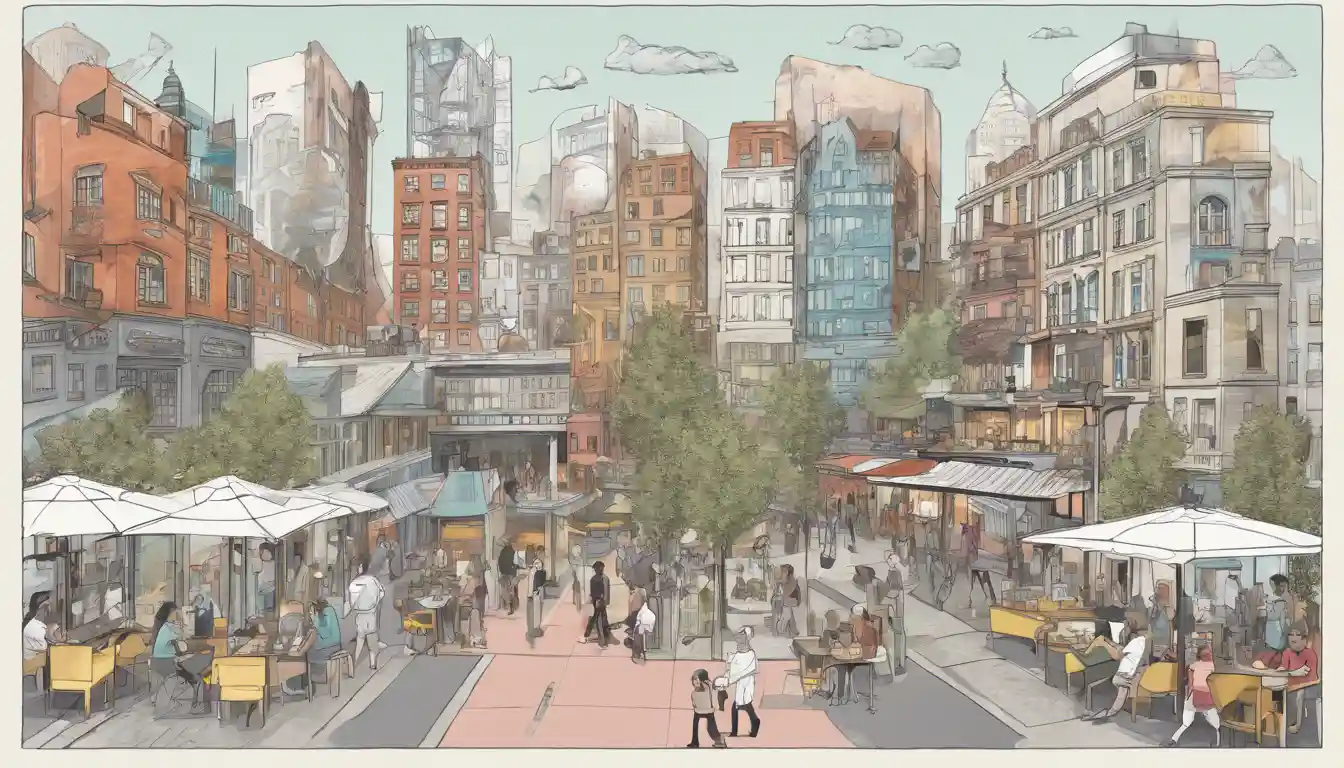
City Adventure refers to the exploration and engagement with urban environments, turning everyday city life into a series of enriching experiences. This concept encompasses not just the act of wandering through city streets but also the interaction with public spaces, cafes, and cultural landmarks that transform the urban landscape into an adventure.
On a technical level, City Adventure can be supported by technology such as augmented reality (AR) applications, which overlay digital information onto the physical environment, enhancing the exploration experience. For example, an AR app might provide historical facts about a building as a user approaches it, or suggest nearby cafes based on user preferences.
The importance of City Adventure lies in its ability to foster community engagement and promote cultural tourism. Consider the case of the Wangchuan Cafe in Zhuhai, China, where the cafe owner acts as a planner, creating a space that blends historical significance with modern commercial interests. This transformation illustrates how a cafe can serve as a cultural hub, making it a focal point for both tourists and locals, thus emphasizing the role of urban spaces in cultural exchange and social interaction.
Another example is the Coffee Cultural Landscape in Montenegro, Colombia, which has spurred urban-rural transformations. The Parque del Café has redefined public spaces and created a unique cultural identity that attracts tourists while preserving local heritage. Such examples highlight how thoughtful urban design can enhance the city's appeal, driving economic growth through tourism and local business support.
As cities evolve, the integration of advanced technologies, such as Web3 and smart city frameworks, can further enhance the City Adventure experience. For instance, blockchain technology could be used to create a decentralized platform for sharing local experiences and recommendations. This would allow users to contribute and access real-time information about events or popular cafes, fostering a community-driven approach to urban exploration.
According to research conducted on urban spaces, the implementation of sustainable tourism routes can significantly improve access to local attractions, enhancing the overall user experience (Cerrone et al.). Furthermore, studies indicate that urban spaces designed with community input not only foster engagement but also drive economic benefits through increased foot traffic in local businesses.
In this exploration of how thoughtful coffee shop design contributes to urban adventure, we delved into several key aspects. First, we examined the importance of spatial layout, natural lighting, sustainable materials, and tech integration in creating an inviting atmosphere that enhances customer experiences.
Notably, examples like the Wangchuan Cafe in Zhuhai and the Coffee Cultural Landscape in Colombia showcase how these designs foster community engagement and cultural tourism, transforming cafes from mere consumption spaces into vibrant cultural hubs.
Looking ahead, the implications of these design principles are vast. As urban areas continue to evolve, the integration of innovative technologies such as augmented reality and blockchain could further enhance the café experience, making these spaces more interactive and community-oriented.
The potential for leveraging these advancements to foster sustainability and cultural pride is immense, positioning coffee shops as pivotal players in urban development.
As you reflect on your own experiences, consider the role that coffee shops play in your urban adventures. Are they simply places to grab a quick caffeine fix, or can they be transformed into spaces that inspire creativity and community? Engage with your local café, support their design efforts, and perhaps even share your thoughts on what makes a space truly inviting. After all, the next cup of coffee may just spark your next great idea.
- The transformation of the urban-rural landscape in the municipality of Montenegro, Quindío
- The transformation of the urban-rural landscape in the municipality of Montenegro, Quindio
Get notified about new articles, coffee tips, and Web3 insights.
This site participates in affiliate programs and may earn a commission when a link is clicked and a purchase is made. The site is not responsible for any issues or troubles related to the products or services purchased through the use of this site.

DO&COFFEE loves coffee and technology, exploring the potential of NFTs and blockchain. Learn more →
DO&COFFEE loves coffee and technology, exploring the potential of NFTs and blockchain. Learn more →