technology
2024/08/07

This article contains affiliate links. We may earn a small commission at no extra cost to you. Learn more
In the rapidly evolving landscape of the digital age, cryptocurrency mining has emerged as a fascinating intersection of technology and personal development. At its core, cryptocurrency mining refers to the process of validating transactions and adding them to a blockchain, a decentralized ledger that records all transactions across a network.
Miners utilize computational power to solve complex mathematical problems, earning rewards in the form of cryptocurrency for their efforts. Key concepts include blockchain—the underlying technology that ensures security and transparency—and Proof of Work (PoW), a consensus mechanism that incentivizes miners to maintain network integrity.
The importance of this topic is underscored by the transformative potential of cryptocurrency mining, not just for the financial landscape but also for personal growth. For example, individuals engaging in mining often develop valuable skills in technology, economics, and critical thinking. A notable instance is the surge of interest in Bitcoin mining, which saw its price skyrocketing from around $1,000 in January 2017 to nearly $20,000 by December of the same year. This volatility not only reflects the potential for financial gain but also serves as a learning opportunity for those willing to navigate the complexities of the crypto market.
The main ideas explored in this post will illustrate how cryptocurrency mining can serve as a catalyst for personal growth. We will delve into the technical aspects of mining technology, the importance of crypto investments, and the innovative applications of blockchain. Each of these elements interconnects to form a comprehensive understanding of how engagement with cryptocurrency can empower individuals, enhance their skill sets, and foster a deeper understanding of the digital economy.
Furthermore, recent studies indicate that approximately 56% of Bitcoin miners are located in areas with lower electricity costs, highlighting the economic implications and strategic thinking required in this space. This statistic not only points to the financial acumen needed in mining but also emphasizes the broader impact of cryptocurrency on global energy consumption and environmental considerations.
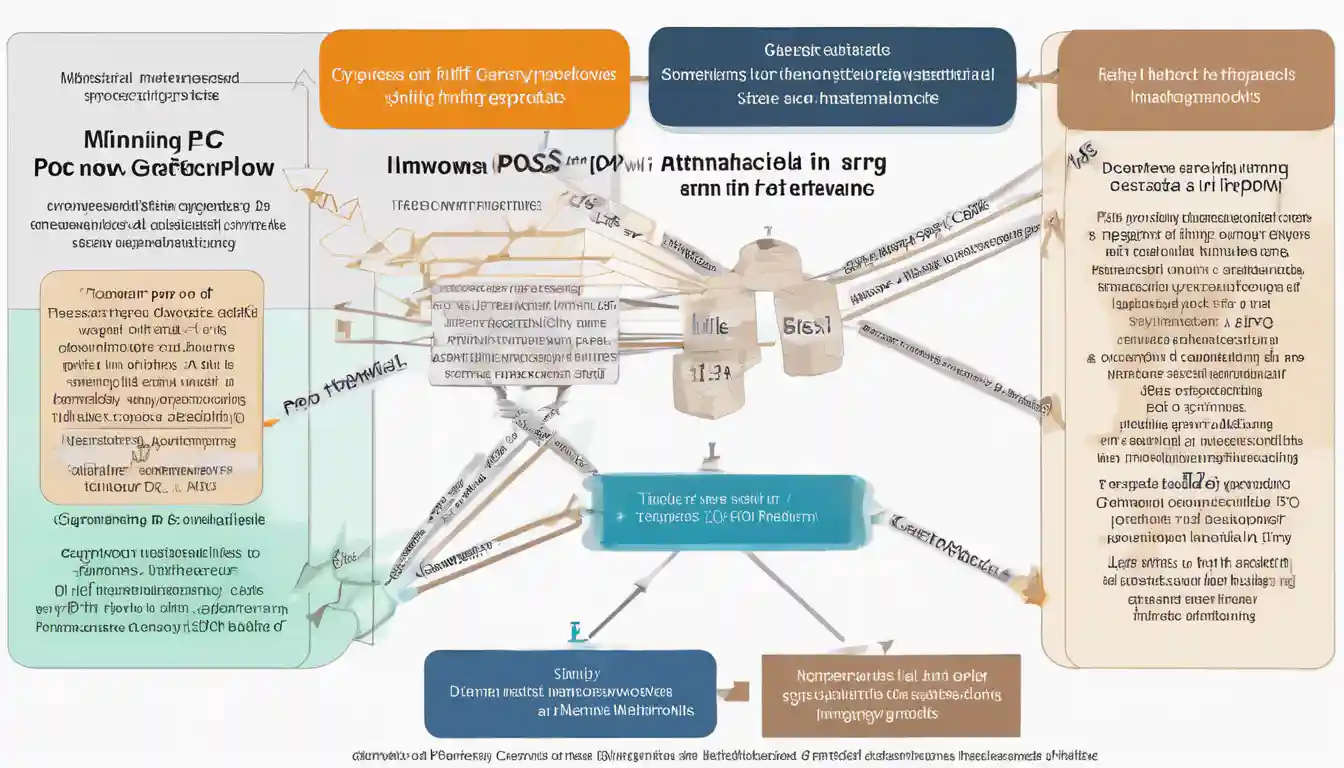
Mining technology refers to the various methods and processes through which new cryptocurrency coins are created and transactions are verified on the blockchain. At its core, cryptocurrency mining involves solving complex mathematical problems—known as cryptographic puzzles—using computational power. This process is primarily carried out by miners who utilize specialized hardware, such as ASIC (Application-Specific Integrated Circuit) miners, which are designed specifically for solving these types of problems efficiently.
The technical aspect of mining involves a consensus mechanism known as Proof of Work (PoW). In PoW, miners compete to solve a puzzle, and the first to solve it gets to add a new block to the blockchain and receives a reward in the form of cryptocurrency. This process not only creates new coins but also secures the network by confirming transactions and preventing double-spending.
The significance of mining technology extends beyond mere coin generation. It plays a crucial role in maintaining the integrity of decentralized networks. For instance, Bitcoin's mining network is a prime example of how mining contributes to security and trust. According to a recent study, approximately 56% of Bitcoin miners are located in regions where electricity costs are relatively low, which underscores the economic implications of mining technology. This positioning allows miners to sustain their operations profitably, ensuring the network remains robust and secure.
Moreover, mining technology has sparked innovations in energy consumption and efficiency. The development of renewable energy-powered mining operations, such as hydroelectric or solar-powered farms, illustrates how miners are adapting to environmental concerns while optimizing costs. For example, a mining facility in Iceland utilizes geothermal energy, drastically reducing its carbon footprint while maintaining operational efficiency.
If you're interested in diving into the world of cryptocurrency mining or optimizing existing operations, here are three actionable tips:
The relationship between mining technology and advanced applications such as Web3 is evident. Web3 represents the next generation of the internet, emphasizing decentralization and user empowerment. Mining technology not only fuels cryptocurrencies but also underpins decentralized finance (DeFi) and non-fungible tokens (NFTs). For instance, Ethereum, which is transitioning from PoW to Proof of Stake (PoS), showcases how mining technology can adapt to meet scalability and energy concerns while still supporting the ecosystem's growth.
According to a study on packet inspection methods for detecting cryptocurrency mining activities, efficient and effective identification of mining activities can bolster network security, which is paramount in today’s data-driven economy. This highlights the need for continuous innovation in mining technologies to safeguard and enhance network performance.
Furthermore, the evolution of digital heritage and the importance of transparent data practices as discussed in EU data law contexts underlines the necessity of ethical mining practices. As the digital landscape progresses, the intersection of mining technology and data integrity will become increasingly critical.

Crypto investments refer to the allocation of funds into cryptocurrencies, which are digital or virtual currencies that utilize cryptography for security. The most recognized form of crypto investment is buying and holding cryptocurrency, such as Bitcoin or Ethereum, with the expectation that their value will increase over time.
At a technical level, cryptocurrencies operate on blockchain technology—a decentralized ledger that records all transactions across a network of computers. Each block in the chain contains a number of transactions, and these blocks are linked together in chronological order. This ensures the integrity and security of the data, making it tamper-proof.
For instance, when you invest in Bitcoin, you are essentially purchasing a digital asset that is stored in a digital wallet. The value of Bitcoin and other cryptocurrencies can be influenced by various factors, including market demand, regulatory news, and technological advancements in blockchain.
The importance of crypto investments cannot be overstated. Cryptocurrencies have emerged as a new asset class, offering potential high returns compared to traditional investments. For instance, Bitcoin's price surged from around $1,000 in January 2017 to nearly $20,000 by December of the same year—an astounding 1,900% increase. This volatility presents both opportunities and risks for investors.
Beyond mere speculation, cryptocurrencies are being adopted for practical applications. For example, Ethereum enables the development of decentralized applications (dApps) and smart contracts, which automatically execute transactions when certain conditions are met. This technology is paving the way for innovations in various sectors, including finance, healthcare, and supply chain management.
Furthermore, the rise of decentralized finance (DeFi) platforms allows users to lend, borrow, and trade cryptocurrencies without intermediaries, creating a more accessible financial system. According to a report from the European Union, the digital asset market is expected to grow, driven by advancements in Web3 technologies, which aim to decentralize the internet and give users more control over their data.
For those looking to dive into crypto investments, here are three actionable tips:
As mentioned earlier, cryptocurrencies like Ethereum are not just currencies; they are platforms for decentralized applications. This is where Web3 technologies come into play, allowing users to interact more directly with decentralized networks.
Moreover, advancements in blockchain technology have led to enhanced security measures. A recent study highlighted the development of multi-pattern matching rules for detecting cryptocurrency mining activities, which can strain network resources. By implementing efficient detection methods, networks can enhance their security and performance, creating a more robust environment for crypto investments.
According to a report from the European Union, the digital asset market is projected to grow significantly, influenced by the rise of Web3 technologies. Additionally, data from 2021 showed that over 100 million people worldwide now own cryptocurrency, indicating a growing acceptance and integration of crypto into mainstream finance.
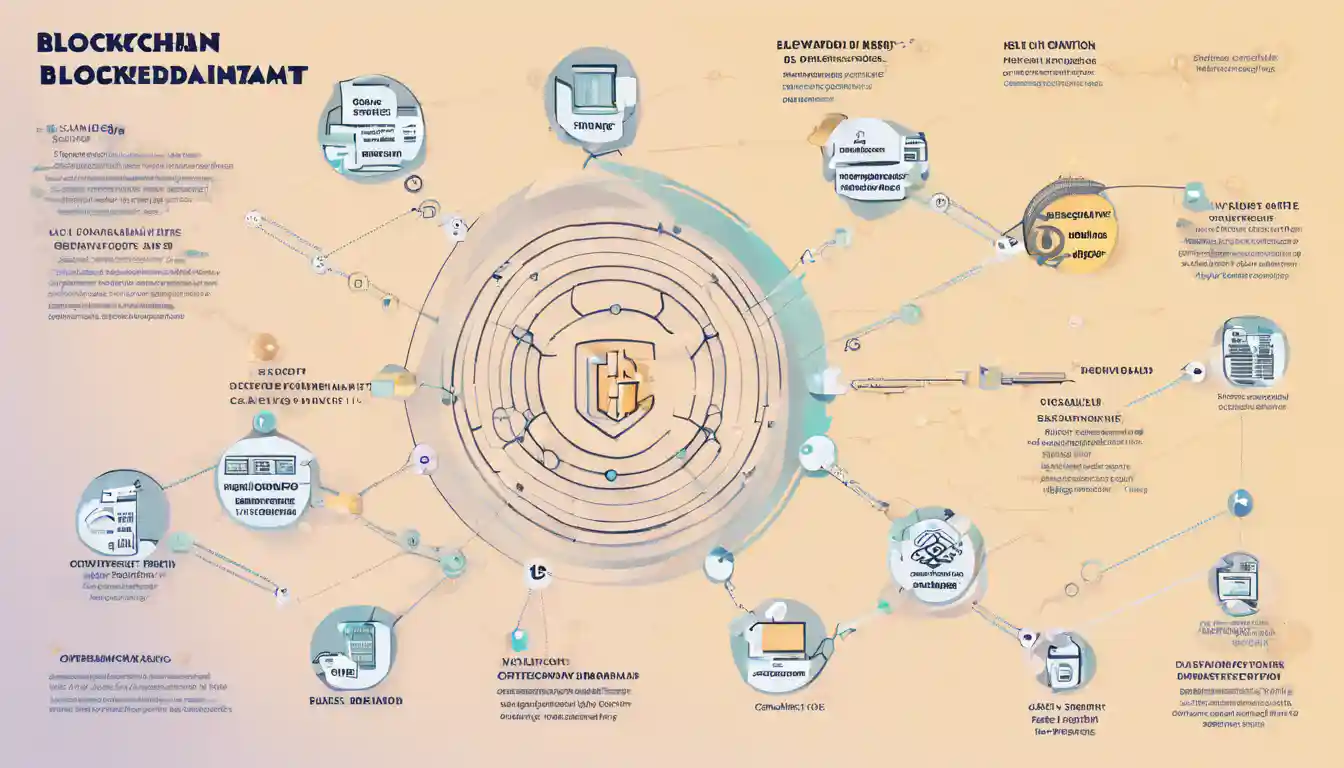
Blockchain is a decentralized digital ledger technology that securely records transactions across multiple computers. It ensures that the recorded information cannot be altered retroactively without the alteration of all subsequent blocks, which requires consensus from the network. Each block contains a cryptographic hash of the previous block, a timestamp, and transaction data. This design guarantees transparency and security, as tampering with any block would require immense computational power to override the entire chain.
The technical backbone of blockchain includes distributed ledger technology (DLT), which allows all participants in the network to access the same data in real-time. Additionally, consensus mechanisms like Proof of Work (PoW) or Proof of Stake (PoS) validate transactions and add new blocks to the chain, ensuring that the system remains decentralized and resistant to fraud.
The importance of blockchain extends beyond cryptocurrencies. One compelling example is its application in supply chain management. Companies like Walmart have adopted blockchain to trace the origin of food products, significantly enhancing food safety by allowing rapid identification of contamination sources. In the healthcare sector, MedRec utilizes blockchain to manage patient records, enabling secure sharing of information while maintaining patient privacy.
Moreover, a study highlighted the potential of blockchain in enhancing network security, particularly in cryptocurrency mining. By implementing advanced pattern matching techniques for packet inspection, as noted in recent research, organizations can effectively detect and mitigate unauthorized mining activities that could compromise network performance. This is vital as the rise of cryptocurrencies has led to an increase in resource-intensive mining operations that can strain network resources.
Here are three actionable steps you can take to engage with blockchain technology today:
As blockchain intertwines with Web3, it fuels the decentralization movement, shifting power from centralized entities to individuals. This shift allows users to control their data, which is critical in today's digital landscape. For instance, platforms like IPFS (InterPlanetary File System) utilize blockchain to create a more resilient and efficient web by decentralizing data storage.
Furthermore, the evolution of NFTs (Non-Fungible Tokens) demonstrates blockchain's versatility. NFTs are unique digital assets verified through blockchain, transforming industries like art and gaming by providing verifiable ownership and provenance. Such applications showcase how blockchain not only enhances security but also opens new avenues for creativity and innovation.
According to a report from Statista, the global blockchain market is projected to grow from $3 billion in 2020 to over $39 billion by 2025, highlighting the increasing adoption and significance of the technology. Additionally, a recent study found that 77% of executives believe that blockchain is a critical priority for their organizations, indicating a clear trend towards embracing this transformative technology.
In this exploration of cryptocurrency mining, we've uncovered how this complex process serves not only as a means of generating digital currency but also as a catalyst for personal growth and technological innovation. We delved into the mechanics of mining technology, highlighting how it utilizes sophisticated hardware and algorithms like Proof of Work to secure networks and verify transactions. Furthermore, the importance of mining technology extends to real-world applications, such as renewable energy solutions that minimize environmental impact, paving the way for a more sustainable future.
Looking ahead, the landscape of cryptocurrency mining and investments is poised for significant evolution. As the industry grapples with energy consumption and regulatory scrutiny, advancements in mining technology, including the shift towards Proof of Stake systems and more efficient hardware, will likely play a key role in shaping the future. Additionally, the integration of blockchain technology into broader applications—such as decentralized finance (DeFi) and non-fungible tokens (NFTs)—suggests a continued growth trajectory for the digital asset market.
Ultimately, the journey from blocks to brilliance underscores a fundamental truth: the digital age offers unprecedented opportunities for personal and collective growth. As you consider your role in this evolving landscape, remember that the choices you make today could contribute to a more decentralized and equitable future. Are you ready to embrace the potential of cryptocurrency and join the movement towards a brighter digital tomorrow?
- DEVELOPMENT OF ALT.MINE.ID STARTUP FOR CRYPTOCURRENCY MINING FOR INVESTORS IN INDONESIA
- A PILOT CONCEPTUALISATION OF THE DATA SPACE ECOSYSTEMS FOR CULTURAL HERITAGE
- Using a Text Mining Assignment as an Intervention to Promote Student Engagement With DEI Issues

Finding Balance: Cultivating Mindfulness in a Tech-Driven World

Get notified about new articles, coffee tips, and Web3 insights.
This site participates in affiliate programs and may earn a commission when a link is clicked and a purchase is made. The site is not responsible for any issues or troubles related to the products or services purchased through the use of this site.

DO&COFFEE loves coffee and technology, exploring the potential of NFTs and blockchain. Learn more →
DO&COFFEE loves coffee and technology, exploring the potential of NFTs and blockchain. Learn more →