art
2024/08/22
In the vast expanse of the Metaverse, a revolutionary shift is unfolding at the intersection of art and technology—one that is poised to redefine contemporary art as we know it. "Decentralized Art Ecosystems" emerge as a powerful concept, challenging traditional barriers to art creation and distribution while reimagining ownership and value within the art world. Imagine a virtual gallery where artists from any corner of the globe can showcase their work without the constraints imposed by conventional galleries and auction houses. Here, creators can transform their digital masterpieces into non-fungible tokens (NFTs), allowing them not only to authenticate their art but also to earn royalties on future sales. This new paradigm empowers artists, granting them control over their intellectual property and financial destinies in ways that were once unimaginable.
But the implications of this decentralization extend far beyond individual artists. It fosters community-driven curation, where audiences engage in the selection and promotion of artworks, creating a sense of belonging and shared investment in the art they cherish. As emerging artists gain visibility and support from passionate communities, the art landscape becomes more inclusive and vibrant, breaking down the barriers that typically favor established figures in the field. This cultural transformation challenges the very notions of status and prestige that have long dominated the art world, inviting all participants—artists, collectors, and enthusiasts—into a more innovative and participatory space.
As we embark on this exploration of decentralization and the Metaverse, we must ask ourselves: How will these changes not only reshape the future of creativity but also redefine commerce within our increasingly virtual lives? Join us as we delve deeper into the interconnected worlds of art, technology, and community, where new realities and revenue streams await.
The convergence of art and technology within the Metaverse has given rise to a revolutionary concept: "Decentralized Art Ecosystems." This phenomenon is reshaping the landscape of contemporary art by democratizing creation, distribution, and ownership.
Decentralization, at its core, refers to distributing authority away from a central entity. In the context of the art world, this means moving away from traditional gatekeepers—like galleries and auction houses—and empowering artists directly through decentralized platforms. Such platforms allow creators from diverse backgrounds to showcase their work globally, free from the constraints of conventional art markets.
Non-Fungible Tokens (NFTs) are pivotal in this new ecosystem. These unique digital assets, stored on a blockchain, serve as proof of ownership and authenticity for digital art pieces. For instance, artists can mint their creations as NFTs, enabling them to retain rights over their work and receive royalties from subsequent sales. This not only ensures that artists benefit financially from their creations but also establishes a new form of ownership that mirrors traditional art markets.
Platforms like OpenSea and Rarible exemplify how decentralized marketplaces operate. Artists can easily upload their artworks, set their prices, and interact directly with buyers. A notable example is the digital artist Beeple, who sold an NFT artwork for a staggering $69 million at a Christie's auction, highlighting the potential for earnings that can surpass traditional means. This event not only captured headlines but also sparked conversations about the value of digital ownership and the future of art.
Decentralized ecosystems also foster community-driven curation, allowing users to partake in the visibility of artworks. Through voting mechanisms, community members can influence which pieces get featured in virtual galleries, creating a sense of belonging and investment in the art they support. This communal approach empowers emerging artists, providing them with opportunities to gain exposure and build a following that transcends geographic limitations.
This shift towards decentralization represents more than just a technological advancement; it embodies a cultural transformation within the art world. Traditional notions of prestige and status are being challenged as artists and collectors embrace a more inclusive, innovative space. Artists can engage with their audience directly, fostering a more personal connection with their work. This evolution prompts us to consider: what does it mean for creativity and commerce as we navigate an increasingly digital future?
While the benefits of decentralization and NFTs are significant, challenges remain. Issues such as copyright concerns, the environmental impact of blockchain technology, and the proliferation of low-quality NFTs underscore the need for responsible practices and further research. As the NFT market continues to evolve, understanding these complexities is crucial for artists and collectors alike, ensuring that the future of art remains sustainable and equitable.
The rise of decentralized art ecosystems is reshaping the landscape of contemporary art, allowing for greater accessibility and redefining ownership in ways that were previously unimaginable.
At the heart of this transformation lies the concept of Non-Fungible Tokens (NFTs), unique digital assets that utilize blockchain technology to authenticate ownership and provenance. This innovation has enabled artists from varied backgrounds to exhibit their work on platforms like OpenSea and Rarible, bypassing traditional gatekeepers like galleries and auction houses. For instance, an artist in a remote part of the world can now reach global audiences, selling their digital art directly and retaining more revenue than they would through conventional means.
One of the most significant advantages that decentralization offers is the ability for artists to earn royalties on secondary sales of their works. Smart contracts, which automate the execution of agreements on the blockchain, ensure that artists receive a percentage of future sales. This not only enhances the financial sustainability of their practice but also fosters a deeper connection between artists and their collectors. For example, the digital artist Beeple has made headlines for selling an NFT for $69 million, showcasing how decentralized platforms can lead to significant financial breakthroughs for creators.
Decentralized platforms also empower communities to curate art collectively. Through voting mechanisms, users can influence which artworks gain visibility, creating a more democratic process than traditional curation methods. This community engagement fosters a sense of ownership and belonging among collectors, who are no longer passive consumers but active participants in the art ecosystem. Platforms like Foundation and SuperRare exemplify this model, where the community's collective taste can elevate emerging artists to prominence.
However, the journey toward a fully decentralized art world is not without its challenges. Issues such as copyright concerns, the prevalence of low-quality NFTs, and potential scams are prevalent in the current market. The dual nature of the NFT ecosystem, as highlighted in recent studies, presents both opportunities and risks. Artists must navigate these complexities while ensuring that their digital content is not misappropriated. Furthermore, environmental impacts associated with blockchain technology have raised concerns, prompting calls for more sustainable practices within the NFT space.
Decentralization signifies not just a technological advancement but a cultural shift that challenges established norms surrounding status and prestige in the art world. As artists and collectors adapt to these new systems, the definition of what constitutes valuable art is evolving. No longer confined to the walls of prestigious galleries, art is becoming a vital asset in the digital economy, capable of transcending geographical and social barriers. The embrace of decentralized art ecosystems encourages a more inclusive and innovative environment where creativity flourishes, and the diversity of artistic expression is celebrated.
The Metaverse has opened a new frontier for artists, offering unprecedented opportunities for creativity and financial gain. With the advent of decentralized art ecosystems, artists can now interact with their audience in ways that were previously unimaginable.
Decentralized platforms are reshaping the art landscape by providing artists a direct channel to showcase their work. By leveraging Non-Fungible Tokens (NFTs), creators can upload digital pieces that not only serve as unique identifiers for ownership but also enable a new revenue model through royalties on subsequent sales. For example, when an artist mints a digital artwork as an NFT on platforms like OpenSea or Rarible, they can set up smart contracts that ensure they receive a percentage of any future sales, effectively allowing them to profit from their work long after it has initially sold.
Imagine a digital gallery that transcends geographical boundaries, where artists from diverse backgrounds can connect with global audiences. This democratization of art distribution means that emerging artists can gain visibility without relying on traditional gatekeepers like galleries or auction houses. Platforms like Foundation and SuperRare exemplify this trend, offering artists the ability to not only display their work but also to engage with the community directly, fostering a sense of belonging and appreciation among collectors and fans.
One of the most exciting aspects of decentralized art ecosystems is community-driven curation. Unlike traditional galleries, where a small group of curators decides which artists gain visibility, decentralized platforms often incorporate voting mechanisms that allow users to collectively decide which artworks deserve attention. This model not only empowers the audience but also creates a more inclusive art environment. For instance, platforms such as Art Blocks engage the community through participatory processes, where collectors and enthusiasts can influence which projects receive funding and exposure.
While the opportunities are vast, artists must also navigate challenges within this new landscape. Issues surrounding digital content ownership, copyright concerns, and the prevalence of low-quality NFTs pose significant hurdles. Research indicates that while artists express enthusiasm for the empowering potential of NFTs, they also face risks associated with scams and potential money laundering. Addressing these challenges is crucial for ensuring sustainable practices within the NFT ecosystem, emphasizing the need for responsible engagement and community support.
The shift towards decentralization is not merely technological; it embodies a cultural transformation in how we perceive art ownership and value. In this new paradigm, art transcends beyond mere pixels or digital files to become vital assets in the digital economy. The traditional notions of status and prestige in the art world are being challenged, inviting a more diverse array of voices and perspectives. Artists can now cultivate deeper connections with their audiences, driving engagement and establishing lasting relationships that benefit both creators and collectors.
As the Metaverse continues to evolve, the transformation of art ownership and distribution is becoming increasingly pronounced. The advent of decentralized art ecosystems, powered by technologies like blockchain and Non-Fungible Tokens (NFTs), is redefining how we perceive and interact with art.
Non-Fungible Tokens (NFTs) represent a revolutionary shift in art ownership. Unlike traditional art, which often involves physical pieces that can be difficult to verify, NFTs are unique digital assets stored on the blockchain. Each NFT contains metadata that confirms its originality and ownership, providing an unprecedented level of authenticity and provenance.
For example, artists like Beeple have sold digital artworks as NFTs for millions, showcasing how blockchain can confer ownership similar to that of physical art. This shift not only democratizes access for diverse artists and collectors but also allows creators to maintain a stake in the future value of their work through smart contracts that ensure they receive royalties on secondary sales.
Decentralized platforms are further reshaping art distribution by enabling community-driven curation. Unlike traditional galleries that often serve as gatekeepers, platforms like Foundation and OpenSea allow users to participate in the selection process. Through voting mechanisms, community members can elevate emerging artists, providing them with visibility and support that might have previously been inaccessible.
This model not only fosters a sense of belonging among users but also cultivates a shared investment in the art being appreciated. It reflects a cultural shift where the value of art is determined not solely by established institutions but also by the community's collective tastes and interests.
The decentralization of art ownership and distribution is not merely a technological phenomenon; it embodies a significant cultural shift that challenges traditional notions of status and prestige in the art world. By breaking down barriers, decentralized systems empower artists to take control of their intellectual property and financial futures, fostering a more inclusive environment.
Moreover, as social media platforms function as virtual galleries, they enhance artists' visibility and cultural engagement. Artists are no longer reliant on traditional channels for exposure; they can directly connect with audiences, leveraging platforms like Instagram and Twitter to showcase their work. This synergy between social media and NFTs creates a vibrant ecosystem where art is not just consumed but actively participated in.
Despite the promising landscape of decentralized art ecosystems, challenges persist. Issues such as copyright concerns, the prevalence of low-quality NFTs, and potential scams can undermine the integrity of the marketplace. Furthermore, the environmental impact of blockchain technology raises ethical considerations that artists and collectors must grapple with.
As the NFT market matures, there is a growing need for responsible practices and further research to promote a sustainable future for digital art. Addressing these challenges will be crucial for ensuring that the benefits of decentralization are realized without compromising the values that underlie the art community.
As the Metaverse evolves, so too do the opportunities for contemporary artists to monetize their work. The advent of decentralized art ecosystems has opened up new revenue streams that were previously unattainable in traditional art markets. By leveraging technologies such as NFTs, artists can now explore innovative business models that empower them economically while fostering creativity.
At the heart of the Metaverse's revenue potential for artists lies Non-Fungible Tokens (NFTs). These unique digital assets, authenticated on blockchain platforms, signify ownership and provenance of digital art. For instance, renowned artist Beeple made headlines when his NFT artwork sold for $69 million at Christie’s auction house. This sale illustrates not only the monetary value that can be achieved through NFTs but also how they can redefine an artist's career trajectory.
NFTs provide an exciting revenue model where artists can embed royalties within the smart contracts of their creations. This means that every time their artwork is resold, the original artist receives a percentage of the sale, ensuring continuous income from their work. The ability to earn passive income through secondary sales establishes a sustainable financial model, allowing artists to focus on their craft without the constant pressure of generating new works for revenue.
Imagine walking through a virtual gallery where each room showcases a different artist's NFTs, accessible to anyone with an internet connection. Platforms like Decentraland and Cryptovoxels have pioneered this concept, allowing artists to create immersive exhibition spaces in the Metaverse. These virtual galleries not only serve as a showcase for digital art but also as a platform for sales.
Artists can charge entrance fees for exclusive viewing events or offer limited-time experiences where collectors can engage directly with the artist. This model not only generates revenue but also enhances the relationship between artists and their audience, creating a shared experience that transcends traditional art exhibitions.
Decentralized platforms like Foundation and Rarible enable community-driven curation, allowing users to vote on artworks they want to see featured. This participatory approach results in a more engaged audience, who feel invested in the success of the artists they support. By fostering a sense of ownership among collectors and fans, artists can leverage their communities for promotional support, driving sales and visibility.
Moreover, these platforms often integrate social media functionalities, enabling artists to share their works and connect with potential buyers directly. By utilizing social media as a virtual gallery, artists can reach a broader audience while cultivating loyal communities that are more likely to invest in their work.
Collaborations between artists and brands or other artists can also be a lucrative revenue model in the Metaverse. By combining their creative energies, artists can create limited edition NFTs or themed collections that drive interest and sales. A notable example is the partnership between the musician Grimes and Nifty Gateway, where her NFT art collection generated over $6 million in just a few minutes.
Such collaborations not only amplify exposure but also create unique offerings that attract collectors. They provide artists with the opportunity to tap into new markets and audiences, fostering cross-pollination within the digital art landscape.
As artists embrace the Metaverse, they can also explore revenue models through educational workshops and interactive experiences. By hosting virtual classes or tutorials on their creative processes, artists can charge admission fees or offer subscription-based content. For example, platforms like MasterClass and Skillshare have successfully monetized educational content, showing that there is a market for learning directly from artists.
This model not only diversifies income streams but also enhances an artist's brand and reputation, positioning them as thought leaders in the digital art space.
In summary, the Metaverse presents a plethora of revenue models for contemporary artists, from NFTs and virtual galleries to community-driven platforms and educational content. As artists navigate this new landscape, the ability to harness these opportunities will play a crucial role in shaping their financial futures and the evolution of contemporary art.
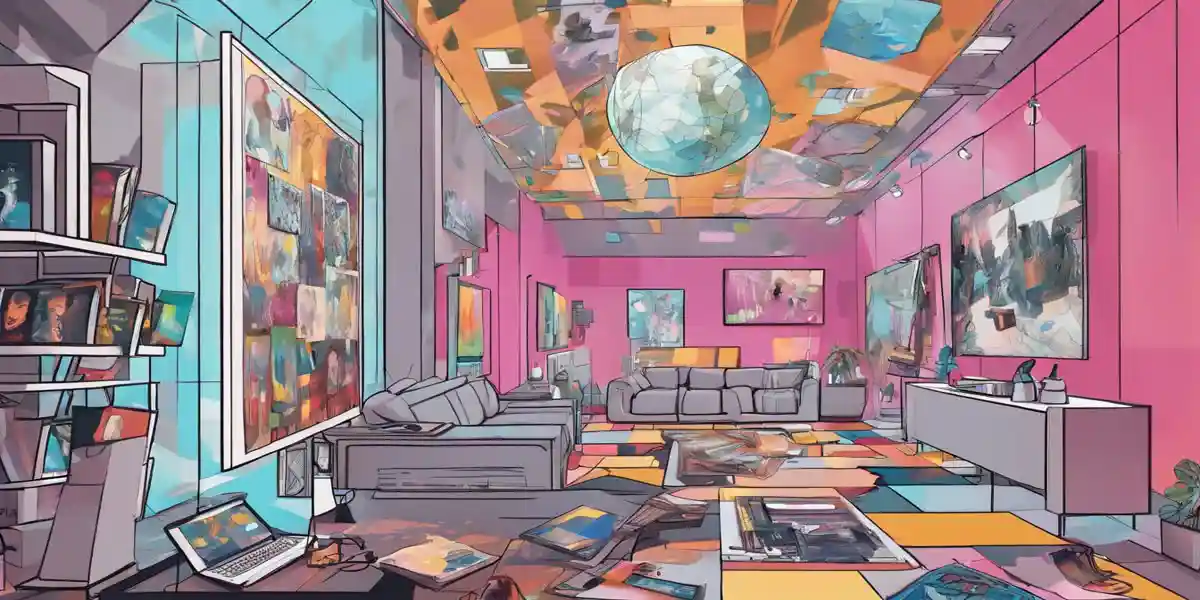
In the realm of the Metaverse, virtual galleries and NFTs (non-fungible tokens) are reshaping the contemporary art landscape, allowing artists to break free from traditional constraints while creating new avenues for revenue and recognition.
Imagine stepping into a virtual gallery where the walls are adorned not with physical canvases, but with vibrant digital art pieces from creators around the world. This is not just a dream; it is a burgeoning reality made possible by the Metaverse. Virtual galleries eliminate geographical barriers, enabling artists to showcase their work to a global audience without the limitations imposed by physical spaces. These platforms serve as a stage where creativity knows no bounds, allowing for unique configurations and experiences that transcend traditional exhibition norms.
Take, for instance, platforms like Artland and Palm. They not only allow artists to exhibit their work but also integrate social media functionalities that enhance visibility and engagement. Artists can share their creations, interact with collectors, and build communities around their work all within these virtual spaces. This democratization of access represents a significant shift in how art is experienced and valued.
At the heart of this transformation is the concept of NFTs. These unique digital assets are embedded with smart contracts on the blockchain, which verify ownership and authenticity. The technical underpinnings of NFTs ensure that each piece of digital art is one-of-a-kind, much like a physical artwork, thus preserving its value and uniqueness in a digital format.
NFTs empower artists by enabling them to receive royalties on secondary sales. This means that every time a piece is resold, the original creator earns a percentage of the sale. This model not only secures financial benefits for artists but also encourages a sustainable ecosystem where creators can thrive without relying solely on initial sales. A notable example is Beeple, whose NFT artwork sold for a staggering $69 million at auction, illustrating how NFTs can catapult artists into unprecedented financial success.
Decentralized platforms also introduce community-driven curation—an innovative approach where users collectively decide which artworks gain visibility. This participatory model fosters a sense of belonging and shared investment, as audiences have a stake in the success of the art they appreciate. For instance, platforms like Foundation leverage community voting systems to elevate certain artists and artworks, enabling emerging talents to gain exposure without needing established gatekeepers.
This shift in curation not only democratizes the art world but also challenges traditional hierarchies of status and prestige. Artists who might have gone unnoticed in conventional galleries can now find their voices amplified in these virtual spaces, connecting with audiences that resonate with their work.
However, this decentralization is not without its challenges. While NFTs have revolutionized ownership and artistic recognition, concerns exist around copyright issues, the prevalence of low-quality NFTs, and even the environmental impact of blockchain technology. As highlighted in various studies, these challenges call for responsible practices and further research to ensure that the NFT landscape evolves sustainably.
Moreover, the dual nature of the NFT ecosystem poses additional hurdles. While the potential for financial gain and creative freedom is substantial, issues like scams and regulatory ambiguities can deter potential participants. Therefore, as artists and collectors navigate this new terrain, they must do so with a critical eye, seeking out reputable platforms and practices to protect their interests.
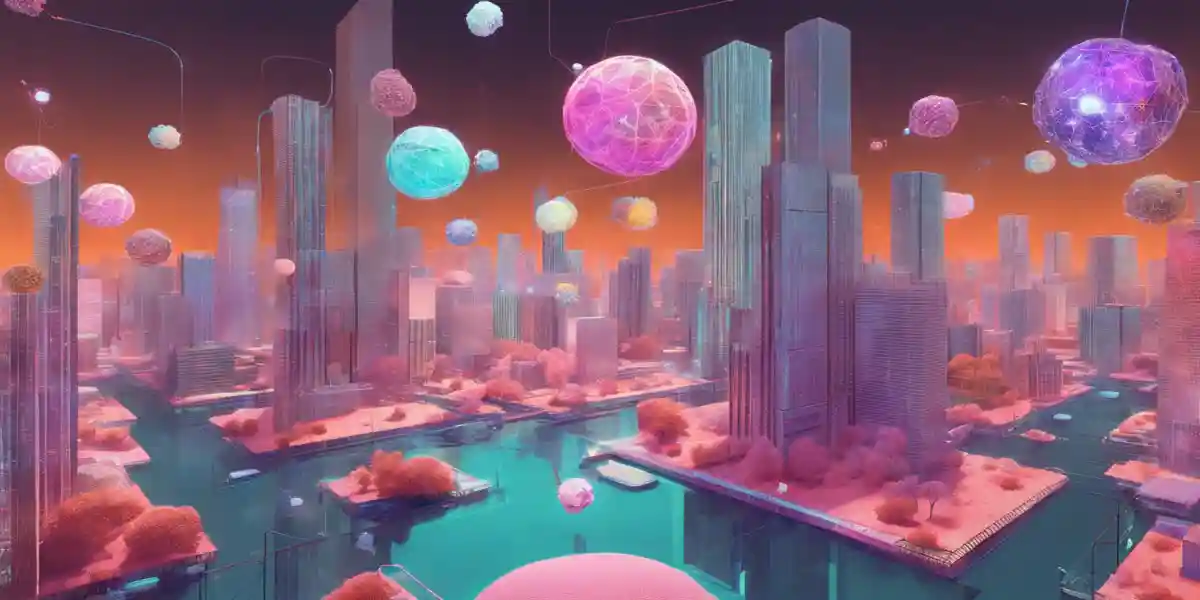
In the Metaverse, the concept of collaborative projects and community engagement is rapidly evolving, reshaping how artists create, share, and monetize their work. By leveraging decentralized platforms, artists can transcend geographical boundaries, collaborating in ways that were previously unimaginable. This section explores the transformative power of community-driven initiatives in the art world, highlighting real-world examples and the technical underpinnings that enable these collaborations.
Decentralized platforms serve as the backbone of collaborative projects in the Metaverse. Utilizing blockchain technology, these platforms allow artists to mint their work as NFTs (non-fungible tokens), providing a unique digital identity to each piece. This identity not only authenticates the artwork but also embeds ownership rights and the possibility for artists to earn royalties on secondary sales. For instance, platforms like OpenSea and Foundation have become virtual marketplaces where artists can collaborate on projects, share ideas, and create joint artworks that are verifiably owned by multiple parties.
Community engagement is at the heart of decentralized art ecosystems. Unlike traditional gallery settings, where a select few gatekeepers determine which artworks are showcased, decentralized platforms empower the community to curate collections through voting mechanisms. This democratization of visibility allows emerging artists to gain exposure. For example, the Nifty Gateway platform has successfully implemented community voting features, where users can vote on upcoming drops and the types of art they wish to see, fostering a sense of belonging and investment in the artworks they support.
Several notable projects exemplify the power of collaboration within decentralized art ecosystems. One such project is Cryptovoxels, a virtual world built on the Ethereum blockchain, where users can create and collaborate on art installations. Artists can rent land, build galleries, and invite other creators to contribute, resulting in dynamic, ever-evolving exhibitions. This type of engagement not only fosters creativity but also encourages the sharing of resources and expertise among artists.
Another example is the Art Blocks platform, which allows artists to create generative art through code. These collaborative efforts merge programming and visual art, resulting in unique pieces that are co-created by algorithms and artists. Here, community members can support their favorite artists by purchasing pieces directly, with the added benefit of artists receiving royalties from future sales, thus creating a sustainable revenue model that encourages ongoing collaboration.
While the rise of collaborative projects in decentralized art ecosystems presents exciting opportunities, it also brings challenges. Issues surrounding digital content ownership, the prevalence of low-quality NFTs, and potential scams need to be addressed to ensure a healthy environment for artists and collectors alike. For instance, concerns have been raised about copyright violations and the authenticity of digital artworks being sold as NFTs. To mitigate these risks, platforms must implement robust verification processes and educate users about best practices in the NFT space.
Furthermore, the environmental impact of blockchain technology has sparked discussions about sustainable practices in the NFT landscape. As the community continues to engage and collaborate, it is essential to promote responsible practices that minimize the ecological footprint of digital art creation and distribution.
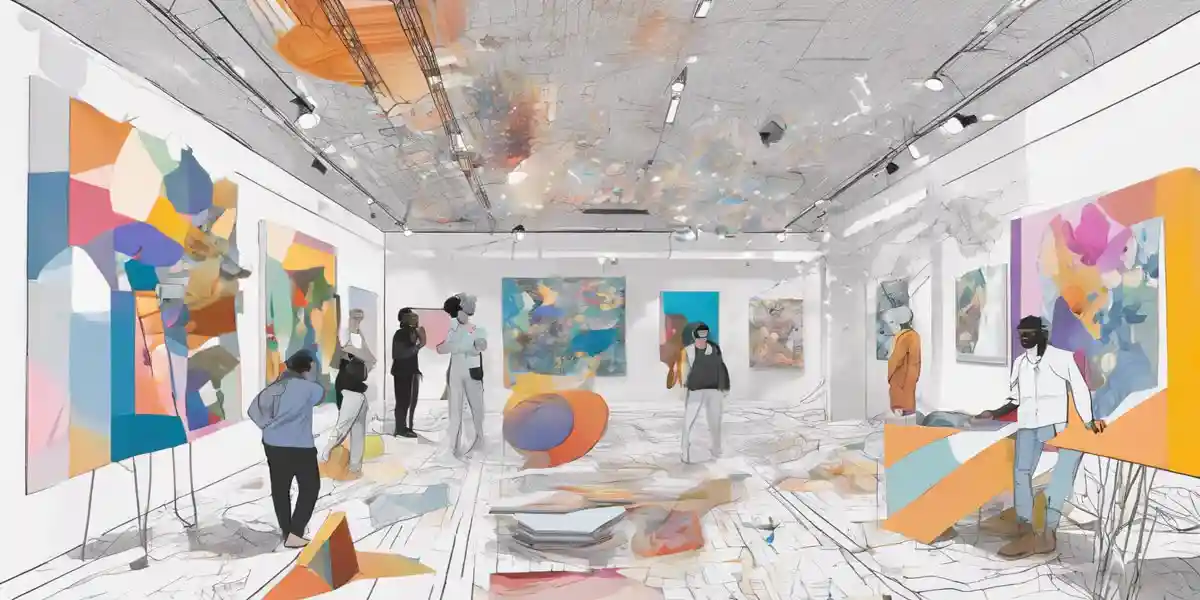
The future of art in decentralized spaces is not just a fleeting trend; it represents a profound transformation in how we perceive, create, and engage with art. As we navigate this evolving landscape, we see the rise of Decentralized Art Ecosystems, which leverage the power of blockchain technology and NFTs to redefine ownership, value, and community involvement in the art world.
At the core of this transformation is the advent of Non-Fungible Tokens (NFTs), which serve as unique digital assets that authenticate ownership and provenance of artworks. Unlike traditional art markets dominated by physical galleries and auction houses, NFTs enable artists to sell their work directly to collectors in a decentralized manner. This is exemplified by platforms like OpenSea and Rarible, where artists can mint their artworks as NFTs and set their own prices, completely bypassing the gatekeepers of the traditional art world.
Furthermore, NFTs allow for programmable royalties, meaning that artists can earn a percentage of sales every time their work is resold. This innovative mechanism not only empowers creators but also fosters a sustainable income model, ensuring that artists benefit from the appreciation of their work over time. A notable case is the digital artist Beeple, who sold an NFT for $69 million at a Christie’s auction, demonstrating the immense potential of this new medium.
Decentralized platforms are also transforming how art is curated and appreciated. Community-driven curation allows users to vote and decide which artworks gain visibility, creating a sense of ownership and investment in the art ecosystem. This participatory approach contrasts sharply with the exclusivity of traditional galleries, where curators often dictate which artists receive exposure.
One example of this community engagement is SuperRare, a platform that not only enables users to buy and sell NFT art but also incorporates a social aspect where fans can follow their favorite artists and support their work. This creates a vibrant community of supporters who actively participate in the art world, fostering a culture of collaboration and shared appreciation.
This decentralization of the art market is more than just technological; it represents a cultural shift that challenges long-held beliefs about status and prestige in the art world. The traditional hierarchy, where established artists and collectors often overshadow emerging talent, is increasingly being replaced by a more egalitarian landscape. For instance, platforms like Foundation and Nifty Gateway are gaining traction by allowing emerging artists to showcase their work alongside established names, thus democratizing access to the art market.
However, this new landscape is not without challenges. Issues such as digital content ownership, the proliferation of low-quality NFTs, and potential scams have raised concerns among creators and collectors alike. A qualitative study of NFT creators revealed that while many are excited about the opportunities presented by NFTs, they also face significant hurdles, including regulatory uncertainty and the need for better mechanisms to ensure quality control in the NFT space.
As we look towards the future, it is essential to promote responsible practices within the NFT ecosystem. This includes addressing environmental concerns associated with blockchain technology, ensuring equitable access for artists, and developing frameworks that safeguard against fraudulent activities. Collaboration between artists, platforms, and regulators will be crucial in establishing a sustainable and inclusive art market.
In conclusion, the future of art in decentralized spaces holds immense promise. By harnessing the potential of NFTs and fostering community engagement, we can create an art world that is not only more accessible but also more vibrant and innovative. As creators and collectors navigate this new terrain, they will continue to redefine the boundaries of creativity and commerce in an increasingly digital landscape.
In the Metaverse, the convergence of decentralization and art has catalyzed the emergence of Decentralized Art Ecosystems, where Non-Fungible Tokens (NFTs) play a pivotal role. NFTs, unique digital assets stored on the blockchain, have revolutionized the way artists create, own, and distribute their work. This transformation is not just about technology; it signifies a profound cultural shift in the art world.
NFTs are distinct cryptographic tokens that represent ownership of a specific digital item or artwork. They are secured via smart contracts, which automatically execute actions when predefined conditions are met. This technology ensures that each NFT is verifiably unique, providing artists with an unprecedented method to authenticate their creations.
The minting process of NFTs involves uploading a digital artwork to a blockchain platform, such as Ethereum, where it is converted into a token. Various token standards, such as ERC-721 and ERC-1155, define how these NFTs can behave. This not only enables ownership verification but also facilitates features like royalties, where artists can earn a percentage of sales every time their work changes hands. For instance, when the digital artist Beeple sold his NFT artwork for $69 million at a Christie’s auction, it highlighted the financial potential that NFTs hold for artists.
The integration of NFTs into the art world democratizes access for both artists and collectors. Traditional art markets often prioritize established artists and galleries, leaving emerging creators with limited opportunities. However, platforms like OpenSea and Rarible allow artists from diverse backgrounds to showcase their work without intermediaries. This is particularly impactful for underrepresented groups in the art community.
Moreover, social media serves as a virtual gallery, enhancing visibility and engagement. Artists can share their NFTs on platforms like Instagram and Twitter, fostering a direct connection with potential buyers and art enthusiasts. The synergy between NFTs and social media has proven to be a game-changer, as it eliminates the geographical barriers that once restricted artists from reaching a broader audience.
Decentralized platforms also facilitate community-driven curation, where users can vote on which artworks gain visibility. This collective decision-making process fosters a sense of belonging among community members and empowers them to support the artists they appreciate. For example, platforms like Foundation allow users to bid on artworks, creating a marketplace where the community plays a crucial role in determining value and visibility.
This shift not only benefits emerging artists but also creates a more engaging experience for collectors. As users curate and promote art they love, they become active participants in the ecosystem, rather than passive consumers. This transformation redefines traditional notions of status and prestige, making art more accessible and participatory.
Despite the revolutionary potential of NFTs, there are challenges that must be addressed to ensure a sustainable future for decentralized art. Concerns regarding copyright issues, digital content ownership, and the prevalence of low-quality NFTs can undermine the ecosystem. Moreover, environmental impacts associated with blockchain transactions have sparked debates about the sustainability of NFTs.
As the community navigates these challenges, responsible practices and innovative solutions will be crucial. For instance, some platforms are exploring energy-efficient alternatives to traditional blockchain technologies, such as Proof-of-Stake (PoS) systems, which could mitigate environmental concerns. Additionally, ongoing research into copyright frameworks will be essential to protect artists while fostering creativity.
As we stand at this intersection of art and technology, it is clear that the advent of decentralized art ecosystems heralds a new era for contemporary art. NFTs are not merely a passing trend; they represent a profound shift in how art is created, shared, and valued. The implications for artists, collectors, and the broader cultural landscape are immense, as we collectively redefine what it means to own and appreciate art in an increasingly digital world.
The convergence of decentralization and the Metaverse signifies a radical shift in the landscape of contemporary art. As we have explored, the rise of Decentralized Art Ecosystems, fueled by technologies like Non-Fungible Tokens (NFTs), not only empowers artists but also redefines the very essence of art ownership and distribution. This transformation allows for unprecedented levels of accessibility and community engagement, challenging traditional gatekeepers and fostering a more inclusive environment for creators and collectors alike.
We've seen how artists can leverage decentralized platforms to showcase their work without the constraints imposed by physical galleries. By utilizing NFTs, they gain not only a direct connection to their audiences but also the ability to earn royalties on secondary sales, ensuring continued financial support as their works appreciate in value. Furthermore, community-driven curation allows for a more democratic approach to visibility, enabling emerging artists to rise alongside established names based on merit rather than privilege.
However, the journey toward a fully decentralized art world is not without challenges. Issues such as copyright concerns, the prevalence of low-quality NFTs, and the environmental impact of blockchain technology necessitate responsible practices and ongoing dialogue within the community. As stakeholders navigate these complexities, it is vital to establish frameworks that promote sustainability and protect the integrity of the art being produced.
As we stand at the forefront of this new frontier, we invite you—artists, collectors, and enthusiasts—to actively participate in this evolving landscape. Engage with decentralized platforms, explore the potential of NFTs, and support artists who embrace this innovative model. The future of art is not merely about technology; it is about redefining what creativity and ownership mean in a digital age. Let us collectively shape this future, where art transcends boundaries and fosters a global community united by shared appreciation and creativity.
Get notified about new articles, coffee tips, and Web3 insights.
This site participates in affiliate programs and may earn a commission when a link is clicked and a purchase is made. The site is not responsible for any issues or troubles related to the products or services purchased through the use of this site.

DO&COFFEE loves coffee and technology, exploring the potential of NFTs and blockchain. Learn more →
DO&COFFEE loves coffee and technology, exploring the potential of NFTs and blockchain. Learn more →