art
2024/08/22
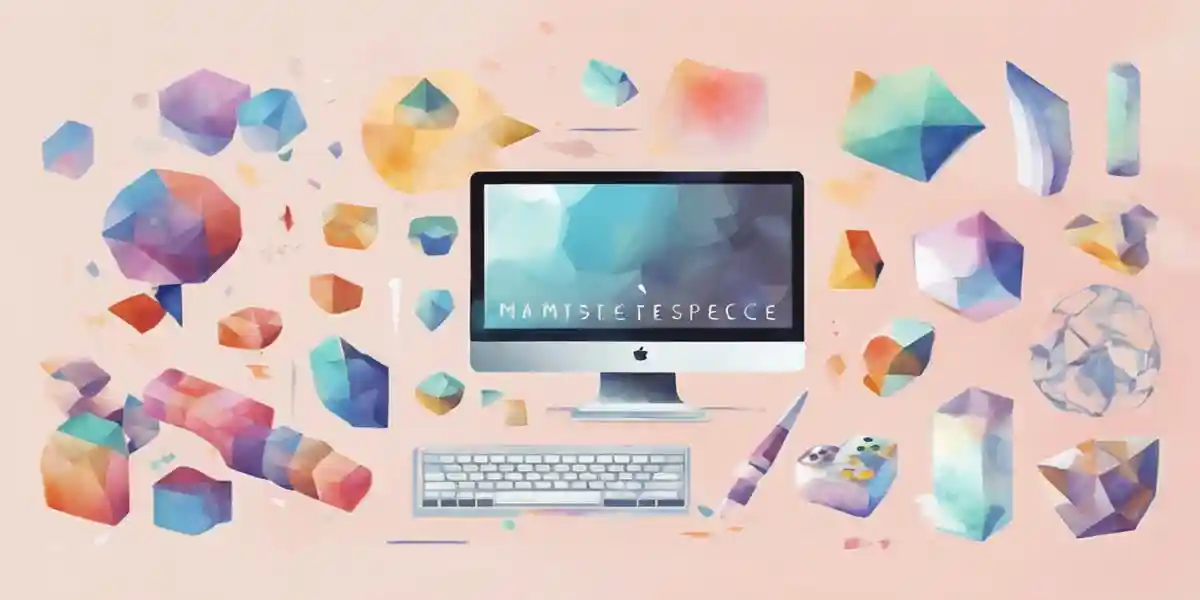
In the rapidly evolving digital landscape, the fusion of art and technology has given birth to a new frontier—blockchain games, where creativity transcends traditional boundaries. Imagine a world where digital artworks are not merely static images but vibrant creations that evolve as players interact with them. This intriguing concept of "Dynamic Art NFTs" is at the heart of our exploration, illustrating how the gaming realm can breathe life into art. As players unlock layers of a digital masterpiece through their actions, they forge a unique connection to the artwork, transforming the once-passive viewing experience into an engaging journey of collaboration and discovery.
This blog post will delve into the significance of this revolution, highlighting the intersection of gaming and artistic expression, and discussing how blockchain technology empowers artists by providing new revenue streams through non-fungible tokens (NFTs). By eliminating intermediaries, artists can sell their work directly to collectors, fostering a more transparent ecosystem that benefits creators and consumers alike. Moreover, we will address the broader implications of these developments, posing thought-provoking questions about ownership and artistic value in the digital age. Join us as we unpack the transformative power of blockchain games, and discover how they are reshaping the art world into a vibrant tapestry of interactivity and innovation.
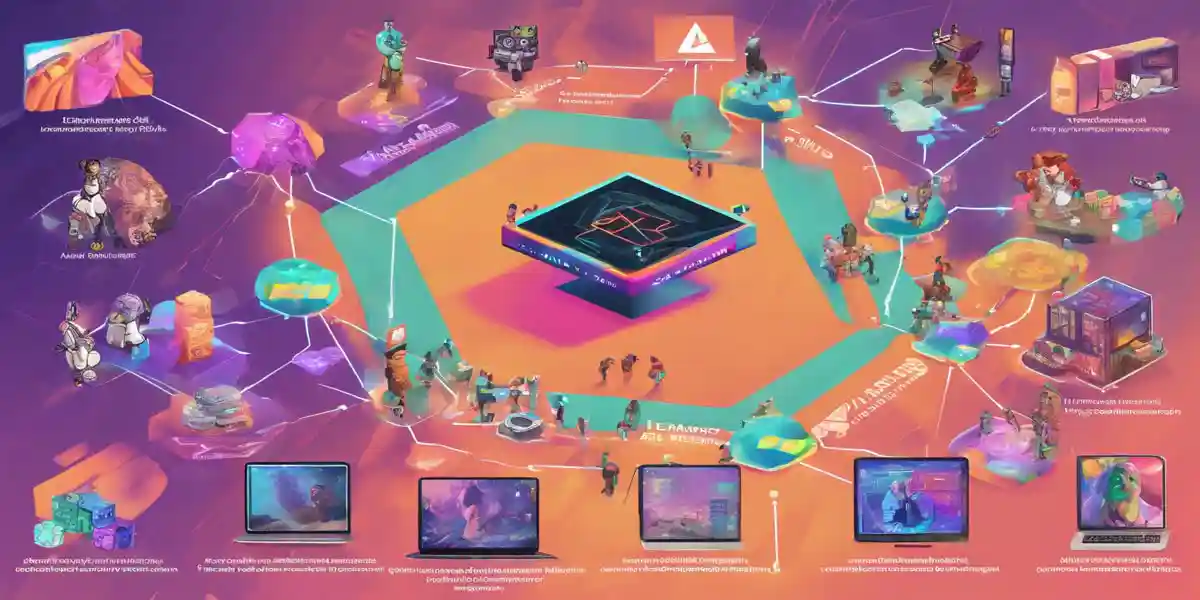
At the crossroads of technology and creativity lies an intriguing phenomenon: the emergence of blockchain games, which are reshaping the landscape of digital art. One of the most exciting innovations in this space is the concept of "Dynamic Art NFTs." These are not just passive images; they represent a new form of interactive digital artwork that evolves based on player engagement. Imagine a piece of art that reacts and transforms in real time as players make choices, complete objectives, or explore virtual landscapes. This level of interactivity merges the realms of art and gaming, fostering a unique relationship between the creator and the consumer.
Dynamic Art NFTs function as living artworks, where each player's interaction can alter the artwork's appearance or narrative. For example, in a fantasy game, as players progress through levels, they might unlock new layers of an artwork, each reflecting different themes or artistic styles. One player might see a vibrant, mythical landscape, while another may unlock a darker, more abstract interpretation based on their actions in the game. By storing these evolving pieces on the blockchain, artists ensure that each unique version remains verifiable and owned by the player, blending traditional concepts of ownership with modern digital realities.
Non-Fungible Tokens are integral to this transformation, allowing digital files to be verified for ownership and authenticity via blockchain technology. Unlike traditional art trading, where intermediaries often dictate value and access, NFTs empower artists to reach their audience directly. Recent research has illustrated the rapid growth of the NFT market on platforms like Ethereum, revealing trends that have significant implications for both artists and collectors. For instance, data analysis shows that the NFT ecosystem has become a vibrant marketplace where artists can not only sell their work but also earn royalties on future sales, providing a sustainable revenue model previously unavailable in the art world.
The integration of interactivity in digital art raises profound questions about authorship and collaboration. What does it mean for an artwork to be co-created by both an artist and a player? This collaborative nature challenges the traditional boundaries of art creation and ownership. Papers discussing the relationship between interactive media and player experience suggest that narrative complexity is crucial in engaging players. By allowing players to influence the direction of the art piece, the role of the artist evolves from a sole creator to a facilitator of experience, reshaping our understanding of artistic value in the digital era.
The rise of NFTs has not only transformed how art is created and owned, but it has also altered how it is marketed. In contrast to the traditional art scene, where social media was often an afterthought, artists in the NFT space actively utilize platforms like Twitter, Instagram, and Discord to connect with audiences. This shift underscores a new hierarchy driven by economic logic, where visibility and community engagement can significantly affect an artist's success. The transparency of the blockchain provides artists and collectors with new opportunities for interaction, fostering an ecosystem that thrives on both profit and altruism.
The fusion of gaming and artistic expression is perhaps one of the most thrilling developments in our digital age. At the forefront of this synergy is the concept of "Dynamic Art NFTs," a novel idea that transforms traditional perceptions of art by embedding interactivity into digital pieces. These NFTs evolve based on player interactions within a game, creating an ever-changing tapestry of artistic expression that challenges the notion of static art.
Imagine stepping into a virtual world where the art around you reacts to your every move. This is the essence of Dynamic Art NFTs, where digital artworks are not merely viewed but experienced. As players interact with their environment—be it through choices, completed challenges, or narrative paths—these artworks morph, unveiling new layers or styles. Each interaction adds depth, turning a singular piece into a unique masterpiece that reflects the player’s journey.
This concept is not just theoretical; it has practical implications in the gaming and art worlds. For instance, a game could allow players to unlock layers of an artwork that represent different themes or artistic styles—perhaps a vibrant impressionist layer turns into a stark cubist interpretation with each choice made. Each evolving art piece is stored on the blockchain as an NFT, ensuring authenticity and ownership, which allows players to claim a personal connection to their version of the artwork.
One illustrative example is the game "CryptoPunks," where players can own unique digital characters that often have artistic value. This game, along with others like "Axie Infinity," demonstrates how NFTs can be leveraged to create an interactive art experience. Players in these ecosystems are not just consumers but co-creators, influencing the art through their gameplay. The ability to alter and own a unique representation of art empowers players in a way traditional art forms never could.
Moreover, artists gain new revenue streams through this model. By selling dynamic NFTs, they can not only earn from initial sales but also receive royalties from subsequent transactions—a feat made possible by the blockchain's transparency. This mechanism encourages a symbiotic relationship between artists and players, where both parties contribute to the evolution of the artwork.
This intersection of gaming and art raises profound questions about collaboration and ownership in the digital realm. What does it mean for an artwork to evolve collaboratively between artist and player? The immutability of the blockchain challenges traditional notions of ownership and authenticity. In the past, art was often a solitary endeavor, confined to the artist's vision. Now, thanks to technology, the narrative of an artwork can be shaped in real-time, blending the artist’s intent with the player's experience.
The implications extend beyond individual pieces of art; they touch on the very fabric of how we perceive creativity in the digital age. As highlighted in recent studies, the NFT market has transformed the art landscape, providing artists with a platform to sell directly to consumers, circumventing traditional gatekeepers like galleries and auction houses. This shift not only democratizes art but also fosters a culture of collaboration and community support—an essential aspect missing from past art scenes.
As we explore this brave new world, we must consider how technology reshapes our creative landscapes. What are the new rules of engagement in art, and how can they enhance our appreciation for creativity? The answers lie at the intersection of gaming and artistic expression, where the boundaries of art are continually redefined.
At the intersection of digital art and blockchain gaming lies an intriguing concept: crafting "Dynamic Art NFTs" that adapt and transform based on player interactions. This innovative idea invites us to reimagine what it means to create art in a digital landscape, where the boundaries of creativity are pushed by both artists and players alike.
Imagine a digital artwork that is not merely a static image but a living entity that evolves in real-time as players engage with it in a virtual environment. This concept merges creativity with interactivity, allowing gamers to influence the narrative and aesthetics of the art piece through their choices, actions, and achievements in the game. For example, consider a virtual landscape where players explore different realms, each with unique visual themes. As they progress, they unlock layers of the artwork, revealing intricate designs that reflect their journey and decisions.
Each evolving artwork is stored on the blockchain as a non-fungible token (NFT), ensuring its authenticity and ownership. This means that every interaction not only transforms the artwork but also creates a unique version of it for each player. The blockchain's immutability guarantees that the artist's original intent is preserved while allowing for player contributions. This fosters a profound personal connection between the player and the piece, as their individual experiences shape the final outcome of the artwork.
Dynamic Art NFTs open up new revenue streams for artists. By integrating interactivity into their art, creators can sell these NFTs directly to consumers within the gaming ecosystem, eliminating the need for traditional intermediaries. Additionally, artists can earn royalties from future transactions involving their work, ensuring that they are compensated for the ongoing value their creations generate. The recent boom in the NFT market underscores this potential, as evidenced by the growth trends analyzed on the Ethereum blockchain.
This evolution of art raises critical questions about the nature of ownership and collaboration in a digital age. What does it mean for an artwork to be co-created by a player and an artist? This collaborative approach not only democratizes the art-making process but also challenges traditional notions of authorship. As the NFT market continues to flourish, it reflects a shift towards greater inclusivity and accessibility, where anyone can participate in the creative process.
As we consider the role of interactivity, it becomes clear that the player experience is integral to crafting compelling digital narratives. Game designers are now tasked with creating intricate plots that adapt based on player choices, a task that is becoming increasingly complex. Recent studies highlight the need for new frameworks to represent these interactive narratives effectively. The introduction of algorithms capable of mapping player interactions demonstrates the growing sophistication of storytelling in digital art, aligning with the dynamic nature of NFTs.
In addition to the technical innovations, the success of dynamic art NFTs also hinges on effective marketing strategies. Artists are discovering the essential role of social media in promoting their work within the NFT space, a stark contrast to traditional art scenes where such marketing was often unnecessary. By leveraging platforms like Twitter and Instagram, artists can build communities around their work, fostering both profit-driven investments and altruistic support for their creative endeavors.
As we delve into these discussions, we uncover the beautiful synergy between art and code, revealing how technology is reshaping our creative landscapes and offering innovative opportunities for both artists and collectors alike.
The emergence of Dynamic Art NFTs represents a thrilling intersection between blockchain technology and digital creativity. These NFTs are not merely static images; they are living entities that evolve in response to player interactions within gaming environments. This innovative concept allows artists to create digital works that are both interactive and personal, transforming the way we experience and value art.
Imagine stepping into a virtual gallery where the artwork shifts and changes based on your actions. As a player progresses through a game, they might unlock various layers of a digital painting, each representing distinct artistic styles or themes. For example, a player could start with a minimalist line drawing, and as they complete challenges, the artwork could morph into a vibrant collage infused with colors and textures. This not only enhances the aesthetic experience but also fosters a deeper connection between the player and the artwork.
At the core of Dynamic Art NFTs lies blockchain technology, which ensures the authenticity and ownership of each piece. By storing these evolving artworks as non-fungible tokens, artists can guarantee that their creations are verifiable and traceable. Each player's engagement with the art generates a unique version, leading to a personalized experience that distinguishes them from other players. This system creates a new revenue model for artists, allowing them to sell these NFTs and earn royalties from subsequent transactions, thus providing ongoing financial support for their creative endeavors.
Research indicates that the NFT market is heavily influenced by social media, as artists utilize platforms like Twitter and Instagram to showcase their work and connect with potential buyers. This represents a shift from traditional art trading, where such marketing efforts were often unnecessary. The accessibility provided by social media has democratized the art market, enabling emerging artists to gain visibility and support from a global audience. Consequently, Dynamic Art NFTs can be promoted and sold directly to consumers, eliminating intermediaries and enhancing the artist's profit margins.
The relationship between art and narrative in gaming is complex and nuanced. As players interact with Dynamic Art NFTs, they not only influence the visual aspects but also contribute to the narrative arcs of the game itself. The challenge for designers lies in crafting compelling stories that respond to player choices while maintaining artistic integrity. Recent advances in interactive narrative modeling, such as graph-based representations, provide new frameworks for understanding how player interactions can shape narrative outcomes, enriching both gameplay and artistic expression.
The rise of Dynamic Art NFTs prompts profound questions about collaboration in art creation. What does it mean for an artwork to be co-created by an artist and a player? This collaborative approach challenges traditional notions of authorship and ownership, particularly in the digital realm. As players influence the outcome of a piece, the immutability of the blockchain raises further considerations regarding value and permanence. Are these artworks still solely the creation of the original artist, or do players also hold a stake in their evolution?
By engaging with these questions, we can begin to appreciate the transformative potential of technology in reshaping our understanding of art and ownership. The fusion of blockchain games and digital art not only enhances the creative landscape but also invites us to rethink our relationship with art in the digital age.
In exploring how blockchain games are revolutionizing the art world, we have uncovered a transformative landscape where creativity, interactivity, and technology converge. From the innovative concept of Dynamic Art NFTs that react to player engagement, to the democratization of art ownership through Non-Fungible Tokens (NFTs), the implications of this evolution are profound. Artists are no longer confined to traditional forms of expression; instead, they are invited into a realm where their work can be co-created with the audience, creating a collaborative tapestry of artistic experience.
As we delved into the intersection of gaming and artistic expression, it became clear that these Dynamic Art NFTs not only enhance the aesthetic experience but also foster a deeper connection between the artist and the player. This shift challenges our understanding of authorship and ownership, prompting us to consider new narratives in the digital art space. Moreover, the role of social media as a powerful marketing tool has reshaped how artists engage with their audience, allowing for unprecedented visibility and community support.
As we stand at this exciting crossroads, one must ponder: how will this evolution shape the future of art and creativity? Will we embrace a new era where every interaction is a brushstroke on the canvas of digital art, and where the boundaries between creator and consumer continue to blur? The answers lie in our hands. Whether you are an artist, a gamer, or simply an enthusiast of art, there is an opportunity to engage with this dynamic landscape.
So, as we look ahead, let’s encourage exploration and experimentation in this digital frontier. Engage with the art, support the creators, and become part of this revolutionary movement. After all, the masterpiece of tomorrow may just be a click away.
Get notified about new articles, coffee tips, and Web3 insights.
This site participates in affiliate programs and may earn a commission when a link is clicked and a purchase is made. The site is not responsible for any issues or troubles related to the products or services purchased through the use of this site.
DO&COFFEE loves coffee and technology, exploring the potential of NFTs and blockchain. Learn more →
DO&COFFEE loves coffee and technology, exploring the potential of NFTs and blockchain. Learn more →