art
2024/09/01

In a world where art has traditionally been confined to galleries and exhibitions, the emergence of decentralization is reshaping how we interact with creativity. Welcome to the era of Web3, where innovative art installations are not merely viewed but experienced in ways that challenge the status quo. Imagine stepping into a vibrant virtual gallery, a "Decentralized Art Hub," where every piece is a living testament to community collaboration and engagement. Here, blockchain technology empowers artists and audiences alike, enabling real-time interaction and co-creation. This blog post will delve into the transformative impact of these decentralized platforms on our lifestyles, exploring how they redefine artistic interaction and ownership through NFTs. As we examine the intricate ties between technology, community, and artistic expression, we invite you to consider: how might your own relationship with art evolve when you transition from a passive observer to an active contributor in this shared creative journey? Join us as we explore the exciting intersections of art, technology, and lifestyle in this new digital frontier.
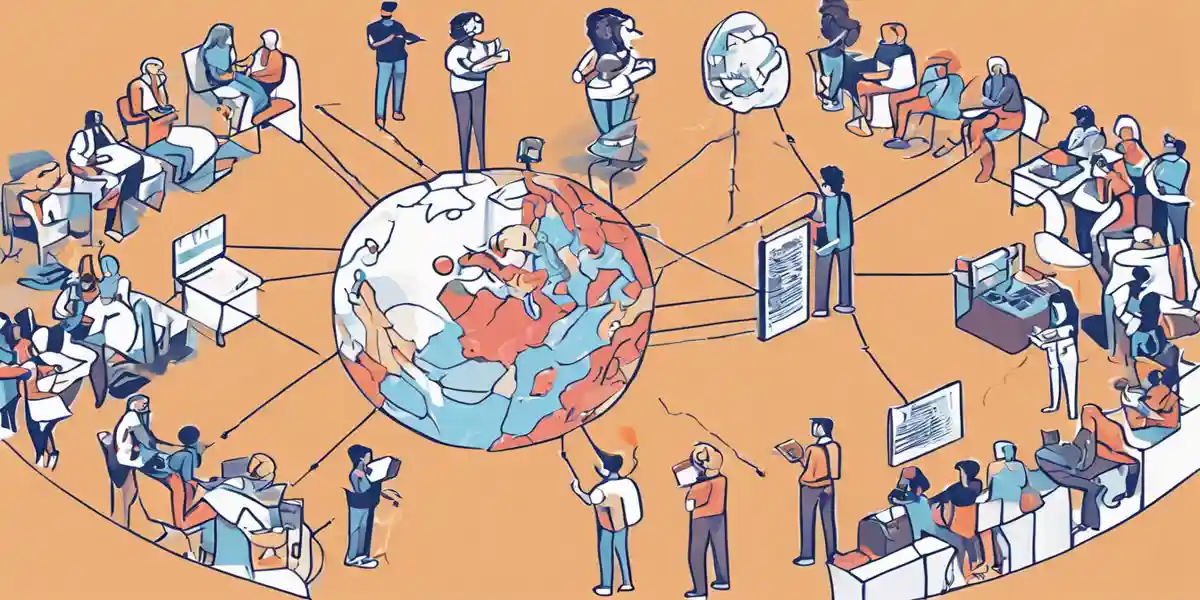
In today's rapidly evolving digital landscape, the intersection of art and technology presents new opportunities for engagement, collaboration, and expression. Decentralization in art, particularly through innovative installations in the Web3 space, introduces a transformative concept: the creation of immersive, community-driven art ecosystems known as Decentralized Art Hubs. These hubs serve as virtual spaces where artists, curators, and audiences can interact, collaborate, and co-create in real-time, all while leveraging the advantages of blockchain technology.
Imagine stepping into a vibrant virtual gallery where every piece of art transcends its static nature, evolving instead as a dynamic representation of community sentiment and engagement. In these Decentralized Art Hubs, installations are intricately tied to specific tokens that empower participants to vote on artistic directions, suggest modifications, or contribute their own artwork. Consider an installation that changes based on the time of day or local events, reflecting the collective mood of its users. This is not just art; it's a living, breathing experience shaped by the community.
Decentralized Art Hubs also utilize blockchain technology to facilitate direct transactions between artists and buyers, eliminating the need for intermediaries. This direct engagement not only ensures that creators receive a fair share of profits, but it also introduces the innovative use of smart contracts. Smart contracts govern sales, allowing art to be sold as non-fungible tokens (NFTs) while ensuring that artists earn royalties on subsequent sales. For example, when an artwork is resold, the original artist could automatically receive a percentage of the sale, a revolutionary shift that empowers creators in ways traditional galleries or auction houses cannot.
A compelling illustration of these principles can be found in the 2021 exhibition "teamLab: Continuity" at the Asian Art Museum of San Francisco. This immersive experience utilized advanced sensors and digital projection mapping to create an interactive environment where participants could influence the art itself. Here, the interplay between technology, art, and human engagement exemplifies how a collective interactive experience can be cultivated within a digital ecosystem. Such experiences not only captivate audiences but also invite them to become an integral part of the artistic process, blurring the lines between creator and observer.
This paradigm not only democratizes access to art but also fosters a profound sense of ownership and belonging within decentralized communities. Artists are no longer isolated figures in a traditional gallery setting; instead, they become part of a vibrant ecosystem where their work is continuously shaped by community interaction. As we navigate this evolving landscape, one might ponder: How might our engagement with art transform when we take on the role of active contributors in a shared creative journey?
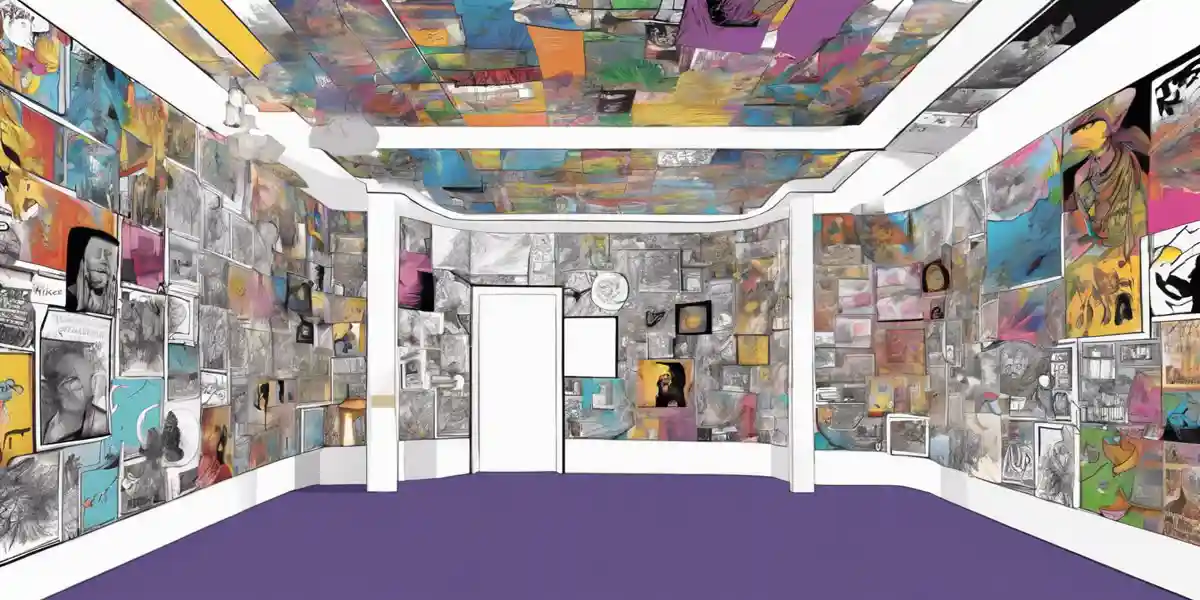
As we delve into the transformative potential of innovative art installations within the framework of Web3, it becomes evident that these creations are not merely aesthetic expressions; they are catalysts for lifestyle changes. By establishing immersive, community-driven art ecosystems, termed "Decentralized Art Hubs," we witness a seismic shift in how we interact with art and each other.
Imagine stepping into a virtual gallery that breathes and adapts, where every artwork is a living entity shaped by collective input. These Decentralized Art Hubs leverage blockchain technology to forge real-time connections among artists, curators, and audiences. In these spaces, participants can influence artistic directions through token-based voting systems. For instance, an installation could be programmed to morph based on the time of day or local happenings, offering a visual representation of community sentiment. This level of engagement transforms art from a passive consumption experience into an active, collaborative venture.
One of the most revolutionary aspects of these hubs is the elimination of intermediaries in the art marketplace. Traditionally, galleries and auction houses have taken substantial cuts from sales, often leaving artists with a fraction of their work's value. In a decentralized framework, artists can transact directly with buyers, facilitated by smart contracts that govern sales. These contracts not only streamline transactions but also ensure that artists receive royalties on future sales of their work, a significant shift from traditional practices. For example, a digital artwork sold as an NFT can be programmed to automatically grant the original creator a percentage of any subsequent resales, allowing them to benefit as their work appreciates in value.
The 2021 exhibition "teamLab: Continuity" at the Asian Art Museum of San Francisco exemplifies how innovative installations can redefine viewer engagement. Utilizing advanced sensors and digital projection mapping, this exhibition transformed six galleries into immersive environments where the audience could interact with the art. As participants engaged with digital objects, they influenced the flow and transformation of the art itself, creating a collective interactive experience. This exhibition not only showcased the potential of technology in art but also highlighted the interplay between humans and machines, encouraging visitors to reflect on their role within a digital ecosystem.
In addition to transforming the transactional nature of art, these decentralized ecosystems foster a sense of ownership and belonging among community members. When individuals contribute to the artistic journey—whether by suggesting modifications, displaying their art, or voting on new directions—they develop a deeper connection to the work and to each other. This sense of community is further amplified by the shared experience of engaging with dynamic installations that reflect the collective mood and sentiments of its users. As we continue to explore this evolving landscape, we are left to ponder how our engagement with art—and with one another—might deepen when we become active participants in the creative process.
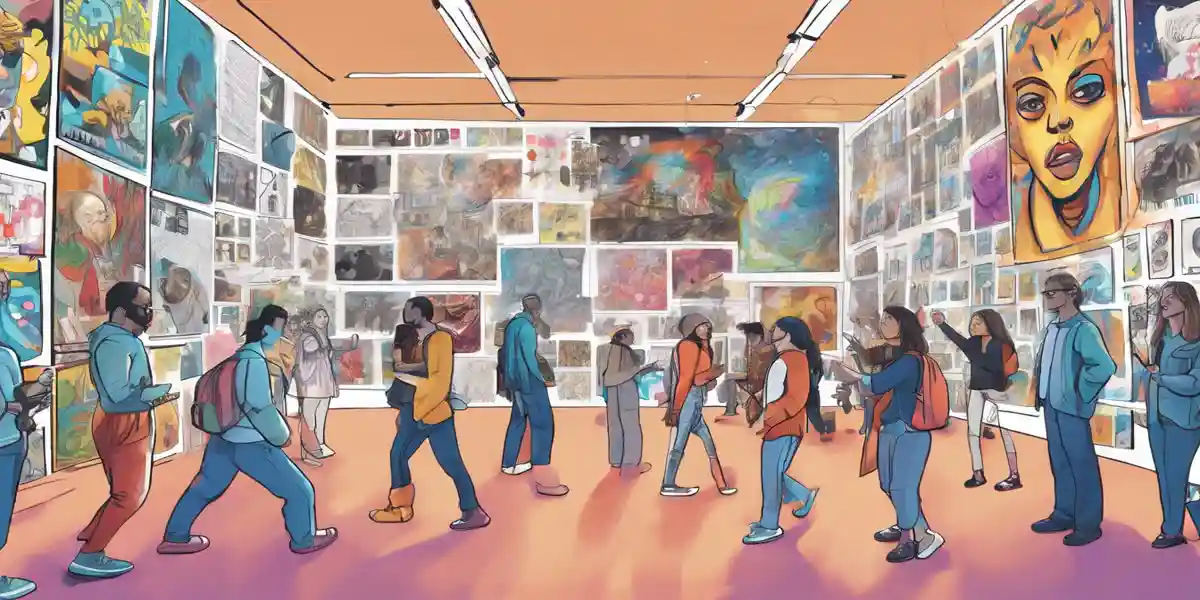
In the realm of Web3, art is not merely an object to behold but an experience to live. This shift towards experiential engagement redefines how we interact with artistic expressions and each other in a decentralized space. Central to this phenomenon are "Decentralized Art Hubs," which serve as dynamic platforms where creativity, technology, and community converge.
Imagine walking into a virtual gallery where each art piece pulses with the energy of its audience. In these decentralized art hubs, every piece is more than just a visual experience; it's a living, breathing entity that evolves based on community interaction. By leveraging blockchain technology, these hubs enable real-time collaboration among artists, curators, and viewers. Each participant can influence the artwork, suggesting modifications or adding their own creative touch through token-based systems. This interactivity transforms passive observation into active participation, allowing users to shape the art in response to their sentiments.
At the heart of these installations is the use of tokens, which empower users to vote on artistic directions or propose changes. For example, an art piece could change colors or themes based on collective user feedback or even adapt to the time of day, reflecting the community's mood. This not only fosters a deeper connection to the artwork but also creates a shared sense of ownership among participants. By decentralizing the creative process, these hubs allow for a richer tapestry of cultural expression that resonates with diverse audiences.
Decentralized Art Hubs also revolutionize the art market by facilitating direct transactions between artists and buyers. Utilizing smart contracts, these platforms eliminate intermediaries, ensuring that creators receive a fair share of profits. Smart contracts can automate processes, such as ensuring artists earn royalties on secondary sales of their work, thus providing a sustainable income model that traditional galleries often overlook. This financial empowerment encourages artists to experiment and innovate, knowing they are supported by a structure that values their contributions.
A notable example of experiential engagement in art can be found in the 2021 exhibition “teamLab: Continuity” at the Asian Art Museum of San Francisco. This exhibition showcased a captivating immersive experience across six galleries, employing advanced sensors and digital projection mapping. Here, art was not static; it responded dynamically to the actions of participants. Visitors could influence the artwork, creating a dialogue between digital objects and human engagement. This collective interactive experience embodied the potential of technology to enhance artistic expression, demonstrating how art can flourish in a digital ecosystem.
As we reflect on these developments, we must ask ourselves: How does our relationship with art transform when we step beyond the role of passive observers? In these decentralized environments, each of us becomes a contributor, an influencer, and a co-creator. The implications of such engagement extend beyond the artwork itself, fostering a sense of belonging and community in a world increasingly defined by digital interactions. With each new installation, we inch closer to a reality where art and community are inextricably linked, redefining our lifestyle and cultural landscape in the age of Web3.
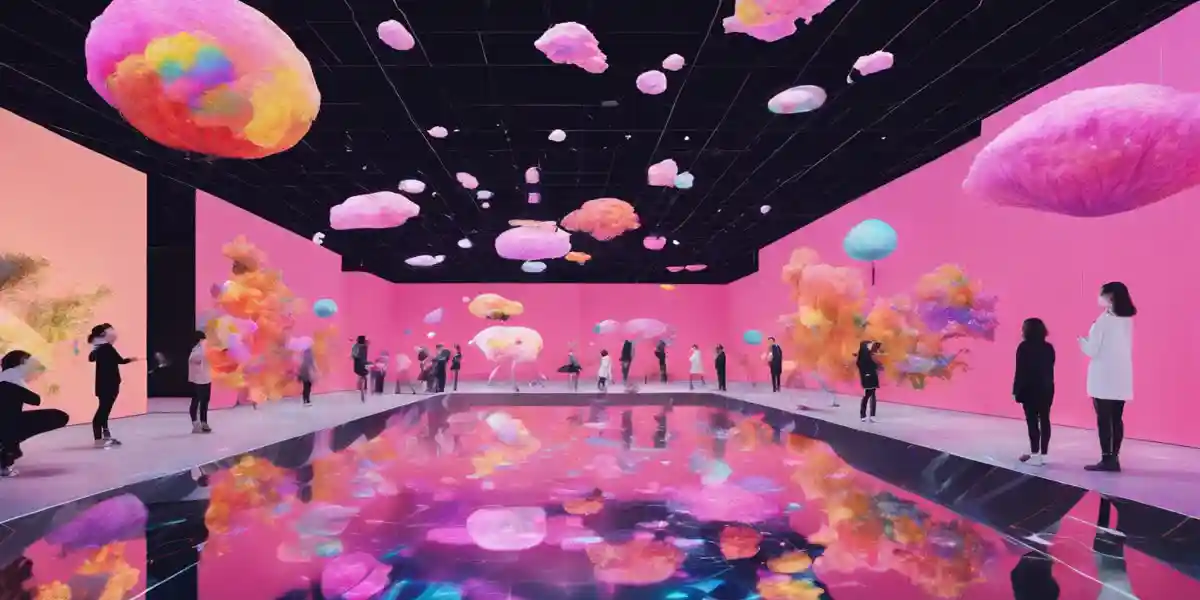
The rise of non-fungible tokens (NFTs) has brought forth a transformative wave in the world of art, reshaping how artists and audiences interact and engage with creative works. This shift is particularly pronounced in the context of community-driven art ecosystems, where ownership and participation redefine the conventional relationship between creators and their audiences.
Imagine stepping into a virtual realm where art is not merely observed but experienced collaboratively. Decentralized Art Hubs create this vibrant atmosphere, allowing artists, curators, and audiences to interact in real time. These hubs utilize blockchain technology to facilitate a more democratic approach to artistic expression. Each artwork can be tied to specific tokens, empowering participants to influence its evolution through votes and suggestions. For example, a digital piece could change its colors or themes based on community feedback or local events, embodying the collective sentiment of its contributors.
At the core of this transformation lies the technology of smart contracts. These self-executing contracts with the terms of the agreement directly written into code enable seamless transactions between artists and buyers. By eliminating intermediaries, smart contracts ensure that artists receive a fair share of the profits from their work. For example, when an artist sells an NFT, they can encode a royalty clause that guarantees them a percentage of future sales. This revolutionary model not only empowers creators but also establishes a sustainable income stream that traditional galleries often fail to provide. The challenges of understanding smart contracts, as highlighted in recent studies, suggest that while the technology offers immense potential, there remains a need for broader education on navigating these digital agreements.
The 2021 exhibition "teamLab: Continuity" at the Asian Art Museum of San Francisco exemplifies how interactive digital art can engage audiences in meaningful ways. By leveraging advanced sensors and digital projection mapping, the installation invited participants to influence the art directly, creating a dynamic interplay between human engagement and technology. This exhibition serves as a model for how decentralized art can foster community involvement, allowing individuals to become contributors rather than just passive viewers.
As NFTs continue to gain traction, the democratization of art becomes increasingly evident. Artists from diverse backgrounds can now access global audiences without the constraints of traditional gatekeeping from galleries or institutions. This shift encourages a sense of ownership and belonging among community members, as they actively participate in the creation and evolution of art. The question arises: what happens to our understanding of art when we are not just consumers but also creators, collaborators, and co-owners in this decentralized landscape?
As we look toward the future of art within decentralized frameworks like Web3, we find ourselves at a crossroads of creativity, technology, and community involvement. The rise of Decentralized Art Hubs signifies a groundbreaking shift in how art is created, experienced, and owned. These innovative ecosystems not only alter the traditional art market but also encourage a more participatory culture where everyone has a voice.
Imagine stepping into a virtual gallery where the art is alive, changing in response to the collective input of its audience. This vision is becoming a reality through Decentralized Art Hubs, which leverage blockchain technology to foster community engagement and collaboration. Participants can influence artistic directions by voting on changes, suggesting modifications, or contributing their own work. In this way, the art becomes a living entity that adapts based on community sentiment.
For example, consider a digital installation that shifts colors and shapes depending on the time of day, or one that incorporates local events or festivals, creating a unique experience for its audience. This dynamic nature not only makes art more relevant but turns it into a shared experience that reflects the community's mood, something traditional art forms often lack.
Decentralization also democratizes the financial aspects of art. By facilitating direct transactions between artists and buyers, these hubs eliminate the need for intermediaries, ensuring that creators receive a fair share of profits. Smart contracts play a crucial role here; they can govern the sale of art as NFTs, automatically executing payments and royalties without human intervention. This model empowers artists by guaranteeing they earn a percentage on secondary sales, a feature not typically afforded by traditional galleries.
Such practices not only enhance the economic viability of art for creators but also encourage buyers to invest in pieces that resonate with their values. With transparency and security embedded in these digital contracts, trust is fostered between artists and collectors, paving the way for a more sustainable art market.
The concept of collective interactive experiences, as highlighted in exhibitions like "teamLab: Continuity," exemplifies the fusion of technology, art, and human engagement. In this exhibition, participants could directly influence the art through their interactions, showcasing how technology can deepen our connection to artistic expression. Such immersive experiences challenge the notion of passive observation, inviting audiences to become active contributors in shaping the art they consume.
As we embrace this decentralized future, we must also consider the implications of our interactions with art. How will our understanding of ownership evolve when we can collectively create and influence art? How might our appreciation for creativity deepen when we are part of a collaborative process? These questions invite us to reflect on our role within the artistic landscape, encouraging a mindset shift from consumer to co-creator.
In conclusion, the decentralized art movement is not just a technological evolution; it is a cultural revolution. By embracing the principles of community, collaboration, and direct engagement, we are not only reshaping the art world but also redefining our lifestyles in an increasingly digital era. As we continue to explore these innovative installations and their potential, we stand on the brink of a vibrant, inclusive future where art is a shared journey rather than a solitary experience.
In the world of Web3, the concept of Decentralized Art Hubs is revolutionizing how we perceive and interact with art. These immersive ecosystems leverage blockchain technology to create dynamic spaces where artists, curators, and audiences can unite in real-time. Imagine a vibrant virtual gallery where every piece of art is alive, evolving with community sentiment and engagement.
Think about the possibilities: a digital installation that changes based on the time of day or local events. Each art piece could be linked to specific tokens, allowing participants not just to view but to influence the artistic direction. For example, in a decentralized hub, a community could vote on which artwork to display next, suggest modifications, or even contribute their own creations. This kind of participatory art transforms viewers into active creators, enhancing the overall experience.
A prime example of this innovative interaction can be seen in the 2021 exhibition "teamLab: Continuity" at the Asian Art Museum of San Francisco. This installation utilized advanced sensors and digital projection mapping to create an immersive experience across six galleries. Visitors were not mere spectators; they could actively influence the art through their movements and interactions. This exhibition exemplified a blend of technology and human engagement, illustrating the potential of collective interactive experiences within a digital ecosystem.
At the heart of these decentralized art hubs lies the technology of smart contracts. These self-executing contracts with the terms of the agreement directly written into code facilitate secure transactions without intermediaries. By using smart contracts, artists can sell their work as NFTs, ensuring they receive a fair share of profits directly from buyers. Moreover, these contracts can also guarantee artists royalties on future sales, an empowering shift from traditional gallery systems where profits are often unevenly distributed.
However, navigating the world of smart contracts is not without its challenges. As highlighted in recent analyses, many individuals struggle with understanding the complex language and mechanics behind these contracts. This emphasizes the need for better education and resources to empower creators and collectors alike. As the market for digital art continues to grow, addressing these challenges will be crucial in fostering a sustainable and inclusive ecosystem.
The establishment of Decentralized Art Hubs not only democratizes access to art but also cultivates a sense of ownership and belonging among participants. Imagine being part of a community where your voice matters in shaping artistic narratives. This shared creative journey prompts us to reconsider our role in the art world: How do we engage with art when we are integral to its creation and evolution? The transition from passive observation to active participation could redefine our relationship with art and culture in profound ways.
As we navigate the transformative landscape of decentralization in art, we find ourselves witnessing a remarkable evolution in how art is created, experienced, and valued. The emergence of Decentralized Art Hubs marks a pivotal shift, allowing artists, curators, and audiences to engage in real-time collaboration, fostering a sense of community and ownership that has long been absent in traditional art paradigms.
Through innovative installations like teamLab: Continuity, we see art transcending its static form, becoming a living entity shaped by collective input. With every piece evolving based on community sentiment, art transforms from a passive experience into an active dialogue. These immersive environments not only enrich the viewer's experience but also challenge us to reconsider our roles as consumers of art. Are we content to remain passive observers, or will we choose to engage, influence, and co-create?
The integration of blockchain technology and smart contracts within these hubs democratizes the art market, ensuring that artists retain a fair share of their profits and royalties. This shift not only protects creators but also encourages a diverse range of artistic voices to emerge, free from the constraints of traditional gatekeeping. As we embrace this new model, we must ask ourselves: how can we support and participate in this ecosystem to ensure its growth and sustainability?
As we stand at the forefront of a cultural revolution, it is essential for us to actively participate in this decentralized future. Whether you are an artist, a collector, or simply an art enthusiast, your engagement can help shape the artistic landscape of tomorrow. Consider exploring these innovative platforms, advocating for decentralized art initiatives, and experimenting with how you interact with art in your community. Let's not just observe this evolution—let's be a part of it. The future of art is collaborative, inclusive, and profoundly exciting. Are you ready to join the journey?
Get notified about new articles, coffee tips, and Web3 insights.
This site participates in affiliate programs and may earn a commission when a link is clicked and a purchase is made. The site is not responsible for any issues or troubles related to the products or services purchased through the use of this site.

DO&COFFEE loves coffee and technology, exploring the potential of NFTs and blockchain. Learn more →
DO&COFFEE loves coffee and technology, exploring the potential of NFTs and blockchain. Learn more →