art
2024/09/01
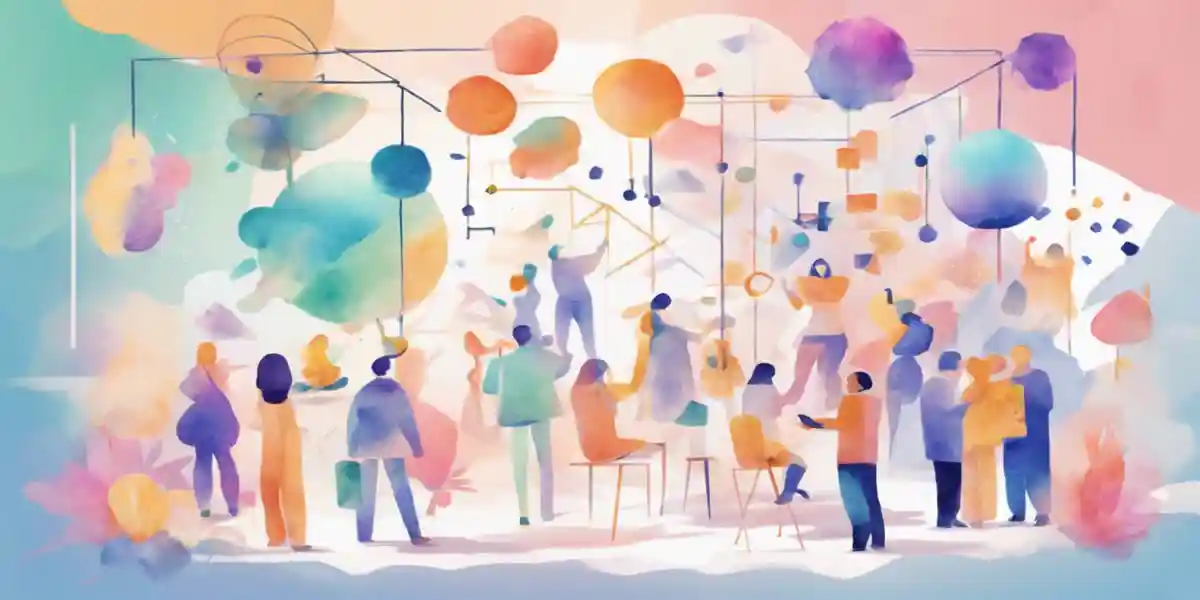
Have you ever wondered how technology can breathe new life into the world of art? Picture a vibrant virtual art festival, unfolding in the Metaverse, where artists and enthusiasts from every corner of the globe converge to share and celebrate creativity. This isn't just a fanciful vision; it's becoming a reality through the transformative power of blockchain technology. By enabling artists to mint and sell their digital creations as Non-Fungible Tokens (NFTs), blockchain ensures authenticity and ownership, addressing some of the significant challenges faced by traditional art markets.
As you navigate through immersive 3D galleries, interact with art pieces enhanced by augmented reality, and engage in dynamic discussions with creators—each transaction is fortified by the transparency and security of blockchain. This evolution not only empowers artists by automating royalties through smart contracts, creating sustainable income streams, but it also dismantles geographical barriers, making art more accessible to everyone, regardless of their financial means. With features like virtual meet-and-greets and collaborative workshops, these festivals nurture a sense of community, allowing for real-time collaboration and inspiration.
In this blog post, we will dive into the intersection of blockchain and the Metaverse, exploring how they are revolutionizing art festivals. From the pivotal role of NFTs to the empowerment of artists through decentralized platforms, we will uncover the promising future that lies ahead. Join us as we unlock the creativity that knows no bounds and discover how every artist can find their voice in this new digital landscape.
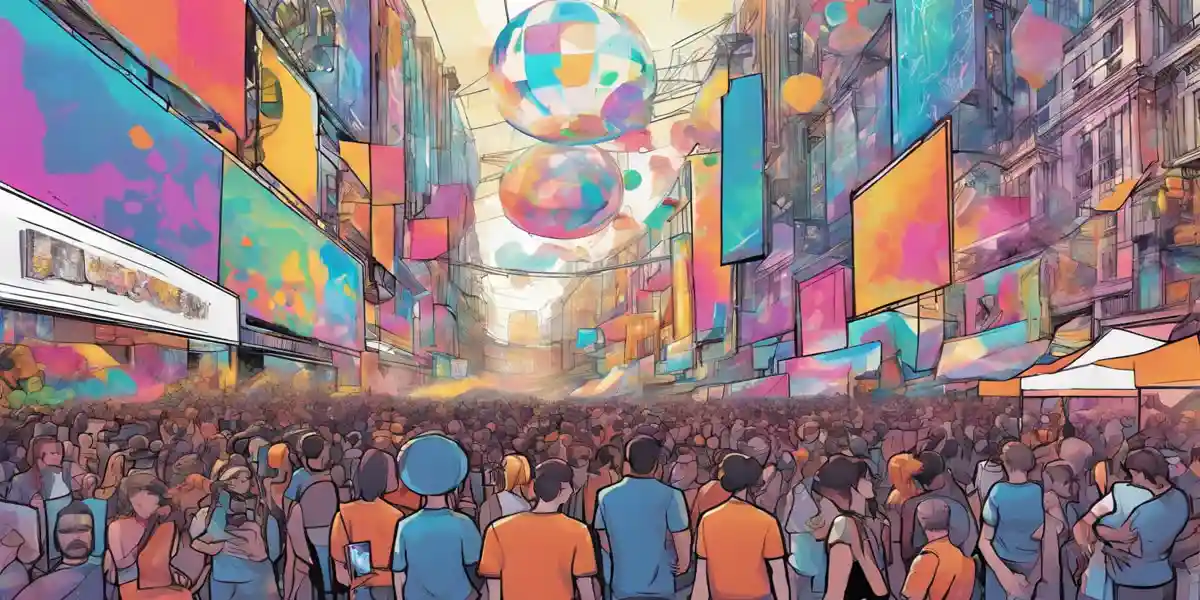
The convergence of blockchain technology and the Metaverse has opened up a world of possibilities, particularly in the realm of art festivals. Imagine a vibrant virtual art festival where creators from every corner of the globe gather to showcase their works, connect with audiences, and collaborate in real-time. This innovative concept leverages the decentralized nature of blockchain to transform how art festivals operate, ensuring authenticity, ownership, and accessibility.
At its core, blockchain is a distributed ledger technology that records transactions across many computers in a way that ensures the security and integrity of data. Each transaction is encrypted and linked to the previous one, creating a chain of blocks that is virtually tamper-proof. This is particularly significant for creators and collectors in the art world, as it allows for the minting of digital artworks as Non-Fungible Tokens (NFTs). NFTs are unique digital assets verified using blockchain technology, providing artists with a way to establish clear ownership and provenance for their work.
The Metaverse represents a collective virtual shared space, created by the convergence of virtually enhanced physical reality and persistent virtual reality. In this immersive environment, users can interact with a computer-generated environment and other users in real-time. Art festivals in the Metaverse can take many forms, from fully immersive 3D galleries to augmented reality experiences that bring art to life in new and exciting ways.
Several pioneering art festivals have already begun to embrace the use of blockchain technology. For instance, the "Art Basel" festival has experimented with virtual exhibitions that allow artists to showcase their work online, with the potential for NFT sales integrated into the experience. Similarly, the "NFT NYC" event brings together artists, collectors, and enthusiasts to celebrate digital art and the impact of NFTs on the art market. These examples illustrate how artists can utilize blockchain to create new revenue streams while enhancing the overall experience of art festivals.
One of the most significant advantages of integrating blockchain into art festivals is the enhanced transparency and security it offers. Every transaction—whether it’s the purchase of an artwork, an entry ticket, or a virtual experience—remains traceable and secure. Smart contracts can be employed to automate royalty payments, ensuring that artists receive a percentage of future sales whenever their work is resold. This not only creates a sustainable income stream for artists but also builds trust within the community.
Traditionally, attending art festivals often requires significant financial investment and travel, limiting access for many potential attendees. However, the Metaverse breaks down these geographical barriers, allowing anyone with an internet connection to participate, regardless of their location or financial means. This democratization of art access is vital in creating a more inclusive environment where creativity can flourish.
In this virtual landscape, social interactions can thrive. Art festivals can incorporate elements such as virtual meet-and-greets, panel discussions, and collaborative workshops, allowing creators to forge meaningful connections, share inspirations, and even co-create art pieces in real-time. The fostering of community within the Metaverse not only enriches the festival experience but also encourages innovation among artists and audiences alike.
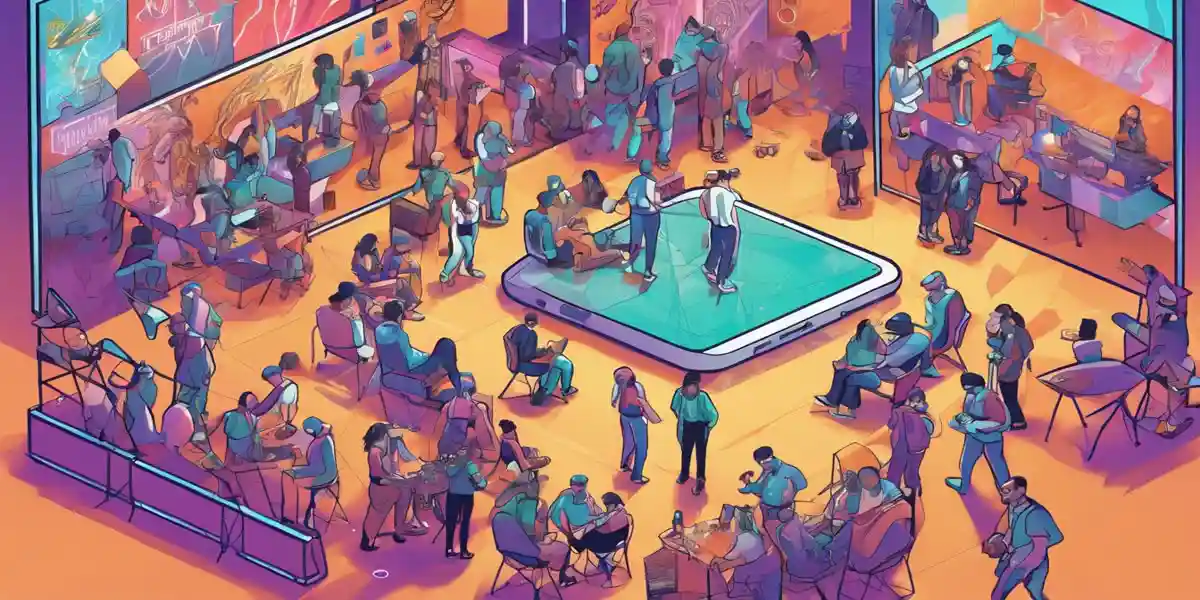
This section explores how blockchain technology is fundamentally transforming art festivals, creating new opportunities for artists and audiences alike in the Metaverse.
Imagine walking into a vibrant virtual art festival, where artists from every corner of the globe showcase their digital creations. Powered by blockchain, this decentralized platform eliminates traditional gatekeeping mechanisms, allowing creators to mint and sell their art as Non-Fungible Tokens (NFTs). This ensures not only authenticity but also a clear record of ownership—something that has historically been a challenge in the art world. For instance, platforms like OpenSea and Rarible have already started enabling artists to list their NFTs, creating a marketplace that operates without intermediaries.
Attendees at a blockchain-enabled art festival can explore immersive 3D galleries, where each artwork can be interacted with using augmented reality. This level of engagement is unprecedented. Imagine viewing a digital sculpture that changes color based on your mood, or a painting that tells a story as you approach it. The integration of smart contracts further enhances this experience by ensuring that every transaction—be it purchasing an artwork, acquiring an entry ticket, or accessing a virtual workshop—is secure and transparent. This fosters trust and encourages more people to participate in the digital art economy.
One of the most revolutionary features of blockchain technology in the art world is the implementation of smart contracts for automated royalties. Artists can ensure that they receive a percentage of future sales whenever their work is resold. This not only provides a sustainable income stream but also incentivizes artists to create more innovative works. For example, if an artist sells an NFT for $1,000 and it is later sold for $10,000, the smart contract can automatically transfer a predetermined royalty percentage back to the original creator, ensuring they benefit from their work's growing value.
Art festivals traditionally require physical attendance, often excluding individuals from different regions or those unable to afford travel. Blockchain technology removes these barriers, allowing anyone with an internet connection to participate. This democratization of access is crucial, as it opens doors for underrepresented artists and audiences. As highlighted in the research, the Metaverse holds immense potential across various fields, and art is no exception. By integrating social elements—like virtual meet-and-greets and collaborative workshops—artists and attendees can forge meaningful connections and share inspirations, regardless of their physical locations.
In this new digital landscape, art festivals can facilitate real-time collaboration. Imagine a musician and a visual artist working together on a project during the festival, with attendees watching the creative process unfold live. The ability to co-create art pieces in real-time not only enhances the festival experience but also fosters a sense of community among participants. As the research indicates, this collaborative spirit can lead to innovative works that blend different forms of expression, showcasing the true potential of digital artistry.
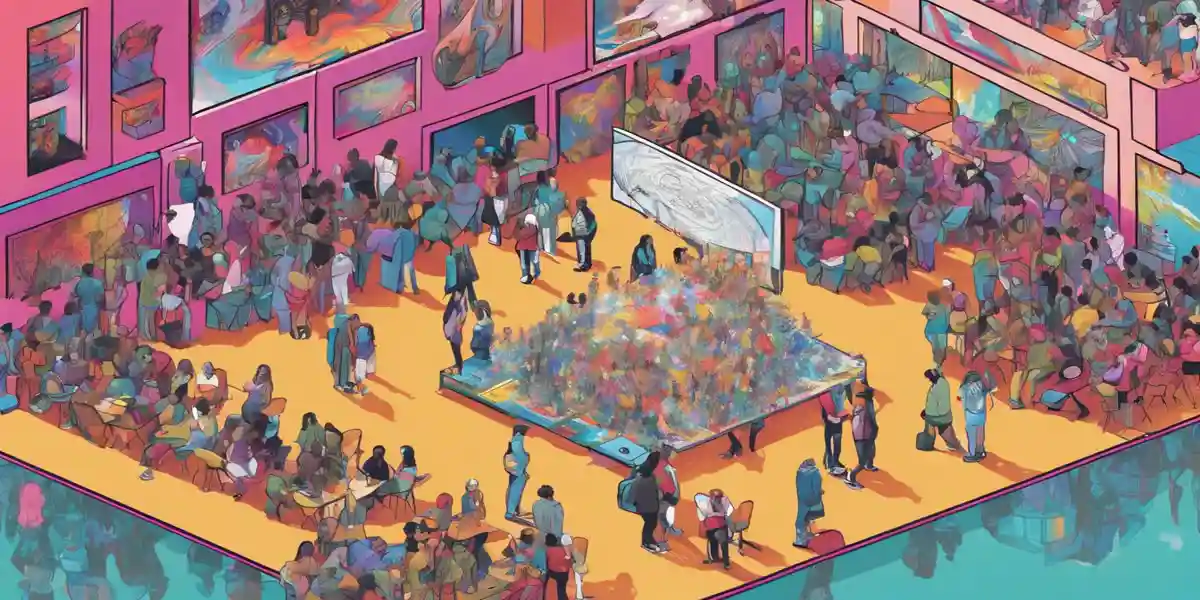
At the heart of the virtual art festival experience in the Metaverse lies the transformative power of Non-Fungible Tokens (NFTs). These digital assets not only redefine ownership but also introduce a new layer of interaction between artists, collectors, and fans. As we delve into the role of NFTs, it's crucial to understand how they enhance the overall festival experience, ensuring authenticity and fostering a vibrant, interconnected community.
One of the most significant advantages of NFTs is their ability to establish verifiable ownership of digital artworks. In a traditional art market, the provenance of an artwork can often be murky, leading to issues of authenticity and value assessment. However, NFTs are built on blockchain technology, which provides a transparent and immutable ledger of ownership. Each NFT contains metadata that includes details about the creator, transaction history, and the specific artwork it represents. This ensures that buyers can trust they are purchasing original works, not reproductions or fakes.
For instance, consider the case of digital artist Beeple, who sold an NFT artwork for a staggering $69 million at a Christie's auction. This sale not only highlighted the value of digital art but also demonstrated how NFTs can provide tangible proof of ownership and authenticity, transforming the way art is valued and sold.
Another groundbreaking aspect of NFTs in art festivals is the implementation of smart contracts, which automate the payment of royalties to artists upon resale of their work. Traditionally, artists often miss out on profits from secondary sales, but with NFTs, they can set a percentage of future sales to be directed back to them. This model creates a sustainable income stream that supports artists in a way that traditional galleries and auction houses rarely do.
For example, an artist might sell an NFT for $1,000 with a 10% royalty fee. If that NFT is later resold for $10,000, the original artist automatically receives $1,000, thanks to the smart contract built into the NFT. This not only incentivizes artists to create but also fosters a community where their work continues to generate income long after the initial sale.
Art festivals have historically been limited by geography, often accessible only to those in specific locations or with sufficient financial means. NFTs in the Metaverse can break down these barriers, enabling global participation. Artists can showcase their works to a worldwide audience without the need for physical space or travel expenses. Virtual galleries can host thousands of visitors simultaneously, allowing attendees from diverse backgrounds to engage with art in ways previously thought impossible.
A notable example is the "Art Basel" festival, which has embraced digital art and NFTs, creating virtual spaces where artists from around the world can exhibit their creations. This democratization of access allows not only established artists to gain visibility but also emerging talents to share their work on a global stage.
As NFTs revolutionize art festivals, they also encourage cultural exchange and community building. The virtual nature of these festivals promotes interaction through live discussions, collaborative workshops, and social meet-and-greets, creating a space where creators and audiences can connect meaningfully. The Metaverse allows for the blending of cultures, as artists from different backgrounds come together to share their experiences and inspirations.
Research has shown that the evolution of visual imagery, especially through the lens of NFTs, reflects personal experiences and cultural influences, contributing to a richer, more diverse artistic landscape. By participating in virtual art festivals, attendees not only appreciate art but also contribute to a dialogue surrounding cultural values and expression in the digital age.
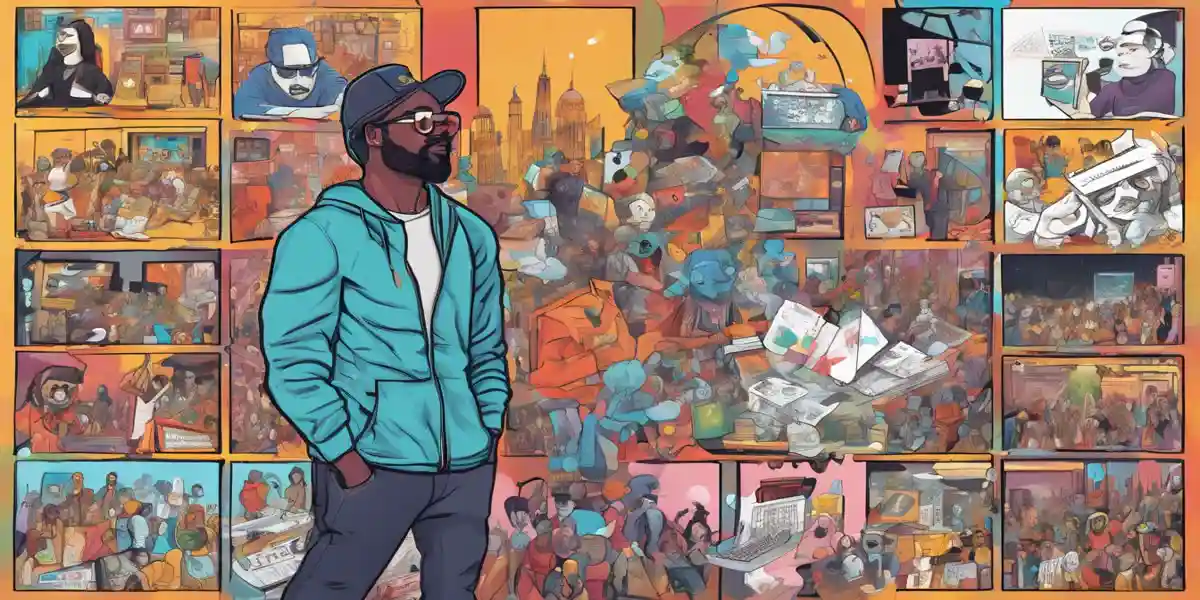
Decentralized platforms are at the core of the Metaverse's art revolution, shifting the power dynamic from traditional gatekeepers to the artists themselves. With the advent of blockchain technology, artists are no longer reliant on galleries or auction houses to showcase their work. Instead, they can independently mint and sell their digital artworks as Non-Fungible Tokens (NFTs), ensuring their authenticity and ownership in a way that challenges conventional art market structures.
NFTs serve as a digital certificate of authenticity, allowing artists to prove ownership and provenance of their creations. This transformative approach not only empowers artists by providing them with direct access to their audience but also ensures that they can retain a larger share of the profits. For instance, the artist Beeple made headlines in 2021 when his NFT artwork sold for a staggering $69 million at Christie's auction house, illustrating the potential earnings that artists can achieve through decentralized platforms.
One of the most significant features of blockchain technology is the implementation of smart contracts. These self-executing contracts automatically enforce the terms of agreements between parties without the need for intermediaries. In the context of art festivals in the Metaverse, smart contracts can automate royalty payments, meaning that artists receive a percentage of the sale each time their work is resold. This creates a sustainable income stream that is often lacking in traditional art sales, where artists typically see no financial benefit from subsequent transactions.
Decentralized platforms also democratize access to art festivals, enabling participation from artists and audiences regardless of their physical location. Imagine an artist in a remote village showcasing their work at a global festival without the financial burden of travel or exhibition fees. This inclusivity not only empowers underrepresented voices but also enriches the artistic dialogue within the Metaverse. The concept of digital galleries allows diverse cultural expressions to be shared and appreciated worldwide, exemplifying a truly global art community.
Blockchain-enabled art festivals foster an environment of collaboration and community-building. With features like virtual meet-and-greets, workshops, and collaborative art creation sessions, artists can connect in unprecedented ways. For instance, platforms like Cryptovoxels allow creators to construct their own virtual galleries and work alongside others to create immersive art experiences. This interaction is essential for nurturing creativity and innovation, as artists can share inspiration and techniques in real-time, breaking the isolation often felt in traditional art practices.
Several projects exemplify the potential of decentralized platforms in empowering artists. For instance, the platform Foundation allows creators to mint and sell their NFTs while fostering a community through curated exhibitions. Additionally, the decentralized art collective known as Art Blocks enables artists to generate unique digital art pieces algorithmically, providing both ownership and revenue directly to the creators without intermediary fees.
As the Metaverse continues to evolve, the integration of decentralized platforms will further empower artists, allowing them to reclaim control over their work, engage with global audiences, and establish sustainable practices that were previously unattainable in the traditional art market.
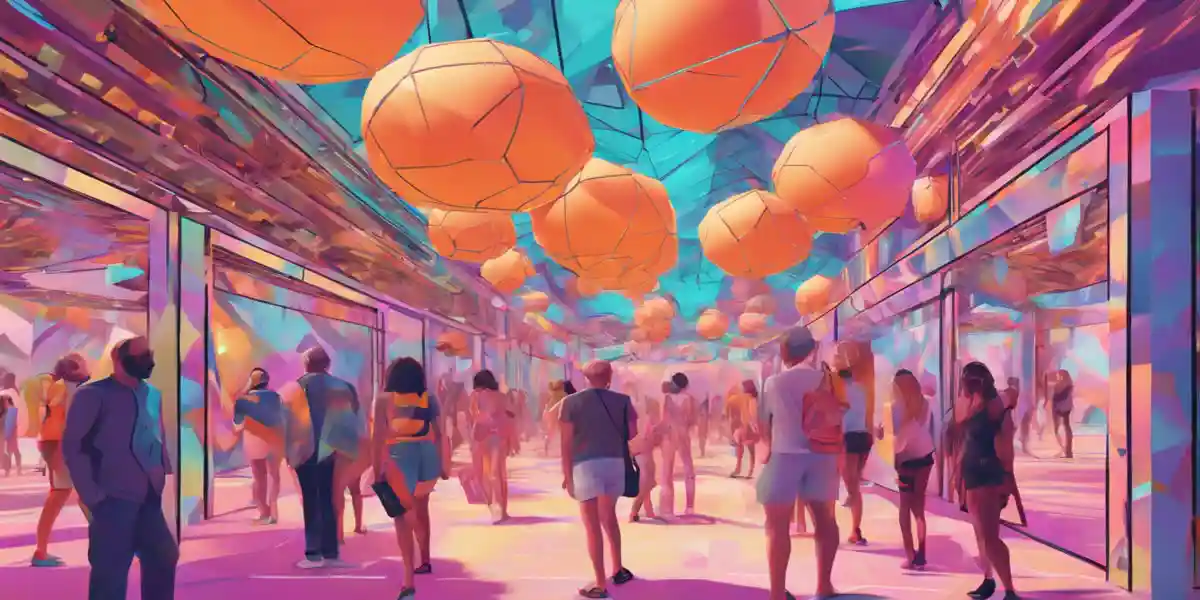
Imagine a world where art festivals extend beyond physical boundaries, allowing artists and audiences from every corner of the globe to connect in a vibrant digital landscape. This vision is rapidly becoming a reality, thanks to the integration of blockchain technology and the Metaverse. The future of art festivals is not just about showcasing art; it’s about creating immersive experiences that redefine how we engage with creativity.
At the heart of this transformation is the concept of Non-Fungible Tokens (NFTs). Artists can mint their works as NFTs, ensuring authenticity and ownership in a decentralized manner. Unlike traditional art markets, where provenance can be murky, blockchain technology guarantees that each digital artwork has a verifiable history. As highlighted in recent studies, the significance of visual imagery in the context of NFTs continues to evolve, reshaping cultural norms and value assessments. This technology empowers artists to maintain control over their creations and establish a direct connection with collectors.
Envision walking through a virtual gallery where every piece of art comes alive through augmented reality. Attendees at a Metaverse art festival can explore 3D spaces, interacting with art in ways that were previously unimaginable. For example, platforms like Decentraland and Cryptovoxels are already offering users the ability to create and curate immersive experiences that encourage deeper engagement. Visitors can view artwork up close, attend live-streamed discussions with artists, and even purchase pieces instantly—all while navigating a richly detailed digital environment.
Blockchain technology doesn’t just enhance the viewing experience; it also revolutionizes how artists earn a living. Smart contracts automate royalty payments, ensuring that artists receive a percentage of future sales every time their work is resold. This model fosters a sustainable income stream that traditional art markets often lack. For instance, if a digital painting sells for $1,000 and later sells again for $10,000, the original artist can automatically receive a predefined percentage from the latter sale, securing their ongoing financial support.
Art festivals in the Metaverse can democratize access to art, breaking down geographical barriers that have historically excluded many. Attendees can join from anywhere in the world, allowing those who may not afford traditional art events to participate. This inclusivity is a significant shift in how art is consumed and appreciated. With the rise of digital art, we’re witnessing a cultural shift that embraces a global audience, fostering connections that transcend borders.
Beyond just viewing art, these festivals integrate social elements that encourage networking and collaboration. Virtual meet-and-greets, collaborative workshops, and live discussions allow creators to forge meaningful connections. Artists can share inspirations and even co-create pieces in real-time, enhancing the sense of community that is often missing in traditional art festivals. As the research suggests, the Metaverse holds vast potential for fostering social interactions, enabling new forms of creativity that reflect diverse cultural experiences.
Several real-world examples illustrate the potential of art festivals in the Metaverse. The "Art Basel" festival has embraced digital art and NFTs, hosting exhibitions that feature virtual artworks alongside traditional pieces. Similarly, the "Christie’s Auction House" made headlines by selling an NFT artwork for $69 million, highlighting the growing acceptance and valuation of digital art. These events not only showcase pioneering talent but also set a precedent for the future of art festivals, where innovation and tradition coexist harmoniously.
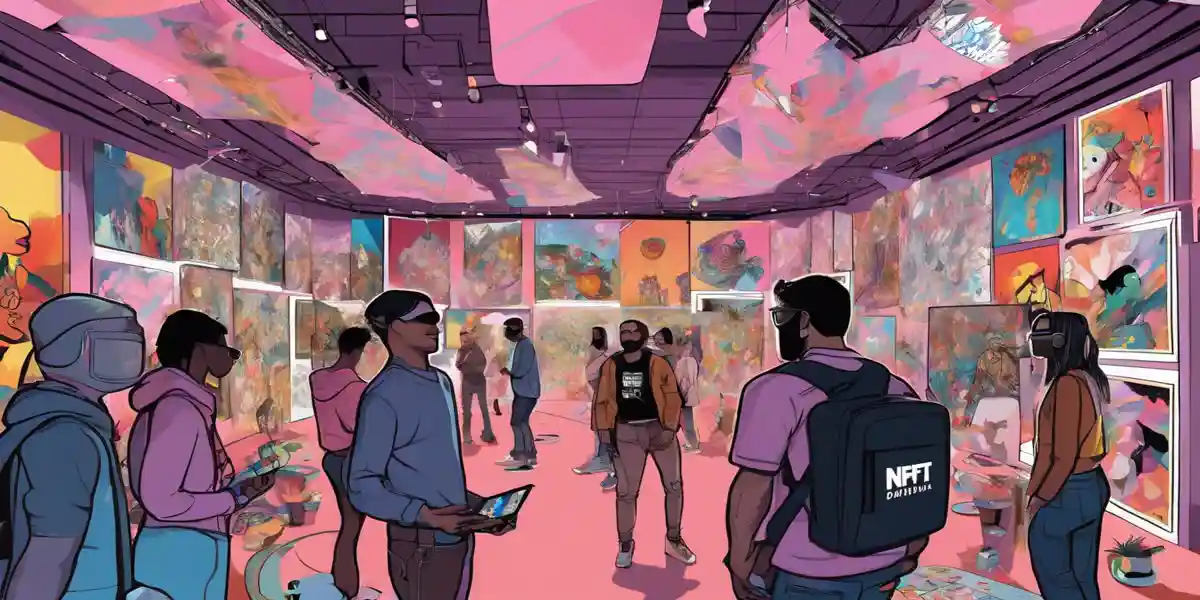
Envision a revolutionary virtual art festival set within the Metaverse, where artists from various corners of the globe gather to exhibit their works, engage with audiences, and collaborate seamlessly in real-time. This innovative concept harnesses the power of blockchain technology to establish a decentralized platform that dramatically transforms the traditional art festival model.
At the heart of this virtual festival lies the ability for artists to mint and sell their digital artworks as Non-Fungible Tokens (NFTs). NFTs serve as unique digital certificates of authenticity, ensuring ownership and provenance in a manner that traditional art markets often grapple with. For instance, renowned digital artist Beeple made headlines when his NFT artwork sold for a staggering $69 million, illustrating the potential market value of digital art when backed by blockchain technology.
Attendees of this festival can navigate immersive 3D galleries, where art pieces come to life through augmented reality. Imagine walking through a digital gallery, where you can interact with art installations, manipulate elements with your gestures, or even create your own art pieces alongside established artists. This level of engagement goes beyond mere observation; it invites participation in a way that traditional festivals cannot match.
Blockchain plays a critical role in ensuring that every transaction—whether it's for purchasing an artwork, buying an entry ticket, or accessing exclusive virtual experiences—remains transparent and secure. Smart contracts, self-executing contracts with the terms of the agreement directly written into code, can automate royalties for artists. This means that whenever their work is resold, a predetermined percentage goes back to the original creator, fostering a sustainable income stream that stands in stark contrast to traditional art sales models.
The virtual art festival has the potential to dismantle geographical barriers that often exclude diverse audiences from traditional art events. By leveraging the Metaverse, individuals who may not have the financial means or physical ability to attend in-person festivals can experience art on an equal footing. This democratization of access not only promotes inclusivity but also enriches the cultural tapestry of the festival by inviting a broader array of perspectives and experiences.
Integrating social elements—such as virtual meet-and-greets, collaborative workshops, and live Q&A sessions with artists—enhances the festival experience. Participants can forge meaningful connections, exchange inspirations, and even co-create art pieces in real-time. This collaborative spirit fosters a sense of community, allowing creators and enthusiasts to build networks that transcend the limitations of physical space.
The evolution of visual imagery in the context of NFTs is profound. As explored in recent studies, the significance of images—shaped by personal experiences and cultural differences—continues to transform through digitalization. This transformation is not merely aesthetic; it has deep implications for how value is assessed in the art world. For instance, the rise of digital art challenges traditional valuation methods, pushing us to reconsider what constitutes artistic worth in an increasingly digital society.
The development of the Metaverse is multifaceted, encompassing a plethora of fields such as technology, gaming, education, and culture. While there are challenges—such as ensuring security and user interaction—these hurdles also present opportunities for innovation. As the Metaverse evolves, the intersection of blockchain technology and user engagement will play a pivotal role in shaping the future of art festivals and the broader cultural landscape.
As we journey through the transformative landscape of art festivals in the Metaverse, it becomes evident that blockchain technology is not merely a trend; it is a revolution that is reshaping creativity and accessibility. From the introduction of Non-Fungible Tokens (NFTs), which secure ownership and authenticity, to decentralized platforms that empower artists directly, the implications are profound. No longer do artists need to rely on traditional gatekeepers; they can now engage with a global audience, ensuring their voices are heard and their works valued.
Moreover, the ability to break down geographical barriers invites a diverse array of artists and art enthusiasts to participate, fostering a richer cultural dialogue. Imagine a world where anyone, regardless of their location or financial means, can explore immersive 3D galleries, attend live discussions, and collaborate on creative projects. The potential for community-building and collaborative creation in this digital realm is limitless, promoting innovation and inclusivity in ways that traditional art festivals often fall short.
As we envision the future of art festivals in the Metaverse, the integration of smart contracts promises sustainable income streams for artists, allowing them to benefit from the resale of their works long after the initial sale. This model not only enhances financial security for creators but also cultivates a culture of appreciation and respect for artistic contributions.
In conclusion, the Metaverse represents a new frontier for artistic expression that challenges conventional norms while embracing the technological advancements of our time. So, as you reflect on these developments, consider how you might engage with this evolving landscape. Will you explore a virtual art festival? Support a digital artist by purchasing an NFT? Or perhaps even collaborate with others to create something entirely new? The future of art is here, and it invites you to be part of the conversation.
Get notified about new articles, coffee tips, and Web3 insights.
This site participates in affiliate programs and may earn a commission when a link is clicked and a purchase is made. The site is not responsible for any issues or troubles related to the products or services purchased through the use of this site.
DO&COFFEE loves coffee and technology, exploring the potential of NFTs and blockchain. Learn more →
DO&COFFEE loves coffee and technology, exploring the potential of NFTs and blockchain. Learn more →