coffee
2025/12/17

Have you ever wondered how a simple cup of espresso can transform your day? Beyond its rich flavor and invigorating aroma lies a world where technology and expertise converge to elevate the art of coffee-making. As the coffee industry embraces digital transformation, baristas are not just brewing beverages; they're becoming skilled artisans equipped with advanced tools and knowledge that enhance the quality of every sip. This journey into the realm of espresso excellence is not just about machines; it's about the evolution of skills, the deepening of customer connections, and the cultivation of brand loyalty.
In this blog post, we will explore how digital transformation is reshaping the barista landscape, from innovative grinding techniques that guarantee flavor consistency to the emergence of robotic baristas that aim to improve service quality without losing the human touch. We’ll delve into the emotional responses of consumers as they engage with these technological advancements and uncover how a superior digital experience can foster loyalty among coffee lovers. Join us as we uncover the vital ways in which technology is crafting the future of espresso culture and elevating the skills of those who create it.
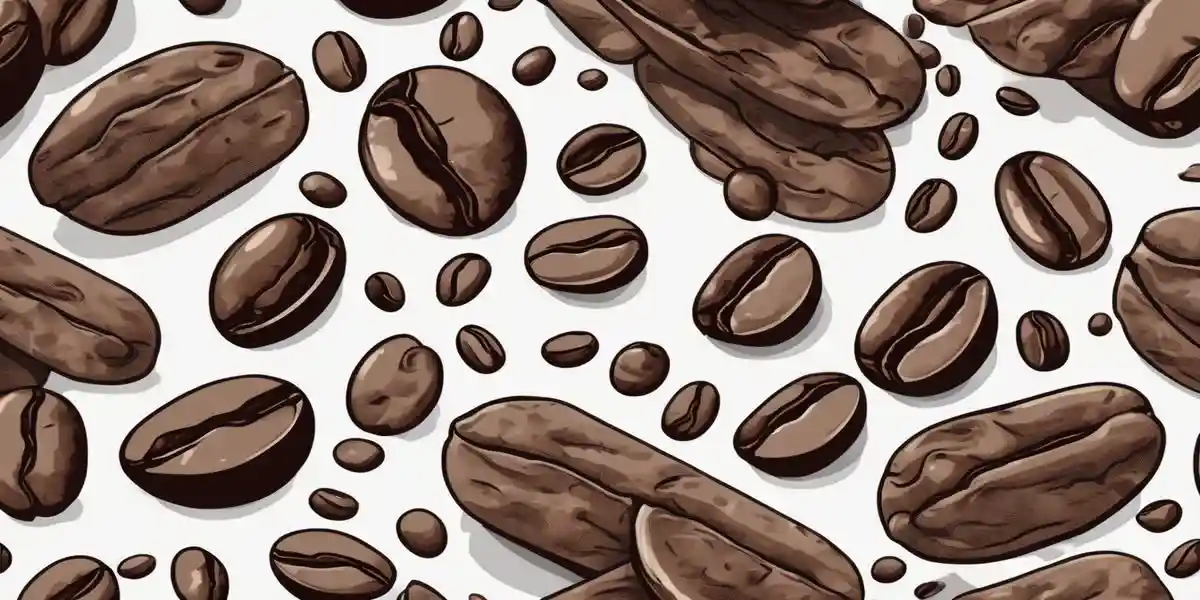
The journey to a perfect espresso begins long before the brewing process—it starts with the grinding of coffee beans. The grind size directly impacts the extraction process, affecting flavors, crema, and overall quality. An inconsistent grind can lead to clumping, uneven extraction, and ultimately a less enjoyable cup of coffee. This is where digital transformation comes into play, enhancing grinding techniques and thereby improving the quality of espresso.
One of the significant hurdles in achieving consistent grind quality is the electrostatic charge that builds up during the grinding process. This charge causes coffee grounds to clump together, which can lead to uneven extraction and variability in flavor profile. Recent research highlighted in the paper titled "Chemical strategies to mitigate electrostatic charging during coffee grinding" investigates effective strategies to combat this issue. The study found that introducing small amounts of water to whole beans before grinding can significantly reduce electrostatic charges. By mitigating this problem, baristas are better equipped to achieve a uniform grind, which is crucial for a high-quality espresso.
Digital transformation is also manifesting in the advanced technologies being employed for coffee grinding. Many modern espresso grinders are equipped with digital interfaces that allow for precise adjustments to grind size and time. This precision is essential for baristas aiming to fine-tune their brewing parameters. For example, a digital grinder might enable a barista to set specific grind times down to the second, allowing them to achieve a consistent espresso shot each time.
The integration of digital tools goes beyond just grinding. Many grinders now come with built-in sensors to monitor and assess the grind quality in real-time. By collecting data on factors like moisture levels and grind consistency, baristas can make informed adjustments that enhance espresso quality. This trend reflects a larger shift towards data-driven decision making in the coffee industry. Baristas can now track performance metrics over time, leading to continuous improvements in their techniques and resulting in superior espresso.
As the coffee industry embraces digital transformation, baristas are also gaining access to numerous online resources and training programs aimed at improving their grinding techniques. Virtual training sessions, instructional videos, and interactive forums provide baristas with new skills and knowledge regarding grind size, extraction methods, and even the science behind coffee preparation. This combined effort of digital tools and knowledge-sharing platforms empowers baristas to elevate their espresso-making skills and adapt to evolving market demands.
In conclusion, the role of digital transformation in enhancing coffee grinding techniques is indispensable. By addressing challenges like electrostatic charging and enabling precise grinding through advanced technologies, the coffee industry is setting a new standard for espresso quality. Baristas equipped with both digital tools and necessary training are better positioned to deliver coffee experiences that meet the sophisticated tastes of today’s consumers.
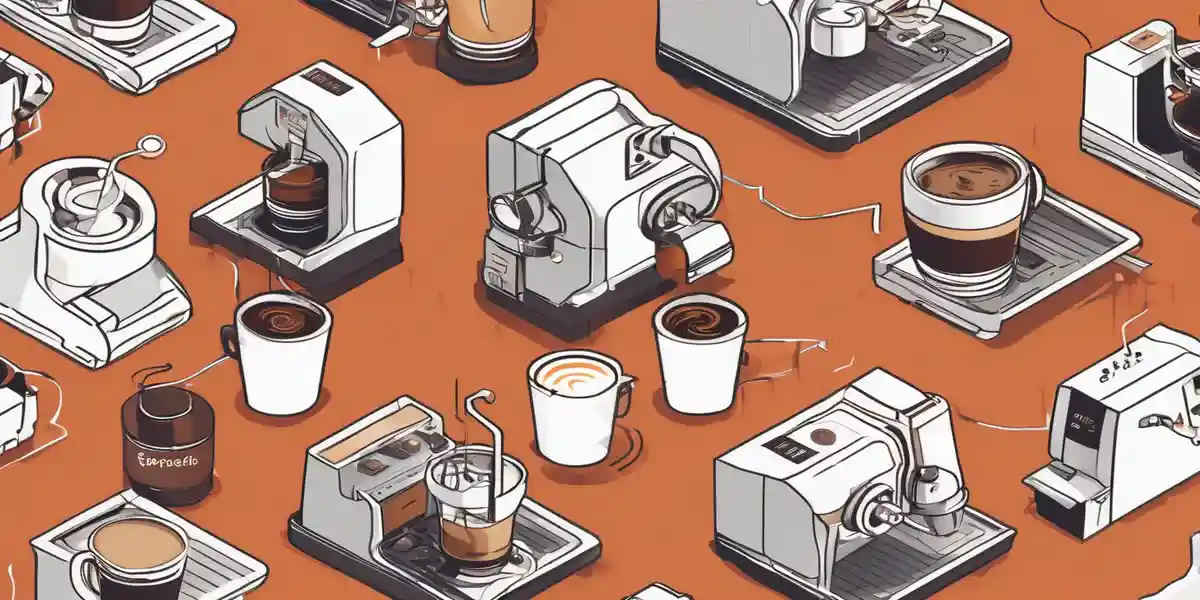
The coffee industry is experiencing a paradigm shift as robotic baristas emerge as a significant player in coffee-making. These automated systems are designed to brew espresso with precision and efficiency, often utilizing advanced technology to monitor factors such as grind size, water temperature, and extraction time. While these machines can produce a consistent and high-quality product, their introduction raises important questions about consumer preferences and the emotional connections that people have with their coffee experience.
As consumers increasingly encounter robotic baristas, studies indicate a diverse range of feelings towards these innovations. Some customers appreciate the speed and reliability of robotic systems, especially during peak hours when human baristas may become overwhelmed. The precision of robotic brewing can lead to improved espresso quality, similar to the findings in the research highlighting the impact of electrostatic charging during coffee grinding. The study, titled Chemical strategies to mitigate electrostatic charging during coffee grinding, sheds light on how small innovations can significantly enhance coffee quality. While this research focuses on brewing techniques, it mirrors consumer appreciation for the consistent quality offered by robotic baristas.
However, the emotional connection that many consumers feel towards human baristas cannot be overlooked. For many, visiting a coffee shop is about more than just the drink—it's about the personal interaction, the story behind their favorite blend, and the warmth of smiling faces. Human baristas offer a level of engagement that machines cannot replicate, such as remembering a customer's name or preferences, which fosters loyalty and creates a welcoming atmosphere. This relational aspect is central to the café experience, highlighting why many consumers still prioritize human interaction when ordering coffee. This sentiment suggests that while robotic technology can enhance certain aspects of coffee preparation, the human touch remains irreplaceable in cultivating meaningful customer relationships.
The future of coffee service likely lies in a balanced integration of robotic efficiency and human connection. Some innovative coffee shops are exploring a hybrid model, combining the speed of robotic baristas with the personal charm of skilled human staff. This model allows for the high-quality brewing capabilities of machines while ensuring that the essence of community and personal interaction is preserved. Additionally, regular training on new technologies can elevate human barista skills, enabling them to work alongside robots effectively. As digital transformation continues to define the coffee landscape, it will be crucial for businesses to understand consumer preferences and emotional responses to both robotic and human baristas.
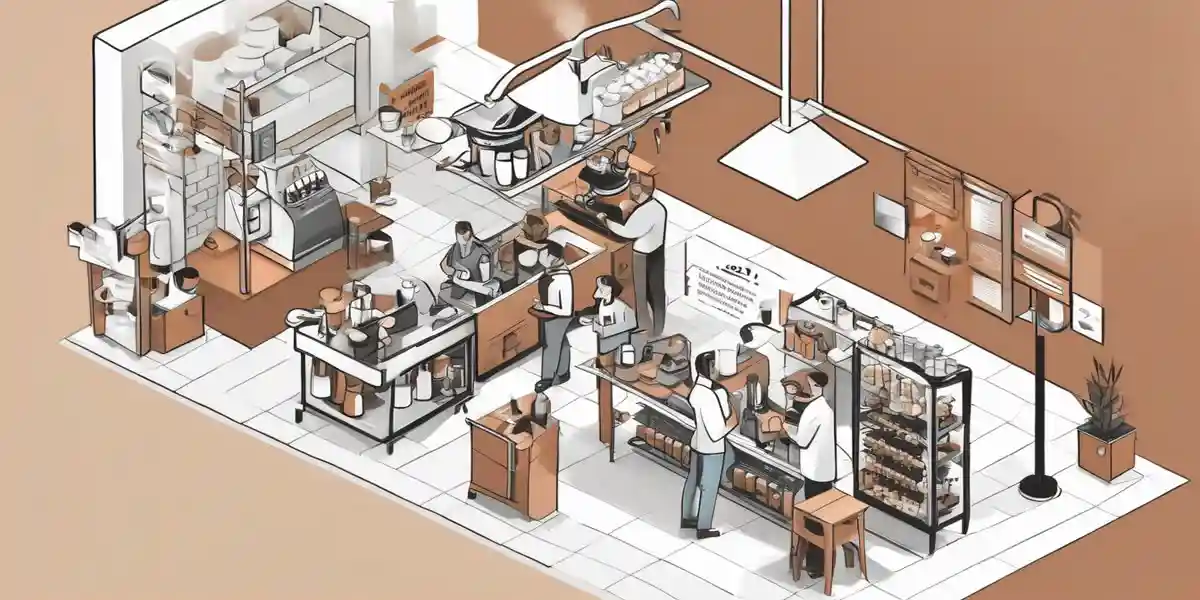
Digital transformation is reshaping how baristas are trained and how they create coffee experiences that resonate with customers. By leveraging digital tools such as mobile apps and online training modules, baristas can continuously improve their skills, gaining access to the latest techniques and insights in coffee preparation. For example, digital platforms provide baristas with real-time feedback on their brewing methods, allowing them to refine their skills and ensure consistency in drink quality. This integration of technology not only elevates the barista's craft but also enhances the overall customer experience, as patrons receive expertly crafted beverages that are consistently good.
The digital experience extends beyond the barista's technical skills; it also encompasses how these skills translate into customer satisfaction. Research indicates that a positive digital experience directly correlates with brand loyalty. In the study "Experiential Value, Satisfaction, Brand Love, and Brand Loyalty toward Robot Barista Coffee Shop," findings showed that elements such as playfulness and engagement significantly improve customer satisfaction. When baristas utilize digital tools to create a fun and interactive environment—think coffee brewing demonstrations via social media or digital loyalty programs—their abilities to connect with customers and elevate brand loyalty grow substantially.
Moreover, consistency in coffee quality is crucial for building long-term relationships with customers. A study titled "Chemical strategies to mitigate electrostatic charging during coffee grinding" highlights how improvements in grinding techniques can lead to significant enhancements in coffee extraction quality. When baristas implement these advanced grinding techniques, aided by digital insights, they can produce a more consistent flavor profile, leading to higher customer satisfaction. By ensuring that every cup meets a high standard, coffee shops can cultivate trust and loyalty among their clientele, encouraging repeat visits and positive word-of-mouth.
Lastly, the emotional response customers have to their coffee experience can be significantly shaped by the skills demonstrated by baristas through digital avenues. The study "Robot versus human barista: Comparison of volatile compounds and consumers’ acceptance, sensory profile, and emotional response of brewed coffee" reveals that while robotic baristas can produce consistent drinks, the emotional connection and storytelling that human baristas bring to their craft are irreplaceable. This highlights the importance of marrying technology with the artistry of coffee-making. Baristas who engage with their customers through digital storytelling, whether on social media or in-person, can foster emotional loyalty, making customers feel more connected to the brand.
By integrating digital experiences into their skill set, baristas are not only elevating the quality of coffee but also forging deeper connections with their customers. This holistic approach to coffee preparation and service enhances brand loyalty, making the coffee shop more than just a place to grab a drink—it becomes a destination to engage with a community that values both tradition and innovation.
As we've explored throughout this blog post, digital transformation is revolutionizing the coffee industry, particularly by enhancing barista skills and elevating espresso quality. With advanced grinding techniques driven by technology, robotic baristas are assisting human counterparts without replacing the unique artistry and emotional connections that baristas forge with customers. This fusion of technology and human touch not only optimizes the espresso-making process but also enriches the overall coffee experience, leading to heightened customer satisfaction and loyalty.
Key takeaways from our exploration include the fact that improved grinding technology results in a more consistent flavor profile, highlighting the importance of precision in espresso preparation. Additionally, consumers increasingly prefer coffee experiences that blend innovative digital interfaces with genuine human engagement, supporting the notion that emotional connectivity in the coffee experience is paramount. Lastly, the effective use of digital tools empowers baristas with enhanced skills, ultimately fostering a more personalized and satisfying experience for coffee lovers.
As we move forward in this rapidly evolving landscape, it’s clear that embracing digital transformation will be crucial for coffee shops aiming for excellence. For both baristas and coffee enthusiasts, the next step is to engage with these technological advancements, whether through continual learning or experiencing new coffee innovations firsthand. By keenly observing how digital tools can elevate your espresso experience, you’ll not only enhance your skills but also contribute to a coffee culture that celebrates both tradition and innovation. Let’s raise our cups to the future of espresso excellence!

Get notified about new articles, coffee tips, and Web3 insights.
This site participates in affiliate programs and may earn a commission when a link is clicked and a purchase is made. The site is not responsible for any issues or troubles related to the products or services purchased through the use of this site.

DO&COFFEE loves coffee and technology, exploring the potential of NFTs and blockchain. Learn more →
DO&COFFEE loves coffee and technology, exploring the potential of NFTs and blockchain. Learn more →