crypto
2025/12/16

Have you ever wondered where your cup of specialty coffee comes from? With countless options available, it’s often a challenge to ensure that your brew not only tastes good but also supports ethical practices. Enter decentralized finance (DeFi) and blockchain technology—innovations that are brewing up an incredible transformation in the coffee industry. These groundbreaking tools are not only enhancing the quality of your coffee experience but also ensuring that every sip is tied to a more transparent and sustainable supply chain.
In this article, we'll explore how DeFi is revolutionizing the specialty coffee landscape by improving traceability in the coffee supply chain, allowing consumers to verify the quality and sourcing of their favorite brews. We'll discuss how decentralized finance is promoting sustainable coffee practices that can benefit both consumers and farmers. Finally, we'll dive into the ways these blockchain innovations enrich the overall specialty coffee experience, making it more meaningful and enjoyable for coffee lovers around the world.
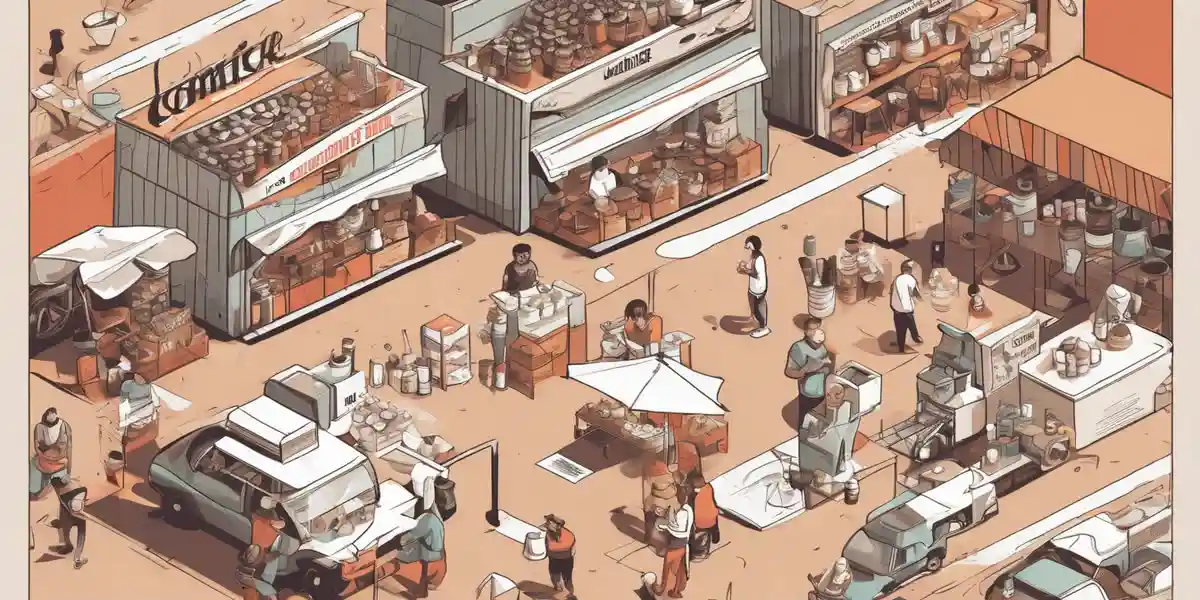
The specialty coffee market is known for its rich flavors and unique profiles, but consumers often face challenges in verifying the quality and origin of their coffee beans. Many are willing to pay a premium for high-quality brews, yet they find it difficult to ensure that the price aligns with the quality and ethical sourcing they are seeking. The paper titled "Blockchain traceability model in the coffee industry" discusses these challenges of transparency and traceability in the coffee supply chain, where a lack of visibility can lead to distrust among consumers. This is where blockchain technology can step in, providing a robust solution for enhancing transparency throughout the supply chain.
Blockchain, a digital ledger technology that securely records transactions across multiple locations, allows every step of the coffee supply chain to be logged in an immutable format. Each transaction—from the farmer who cultivates the coffee beans to the roasters and the final sellers—can be traced and verified. For instance, the study "Colombian Origin Coffee Supply Chain Traceability by a Blockchain Implementation" highlights how blockchain can track product origins, showcasing the journey of coffee beans and assuring consumers of their authenticity. By making this information readily available through a decentralized platform, coffee enthusiasts can immediately learn about the specific producers, their farming practices, and environmental standards, thus enriching their coffee-drinking experience.
Advancements in mobile technology have led to the development of applications that further utilize blockchain for coffee traceability and sustainability. One innovative solution is introduced in the paper "Towards a Sustainable Digital Manufacturing: A State of Art," which details a mobile app designed to enhance operational efficiency from farm inspection to export. By integrating blockchain with technologies like RFID (Radio-Frequency Identification) and barcodes, this application provides a comprehensive system for tracking coffee variety, environmental conditions during cultivation, and production practices. This level of detail offers both producers and consumers valuable insights, fostering trust and encouraging sustainable practices.
The implementation of blockchain technology not only benefits consumers but also supports coffee farmers by ensuring fair compensation for their efforts. Small producers can directly connect with consumers through decentralized platforms, cutting out middlemen who often take a significant cut of the profits. This means that farmers retain more of the revenue from their sales, enabling them to invest in better farming practices and crop quality. As consumers become more aware of the value of ethically sourced coffee, the demand for such transparency opens up new markets for these small-scale coffee producers.
In summary, by leveraging blockchain technology, the specialty coffee industry can address the pressing challenges of traceability and transparency, directly impacting the experience of both consumers and producers. This innovative approach aligns perfectly with the essence of decentralized finance (DeFi) by creating a more equitable and sustainable coffee supply chain. As blockchain continues to evolve, it promises to create deeper connections between coffee lovers and the sources of their favorite brews.
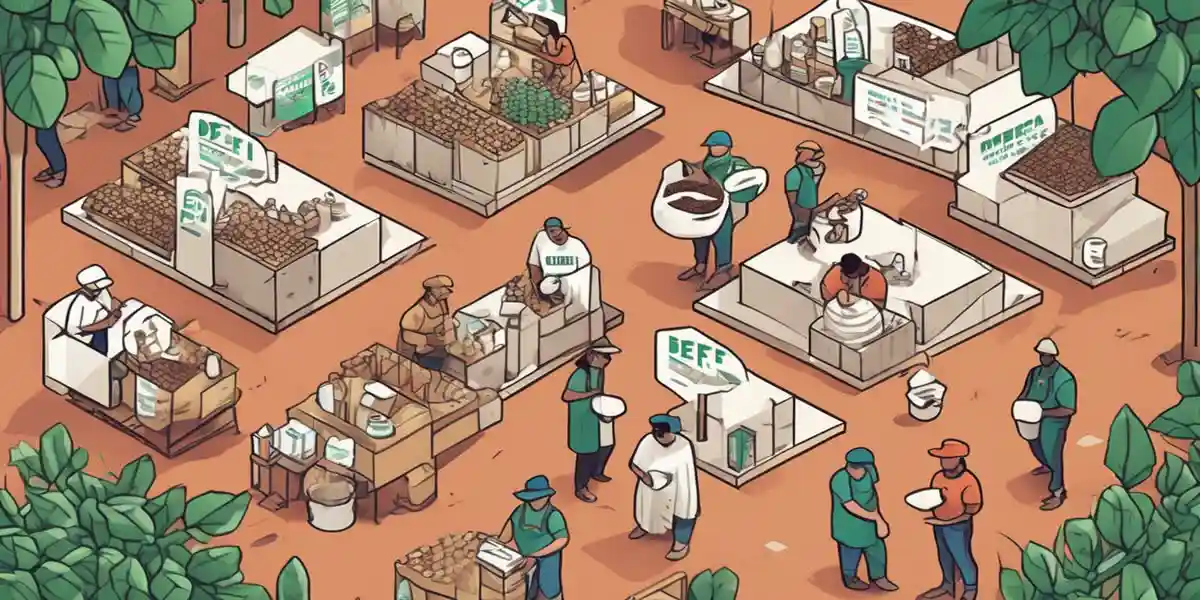
Decentralized Finance (DeFi) reshapes traditional financial transactions by enabling peer-to-peer interactions without intermediaries. In the specialty coffee market, this technology allows farmers to engage directly with consumers and retailers, which can lead to fairer pricing and improved profit margins. By removing middlemen, farmers can retain a more significant share of the sale price of their coffee, thus incentivizing them to adopt more sustainable practices. For instance, a farmer who can sell directly to consumers via a DeFi platform can raise funds to invest in organic farming methods that contribute to environmental sustainability. This direct connection not only enhances their income but also encourages transparency and trust between the producer and the buyer.
One of the key challenges in the coffee supply chain is the lack of transparency, which can lead to consumer mistrust regarding the quality and sustainability of the coffee they purchase. According to the research paper 'Blockchain traceability model in the coffee industry', implementing blockchain technology can immensely enhance supply chain transparency by securely logging each stage of the coffee's journey from farm to cup. This technology allows consumers to verify where their coffee comes from and the methods used to grow it, fostering a more informed choice when selecting specialty brews. When consumers have clear visibility into sourcing and production processes, they are more likely to support sustainable practices that align with their values.
In addition to transparency, DeFi and associated technologies can improve operational efficiency in the coffee supply chain. The study 'Towards a Sustainable Digital Manufacturing: A State of Art' discusses a mobile application that combines blockchain with RFID and barcodes to enhance traceability. This application streamlines processes from farm inspections to export, helping to ensure that sustainable practices are tracked and verified at every step. By digitizing and automating aspects of coffee production and distribution, stakeholders can identify bottlenecks and inefficiencies, leading to better resource management and reduced waste.
Examining successful implementations of DeFi in coffee supply chains, the research paper 'Colombian Origin Coffee Supply Chain Traceability by a Blockchain Implementation' highlights a proof of concept using Hyperledger Fabric. This initiative demonstrated how blockchain technology can facilitate the origin tracking of coffee products, ensuring that consumers can verify the authenticity and sustainability of what they are purchasing. Such case studies showcase the feasibility of integrating DeFi solutions, providing a roadmap for other regions and coffee producers looking to enhance sustainability while improving economic opportunities for farmers.
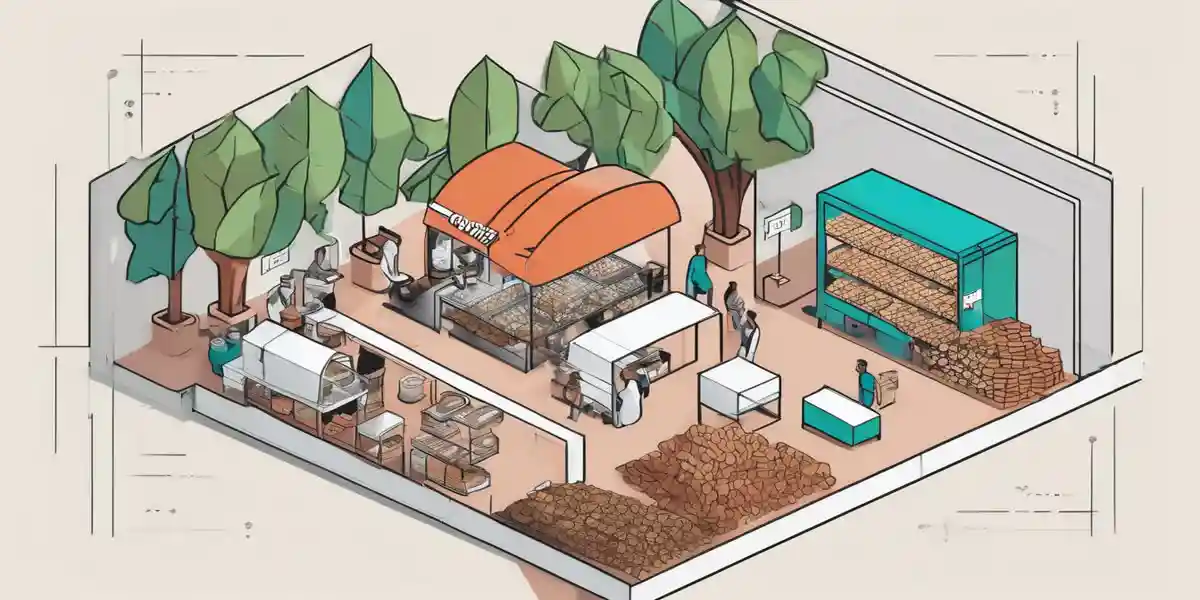
One of the core benefits of blockchain technology in enhancing the specialty coffee experience is its capacity to offer transparency throughout the supply chain. Traditionally, consumers have faced significant challenges in confirming the quality and authenticity of their coffee. The research paper "Blockchain traceability model in the coffee industry" highlights how consumers often struggle to correlate coffee quality with price due to a lack of transparent information. By implementing a blockchain-based system, each step in the coffee production process can be securely logged and verified. This means that every cup of coffee could be traced back to its origin, revealing critical details like the farm where it was grown, the farming practices employed, and even the environmental conditions during cultivation.
For example, when consumers buy a bag of specialty coffee, they can use a blockchain-enabled app to scan a QR code, bringing up detailed information about the beans' journey from farm to cup. This not only enriches the consumer's experience by connecting them to the origins of their coffee but also empowers them to make informed purchasing decisions. This level of traceability enhances trust and builds deeper relationships between consumers and farmers.
Blockchain technology also transforms the economic landscape for coffee farmers. Traditionally, many small-scale farmers receive a fraction of the sale price due to intermediaries, which often leads to financial instability and inequitable trading conditions. Decentralized finance (DeFi) can cut out these middlemen, providing farmers with direct access to market prices and ensuring they receive a fairer share of profits.
A promising case study can be drawn from "Colombian Origin Coffee Supply Chain Traceability by a Blockchain Implementation," which showcases how blockchain was utilized to implement a proof of concept for tracing coffee products in Colombia. The study emphasizes not only the feasibility but also the positive impact of tracing products back to their origins. By adopting blockchain, farmers can connect directly with consumers and retailers, ensuring that their hard work is recognized and rewarded fairly. This direct engagement helps to create a more sustainable and equitable supply chain, where farmers enjoy the benefits of their labor, and consumers receive higher-quality products at fair prices.
In addition to transparency and fair pricing, blockchain innovations also play a pivotal role in promoting sustainable practices within the coffee industry. The "Towards a Sustainable Digital Manufacturing: A State of Art" study outlines the development of a mobile application that incorporates blockchain technology alongside RFID and barcodes to enhance operational efficiency and sustainability in the coffee supply chain.
This application not only tracks the journey of coffee from farm to export but also ensures that sustainable farming practices are observed. It can monitor data related to coffee variety, farming techniques, and even environmental conditions. As a result, consumers who prioritize sustainability can easily identify practices that align with their values, leading to more conscientious purchasing decisions. This fosters a stronger connection between farmers committed to eco-friendly approaches and consumers who appreciate and support those efforts.
In summary, blockchain technology directly enhances the specialty coffee experience by providing transparency in the supply chain, ensuring fair pricing for farmers, and promoting sustainability practices. As this technology continues to evolve, its potential to positively impact both consumers and producers alike could redefine the entire coffee landscape.
In this exploration of "Brewing Innovation: How DeFi is Transforming the Specialty Coffee Experience," we’ve seen how blockchain technology is reshaping every aspect of the coffee supply chain. From enabling traceability that connects farmers directly to consumers, to fostering sustainable practices backed by decentralized finance, the intersection of these innovations breathes new life into the specialty coffee market.
Key takeaways from our journey include the power of transparency provided by blockchain, allowing consumers to trace the origins of their brew with confidence. Moreover, DeFi not only empowers farmers by giving them direct access to finance and fair prices but also enriches the consumer experience with greater transparency and trust. This bidirectional enhancement creates a more equitable coffee ecosystem where everyone benefits.
As we embrace these technological advancements, we invite you to rethink your coffee choices. Consider seeking out brands that utilize blockchain and DeFi for a more responsible and enriched coffee experience. By choosing specialty coffees supported by innovative practices, you not only elevate your own experience but also play a part in transforming the coffee industry. Let’s raise our cups to a future where innovation brews excellence and sustainability, one cup at a time!

Get notified about new articles, coffee tips, and Web3 insights.
This site participates in affiliate programs and may earn a commission when a link is clicked and a purchase is made. The site is not responsible for any issues or troubles related to the products or services purchased through the use of this site.

DO&COFFEE loves coffee and technology, exploring the potential of NFTs and blockchain. Learn more →
DO&COFFEE loves coffee and technology, exploring the potential of NFTs and blockchain. Learn more →