art
2025/12/14

Have you ever wondered how a digital artwork can sell for millions of dollars, or what makes a simple tweet an NFT worth cherishing? The world of contemporary art is being transformed in extraordinary ways, and at the heart of this revolution lies the intersection of creativity and blockchain technology. By marrying the age-old quest for artistic expression with the modern capabilities of cryptocurrency, artists are redefining both their mediums and their markets.
In this blog post, we will explore how crypto is not just a financial tool but a catalyst for change within the art world. We’ll delve into the transformative role of blockchain in contemporary art practices, uncover the significance of provenance and authenticity with the help of systems like ECILA, and speculate on how these innovations are fostering unprecedented collaborations and new forms of media. Join us as we navigate this exhilarating landscape where technology and artistry converge, paving the way for the future of creative expression.
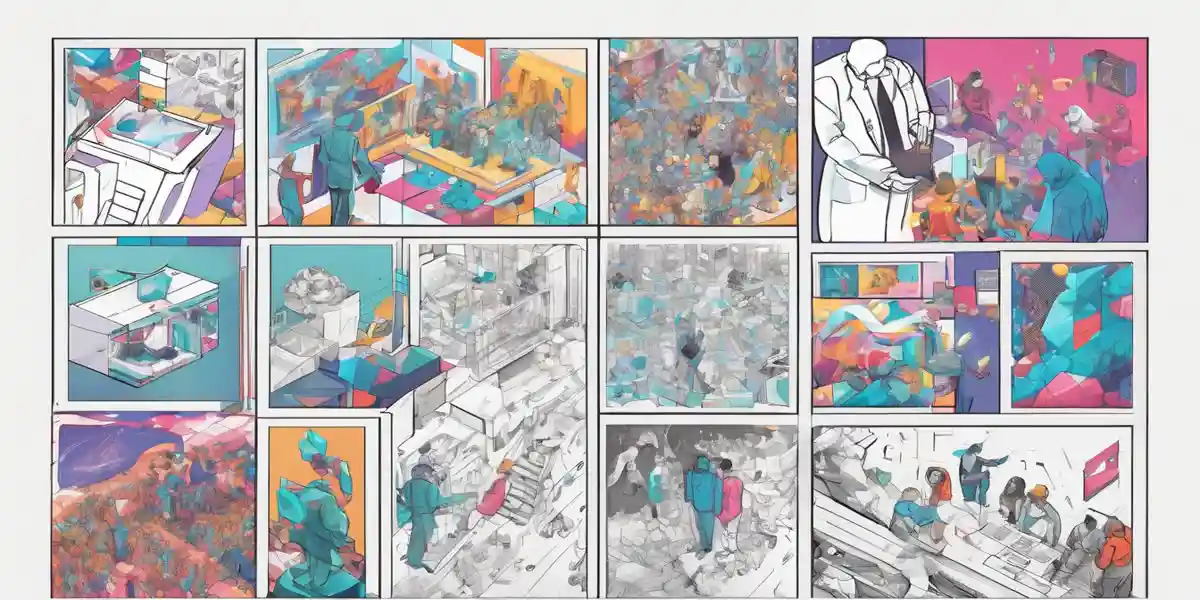
Blockchain technology, often recognized for its role in cryptocurrencies like Bitcoin, is rapidly transforming the landscape of contemporary art. By functioning as a digital ledger system, blockchain enables the creation of non-fungible tokens (NFTs) that represent unique ownership of digital artworks. This innovation allows artists to tokenize their work, which offers a solution to long-standing issues surrounding ownership and provenance in the art world. For instance, when an artwork is tokenized, every transaction related to that piece is recorded on the blockchain, providing a transparent and immutable history of ownership. This means that artists and collectors can easily verify the authenticity of an artwork, fostering trust within the market.
Another significant transformation brought about by blockchain innovation is the democratization of art accessibility. Previously, access to galleries and exhibitions often restricted artistic engagement to a select few. However, with the rise of digital art and platforms that support blockchain technology, artists can now showcase their work to a global audience at virtually no cost. According to the paper 'Art and Blockchain: A Primer, History, and Taxonomy of Blockchain Use Cases in the Arts', blockchain technology promotes increased distribution and accessibility for artists, eliminating traditional barriers to entry. For example, platforms like OpenSea allow artists to sell their NFTs directly to collectors without the need for intermediaries, enabling them to retain a larger portion of the revenue from their sales. This shift empowers artists financially and creatively, giving them more control over their work and facilitating diverse expressions from a wider range of creators.
Blockchain also opens the door to novel collaborative opportunities in the art scene. Emerging technologies such as generative art rely on collaboration between artists and algorithms, and with blockchain’s capability for provenance tracking, artists can be recognized and rewarded for their contributions. The paper 'EKILA: Synthetic Media Provenance and Attribution for Generative Art' discusses a decentralized framework designed to ensure that creators receive proper attribution for their generative works. This framework utilizes a robust visual attribution technique to trace the origins of AI-generated art pieces, thus protecting artists’ rights and encouraging collaborative creation. By making contributions visible and rewarding, blockchain technology fosters a community-oriented approach to art-making, further enabling creative expression.
Through these transformative effects, blockchain technology serves as a catalyst for the evolution of contemporary art and creative expression. By redefining ownership, democratizing access, and facilitating collaboration, blockchain is reshaping the artistic landscape in ways that were previously unimaginable.
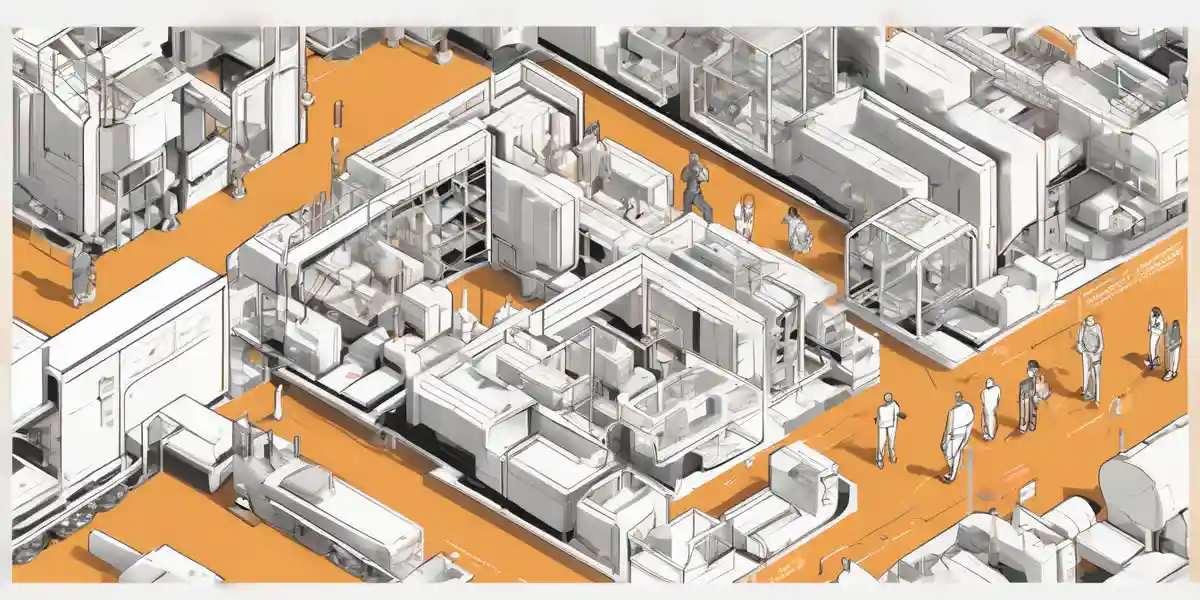
Provenance refers to the history of ownership and authenticity of an artwork. In the realm of generative art, where creativity often intertwines with algorithms and technology, establishing provenance becomes crucial. This is where the ECILA (Ethereum Crypto-Intellectual License Agreement) comes into play. By providing a standardized approach for artists to assert their rights and manage the ownership of their generative works, ECILA enhances the assurance that followers and collectors place in these pieces.
Without a clear understanding of an artwork's provenance, collectors may hesitate to invest, fearing issues of authenticity or possible replication. The integration of ECILA helps mitigate these concerns by allowing generative artists to embed their licenses directly into the blockchain. This digital ledger system creates a permanent and transparent record, making it easy to verify an artwork's history and its creator, thereby fostering trust in the art market.
Blockchain technology serves as the backbone for initiatives like ECILA, offering secure and decentralized verification of artistic ownership. For example, once a piece of generative art is created and registered through ECILA on the blockchain, it gains an inherent authenticity that is both verifiable and tamper-proof. This innovative approach is akin to a digital fingerprint, uniquely identifying each artwork while also providing a complete transaction history.
A practical illustration of this can be seen in the case of a generative artist who creates a digital piece and registers it with ECILA. Each subsequent sale or transfer of ownership is recorded on the blockchain, ensuring that the current owner can trace the artwork's history back to its original creator. This level of transparency not only protects the artist's rights but also assures buyers they are investing in a legitimate and unique piece of art.
Several initiatives are emerging that showcase the impact of ECILA and blockchain on art attribution. One notable example involves a collaborative project where artists utilize generative algorithms to create unique visual artworks. Thanks to the integration of ECILA, each piece is linked to its creator through a blockchain record, enhancing not only the market value of the works but also the artists' reputations.
Another significant case is the use of blockchain to track the provenance of artworks in exhibitions. Institutions are beginning to adopt blockchain solutions to verify the authenticity of pieces on display, ensuring that collectors and viewers alike can trust the exhibition's claims about the art. This builds a stronger cultural narrative and encourages more widespread engagement with contemporary art.
These examples illustrate how ECILA and blockchain technology are instrumental in advancing the landscape of generative art. By providing robust mechanisms for attribution and authenticity, they not only empower artists but also revolutionize how audiences interact with and invest in contemporary art.
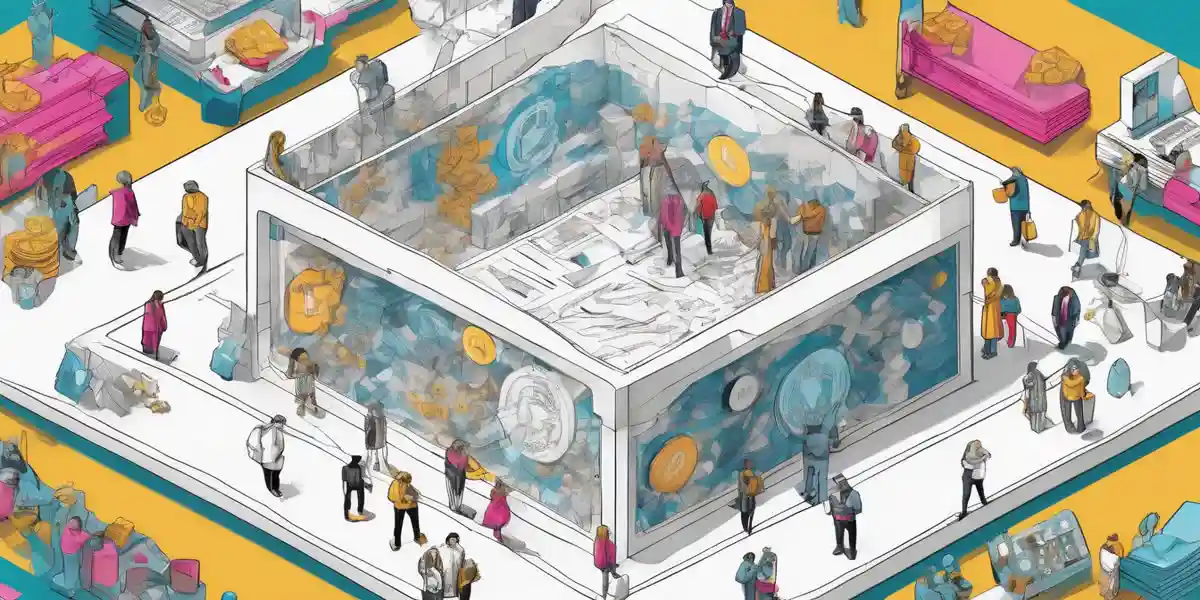
The integration of cryptocurrency and blockchain technology has opened new doors for artists, fostering innovative collaborative models that are unprecedented in the art world. Artists can now work together in ways that were difficult to implement previously, thanks to platforms that allow for shared ownership and royalties through tokens. For instance, two or more artists can create a digital piece, and the resulting work can be tokenized, splitting ownership in a manner that is enforced by smart contracts on the blockchain. This arrangement not only empowers artists to collaborate more fluidly but also enhances their financial rewards by providing automatic revenue tracking and distribution.
Decentralized platforms are reshaping how artists produce and distribute their work. The rise of NFTs (non-fungible tokens), as highlighted in the paper 'Art and Blockchain: A Primer, History, and Taxonomy of Blockchain Use Cases in the Arts', allows artists to protect their intellectual property while reaching a broader audience. By tokenizing artwork, artists can sell their creations directly to consumers, bypassing traditional galleries and auction houses. This democratization of art access means that more artists can share their perspectives without the limitations set by conventional art markets. The introduction of systems like EKILA, which focuses on provenance and attribution for generative art, ensures that collaborators get credit for their contributions, a critical factor as multiple creatives increasingly work together on projects.
As new media evolves, artists are leveraging blockchain technology to create interactive artworks that engage audiences in novel ways. With the ability to create dynamic pieces that respond to viewer interactions, artists can evoke deeper connections with their work. These digital installations can utilize smart contracts to enable audience participation, where viewers might own a fractional piece of the art or even influence its direction in real-time. This engagement transforms the passive experience of art consumption into an active dialogue between the creator and the audience, further enriching the artistic experience.
One of the most significant shifts facilitated by cryptocurrency is the ability for artists to source funding flexibly and securely. Crowdfunding via token sales allows artists to gauge interest and secure pre-sale funding before the completion of their work. This financial model not only increases a sense of community ownership but also allows artists to have greater creative freedom without relying heavily on traditional financial institutions. By utilizing platforms that support direct peer-to-peer transactions, artists can nurture their independent voices and drive innovation without the constraints imposed by traditional funding sources.
As we have explored, the integration of cryptocurrency and blockchain technology is not merely a trend—it is a transformative force reshaping the landscape of contemporary art and creative expression. From enhancing the authenticity and provenance of digital works to fostering innovative collaborations among artists, the insights gleaned reveal that crypto is unlocking new dimensions for creativity. The role of platforms like ECILA underscores the importance of secure attribution and recognition, amplifying the voices of generative artists while ensuring that provenance is not just a concept but a reality, ensuring artists receive credit and revenue for their work.
Key takeaways from our discussion include:
As we stand at this exciting intersection of art and technology, we encourage you to explore these new horizons for yourself. Whether you're an artist seeking to experiment with crypto, a collector eager to discover new avenues for investment, or simply someone passionate about the arts, there’s a vibrant world awaiting your participation. Dive into the revolution that is transforming how we create, share, and appreciate art in our contemporary society!
Get notified about new articles, coffee tips, and Web3 insights.
This site participates in affiliate programs and may earn a commission when a link is clicked and a purchase is made. The site is not responsible for any issues or troubles related to the products or services purchased through the use of this site.
DO&COFFEE loves coffee and technology, exploring the potential of NFTs and blockchain. Learn more →
DO&COFFEE loves coffee and technology, exploring the potential of NFTs and blockchain. Learn more →