crypto
2025/12/15

Have you ever wondered how your daily interactions with technology could be transformed into something more secure and streamlined? As we enter an era defined by connectivity, exploring the intersection of tokenization, Web3, and the Internet of Things (IoT) is not just intriguing; it's essential. These technologies hold the potential to revolutionize the way we engage with digital platforms, ensuring our experiences are both transparent and secure.
In this blog post, we will delve into how tokenization enhances the security of IoT access through blockchain technologies and smart contracts. Additionally, we will explore the innovative ways tokenization is improving multicast communication in IoT environments. Finally, the discussion will shift to Web3's promise of decentralization, showcasing how it profoundly changes digital interactions and user autonomy. Join us as we unlock the future and demystify these groundbreaking technologies that are set to reshape our world.
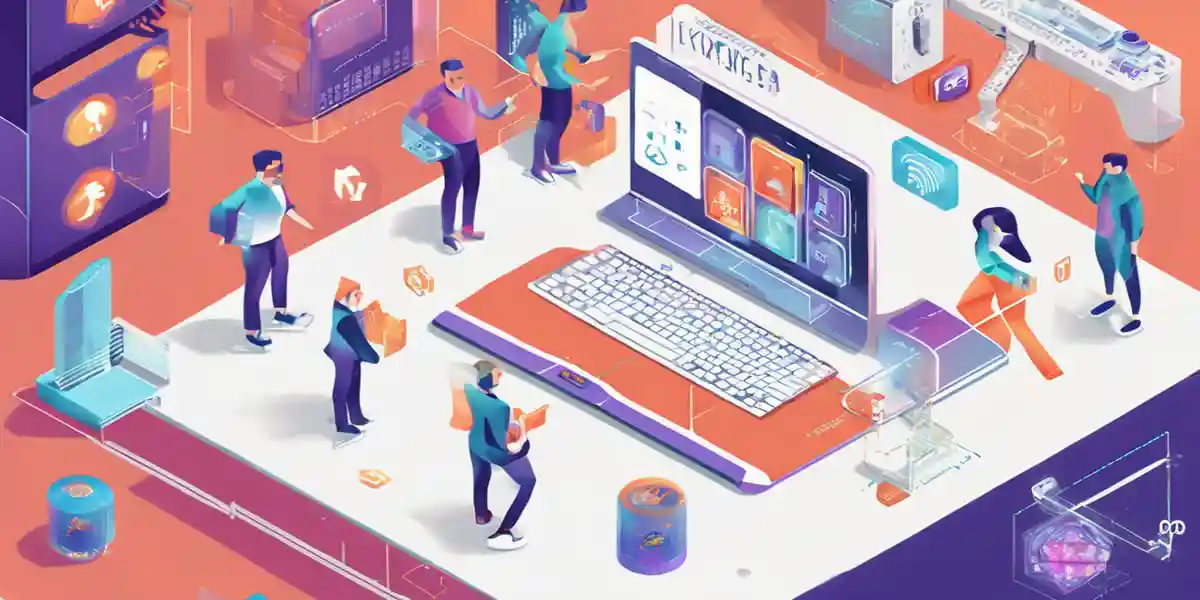
Tokenization refers to the process of converting sensitive data into a unique token that can be used in place of that data. In the context of the Internet of Things (IoT), this is particularly important for managing access and transactions securely. As our reliance on connected devices grows, the need for secure access and data transmission becomes critical. Tokenization enhances security by minimizing the exposure of actual data; instead of transmitting sensitive information, the network communicates using tokens that represent it. This method significantly lowers the risk of data breaches and unauthorized access.
Blockchains, particularly those designed for decentralized applications like Ethereum, provide a robust framework for secure IoT interactions. A research paper titled "Secure IoT access at scale using blockchains and smart contracts" presents a model that leverages Ethereum’s distributed ledger technology and its ability to execute smart contracts in parallel. This means that as devices communicate, their access permissions and interactions can be governed by smart contracts—predefined rules coded into the blockchain. This enhances security and automation in device interactions by ensuring that only authorized devices can access certain functionalities, all while maintaining a transparent log of every interaction.
Smart contracts are self-executing contracts with the terms of the agreement directly written into code. For IoT environments, these smart contracts can specify and enforce access controls dynamically. For instance, consider a smart thermostat in a smart home. Instead of an application manually managing access, a smart contract can automatically allow or restrict access based on user tokens that signify rights or privileges. If an individual’s token is deemed valid through the blockchain’s secure verification process, the thermostat can grant them access to change temperature settings. This not only speeds up the process but also removes the risk of human error or manipulation.
One notable application of blockchain and tokenization in IoT can be seen in large-scale manufacturing environments. As factories become increasingly automated and interconnected, managing access to machinery and sensitive data is paramount. The paper emphasizes using tokenization and smart contracts to create a secure environment where only authenticated devices can interact with machines. This system reduces the risk of disruptions caused by unauthorized access while enabling quick, efficient operation, demonstrating how tokenization can safeguard complex IoT ecosystems.
While tokenization and blockchain technology have the potential to revolutionize IoT access, several challenges remain. Ensuring the scalability of these systems is crucial; IoT networks can consist of thousands of devices, and managing access across such a landscape can be demanding. Moreover, interoperability between different blockchain systems and IoT devices remains a hurdle. However, continuous advancements in technology and frameworks are paving the way for improved solutions. Ongoing research and development are critical as we aim to refine these technologies and integrate them more seamlessly into our daily interactions with IoT devices.
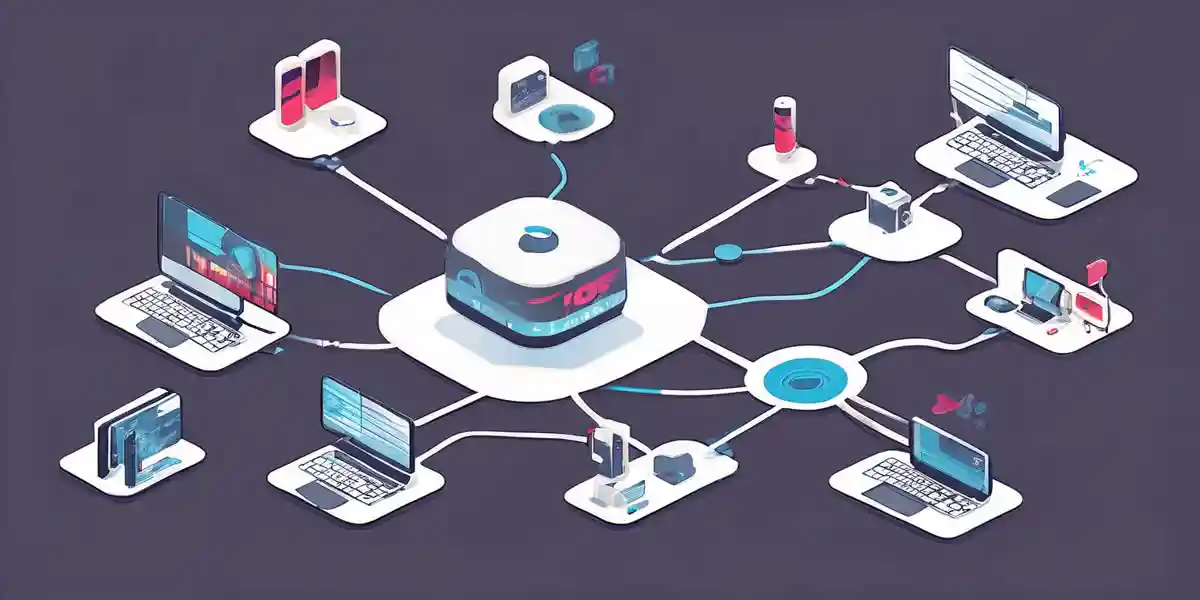
In the realm of the Internet of Things (IoT), communication between devices is paramount. A typical challenge faced in this ecosystem is the efficient dissemination of information from a single source to multiple devices. This process, known as multicast communication, is crucial as it reduces network congestion and lowers communication costs compared to traditional unicast methods, which send each piece of information individually to each device. With the increasing number of devices connected to the internet, particularly in smart cities and industrial applications, the need for effective multicast communication becomes even more essential.
Tokenization, a process that replaces sensitive data with unique identification symbols or tokens, lays the groundwork for secure and efficient IoT communication. This method can ensure that all data transmitted across networks is authenticated and protected against unauthorized access. By integrating tokenization with multicast protocols, IoT systems can maintain data integrity and security while improving the flow of information among a large number of devices.
The research paper "Repeat-Authenticate Scheme for Multicasting of Blockchain Information in IoT Systems" delves into innovative solutions for enhancing multicast communication by providing authenticated information dissemination. This approach addresses the challenges faced when traditional unicast methods become inefficient due to rising communication costs with an increasing number of devices.
In this scheme, the authors propose using a multicast approach in conjunction with repeat authentication techniques. This method allows secure and efficient dissemination of blockchain data to IoT devices via wireless means. By leveraging multicast to send information simultaneously to multiple devices, the system significantly reduces the bandwidth required compared to unicast transmissions.
The practical implications of applying repeat-authenticate schemes in multicast communication are manifold. For instance, consider a smart city infrastructure where numerous sensors continuously relay data related to traffic, air quality, and energy consumption. Implementing tokenization alongside multicast communication could streamline the process of distributing this important information to relevant departments or applications, improving response times and operational efficiency.
Another example can be seen in industrial IoT systems, where machinery and equipment are interconnected for real-time monitoring. By enhancing multicast communication with repeat authentication and tokenization, factories can ensure that critical data, such as machinery status or safety alerts, reaches maintenance teams quickly and securely, preventing potential downtime and enhancing safety protocols.
As IoT continues to expand, the synergy between tokenization, multicast communication, and repeat-authenticate schemes is likely to play a significant role in shaping how devices communicate in a secure and efficient manner. Embracing these innovations can unlock the full potential of the Internet of Things, enabling smarter cities and more integrated industrial systems, ultimately revolutionizing our digital interactions.
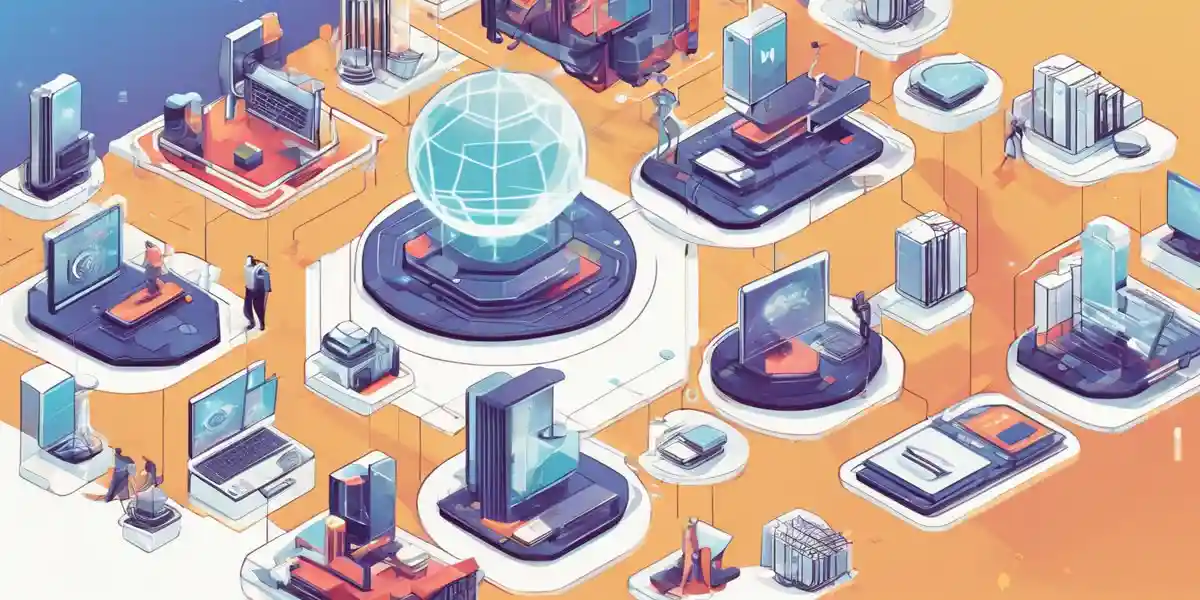
At the heart of Web3 integration lies decentralization, which fundamentally transforms how digital interactions occur. Unlike traditional web models where central authorities control data and transactions, Web3 utilizes blockchain technology to create a more open and user-focused environment. This decentralized structure allows individuals to maintain control over their data, enabling direct interactions without intermediaries. By leveraging smart contracts—self-executing contracts with the agreement directly written into code—users can engage in secure transactions without the risk of fraud or data breaches. As a result, trust is placed in the technology itself rather than third-party entities.
The integration of IoT (Internet of Things) with Web3 technologies brings new dimensions to how devices communicate and function. For instance, the research investigating the application of blockchain in IoT systems highlights the development of a large-scale event-based control system using Ethereum. This approach not only enhances the automation of IoT operations but also ensures that these interactions are traceable and secure due to the inherent features of the blockchain, such as its distributed ledger system. Users can track their devices' activities and transactions with full transparency, fostering greater accountability and trust in IoT applications.
One compelling example of Web3 integration is showcased in the paper "Secure IoT access at scale using blockchains and smart contracts." The authors detail how Ethereum can be employed to manage various IoT devices efficiently within a community or ecosystem. This innovation is particularly significant for large-scale events where numerous devices need to be controlled simultaneously. The study emphasizes how blockchain's architecture allows these interactions to be processed in parallel, significantly enhancing the system's overall efficiency and scalability. As a result, this sets a foundation for creating smart environments where devices can autonomously collaborate and function without centralized oversight.
Another aspect where Web3 and IoT integration shines is in the efficient transfer of information between devices. The research highlighted in "Repeat-Authenticate Scheme for Multicasting of Blockchain Information in IoT Systems" presents a solution to a common challenge faced in IoT networks: the costly communication overhead when disseminating data to multiple devices. Traditional methods often rely on unicast transmissions, which become inefficient as the number of devices increases. The authors propose a multicast approach that allows authenticated blockchain information to be distributed more effectively, making IoT systems faster, more responsive, and easier to manage at scale. This advancement can lead to smarter cities with interconnected services that react to real-time data more efficiently, including traffic management and resource allocation.
As Web3 continues to evolve, the implications for digital interactions will be profound. The synergy between decentralization and IoT not only enhances security and efficiency but also empowers users with greater control over their digital experiences. The collective potential of these technologies opens doors to innovative applications—from automated supply chains to user-centric smart cities—each revolutionizing how we connect with our digital world. Through ongoing research and implementation, the dream of a fully integrated, decentralized future is within reach, positioning Web3 and IoT as cornerstone technologies of tomorrow's digital interactions.
As we've explored throughout this post, the convergence of tokenization, Web3 technologies, and the Internet of Things (IoT) is not merely a trend; it is a transformative force that is reshaping the way we interact with our digital world. Tokenization enhances security and privacy, empowering users to control their data with confidence while enabling seamless access management in IoT ecosystems. The integration of blockchains and smart contracts streamlines operations, ensuring that devices communicate more efficiently and securely. Furthermore, Web3 represents a shift towards decentralization, fostering trust and transparency in digital interactions, ultimately democratizing access to information and services.
In summary, three key takeaways emerge: first, tokenization is crucial for ensuring secure access and boosting user confidence; second, optimizing communication in IoT through enhanced technologies can lead to greater efficiency; and third, the principles of Web3 are redefining our understanding of ownership and trust in the digital space.
As we stand on the brink of this exciting future, it’s essential for individuals and businesses alike to embrace these innovations and consider how they can leverage tokenization, Web3, and IoT to enrich their digital interactions. Whether you're a tech enthusiast, a business leader, or simply curious about the evolution of the internet, take action now. Engage with these technologies, explore their potential, and be part of a revolution that is not just unlocking the future, but radically reshaping it for everyone.
Get notified about new articles, coffee tips, and Web3 insights.
This site participates in affiliate programs and may earn a commission when a link is clicked and a purchase is made. The site is not responsible for any issues or troubles related to the products or services purchased through the use of this site.
DO&COFFEE loves coffee and technology, exploring the potential of NFTs and blockchain. Learn more →
DO&COFFEE loves coffee and technology, exploring the potential of NFTs and blockchain. Learn more →