art
2024/09/27
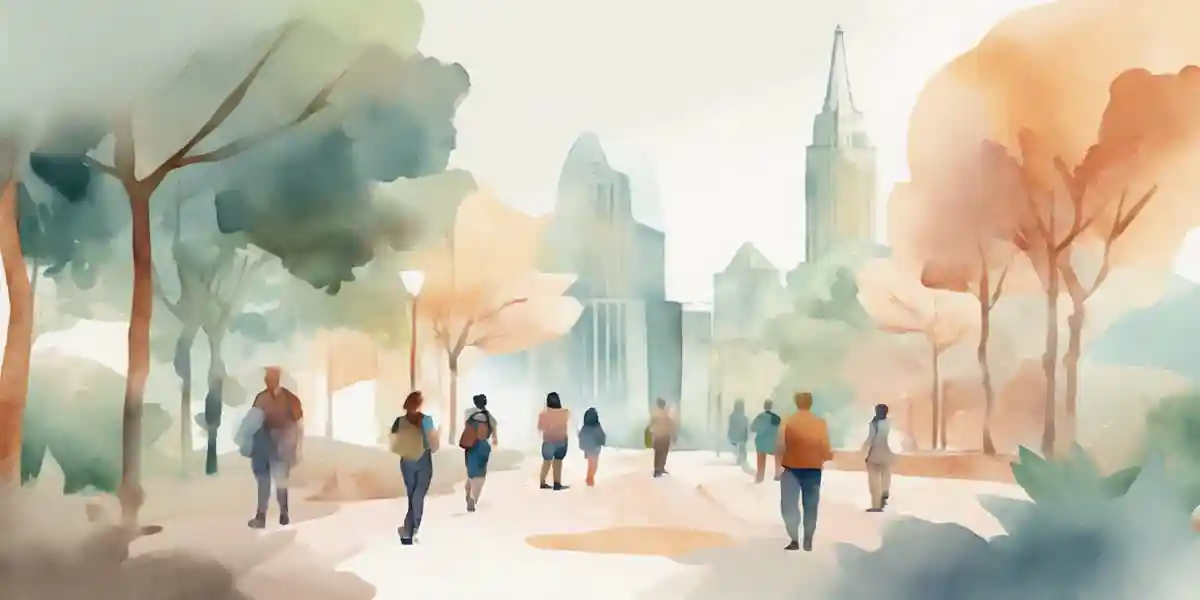
Imagine stepping out into your neighborhood, phone in hand, not just to stroll but to embark on a digital treasure hunt that intertwines art, technology, and community. In the era of tokenization, public art is entering an exciting new frontier, blending the tangible with the virtual in ways that were once the stuff of dreams. This blog post delves into how augmented reality (AR) and non-fungible tokens (NFTs) are revolutionizing outdoor adventures, transforming how we engage with public art. Through a decentralized app (dApp), users can discover local art installations, each encoded with unique NFTs that unlock stories, interviews, and immersive experiences. This evolution is not just about appreciating art in new contexts; it’s also about empowering artists and communities. As we explore this dynamic intersection, we’ll consider the implications of tokenization for the future of public art, community engagement, and the very essence of adventure itself. Are we on the brink of a cultural renaissance that democratizes art and transforms urban spaces into interactive galleries? Join us as we navigate this fascinating terrain where creativity meets technology.
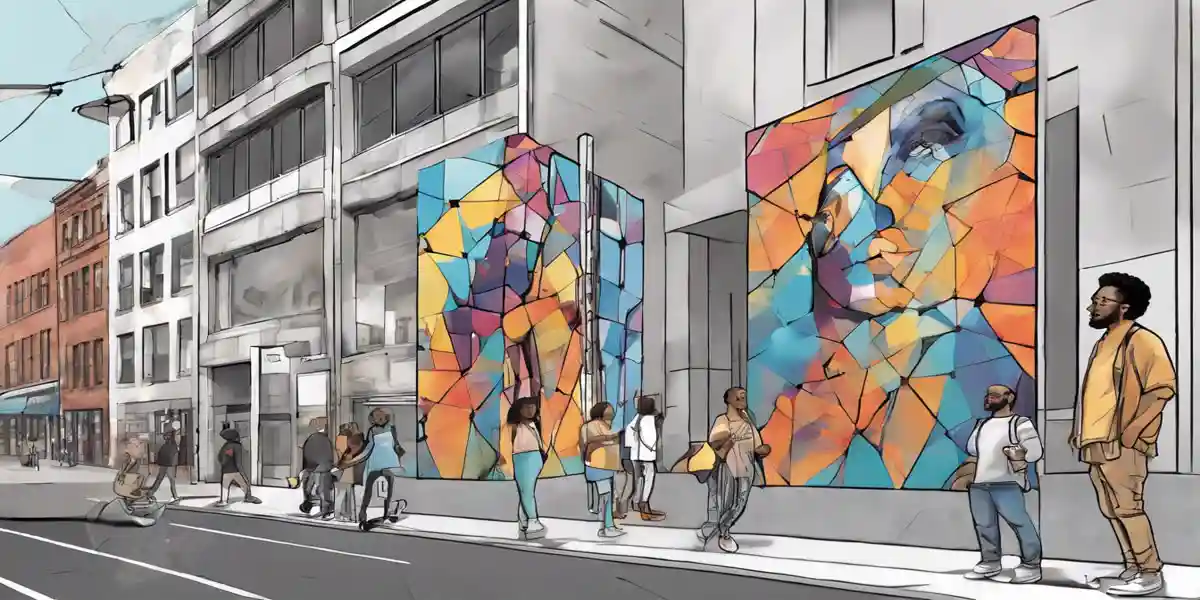
In an era where technology continues to redefine our interactions with the world, public art stands at the cusp of transformation through tokenization. This section delves into the emerging synergy between public art and blockchain technology, particularly focusing on non-fungible tokens (NFTs) and decentralized applications (dApps) that are revolutionizing how we experience art in public spaces.
Public art encompasses a diverse range of artistic expressions that are accessible to the general public, often found in urban environments like parks, streets, and plazas. This art form plays an essential role in community identity, sparking conversations and reflecting cultural narratives. However, the appreciation and engagement with public art have largely remained passive—viewers observe but seldom interact on a deeper level.
Tokenization introduces a novel paradigm where art becomes more than just an object of passive observation. By leveraging blockchain technology, public art installations can be linked to unique NFTs, each functioning as a digital certificate of authenticity and ownership. This shift offers artists—and communities—the opportunity to create dynamic interactions with their work.
The journey of NFTs has progressed from NFT 1.0, characterized by static tokens, to NFT 2.0, which introduces dynamic and interactive features. As discussed in recent studies, NFT 2.0 allows for richer user engagement by enabling metadata that can change over time. This means that public art can evolve, with its narrative expanding through community engagement or artist contributions. Imagine an artwork whose story updates as new community events unfold or as artists share their creative processes through multimedia content.
Consider urban installations that have incorporated AR and NFTs to enhance visitor experiences. For instance, artists have utilized QR codes linked to NFTs that, when scanned, unveil behind-the-scenes content or augmented reality experiences. These technologies allow viewers to step into the artist's mind, witnessing the evolution of their work and connecting more intimately with the artistic narrative.
Tokenization not only empowers artists but also fosters a sense of community ownership over public art. By allowing community members to participate through voting mechanisms on new installations or funding collaborative projects, public art becomes a shared endeavor. This democratization helps to bridge the gap between artists and the community, encouraging a more profound appreciation and understanding of the art that adorns their public spaces.
At the core of this transformation is the underlying blockchain technology, which ensures transparency and security in transactions involving NFTs. As different blockchains adopt various standards for NFTs, the technical details of these implementations can vary. However, the essential concept remains the same—each NFT acts as a secure digital asset that can encapsulate ownership, provenance, and artistic intent.
As we explore this intersection of public art and tokenization, it's essential to consider how these innovations will shape our interactions with art in the future. Could the integration of technology and creativity redefine what it means to experience public art?
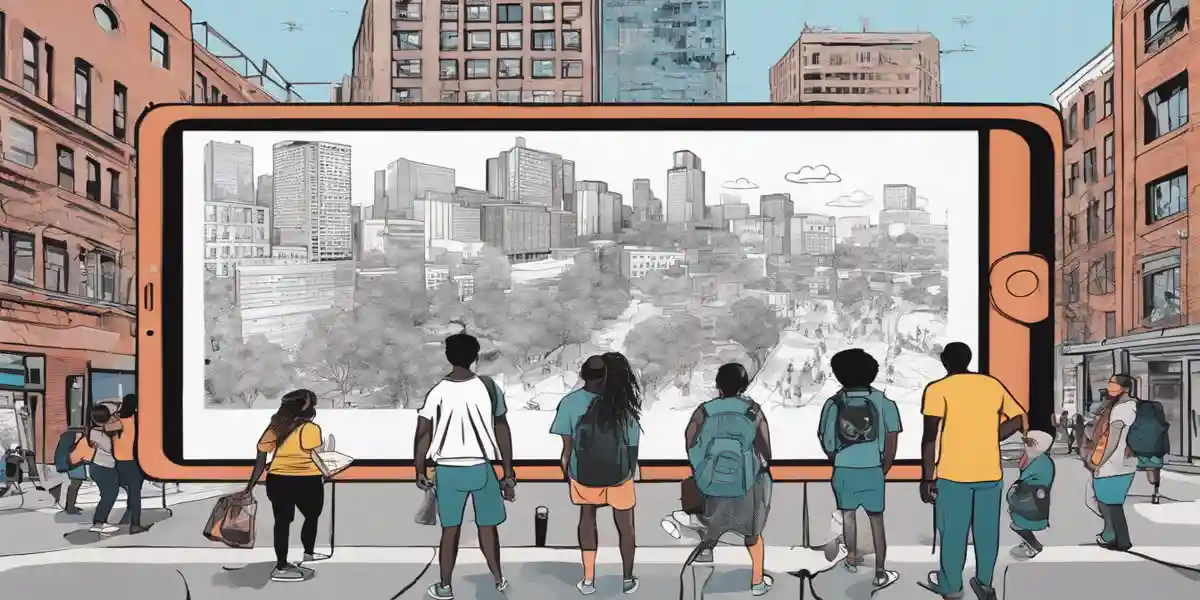
As we delve into the captivating realm of public art and outdoor adventures, we discover an intriguing synergy that transforms the way we experience our urban landscapes. The confluence of artistic expression and the great outdoors invites us to engage with our environment in novel ways, encouraging exploration, interaction, and connection. This section examines how public art can enhance outdoor adventures, fostering a deeper appreciation for both art and nature.
Imagine strolling through your city, smartphone in hand, as you embark on an adventurous quest to uncover hidden art gems scattered throughout urban spaces. Public art installations serve as beacons, inviting you to engage with your surroundings. With the integration of technologies like augmented reality (AR) and non-fungible tokens (NFTs), this experience becomes even more dynamic. For instance, a simple walk in the park can morph into a treasure hunt where each artwork you encounter reveals unique stories, artist interviews, and community narratives.
Take the example of the "H Space" interactive artwork, which leverages AR systems to enhance viewer engagement. This innovative installation allows visitors to experience art in an immersive manner, merging the physical presence of the artwork with digital enhancements that provide context and deeper meaning. Such installations encourage outdoor exploration, urging individuals to venture beyond traditional gallery walls and discover art embedded in their everyday environments.
Public art is not just a static display; it thrives on community interaction and participation. Through tokenization, community members can play an active role in curating their outdoor art environments. Imagine a scenario where locals vote on new art installations or contribute ideas for collaborative projects, thus democratizing the art-making process. This participatory model not only fosters a sense of ownership among residents but also cultivates a vibrant culture of creativity.
Moreover, the rise of experiential art events challenges conventional notions of spectatorship, repositioning the audience as active participants. These interactive experiences invite diverse audiences to co-create and engage meaningfully with art, transforming outdoor adventures into memorable communal celebrations. The fusion of public art with community events can lead to a revitalization of local spaces, turning forgotten alleys or neglected parks into thriving hubs of artistic expression and social interaction.
Public art installations can serve as navigational landmarks that guide adventurers through urban landscapes. By integrating AR features within a decentralized app, users can access information about nearby artworks in real-time. Triggered by geolocation, these digital experiences can provide users not only with the history and significance of the art piece but also with artistic techniques, cultural narratives, and even interactive elements that react to their movements.
Consider how this technology could transform a visit to a city park. A user, equipped with their smartphone, could scan a QR code next to a vibrant mural. Instantly, they might unlock an AR experience that visualizes the mural's creation process, showcasing the artist's inspirations and thought patterns. Such experiences deepen the connection between art and the adventurer, sparking curiosity and a desire to learn more about the cultural fabric surrounding them.
In an era where accessibility is paramount, leveraging technologies like NFTs and AR can democratize access to public art. By allowing users to engage with art remotely, individuals who may not be able to physically visit installations can still partake in the experience. This inclusivity broadens the audience base and enriches the dialogue around public art, ensuring that art is not confined to certain demographics or geographical areas.
Furthermore, artists benefit from this paradigm shift as they can tokenize their work, offering limited edition NFTs tied to their public installations. This not only provides them with a new revenue stream but also enables them to engage directly with their audience, creating a sense of community around their art. The potential for deeper connections between artists and adventurers enhances the overall experience, fostering a vibrant ecosystem of creativity and exploration.
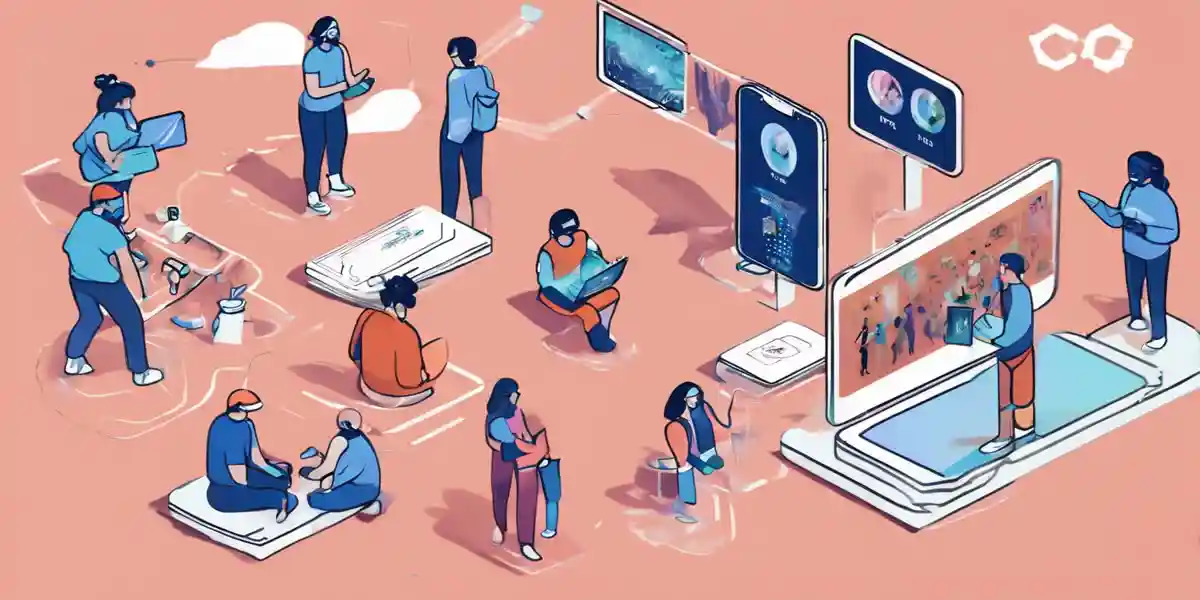
As we stand on the brink of a new era in public art, tokenization emerges as a powerful tool that can significantly enhance how we engage with and perceive art in our communities. This section explores how the integration of NFTs and decentralized applications (dApps) can reshape public art experiences, creating dynamic, interactive environments that foster community engagement and artistic appreciation.
Initially, NFTs were characterized as static tokens with unchangeable metadata, limiting their interactivity and user engagement. However, the evolution to NFT 2.0 has introduced dynamic properties that allow for richer user experiences. This shift is significant for public art, as artists can now create NFTs that encapsulate not only the artwork but also its ongoing narrative. For instance, imagine an NFT linked to a sculpture that evolves based on community interactions or seasonal changes, updating its visuals or providing new stories over time. This interactivity could deepen the public's relationship with the art, as they witness its transformation and contribute to its narrative.
Augmented reality (AR) is another innovative facet of tokenization that can elevate public art experiences. By utilizing AR technology, public art installations can be enhanced with digital layers that provide additional context and engagement opportunities. Consider a public mural that, when viewed through a smartphone app, reveals an animated story about the mural’s inspiration or the artist's journey. This not only enriches the viewer's experience but also connects them more deeply with the artwork and its creator.
Tokenization also democratizes the art world. Through decentralized platforms, community members can actively participate in the selection and funding of new public art projects. Think about a scenario where local residents can vote on their favorite artists or concepts through a dApp. This participatory approach not only empowers communities but also ensures that public art truly reflects the voices and values of those who live there. Moreover, artists can issue limited edition NFTs tied to their installations, creating a new revenue stream that directly supports their work and allows them to engage more intimately with their audience.
Several cities are already experimenting with tokenization to enhance public art experiences. For example, a project in Austin, Texas, combines AR technology with local street art, allowing users to unlock digital content by scanning QR codes placed near murals. Visitors can view behind-the-scenes footage of the artists at work and even participate in a virtual tour led by the artists themselves. This integration of technology not only promotes the artists but also fosters a stronger community connection as residents and tourists alike explore their city’s artistic landscape through an interactive lens.
Despite the promising prospects of tokenization in public art, there are challenges to consider. The technical hurdles associated with implementing NFT 2.0 and ensuring seamless user experiences can be significant. Additionally, the concept of ownership in the digital realm is still evolving, and questions about copyright and the preservation of digital art remain. As these technologies continue to develop, collaboration between artists, technologists, and community stakeholders will be essential to navigate these challenges and unlock the full potential of tokenization in public art.
As we draw our exploration of public art in the era of tokenization to a close, it's essential to reflect on the transformative potential that lies at the intersection of creativity and technology. Throughout this journey, we've uncovered how tokenization, particularly through NFTs and augmented reality, is reshaping our engagement with public art, moving us from passive observers to active participants in artistic narratives.
We've seen how public art, traditionally rooted in community identity, can now foster deeper connections through dynamic interactions enabled by tokenization. The evolution from static NFTs to the more engaging NFT 2.0 framework opens a realm of possibilities, allowing artwork to evolve in real-time based on community input and experiences. This shift not only enhances the appreciation of public art but also democratizes its creation, empowering communities to take part in curating their cultural landscapes.
The integration of augmented reality into public art initiatives further enriches our outdoor adventures, transforming urban spaces into interactive galleries where each corner may reveal a new story or experience. This technology not only enhances accessibility for various audiences but also provides artists with innovative tools to connect with their viewers in meaningful ways.
However, as we stand on this exciting frontier, we must also acknowledge the challenges ahead. The journey toward fully realizing the potential of tokenization in public art will require collaboration among artists, technologists, and community stakeholders to navigate the complexities of ownership, copyright, and user experience.
So, what does the future hold for public art in our increasingly digital world? As you venture into your own cities, consider how you can interact with the art around you. Will you embrace the opportunity to engage with the stories behind your local installations? What role will you play in shaping the narrative of public art in your community? The power to redefine our artistic experiences lies within our hands—let's seize it and explore this new frontier together.
Get notified about new articles, coffee tips, and Web3 insights.
This site participates in affiliate programs and may earn a commission when a link is clicked and a purchase is made. The site is not responsible for any issues or troubles related to the products or services purchased through the use of this site.

DO&COFFEE loves coffee and technology, exploring the potential of NFTs and blockchain. Learn more →
DO&COFFEE loves coffee and technology, exploring the potential of NFTs and blockchain. Learn more →