art
2024/09/27
As we stand on the brink of a new era in the art world, the digital canvas beckons with promises of innovation and inclusivity. The convergence of virtual galleries, interactive creative workshops, and the transformative power of cryptocurrencies is reshaping how we experience and engage with art. Imagine a vibrant digital landscape where artists and art lovers from around the globe can connect, free from the constraints of physical space and time. In this blog post, we'll explore the emergence of a "Virtual Art Ecosystem" that not only showcases traditional artworks but also embraces immersive digital installations and NFTs (non-fungible tokens). We'll delve into how these virtual galleries serve as dynamic exhibition spaces, and how the rise of interactive workshops empowers creativity through technology. Furthermore, we'll examine the role of cryptocurrencies in facilitating seamless transactions, ensuring transparency, and revolutionizing the way artists monetize their work. This is more than just a trend; it's a fundamental shift towards democratizing access to art and fostering a sense of community among creative minds. Are you ready to embrace this new way of experiencing art?
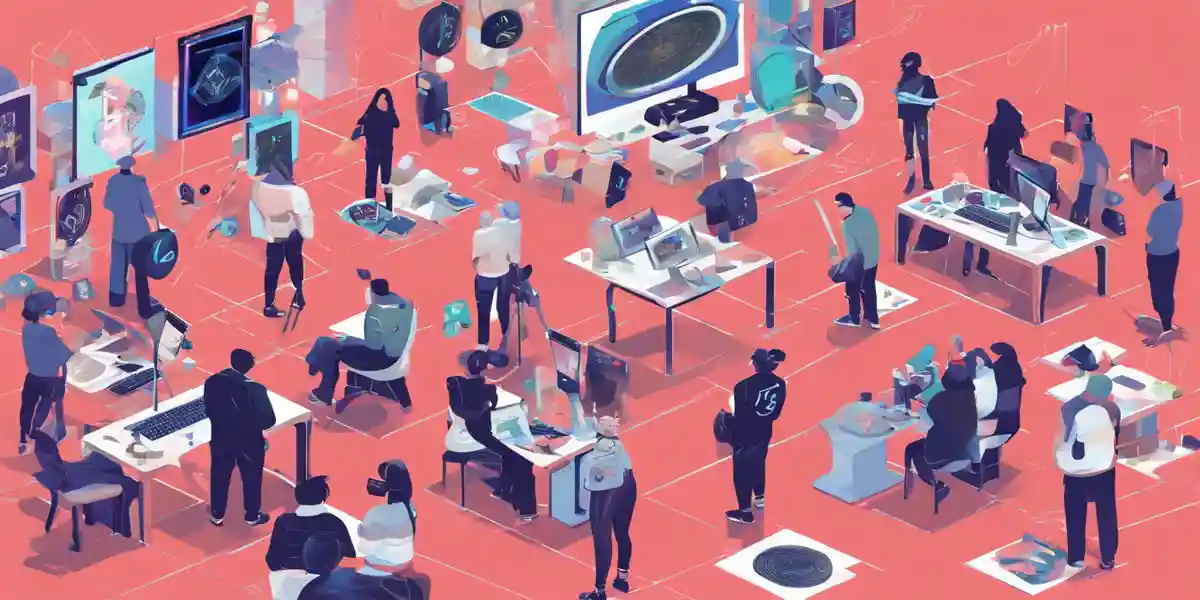
The Digital Art Revolution is a compelling shift in how we perceive, create, and interact with art, driven by advancements in technology and the rise of cryptocurrencies. This transformation is not merely a matter of convenience; it signifies a deeper cultural evolution that radically alters our relationship with art itself. Imagine stepping into a world where art transcends physical boundaries, where artists showcase their work in immersive, interactive environments, and where enthusiasts can engage with art on a level previously unthinkable.
At the heart of this revolution is the concept of a "Virtual Art Ecosystem." This ecosystem interconnects virtual galleries, interactive workshops, and cryptocurrency-based transactions, creating a vibrant space for creativity and collaboration. Artists and art lovers find themselves in a dynamic environment, free from the constraints of geography and traditional art markets. For instance, an artist in Tokyo can exhibit their latest digital installation in a virtual gallery while art enthusiasts from New York to Berlin can interact with the work in real time, sharing their thoughts and experiences.
Complementing virtual galleries are interactive creative workshops, which allow participants to engage in hands-on activities led by renowned artists. Picture a live, virtual painting class where you can interact with the instructor and fellow participants as if you were all in the same room. Utilizing augmented reality tools, these workshops not only enhance the learning experience but also foster a sense of community among participants. For example, the platform "MasterClass" has started featuring workshops where participants can receive real-time feedback from experts, creating a rich, immersive learning environment.
Cryptocurrencies, particularly Ethereum and its native currency, Ether, play a crucial role in this new era of art. They facilitate seamless transactions, allowing artists to sell their work directly to collectors without intermediaries. This direct sales model not only empowers artists but also ensures that they receive fair compensation for their creations. Smart contracts—self-executing contracts with the terms of the agreement directly written into code—add another layer of security and transparency to these transactions. For instance, an artist can program a smart contract to automatically transfer a percentage of future sales back to themselves whenever their work is resold, thereby creating a sustainable income stream.
This digital transformation challenges conventional definitions of art. As immersive experiences become more prevalent, they encourage deeper personal connections with the audience. No longer are viewers passive observers; they are now active participants in the art-making process. For instance, installations that incorporate audience interaction allow for a unique personal connection, redefining what it means to engage with art. The emotional resonance of these experiences often leads to lasting memories and unique souvenirs, making art not just an object of admiration but a shared journey.
However, the rise of digital assets such as NFTs also raises important legal and ethical questions. Issues related to intellectual property rights, provenance, and the validity of digital contracts are increasingly coming to the forefront. As artists navigate this new landscape, the integration of blockchain technology offers solutions for establishing authenticity and ownership. This technological framework can enhance transparency in art sales, ensuring that both artists and collectors are protected. For instance, a blockchain-based system can provide immutable proof of ownership, making it easier to trace the history of an artwork and verify its legitimacy.
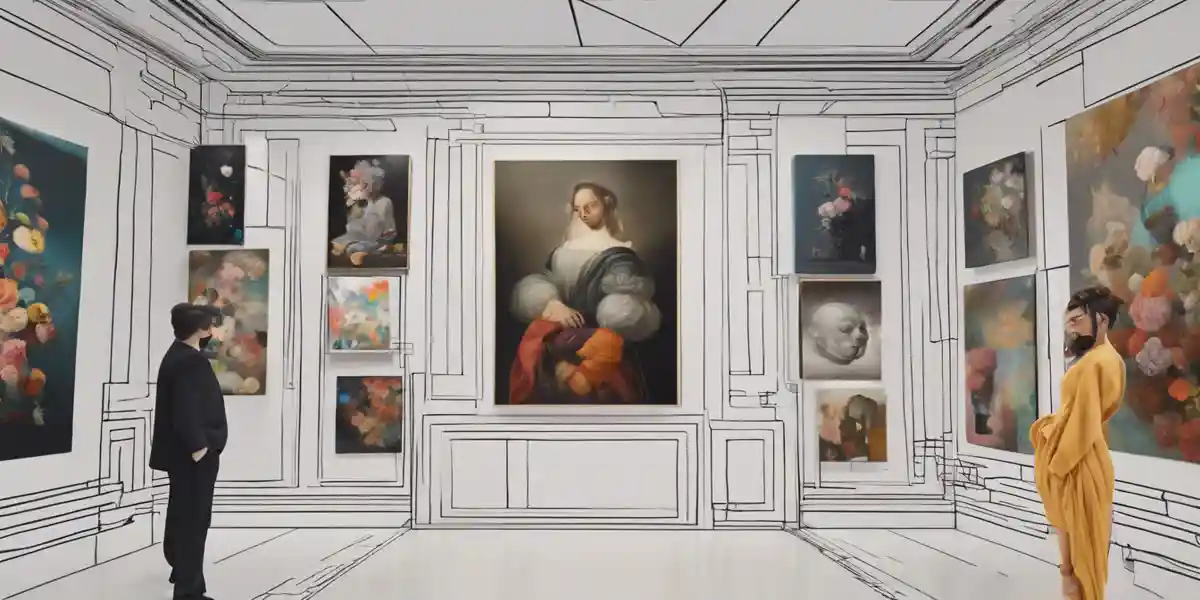
As we navigate through the digital art revolution, virtual galleries have emerged as a transformative space for artists and collectors alike. This new frontier not only redefines how art is displayed and sold but also reshapes the very experience of art itself. Imagine walking through a gallery where the walls change dynamically based on your interactions or where you can view a piece from every angle, immersing yourself in its details. This is not just a dream; it's the reality of virtual galleries.
One of the most exciting aspects of virtual galleries is their interactivity. Unlike traditional galleries, where art is often static and viewing is limited, virtual galleries provide a platform for artists to engage with their audience in real-time. For instance, an artist can host a live exhibition where they explain the inspiration behind each piece, answer questions, and even modify the exhibition based on audience feedback. This level of engagement fosters a deeper emotional connection between the artwork and the viewer, transforming them from passive observers into active participants.
Virtual galleries are not limited to traditional artwork; they are an ideal setting for showcasing digital art and non-fungible tokens (NFTs). For example, platforms like SuperRare and Foundation have become popular for artists looking to sell their NFT creations. These galleries allow collectors to not only purchase art but also to own a unique digital asset that is verifiable on the blockchain. The integration of blockchain technology ensures authenticity and provenance, making virtual galleries a vital part of the digital art ecosystem.
The rise of cryptocurrencies, particularly Ethereum, plays a crucial role in the functionality of virtual galleries. Transactions can be conducted directly between artists and collectors, eliminating the need for intermediaries. This decentralized approach not only reduces transaction fees but also enhances privacy for both parties. Consider the case of an artist selling an NFT for Ether; the transaction is recorded on the blockchain, providing a transparent and immutable history of ownership. This can be particularly appealing for collectors who value provenance and want assurance that their purchase is legitimate.
Virtual galleries break down geographical barriers, allowing artists to reach a global audience. No longer confined to the walls of a physical gallery, artists can showcase their work to anyone with internet access. This democratization of art is further enhanced by social media platforms that can amplify exposure. For example, an emerging artist from a small town can display their work in a global virtual gallery and connect with collectors from around the world. The ease of access fosters inclusivity and encourages diverse artistic expression.
As the virtual art market grows, so too do the complexities of legal considerations, particularly concerning ownership and copyright. Smart contracts, powered by blockchain technology, play a pivotal role in this area. They can automate agreements between artists and collectors, ensuring that creators receive fair compensation every time their work is resold. For instance, an artist could set a percentage of future sales, automatically receiving royalties each time their NFT changes hands. This capability not only protects artists but also incentivizes them to create and share their work, knowing they will benefit financially in the long run.
In this new digital landscape, virtual galleries represent a significant evolution in the art world, challenging traditional norms and offering unprecedented opportunities for artists and collectors alike. Are you ready to explore this vibrant and innovative space?
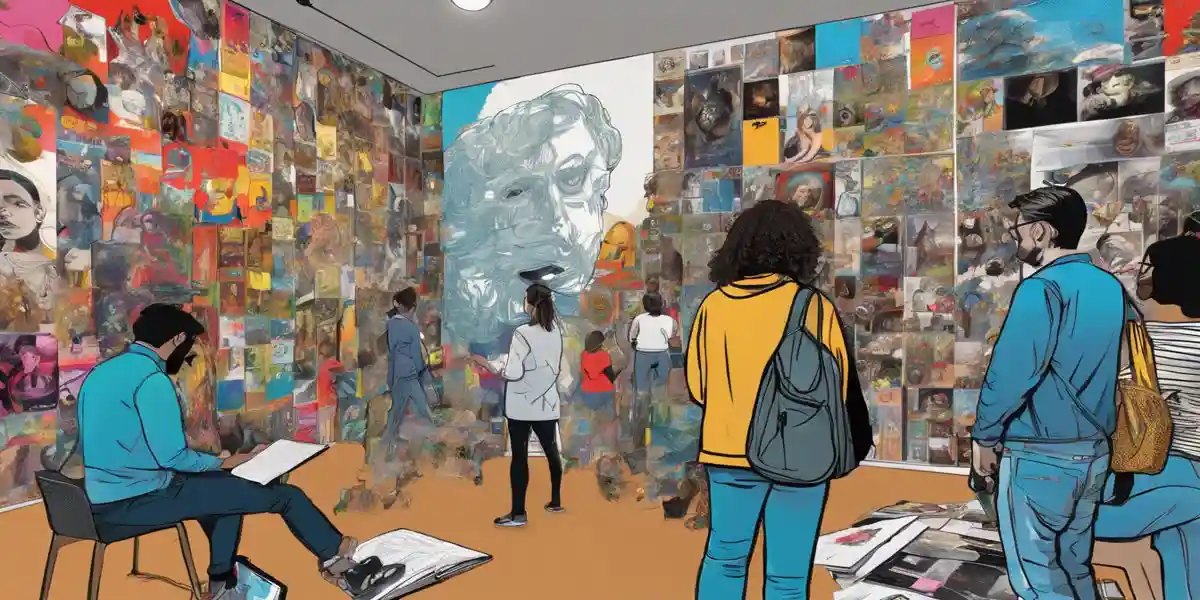
The rise of virtual galleries represents a significant shift in how art is experienced and consumed, redefining traditional norms and creating new opportunities for artists and audiences alike. Imagine stepping into a space where art is not confined to four walls but expands to infinity, where geographical boundaries dissolve, and creativity flourishes in a digital landscape. This transformation is not merely a trend; it is a revolution that is reshaping the very essence of the art world.
As technology advances, the concept of art has evolved to encompass immersive experiences that engage audiences on a deeper emotional level. Virtual galleries serve as dynamic exhibition spaces that present not only traditional art forms but also cutting-edge digital installations, including NFTs (non-fungible tokens). For instance, platforms like Artsy and Decentraland offer artists the ability to showcase their work in 3D environments, allowing viewers to interact with art in ways that were once unimaginable. Imagine walking through a digital gallery where each piece of art responds to your presence, adapting and changing based on your interaction.
One of the most fascinating aspects of virtual galleries is the ability for artists to curate their exhibitions in real-time. This adaptability allows artists to tailor their displays to the audience's reactions, creating a personalized experience for each viewer. For example, during a recent virtual exhibition by renowned digital artist Refik Anadol, viewers could influence the artwork's visuals through their movements and choices, providing a unique, interactive experience that transcends passive observation.
The virtual art ecosystem democratizes access to art, enabling individuals from various backgrounds to explore and engage with art without the barriers posed by physical location or financial constraints. Artists can reach global audiences with minimal overhead costs, selling their work directly to collectors through platforms that utilize cryptocurrencies for transactions. This shift not only empowers artists but also allows collectors to discover emerging talents without the traditional gatekeeping of galleries and auction houses.
In this new landscape, cryptocurrencies play a crucial role in facilitating seamless transactions. The decentralized nature of platforms like Ethereum allows artists to sell their works directly to consumers without intermediaries, which often means reduced fees and increased profit margins. Smart contracts can automate royalty payments, ensuring that artists receive fair compensation every time their work is resold. This innovative approach to buying and selling art is not just a financial revolution; it also enhances trust and transparency in the art market.
As we embrace the rise of virtual galleries, we witness a transformative moment in the art world. The integration of technology, immersive experiences, and decentralized transactions is not merely a passing phase; it is a foundational shift that redefines our relationship with art. Artists, collectors, and enthusiasts are invited to participate in this exciting journey. Are you ready to explore the boundless possibilities that virtual galleries offer?
In an era defined by the Digital Art Revolution, we've explored how virtual galleries and creative workshops are not just changing the way we engage with art—they're fundamentally redefining it. As we've discussed, the emergence of virtual galleries serves as a new frontier, breaking down geographical boundaries and allowing artists to reach a global audience. These platforms facilitate real-time interactions, creating immersive experiences that turn viewers into active participants in the artistic process.
Moreover, the integration of cryptocurrencies and blockchain technology has introduced a level of transparency and security previously unseen in the art market. Artists can now sell their work directly to collectors, benefiting from lower fees and greater control over their creative output. The use of smart contracts also ensures that artists receive fair compensation through automated royalty systems, fostering a sustainable income model that empowers creators.
Simultaneously, creative workshops are leveraging technology to nurture artistic growth, integrating augmented reality and real-time feedback to enhance learning experiences. This accessibility democratizes art, allowing individuals from diverse backgrounds to engage with creativity in ways that were once out of reach.
As we stand on the brink of this exciting new frontier, we must ask ourselves: Are we ready to embrace the limitless possibilities that await us in the digital art landscape? The future of art is not just about adapting to technology; it’s about actively participating in a cultural evolution that encourages innovation, inclusivity, and community engagement. Join the movement, explore virtual galleries, participate in workshops, and support artists as they navigate this transformative era. The canvas is digital, and the brush is in your hands—what will you create?
Get notified about new articles, coffee tips, and Web3 insights.
This site participates in affiliate programs and may earn a commission when a link is clicked and a purchase is made. The site is not responsible for any issues or troubles related to the products or services purchased through the use of this site.

DO&COFFEE loves coffee and technology, exploring the potential of NFTs and blockchain. Learn more →
DO&COFFEE loves coffee and technology, exploring the potential of NFTs and blockchain. Learn more →