art
2024/09/06
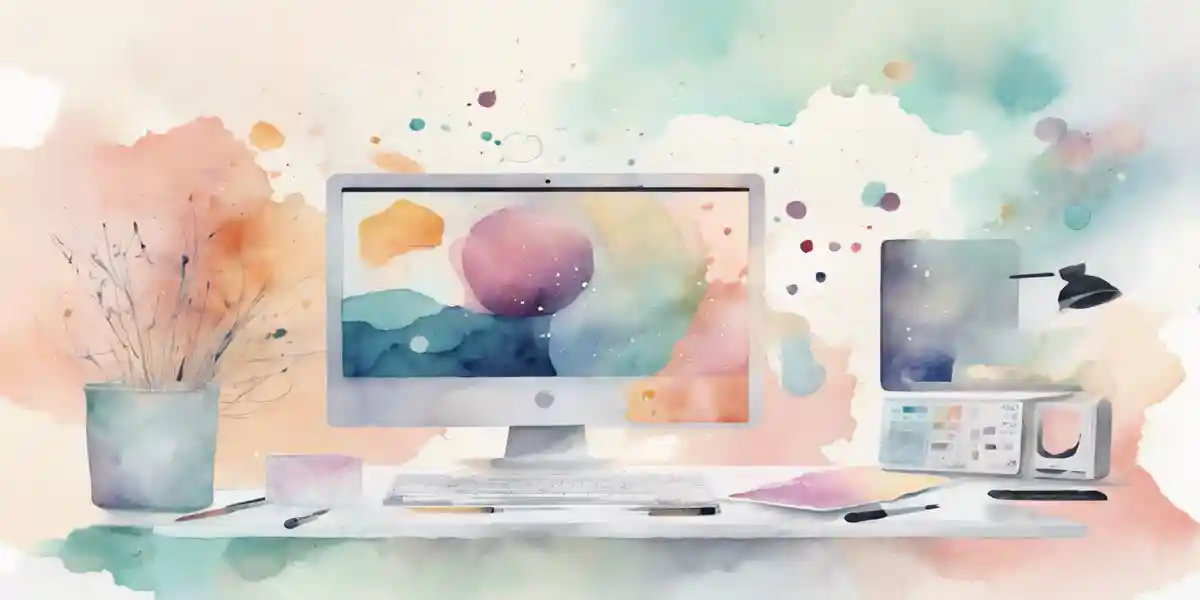
As we stand on the brink of a new era in art, the intersection of technology and creativity is revealing extraordinary possibilities, particularly for mixed media artists. The emergence of Web3 technologies—especially blockchain and non-fungible tokens (NFTs)—is not merely a trend; it represents a seismic shift that is redefining how art is created, shared, and valued. Imagine a landscape where traditional art forms meld effortlessly with digital innovations, allowing artists to explore uncharted territories while maintaining authentic connections with their audiences. This blog post delves into the transformative impact of Web3 on mixed media art, illuminating how artists are navigating this rapidly evolving digital age. We will explore the democratization of art access, the vital role of community engagement, and the opportunities and challenges that come with these changes. By examining the dynamics of ownership and authenticity, we can begin to understand the profound implications for artists and collectors alike. What does this brave new world mean for the future of artistic expression? Join us as we embark on this exploration, addressing pressing questions that will shape the future of art in an increasingly interconnected and digital landscape.
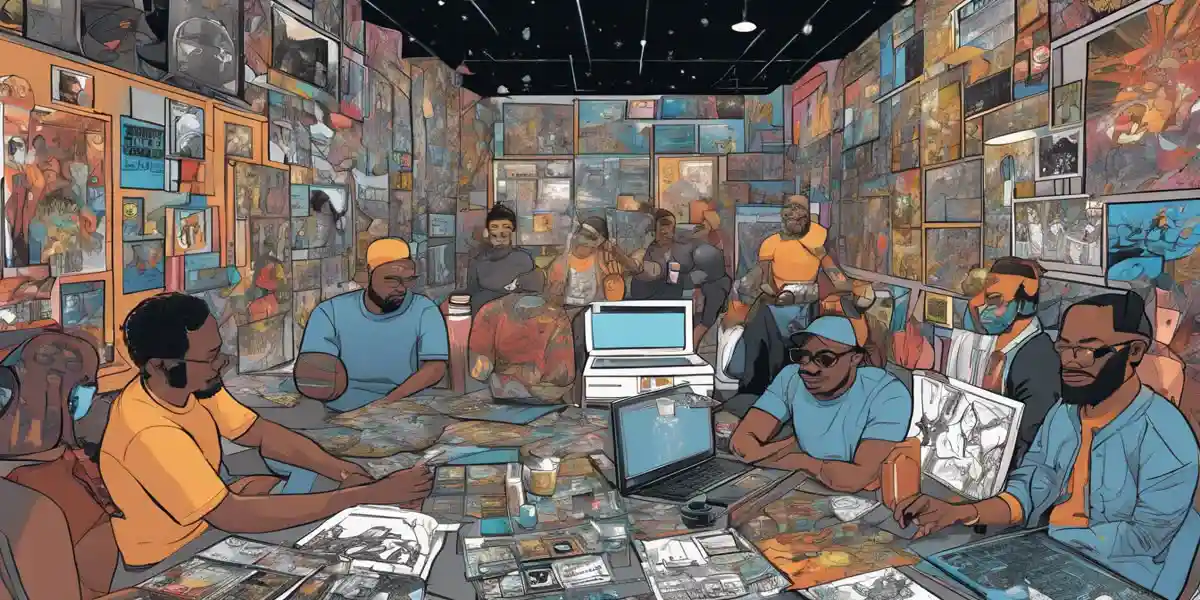
As we delve into the transformative world of Web3, we stand at the intersection of technology and creativity, particularly within the realm of mixed media art. This section explores how blockchain technology is reshaping the creation, distribution, and monetization of art, offering unprecedented opportunities and challenges for artists.
At its core, Web3 represents a decentralized internet framework that empowers users, particularly artists, to take ownership of their work in ways previously unimaginable. Blockchain technology, the backbone of Web3, facilitates secure and transparent transactions, which is essential for artists navigating the complexities of today's digital marketplace. For instance, the Ethereum blockchain, widely used for creating NFTs (non-fungible tokens), allows artists to attach a unique digital identity to their creations. This not only ensures authenticity but also proves provenance, combating the pervasive issue of forgery in the art world.
Non-fungible tokens have emerged as a revolutionary tool for mixed media artists. By converting their work into NFTs, artists can sell their pieces directly to collectors without relying on traditional art markets or intermediaries. This shift democratizes access to art, enabling more diverse participation in the art ecosystem. For example, the mixed media artwork InTangible illustrates this concept brilliantly. It combines traditional textiles with digital technology, allowing multiple users to own fragments of a digital version through NFTs. This co-ownership model not only alters conventional art ownership dynamics but also fosters community engagement, as audiences can collectively share in the artistic experience.
One of the most significant advantages of NFTs is their ability to facilitate ongoing revenue for artists through smart contracts. These self-executing contracts automatically enforce the terms of an agreement, ensuring that artists receive a percentage of the resale value each time their work is sold on the secondary market. This innovative approach allows artists to benefit financially as their work appreciates over time, a shift that contrasts sharply with traditional art sales where artists typically see no profit after the initial sale.
Despite the promising opportunities, mixed media artists face challenges in this evolving digital landscape. Issues surrounding copyright protection remain a pressing concern, as some artists find their works tokenized without consent. This highlights the urgent need for improved copyright frameworks to safeguard artists' rights and ensure fair compensation in the digital realm. Furthermore, the economic disparities among artists are pronounced, with some achieving significant sales while others struggle to gain visibility. This disparity underscores the necessity for platforms that promote equitable access to resources and opportunities for all artists.
Mixed media art in the Web3 age also serves as a canvas for cultural representation. For instance, NFT collections that feature Asian characters, such as Japanese kanji and Korean hangeul, not only showcase artistic innovation but also preserve cultural heritage. As artists leverage these digital platforms, they create a unique blend of tradition and modernity, fostering a deeper connection with their audiences. This engagement is further enhanced through decentralized platforms that allow artists to invite their collectors into the creative process, creating a bond that transcends mere transactions.
In this rapidly changing landscape, mixed media artists are not just adapting; they are redefining what it means to create and share art in the digital age. With the tools provided by Web3, they are forging new paths, exploring the intersections of technology and creativity like never before.
In the digital age, mixed media art is undergoing a significant transformation, fueled by advancements in technology and the rise of Web3. This evolution not only expands the creative possibilities for artists but also alters the dynamics of art ownership and community engagement.
At the heart of this transformation is blockchain technology, particularly through Non-Fungible Tokens (NFTs). NFTs serve as cryptographic certificates that grant uniqueness to digital artworks, allowing artists to authenticate their pieces and prove ownership. Imagine a mixed media artist who seamlessly integrates traditional painting techniques with digital illustrations and augmented reality features. Through NFTs, they can tokenize their work, ensuring that each piece retains its value and authenticity in the digital realm.
For example, the artwork InTangible exemplifies this fusion of traditional and digital. It incorporates handwoven textiles into a digital format, enabling viewers to appreciate the artwork from anywhere in the world. By using NFTs, the artist allows multiple users to co-own fragments of the digital version, thus democratizing art collection. This innovative approach challenges the conventional notions of art ownership, opening doors for broader audience participation.
The financial implications of NFTs are profound. They facilitate high-value sales and create new revenue streams for artists through smart contracts. Each time an artwork is resold, artists can earn a percentage of that sale, preserving the economic value of their creations over time. This model contrasts sharply with traditional art markets, where artists often see little financial benefit after an initial sale.
Moreover, the security offered by blockchain technology ensures that ownership transfers are both secure and private. This mitigates concerns around art forgery and provenance, allowing artists to build trust with their collectors. The ERC-721 standard, specifically designed for NFTs, enables artists to establish controlled scarcity for their works, further enhancing their market value.
The rise of decentralized platforms has also nurtured community engagement in unprecedented ways. Artists can now foster direct relationships with their audiences, inviting them into the creative process. This interaction can take various forms—whether it’s allowing fans to contribute ideas to a project or enabling them to co-own pieces through fractional ownership schemes.
This shift towards interactivity not only enriches the collector's experience but also fosters a sense of investment in the artist's journey. For instance, a mixed media artist might create a series of artworks that evolve based on community feedback, thus creating a dialogue that enhances the narrative of the art itself.
Despite these opportunities, mixed media artists face challenges in the digital age. Issues related to copyright protection remain a significant concern, as some artists find their works tokenized without consent. This highlights the need for clearer regulations around the use of NFTs and intellectual property rights.
Additionally, as the NFT marketplace grows, economic disparities among artists can widen. While some creators achieve high sales, others struggle to gain visibility and market presence. This calls for a more equitable distribution of resources and support systems that can help all artists navigate this new landscape.
Mixed media art also serves as a platform for cultural representation and innovation. Recent studies have highlighted the importance of incorporating diverse cultural identities into the digital art space, as seen with Asian character collections on platforms like OpenSea. These collections not only showcase the fusion of tradition and modernity but also allow artists to establish ownership and authenticity in a marketplace that can sometimes overlook cultural nuances.
As mixed media artists navigate this ever-evolving terrain, they are redefining what it means to create and connect in the digital age. Through the lens of Web3 technologies, they are not just adapting to changes; they are actively shaping the future of art itself.
The rise of Web3 technologies presents a dual landscape of opportunities and challenges for mixed media artists. As artists embrace blockchain and NFTs, they find themselves navigating a complex ecosystem that can enhance their creative expression while also introducing new hurdles to overcome.
One of the most significant opportunities for mixed media artists in the Web3 space is the ability to authenticate and monetize their work through NFTs (non-fungible tokens). By attaching a unique digital identity to their pieces, artists can ensure provenance and build trust with collectors. This is crucial in an age where digital art can be easily replicated. For instance, a mixed media piece like InTangible challenges traditional ownership models by allowing multiple users to co-own fragments of a digital artwork through NFTs. This democratization of art collection not only increases accessibility but also fosters a more engaged audience.
Moreover, the integration of decentralized finance (DeFi) within the NFT ecosystem enables high-value sales for artists who may have previously struggled to gain recognition in traditional art markets. Platforms like OpenSea allow artists to reach a global audience, transforming the way art is marketed and sold. This shift can lead to a more equitable distribution of wealth in the art community, as artists retain a portion of the resale value through smart contracts. For example, every time an artwork is resold, the original artist can earn a percentage, ensuring a continuous revenue stream that was often elusive in traditional art sales.
Web3 encourages a new level of interaction between artists and their audiences. Through decentralized platforms, artists can cultivate direct relationships with their fans, inviting them to participate in the creative process. This can manifest in various ways, such as allowing collectors to influence future artistic directions or co-owning pieces through fractional ownership. This not only enhances the collector's experience but also fosters loyalty and deeper investment in the artist’s work.
For instance, artists can create interactive experiences that incorporate augmented reality or virtual reality elements, bringing their mixed media pieces to life in ways that were previously unimaginable. This kind of engagement transforms the static viewing of art into a dynamic interaction, enriching the overall experience for audiences and promoting a sense of community around the artwork.
Despite the myriad opportunities, mixed media artists face several challenges in the Web3 landscape. One significant concern revolves around copyright protection. As NFTs gain popularity, there have been instances where artists find their works tokenized without consent, leading to potential infringement and confusion over ownership. The need for improved copyright frameworks in the decentralized space is crucial for protecting artists' rights and ensuring that their creative contributions are respected.
Additionally, the economic landscape within the NFT market can be volatile. While some artists experience high sales, others may struggle to gain visibility or achieve financial success, reflecting significant disparities within the community. The integration of traditional art elements with digital formats further complicates this issue, as artists must navigate the expectations of both realms while establishing their unique identity in the crowded marketplace.
Furthermore, the technical barriers associated with blockchain technology can be daunting for many artists. Understanding how to create, mint, and market NFTs requires a level of technical knowledge that not all artists possess. This can lead to feelings of exclusion, particularly for those who are more accustomed to traditional art forms.
As the art world continues to evolve with the advent of Web3, mixed media artists must become proficient in navigating these new technologies. Embracing educational resources and community support can help mitigate the challenges posed by the learning curve associated with blockchain and NFTs. Platforms that offer user-friendly interfaces for minting and selling art can empower artists to participate actively in the digital marketplace without feeling overwhelmed by the technical aspects.
Ultimately, the intersection of mixed media art and Web3 offers a transformative journey for artists willing to embrace the change. How they navigate these opportunities and challenges will define their role in the art ecosystem of the future.
This section explores how blockchain technology, particularly through the use of NFTs (non-fungible tokens), is reshaping the landscape for mixed media art artists in the digital age.
At the core of this transformation is the ability for artists to blend traditional art forms with digital innovation. Take, for instance, the mixed media artwork InTangible, which fuses handwoven textiles with digital technology. This piece not only showcases traditional craftsmanship but also leverages a camera to capture images of the fabric, resulting in vibrant digital representations that can be enjoyed from anywhere. The introduction of NFTs allows artists to challenge conventional ownership models by enabling co-ownership. With multiple users able to own fragments of a digital version, InTangible democratizes the art collection experience, creating a diverse interaction beyond sole ownership.
As the art world becomes increasingly digitized, the need for authenticity grows paramount. NFTs act as cryptographic certifications that render digital works unique, facilitating their monetization and commercialization. This is critical in a landscape where digital art can be easily copied. Blockchain technology ensures that each piece has a verified provenance, fostering trust among collectors. Artists can attach a unique digital identity to their work, which not only mitigates fears of forgery but also allows them to retain a portion of resale value through smart contracts. This means that every time a piece is sold, the artist benefits financially, creating a sustainable revenue stream that was often elusive in traditional art markets.
The rise of decentralized platforms has also opened avenues for community engagement. Artists can now forge direct relationships with their audiences, inviting them into the creative process. This can manifest through collaborative projects or even fractional ownership of pieces, where collectors can co-own artworks via NFTs. This level of interactivity enhances the collector's experience, making them feel more invested in the artist's journey. The ability to participate not just as a consumer, but as a collaborator, fosters a deeper connection to the art and the artist.
Despite the opportunities that blockchain and NFTs present, mixed media artists face challenges, particularly regarding copyright protection. Issues arise when artists discover their works have been tokenized without their consent, highlighting the need for improved legal frameworks. As artists navigate this new terrain, it becomes crucial to establish clear guidelines to safeguard their rights while embracing the innovations that technology offers. The complexity of copyright in a digital world underscores the importance of ongoing discourse surrounding artist protection in the context of blockchain.
Research suggests that while NFTs offer transformative potential, they also expose significant economic disparities among artists. Some creators achieve remarkable sales, particularly in niche markets, while others struggle to gain visibility. This disparity is particularly evident in the context of Asian character collections, such as those featuring Japanese kanji and Korean hangeul, which blend cultural identity with modern artistic expression on platforms like OpenSea. The interplay of culture and technology not only preserves heritage but also challenges the traditional narratives of art ownership and representation.
As we have explored throughout this blog post, the emergence of Web3 technologies is profoundly transforming the landscape for mixed media artists. At the heart of this transformation is blockchain technology, which not only empowers artists to take ownership of their creations but also ensures authenticity through non-fungible tokens (NFTs). This revolutionary shift allows for new monetization pathways, enabling artists to earn from their work not only upon initial sale but also through secondary market transactions, thus redefining traditional art economics.
The transition to a digital-first approach has also opened up rich opportunities for community engagement, allowing artists to cultivate deeper relationships with their audiences. The interactive nature of Web3 platforms enables collectors to participate in the creative process, fostering a sense of investment and collaboration that enhances the overall artistic experience. However, this new frontier is not without its challenges; issues surrounding copyright protection, economic disparities, and the technical barriers of blockchain technology pose significant hurdles that artists must navigate.
Ultimately, the intersection of mixed media art and Web3 invites us to rethink our understanding of creativity, ownership, and community. As artists embrace these technologies, they are not merely adapting to change; they are actively shaping the future of art in a way that is more inclusive, transparent, and engaging.
So, as you reflect on the insights shared here, consider this: How can you engage with or support mixed media artists in their journey through this exciting yet complex digital landscape? Whether you're an artist, a collector, or simply an art enthusiast, your actions can contribute to a more equitable and vibrant art community. Let's start that conversation today and explore how we can collectively navigate the opportunities and challenges that lie ahead in the Web3 era.
Get notified about new articles, coffee tips, and Web3 insights.
This site participates in affiliate programs and may earn a commission when a link is clicked and a purchase is made. The site is not responsible for any issues or troubles related to the products or services purchased through the use of this site.
DO&COFFEE loves coffee and technology, exploring the potential of NFTs and blockchain. Learn more →
DO&COFFEE loves coffee and technology, exploring the potential of NFTs and blockchain. Learn more →