wellness
2024/09/06

In our fast-paced lives, coffee breaks can feel like fleeting moments of solace amidst the chaos. What if we could elevate our daily café mocha ritual into a transformative experience, one that not only nourishes our bodies but also nurtures our minds? By embracing mudras—symbolic hand gestures used in meditation—we can turn our everyday coffee routine into a powerful gateway for mindfulness and inner calm. Imagine the warmth of your mocha in one hand while your other hand forms Gyan Mudra, inviting knowledge and wisdom into your day. This simple act can ground you in the present, enhancing your focus and emotional stability.
Throughout this blog post, we will explore the significance of mudras in meditation, how they can be seamlessly integrated into your café mocha ritual, and the profound benefits that arise from such a combined practice. In light of recent studies, we will discuss how these age-old gestures not only alleviate anxiety and stress but also enhance mental clarity, allowing you to cultivate a deeper connection with yourself. As we navigate through the transformative power of mudras, you’ll discover practical tips and insights to infuse mindfulness into your daily life, ultimately guiding you towards a more peaceful existence.
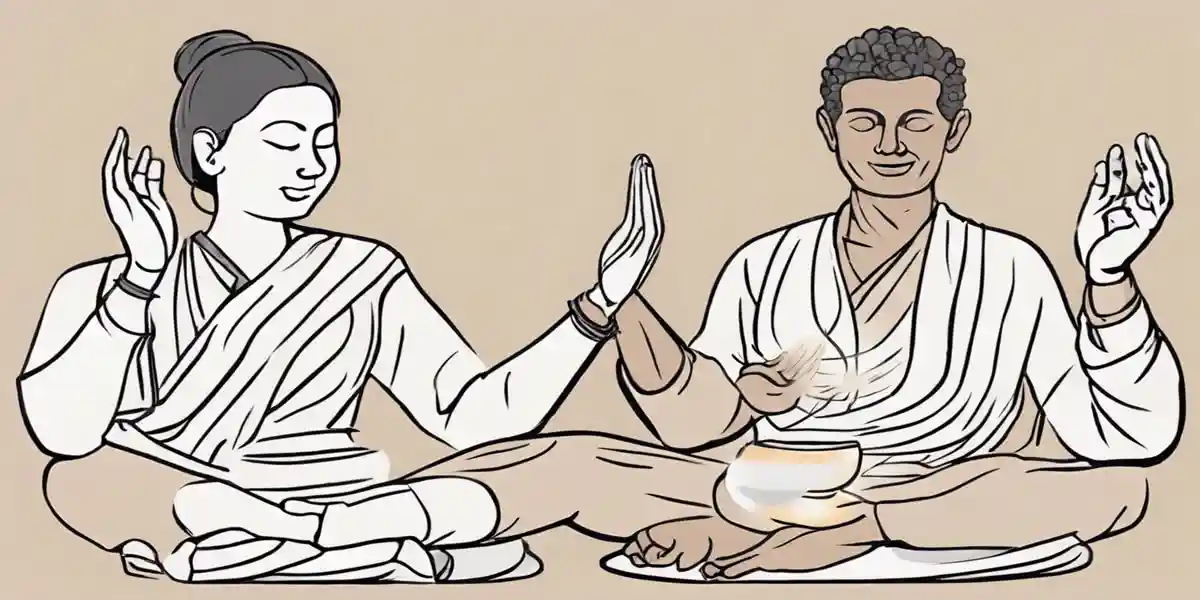
In our fast-paced lives, coffee breaks often serve as brief respites from the chaos, a moment to sip, reflect, and recharge. But what if we could transform these familiar rituals into gateways for deeper mindfulness? Integrating mudras—symbolic hand gestures used in meditation—into our daily routines could be a transformative path from the hustle of a café mocha to the serenity of calm.
Mudras have been a part of meditative practices for centuries, steeped in tradition and purpose. Each gesture holds significance and is believed to influence our mental state and emotional well-being. For instance, the Gyan Mudra, where the thumb and index finger touch, symbolizes knowledge and wisdom. Research indicates that this specific mudra can enhance memory, stimulate the nervous system, and sharpen concentration while reducing tension, anxiety, and insomnia. Imagine starting your day with your morning coffee in one hand and your other hand forming Gyan Mudra. As you sip, focus on your breath, feel the warmth of the cup, and allow the mudra to ground you in the present moment.
Scientific studies corroborate the benefits of practicing mudras alongside mindfulness techniques. For example, a study involving students aged 18-25 revealed that regular practice of Gyan Mudra significantly improved mental toughness and reduced anxiety levels. Participants reported feeling calmer and more focused, which is beneficial in both academic and personal realms. This aligns with findings from mindfulness-based stress reduction (MBSR) programs, which have demonstrated efficacy in reducing anxiety and depression while promoting emotional stability and resilience, especially during challenging times like the COVID-19 pandemic.
Throughout the day, simple gestures, like Anjali Mudra (the prayer position), can be seamlessly integrated into breaks or transitions. This mudra not only fosters gratitude but also creates a bridge between your everyday activities and moments of mindfulness. Picture this: as you stand in line at your favorite café, you can take a moment to bring your hands together in Anjali Mudra, closing your eyes briefly to connect with your breath. This small act can provide a momentary escape from the busyness around you, allowing you to cultivate a deeper connection with yourself.
The practical application of mudras is not limited to moments of stillness; they can be used dynamically throughout your day. For instance, if you find yourself feeling overwhelmed at work, spending a few minutes in Gyan Mudra while sipping your afternoon café mocha can significantly enhance your focus and emotional stability. Moreover, research has shown that mindfulness practices, including mudras, can lead to structural and functional brain changes, reinforcing the idea that these gestures are not merely symbolic but can have tangible effects on our mental health.

Mudras are more than mere hand gestures; they are powerful symbols that carry deep significance in various spiritual and meditative practices. By incorporating mudras into your daily cafe mocha ritual, you can transform an ordinary moment into an opportunity for mindfulness and self-awareness. Let’s delve into the essence of mudras, their meanings, and how they can enhance your meditation practice.
Mudras, derived from ancient Indian traditions, are symbolic gestures that are often used in yoga and meditation to facilitate the flow of energy within the body. Each mudra is believed to have specific effects on the mind and body, promoting various states of consciousness and emotional well-being. For example, the Gyan Mudra, where the index finger touches the thumb while the other three fingers remain extended, symbolizes knowledge and wisdom, making it an ideal companion during mindful moments.
Recent studies have highlighted the tangible benefits of mudras, particularly the Gyan Mudra. Research focusing on students aged 18-25 revealed that practicing this mudra significantly reduced anxiety levels and improved mental toughness. Participants who engaged in daily practice reported enhanced concentration and memory retention, illustrating the potential of mudras to sharpen our cognitive faculties. This aligns with the broader understanding that mindfulness practices, including mudras, can lead to structural and functional changes in the brain, ultimately supporting mental health.
Imagine starting your morning coffee ritual by forming the Gyan Mudra with one hand while cradling your warm cup in the other. As you take a sip, focus on your breath and the present moment. This simple integration can ground you, turning a fleeting moment into a mindful practice. Throughout the day, you can easily incorporate other mudras, such as the Anjali Mudra (prayer position) during breaks. This gesture not only fosters a sense of gratitude but also acts as a gentle reminder to pause and reflect amidst the chaos of daily life.
Consider the context of a busy workday. Perhaps you find yourself overwhelmed with tasks and deadlines. Taking a moment to practice the Shuni Mudra—where the middle finger touches the thumb—can cultivate patience and acceptance. This mudra can be performed discreetly while seated at your desk, allowing you to reconnect with your inner calm. A study on mindfulness programs during the COVID-19 pandemic emphasized the importance of informal practices like these, noting significant reductions in stress and anxiety among participants.
The practice of mudras aligns closely with the principles of mindfulness, providing a practical tool to enhance your meditation experience. Whether you're navigating a stressful moment or enjoying a quiet cup of cafe mocha, mudras can serve as anchors to ground you in the present. By fostering awareness of your body and breath, you become better equipped to manage stress and cultivate emotional resilience. This dynamic interplay between mudras and mindfulness not only enriches your practice but also empowers you to navigate life's challenges with greater ease.

Mudras are symbolic hand gestures that have been used for centuries in various spiritual and meditative practices, particularly in yoga and Buddhism. These gestures are believed to channel energy within the body and create a deeper connection between the mind and spirit. By integrating mudras into our daily rituals, such as sipping a café mocha, we can enhance our mindfulness and foster a sense of inner calm.
The term "mudra" is derived from the Sanskrit word meaning "seal," which refers to the idea of sealing energy within the body. Each mudra has its unique significance and benefits. For example, the Gyan Mudra, where the tip of the thumb touches the tip of the index finger, symbolizes knowledge and wisdom. It is often used to enhance concentration and memory, making it particularly beneficial for students and professionals facing high levels of stress and anxiety.
Research supports the effectiveness of mudras in promoting mental well-being. A study focusing on the Gyan Mudra demonstrated that regular practice significantly reduced anxiety levels among participants aged 18-25. The findings indicated that this simple gesture not only enhanced memory and concentration but also stimulated the nervous system while reducing stress and insomnia. Such empirical evidence underscores the potential of mudras as practical tools in our daily lives, especially in moments of heightened tension.
Incorporating mudras into your routine can be seamlessly integrated into various activities. Imagine starting your day with your morning café mocha while practicing the Anjali Mudra, where both hands are brought together in a prayer position. This gesture cultivates a sense of gratitude and mindfulness, allowing you to focus on your drink, the aroma, and your breath. Such small changes can transform an ordinary moment into one of profound significance.
As we navigate the complexities of modern life, stress is an inevitable companion. Mudras can serve as effective tools for managing this stress. Mindfulness practices, including the use of mudras, have been shown to enhance attention and focus, boost the immune system, and foster resilience. By consciously engaging with these gestures, we can create anchors in our daily routines that promote a sense of calm, even amid chaos. Studies suggest that consistent practice leads to structural and functional changes in the brain, reinforcing the benefits of mindfulness during challenging times.

Mudras are more than mere hand gestures; they are powerful tools that can significantly enhance your meditation practice and overall mindfulness. By incorporating mudras into your daily rituals, such as enjoying a café mocha, you not only create a moment of peace but also engage in a practice that can profoundly affect your mental and emotional well-being.
Research has shown that specific mudras can lead to tangible improvements in mental health. For instance, the Gyan Mudra, often associated with knowledge and wisdom, has been studied for its effects on anxiety among young adults. In a recent experimental study, participants who regularly practiced Gyan Mudra exhibited significant reductions in anxiety levels, improved mental toughness, and enhanced concentration. This mudra stimulates the nervous system and encourages a state of calm, making it an excellent choice for those looking to reduce stress during their busy day.
Imagine holding your warm cup of coffee while practicing Gyan Mudra. As you sip, focus on your breath, allowing the warmth of the cup to ground you in the present moment. This simple act of mindfulness can sharpen your concentration and alleviate feelings of anxiety. The act of forming a mudra while engaging in an everyday ritual provides a dual benefit: it anchors you in the moment and promotes a more profound sense of awareness.
Incorporating mudras into your daily routine doesn’t have to be a complex endeavor. Simple gestures, such as the Anjali Mudra (prayer position), can be seamlessly integrated during coffee breaks or moments of transition in your day. This mudra fosters a sense of gratitude and connection, allowing you to pause and reflect amidst the chaos. For example, before you take your first sip of coffee, placing your hands in Anjali Mudra can serve as a beautiful reminder to appreciate the moment and cultivate a positive mindset.
The benefits of mudras extend beyond individual practices. During the COVID-19 pandemic, many have turned to mindfulness as a means to cope with stress and anxiety. Programs like Mindfulness-Based Stress Reduction (MBSR) have shown empirical support for reducing anxiety, depression, and pain. By integrating mudras into these practices, you not only enhance their effectiveness but also promote resilience and overall mental health. Studies indicate that consistent meditation leads to structural changes in the brain, reinforcing the importance of these practices in our daily lives.
Consider a scenario where you feel overwhelmed at work. Taking a moment to engage in a mudra, such as the Prithvi Mudra (earth gesture), can help restore your sense of balance and stability. This mudra is believed to enhance self-esteem and promote emotional strength. By taking just a few minutes to connect with this gesture, you may find that your ability to manage stress improves significantly.
Ultimately, mudras offer a practical and accessible way to deepen your meditation practice and enhance your daily rituals. By embracing these simple hand gestures, you can cultivate a more mindful life filled with peace and presence, transforming those brief coffee breaks into profound moments of introspection and calm.
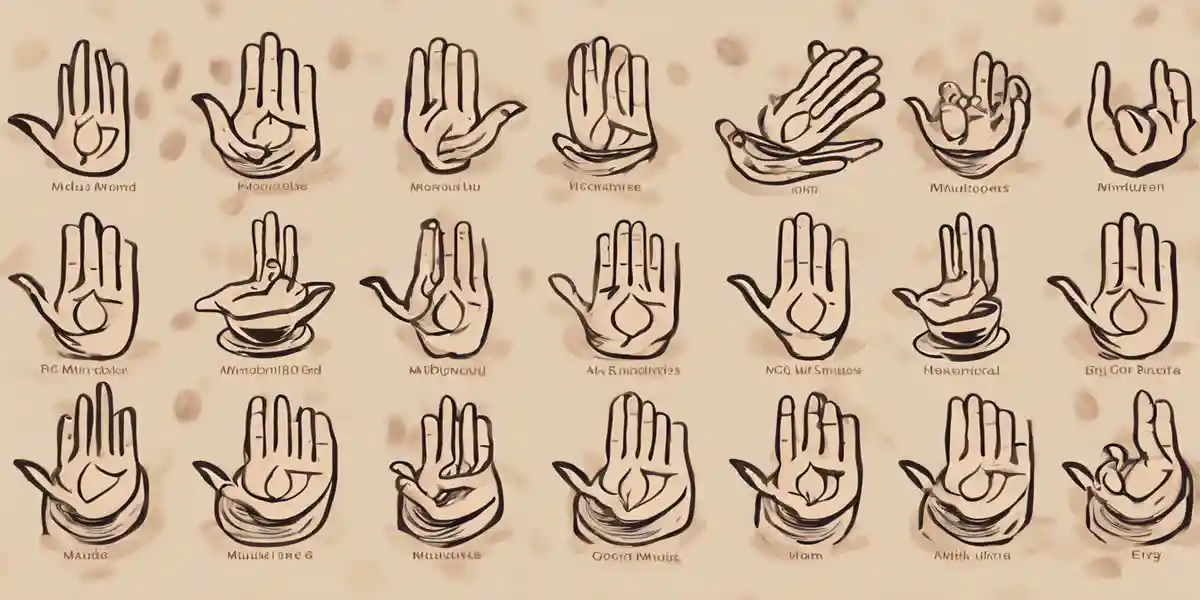
Incorporating mudras into your daily coffee ritual can create a bridge between the mundane and the mindful. Here are some popular mudras that you can easily integrate into your routine, along with their meanings and benefits.
The Gyan Mudra is formed by touching the tip of the thumb to the tip of the index finger, while the other three fingers are extended. This gesture is known for promoting knowledge, wisdom, and clarity of thought. A study examining its effects on mental health highlighted its potential to enhance memory and concentration while significantly reducing anxiety levels among young adults. Imagine holding your café mocha with one hand while forming the Gyan Mudra with the other. As you enjoy your drink, take a moment to focus on your breathing and the sensation of warmth in your hand. This simple action can help clear your mind and prepare you for the day ahead.
The Anjali Mudra, often seen in yoga and meditation practices, is created by bringing the palms together in front of the heart. This gesture symbolizes gratitude and respect. It can be easily incorporated into your daily life, such as during moments of reflection or transition. For example, before taking that first sip of your coffee, pause to form the Anjali Mudra. Close your eyes and take a deep breath, acknowledging the present moment and setting an intention for your day. Research has shown that such mindfulness practices can alleviate stress, making it a perfect addition to your caffeine ritual.
The Chin Mudra is made by connecting the tip of the thumb with the tip of the index finger while keeping the other fingers extended. This mudra is believed to enhance consciousness and promote calmness. You might find it beneficial when working on tasks that require focus or creativity. For instance, while enjoying your mocha, form the Chin Mudra and allow your mind to settle as you reflect on your goals for the day. The calming effects of this gesture can foster a sense of clarity and purpose.
To form the Hakini Mudra, bring the fingertips of both hands together, creating a pyramid shape. This gesture is particularly useful for enhancing memory and cognitive functions. It can be practiced during breaks at work or while waiting for your coffee. As you engage in this mudra, visualize your thoughts aligning, helping you to feel more organized and centered. This practice promotes mental balance and can significantly improve your emotional stability, especially during hectic days.
The Shuni Mudra involves placing the tip of the middle finger against the tip of the thumb, with the other fingers extended. This mudra is associated with patience and discipline, qualities that can enhance your ability to navigate daily challenges. Try incorporating the Shuni Mudra while you sip your coffee, especially when you anticipate a busy or stressful day ahead. By consciously engaging with this gesture, you can cultivate a sense of calm and resilience, preparing yourself to handle whatever comes your way.
The Prana Mudra is performed by touching the tips of the ring finger and little finger to the tip of the thumb, with the other fingers extended. This gesture is known to activate the body's energy and vitality. Picture yourself at your favorite café, forming the Prana Mudra while you savor your drink. This practice not only revitalizes your energy levels but also promotes a sense of alertness and presence, making it a perfect complement to your morning routine.

Imagine sitting in your favorite café, the aroma of freshly brewed coffee enveloping you like a warm hug. You order your usual café mocha, a comforting blend of rich chocolate and velvety espresso. But what if this moment could be more than just a delightful indulgence? By incorporating mudras into your café ritual, you can transform this experience into a mindful meditation that nourishes both your body and soul.
One of the most accessible mudras to incorporate is the Gyan Mudra, often referred to as the mudra of knowledge. To practice this, simply sit comfortably with your mocha in one hand, while your other hand forms the Gyan Mudra: touch the tip of your thumb to the tip of your index finger, keeping the other fingers extended. This gesture is believed to enhance mental clarity and concentration, making it an excellent choice for your daily coffee break.
Research supports the benefits of Gyan Mudra, particularly among young adults. A study focusing on students aged 18-25 revealed that regular practice significantly reduced anxiety levels and improved mental toughness—a finding that might resonate with anyone feeling the pressures of work or study. As you take a sip of your mocha, allow yourself to focus not just on the warmth of the cup but also on your breath, grounding yourself in the present moment. This simple practice can help to dissolve the pressures of your day, enhancing your overall sense of well-being.
Another powerful gesture is the Anjali Mudra, or prayer position. This mudra can be seamlessly woven into your café ritual, especially during moments of pause. As you wait for your drink or while reflecting on your day, bring your palms together at heart center—a gesture that symbolizes gratitude and connection.
Incorporating Anjali Mudra during your coffee break allows you to intentionally express gratitude for the simple pleasure of enjoying a café mocha. This practice aligns with findings from mindfulness research that emphasize the importance of gratitude in reducing stress and enhancing emotional health. Studies have shown that mindfulness practices, such as this, can lead to structural changes in the brain that improve emotional regulation and resilience. Take a moment to appreciate your surroundings, the warmth of the coffee shop, and the delicious drink in your hands, fostering a deeper connection to the present moment.
As you sip your mocha, pay attention to the sensory experience. Notice the rich flavors, the creamy texture, and the warmth of the cup in your hands. Engaging your senses can ground you and draw you into a state of mindfulness. This practice is supported by research highlighting the benefits of mindfulness in everyday activities, suggesting that simple moments of awareness can significantly reduce stress and enhance life satisfaction.
For instance, a brief mindfulness program called FOVEA demonstrated that participants experienced reduced anxiety and increased life satisfaction after just eight weeks of informal practice. By simply focusing on your drink, you can tap into that potential, allowing each sip to become a moment of meditation rather than a hurried task. This shift in perspective not only enhances your café experience but also contributes to your overall mental health.
Transforming your café mocha experience into a mindful ritual doesn’t have to be complicated. Begin by choosing one or two mudras that resonate with you. Whether it’s the Gyan Mudra for knowledge or the Anjali Mudra for gratitude, these gestures can serve as anchors to bring you back to the present.
Consider creating a small routine around your coffee break: arrive at the café, take a deep breath, and form your chosen mudra as you wait. This practice can be a powerful reminder to slow down, savor your drink, and cultivate inner calm amidst the hustle and bustle of daily life.

To truly embrace mindfulness in our daily café mocha ritual, it's essential to cultivate a mindful atmosphere. This environment acts as a catalyst for reflection and tranquility, allowing us to delve deeper into our practice of mudras and meditation.
The first step in creating a mindful atmosphere is selecting an appropriate space. Ideally, this should be a quiet corner of your home or a peaceful spot in a local café that resonates with tranquility. Look for a place where you can sit comfortably without distractions. You might consider a cozy chair by a window or a secluded table surrounded by greenery. Surroundings matter; a serene environment has been shown to enhance mindfulness practices significantly.
Your environment can also be enriched by appealing to your senses. Consider lighting a scented candle or using an essential oil diffuser with calming aromas like lavender or chamomile. These scents can help reduce stress and enhance your focus, as highlighted in research that links sensory experiences to emotional well-being. For example, a study on mindfulness practices during the COVID-19 pandemic emphasizes the importance of creating a soothing environment to support mental health, particularly in stressful times.
Another key element is sound. Soft instrumental music or nature sounds can create a peaceful backdrop for your ritual. Research demonstrates that mindful auditory experiences can foster relaxation and focus, making it easier to engage in practices like mudras. You might create a playlist of calming tunes to accompany your coffee ritual, or even consider using soundscapes like gentle rain or ocean waves to ground yourself in the moment.
Visual stimuli also play a crucial role in establishing a mindful atmosphere. Consider incorporating elements such as plants, inspiring art, or a calming color palette. For instance, research shows that green spaces can significantly reduce anxiety and enhance emotional stability. A small potted plant on your coffee table can serve as a reminder of nature and tranquility, bringing a sense of calm to your daily routine.
Before diving into your café mocha, take a moment for mindful preparation. As you brew your coffee, focus on the process—the sound of the water boiling, the aroma of the coffee grounds, and the act of pouring. This mindful preparation can serve as a transition from the hustle of the day to your moment of reflection. It’s a practice that has shown to enhance mindfulness by promoting awareness of the present, as noted in various mindfulness studies.
Finally, as you settle into your mindful space with your coffee, incorporate mudras into your practice. For instance, the Gyan Mudra, associated with knowledge and wisdom, can be easily performed with one hand while you hold your cup with the other. Research on the effects of Jnāna Mudra highlights its potential to enhance concentration while reducing anxiety, making it a powerful tool to incorporate into your daily ritual.

Transforming your daily cafe mocha ritual into a mindful experience can be achieved by incorporating mudras—simple yet powerful hand gestures that can enhance your meditation practice. By consciously engaging in these gestures while enjoying your favorite brew, you can cultivate a deeper sense of presence and calm. Let's explore how to seamlessly integrate mudras into your coffee routine.
Begin your day by holding your cup of cafe mocha in one hand while forming the Gyan Mudra with the other. The Gyan Mudra, where the tip of the thumb touches the tip of the index finger, symbolizes knowledge and wisdom. Research has shown that practicing Gyan Mudra can significantly reduce anxiety levels and improve mental clarity. For instance, a study involving young adults revealed that regular practice of this mudra not only enhanced memory but also stimulated the nervous system, ultimately leading to heightened concentration and reduced stress.
As you take your first sip, invite a moment of stillness. Focus on your breath—inhale deeply and exhale slowly. Feel the warmth of the cup against your palm and let the soothing aroma of your mocha envelop your senses. This combination of sensory engagement and mindful gesture can set a positive tone for your day.
Throughout your day, consider incorporating Anjali Mudra, also known as the prayer position. This mudra involves placing your palms together at the heart center, promoting feelings of gratitude and connection. You can practice this mudra during breaks or transitions, perhaps before diving into a meeting or while waiting for your next cup of coffee.
Incorporating Anjali Mudra into your routine can help you cultivate emotional stability and resilience. In times of stress, this gesture serves as a reminder to pause, connect with your inner self, and foster a positive mindset. With the pressures of daily life, the simplicity of bringing your hands together can create a powerful shift in your mental state.
As you savor your mocha, engage in a simple mindfulness practice. Pair your drinking ritual with a mudra of your choice, such as the Dhyana Mudra, where the hands rest on your lap with palms facing upwards, symbolizing meditation and tranquility. This mudra can enhance your experience by promoting a sense of peace and grounding.
Taking a moment to integrate mudras into your coffee ritual not only enhances your focus but also fosters a deeper connection with yourself. By being intentional about these gestures, you allow each sip to become a moment of reflection and calm amidst the chaos of daily life. The empirical support for mindfulness practices indicates that these small changes can lead to significant improvements in mental health, as individuals report decreased anxiety and increased life satisfaction after incorporating such practices into their routines.
Explore various mudras and discover which ones resonate with you. Perhaps the Abhaya Mudra, symbolizing fearlessness, feels fitting during particularly challenging days. Experiment with different gestures, and notice how they affect your mood and mindset throughout your cafe mocha ritual.
By weaving these mudras into your daily coffee experience, you transform an ordinary moment into a sanctuary of mindfulness. Each gesture serves as a gentle reminder to embrace the present, reduce stress, and cultivate a sense of inner peace. As you embark on this journey, remember that the integration of mudras is not just about the act itself, but also about the intention behind it.

Integrating mudras into your daily café mocha ritual can yield numerous psychological and physiological benefits. By merging the tactile pleasure of coffee with the mindfulness of mudras, you create a powerful practice that enhances relaxation, focus, and overall mental well-being.
One of the most compelling advantages of combining a coffee break with mudras, particularly Gyan Mudra, is its capacity to enhance mental clarity and focus. Research indicates that Gyan Mudra not only fosters knowledge but also improves memory and sharpens concentration. For instance, a study focusing on students aged 18-25 revealed that regular practice of this mudra led to decreased anxiety levels and improved mental toughness. Imagine starting your morning coffee while maintaining this hand gesture; you set a foundation for a productive day, fully engaged and less scattered in your thoughts.
The fast-paced nature of modern life often overwhelms us with stress and anxiety. However, integrating mindfulness practices, such as mudras, into daily routines can be a game changer. A paper examining the benefits of mindfulness-based stress reduction (MBSR) highlighted its effectiveness in reducing anxiety and depression, particularly during stressful periods like the COVID-19 pandemic. By forming Anjali Mudra during your coffee breaks, while simultaneously focusing on your breath, you create a mental pause, allowing stress to dissipate. The calming effect of this combined practice helps regulate your emotional state, leading to a more serene experience throughout your day.
Emotional stability is vital for navigating life’s ups and downs, and a combined practice of coffee enjoyment and mudras can cultivate this quality. Evidence suggests that consistent mindfulness practices can lead to structural and functional changes in the brain that enhance emotional regulation. Imagine taking a moment during your coffee break to practice a mudra like Prana Mudra, which symbolizes vitality. By consciously channeling your energy, you foster resilience against emotional turbulence, ultimately leading to better management of life’s inevitable stresses.
Integrating mudras into communal settings, like coffee shops or group gatherings, can also strengthen social bonds. Sharing this practice with friends or colleagues creates an environment of mutual support and mindfulness. Consider inviting friends to join you in a moment of shared silence, hands forming Anjali Mudra, before diving into conversation. This simple act can shift the dynamic, enhancing connection and promoting a more profound sense of community. Research shows that social support is crucial for mental health; thus, a combined practice can not only benefit you individually but also enrich your relationships.
Finally, the synergy of coffee and mudras can significantly contribute to your overall well-being. The FOVEA program study highlighted the positive effects of informal mindfulness practices, showing significant reductions in perceived stress, anxiety, and depression. By incorporating mudras into your daily rituals, you create a low-cost, accessible method to enhance your mental health. Each sip of coffee can become a mindful moment, a small yet impactful step towards a more balanced and fulfilling life.

In our quest for tranquility amidst the clamor of daily life, the integration of mindfulness practices, particularly mudras, into our everyday rituals—like our cherished café mocha breaks—can profoundly impact our mental health and emotional well-being. By embracing these simple yet powerful hand gestures, we can cultivate a deeper awareness of our thoughts and feelings, paving the way for inner calm.
The Gyan Mudra, often referred to as the "gesture of knowledge," serves as a prime example of how a simple hand position can foster significant mental health benefits. A study focusing on young adults demonstrated that practicing Gyan Mudra led to notable reductions in anxiety levels. Participants, who engaged in this mudra regularly, showed improvements in memory and concentration while experiencing less tension and stress. This resonates with our daily coffee ritual: as you cradle your warm cup and form Gyan Mudra, you might find yourself not just savoring the flavor but also enhancing your cognitive clarity and emotional stability.
Mindfulness has emerged as a vital tool, especially in the context of stress management, as highlighted during the recent COVID-19 pandemic. Practices like Mindfulness-Based Stress Reduction (MBSR) have been shown to alleviate anxiety and depression across various demographics. This adaptability makes mindfulness accessible, allowing individuals from all walks of life to benefit from its calming effects. Imagine taking a moment during your coffee break, closing your eyes, and practicing a simple mindfulness technique, such as focusing on your breath or visualizing a peaceful scene. This can serve as a powerful respite from an otherwise chaotic day.
Consider this: amidst the hustle and bustle of modern life, how often do we pause to reflect, even for just a moment? Integrating mudras into daily rituals can serve as a gentle reminder to center ourselves. For instance, utilizing Anjali Mudra (the prayer position) at the beginning or end of your coffee ritual can symbolize gratitude and intention for the day ahead. This very act not only connects you to the present moment but also reinforces a sense of purpose and calm as you transition from one task to another.
Looking at broader studies, a brief mindfulness program known as FOVEA showed significant improvements in stress, anxiety, and overall life satisfaction among participants. The benefits persisted long after the program concluded, suggesting that even informal mindfulness practices can lead to lasting changes in mental health. This further emphasizes that simple rituals, such as those involving mudras during our coffee breaks, can serve as essential building blocks for a more mindful existence. Imagine carrying this practice forward, allowing it to shape your interactions and decisions throughout the day.

In our fast-paced lives, coffee breaks often serve as brief respites from the chaos, a moment to sip, reflect, and recharge. But what if we could transform these familiar rituals into gateways for deeper mindfulness? The concept of integrating mudras—symbolic hand gestures used in meditation—into our daily routines could be a transformative path from the hustle of a café mocha to the serenity of calm.
Imagine starting your day with your morning coffee in one hand and your other hand forming a mudra, such as Gyan Mudra, which promotes knowledge and wisdom. This simple gesture, where the tip of the thumb touches the tip of the index finger while the other three fingers remain extended, is not merely a pose; it serves as a powerful tool for enhancing mental clarity and reducing anxiety. A study examining the effects of Gyan Mudra on students aged 18-25 found that regular practice significantly improved mental toughness and lowered anxiety levels, as measured by the Sports Competition Anxiety Test (SCAT). By incorporating this mudra into your coffee ritual, you can cultivate a sense of calm and focus, setting a positive tone for your day.
As you sip your café mocha, take a moment to focus on your breath. Feel the warmth of the cup in your hands. This practice not only enhances your sensory experience but also anchors you in the present moment. Research suggests that mindfulness practices, especially during daily activities, can lead to structural changes in the brain that promote emotional regulation and resilience. By consciously engaging in this moment, you allow the mudra to ground you, creating a bridge between the physical and mental realms.
Throughout the day, you can integrate simple gestures like Anjali Mudra, commonly known as the prayer position. By bringing your palms together at your heart center during breaks or transitions, you create a moment of pause amidst the chaos. This gesture symbolizes unity and respect, fostering a sense of connection to yourself and those around you. It’s a powerful reminder to embrace gratitude and compassion, especially during stressful moments. Much like mindfulness-based stress reduction (MBSR) practices that have shown to alleviate anxiety and boost mental health, Anjali Mudra can serve as a quick reset, promoting emotional stability and enhancing overall well-being.
The integration of mudras into daily routines not only enhances focus and emotional stability but also allows us to cultivate a deeper connection with ourselves. Studies have shown that mindfulness practices can lead to significant reductions in perceived stress and anxiety. For instance, participants in a brief mindfulness program reported improved life satisfaction along with decreased levels of anxiety and depression. By consciously engaging with these gestures, we train our minds to anchor in the moment, fostering a sense of calm amid the busyness.
As you explore the transformative potential of mudras, consider how these simple yet profound gestures can enhance your daily rituals. Embracing mindfulness through practices like Gyan Mudra and Anjali Mudra may serve not only as a personal refuge but also as a stepping stone toward a more peaceful and present life.
In the journey towards inner peace, our everyday rituals hold the power to transform fleeting moments into profound experiences. Throughout this blog, we explored how integrating mudras—symbolic hand gestures—into your daily café mocha ritual can significantly enhance your mindfulness practice. By understanding the essence of mudras and their benefits, you can create a sensory-rich experience that nurtures both your mental and emotional well-being.
We discovered that mudras, such as the Gyan Mudra and Anjali Mudra, not only ground us in the present moment but also serve as tools for enhancing focus, reducing anxiety, and fostering emotional stability. Scientific studies have validated these practices, revealing that regular engagement with mudras can lead to structural changes in the brain, thereby promoting resilience and mental clarity. Each sip of your café mocha becomes an opportunity for mindfulness, allowing you to cultivate a deeper connection with yourself amidst the chaos of daily life.
Creating a mindful atmosphere, whether at home or in a café, further enriches this experience, making it a sanctuary for reflection and tranquility. As you incorporate these practices, consider how each simple gesture can transform your routine into a meaningful ritual. By embracing the practice of mudras, you are embarking on a journey toward greater awareness, emotional balance, and overall well-being.
So, as you prepare to enjoy your next café mocha, pause for a moment. Will you take the opportunity to form a mudra, focus on your breath, and savor the experience? Remember, the path to inner calm begins with small, intentional steps. Let this ritual be your guide towards a more mindful and fulfilling life.

Get notified about new articles, coffee tips, and Web3 insights.
This site participates in affiliate programs and may earn a commission when a link is clicked and a purchase is made. The site is not responsible for any issues or troubles related to the products or services purchased through the use of this site.

DO&COFFEE loves coffee and technology, exploring the potential of NFTs and blockchain. Learn more →
DO&COFFEE loves coffee and technology, exploring the potential of NFTs and blockchain. Learn more →