art
2024/10/03
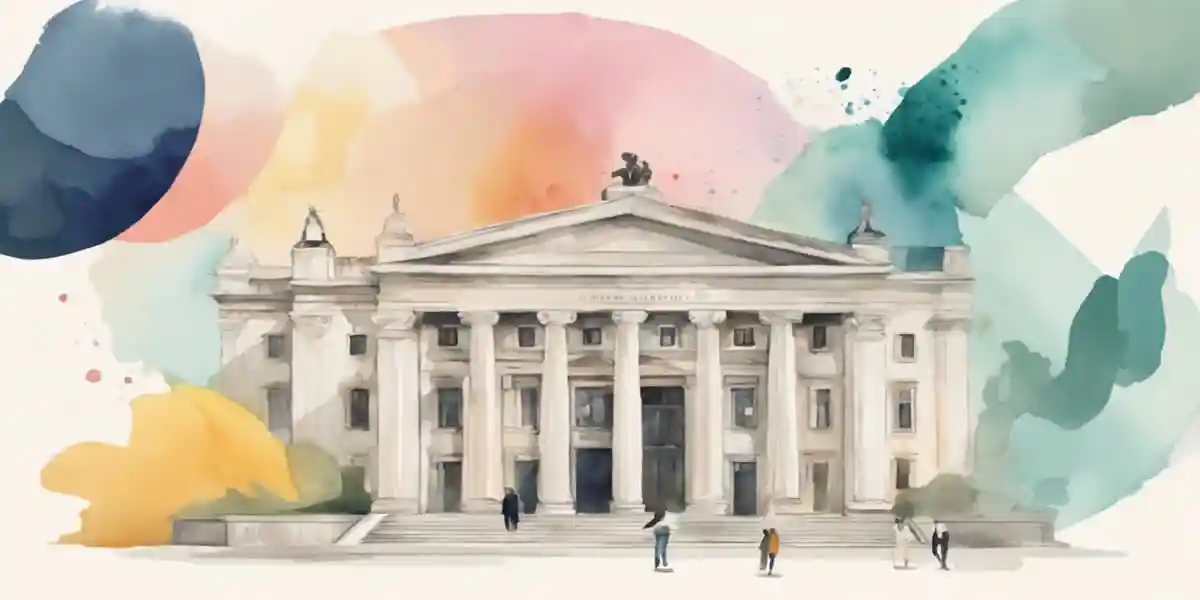
In an era where art is no longer confined to the canvas, the Museum of Contemporary Art stands at the forefront of a transformation that is reshaping our understanding and appreciation of artistic expression.
Famous contemporary artists are not merely creating; they are innovating, weaving technological advancements like augmented reality (AR) and virtual reality (VR) into the fabric of the museum experience.
This blog post delves into the ways in which these artists, such as Olafur Eliasson, are using immersive technologies to invite us into interactive installations that challenge the traditional boundaries of art. Imagine standing before a stunning piece, only for your smartphone to unveil a deeper narrative, intertwining the physical with the digital.
Such innovations not only enhance engagement but also democratize the museum space, making art accessible to diverse audiences who may have previously felt alienated.
As we explore the evolving role of contemporary artists in redefining our journey through the Museum of Contemporary Art, we will consider how these changes encourage a more participatory and inclusive approach to art appreciation. How might your own experience of art transform in this new landscape? Join us as we uncover the intersection of creativity and technology, and rethink our connection to art in a world that is constantly evolving.
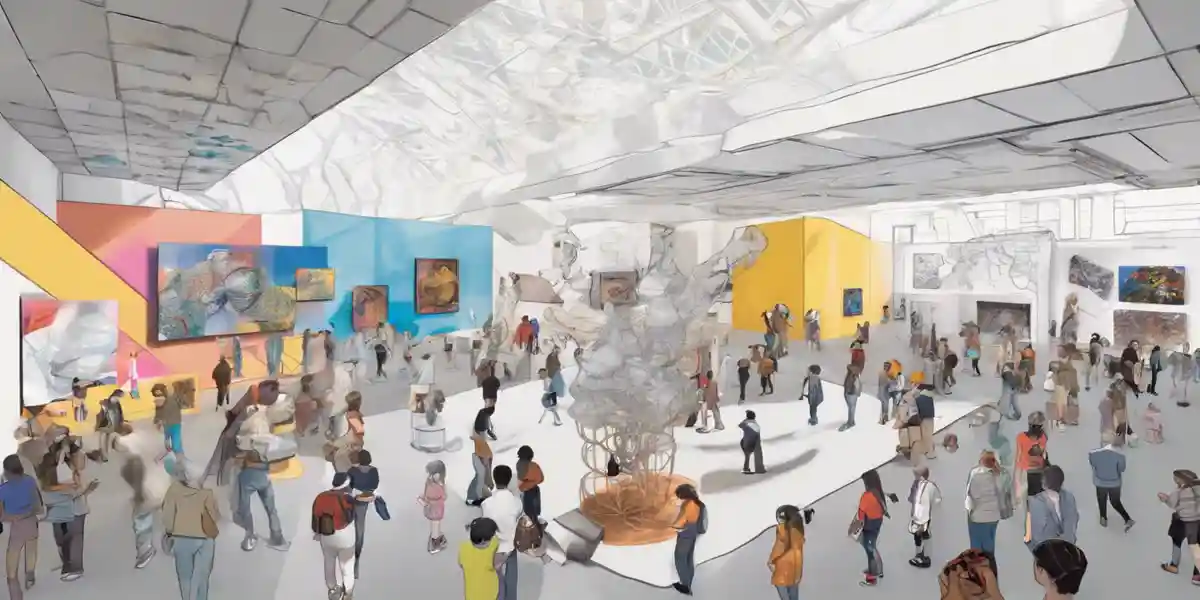
In today's rapidly evolving art landscape, the Museum of Contemporary Art (MoCA) is not merely a repository of artworks; it has become a dynamic space that embraces technological innovation and promotes deeper audience engagement. This transformation is largely driven by contemporary artists who are redefining the boundaries of art and how it is experienced.
One of the most compelling advancements in this journey is the integration of immersive technologies like augmented reality (AR) and virtual reality (VR) within museum exhibitions. These technologies have the potential to reshape our interactions with art by blending the digital and physical realms. For instance, Olafur Eliasson, a prominent contemporary artist, has effectively utilized AR to craft installations that invite visitors to engage with their environments in unanticipated ways. Imagine standing in front of Eliasson’s art, and with a simple scan of your smartphone, a cascade of digital overlays begins to animate the piece, revealing intricate layers of meaning and context that were previously hidden. This innovation not only enhances the visitors' understanding but also encourages them to explore their own interpretations.
Moreover, the application of AR and VR technology dismantles barriers traditionally associated with art appreciation, such as elitism and accessibility issues. Museums have long been spaces where art is often perceived as exclusive, catering only to a select audience. However, by enabling personalized and customizable experiences, these technologies open the doors to a more inclusive environment. Visitors can delve into artworks at their own pace, guided by their individual interests and preferences. This adaptability is particularly vital for engaging diverse audiences, including those who may have felt alienated from conventional art spaces.
Research underscores the educational effectiveness of AR in cultural institutions, demonstrating its power to enhance visitor acceptance and learning motivation. Studies have shown that the incorporation of AR not only captivates audiences but also improves educational outcomes. For instance, a recent investigation into the factors influencing the continued use of AR technology reveals dimensions such as interaction quality and perceived playfulness, which are crucial for fostering satisfaction among visitors. By transforming how we learn from art, museums can cultivate a deeper, more meaningful connection between audiences and the narratives embedded within the artworks.
Similarly, the socio-cultural implications of VR technology in art appreciation cannot be overlooked. VR offers immersive experiences that transcend physical limitations, allowing visitors to engage with art in ways that were previously unimaginable. This shift prompts us to consider how these technologies can democratize art access and appreciation, ensuring that cultural engagement is not just a privilege for the few but an enriching experience available to all. As museums continue to adopt these cutting-edge tools, they have the opportunity to redefine their roles as inclusive spaces for exploration, dialogue, and education.
This section aims to illustrate the evolving role of the Museum of Contemporary Art by highlighting how contemporary artists and immersive technologies are reshaping the visitor experience. The integration of AR and VR not only enhances engagement but also fosters inclusivity and educational value, inviting a broader audience to connect with art in profound ways.
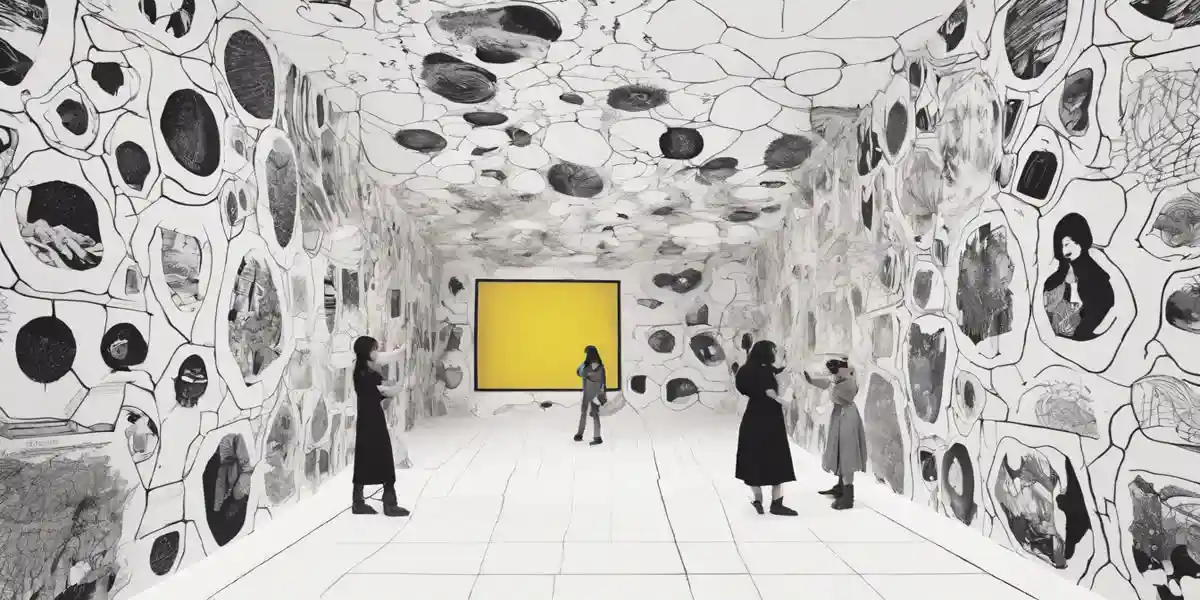
This section highlights key figures in contemporary art who are redefining the way we engage with museums, particularly through the integration of technology like augmented reality (AR) and virtual reality (VR). These artists are not merely creating works for passive observation; they are inviting us into immersive experiences that redefine our relationship with art.
One of the most celebrated contemporary artists, Olafur Eliasson, has masterfully incorporated AR into his installations. His work often explores the connection between nature and perception, prompting viewers to question their surroundings. For example, Eliasson’s installation “Your Rainbow Panorama” allows visitors to walk through a circular, glass walkway that refracts light into a spectrum of colors, creating an immersive environment that alters their perception of the landscape. With the addition of AR, this experience could be further enhanced—imagine standing in the installation while using a smartphone that reveals layers of digital content, such as the scientific principles behind light and color or narratives that share Eliasson’s artistic journey. This fusion not only deepens engagement but also educates visitors, making art accessible and relatable.
Another key figure in contemporary art is Yayoi Kusama, known for her iconic polka dots and immersive installations. Her “Infinity Mirror Rooms” transport viewers into a seemingly endless space, where reflections create a disorienting, yet captivating experience. By incorporating AR elements, Kusama could expand her immersive worlds, allowing visitors to interact with the dots, perhaps revealing hidden messages or stories through their devices. Such an integration would not only enhance the visual spectacle but also invite personal interpretations, making each visit unique. This level of interactivity breaks down the traditional barriers of museum art viewership, inviting audiences to engage with Kusama’s themes of obsession and infinity on a personal level.
Kara Walker's powerful silhouettes and installations confront issues of race, gender, and history. Her artworks often provoke strong emotional responses, urging viewers to grapple with uncomfortable truths. Imagine if Walker’s installations were enhanced by AR technology that provides historical context or allows viewers to immerse themselves in the narratives she depicts. It could transform a passive experience into an active dialogue, where audiences are not merely spectators but participants in a larger conversation about societal issues. This approach aligns with findings from recent studies that emphasize AR’s role in enhancing visitor engagement and learning effectiveness, demonstrating how technology can facilitate a deeper understanding of complex themes.
These artists exemplify how contemporary art is evolving alongside technological advancements. By embracing AR and VR, they are not only reshaping their own practices but also the expectations of museum experiences. As museums adopt these technologies, the potential for dynamic, interactive exhibitions expands, catering to diverse audiences and fostering inclusivity. The ability to customize experiences allows each visitor to explore artworks at their own pace, transforming traditional viewing into an engaging journey.
In this landscape of evolving art experiences, the question arises: how will you engage with these technological innovations as you navigate through the Museum of Contemporary Art? As we witness this shift, it’s essential to remain open to the new dimensions of interaction that contemporary artists are crafting for us.
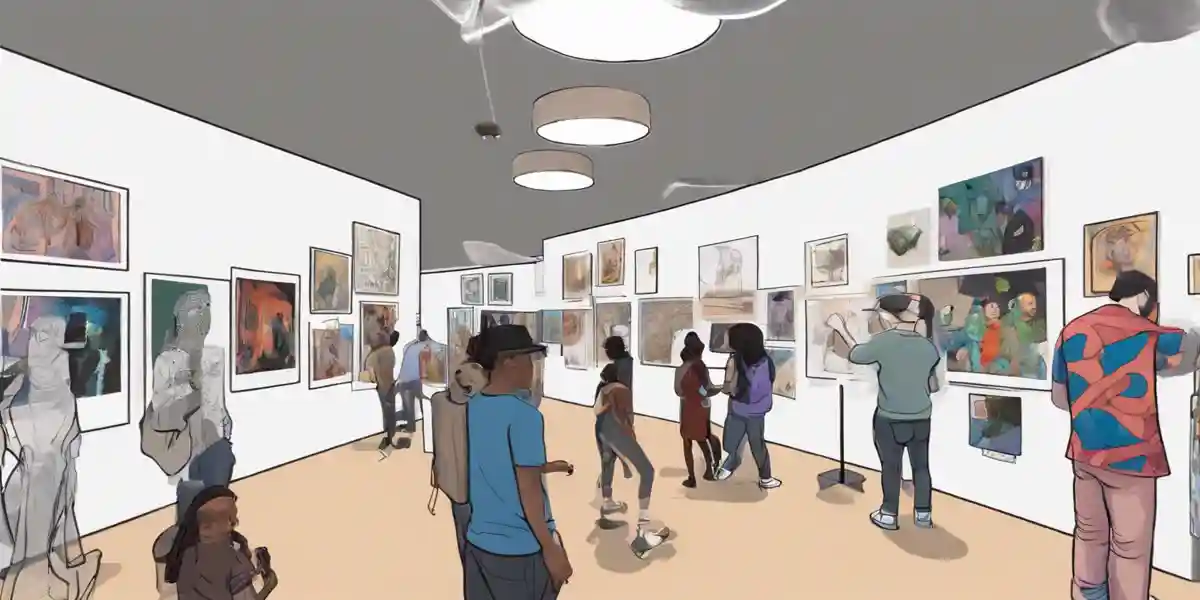
Contemporary artists are not merely creators of art; they are influential architects of the narratives that shape our experiences within the Museum of Contemporary Art. Their innovative approaches—particularly through the integration of technology—are redefining what it means to engage with art, transforming museums from passive viewing spaces into dynamic, interactive environments.
One of the most groundbreaking shifts in how we interact with art comes from the use of augmented reality (AR) and virtual reality (VR). Artists like Olafur Eliasson exemplify this trend. Eliasson’s installations often encourage viewers to experience art through their senses, and with the incorporation of AR, visitors can engage with the artwork in multifaceted ways. For instance, imagine standing before Eliasson’s famous "Weather Project," only to have your smartphone reveal additional layers of digital content that explain the science behind the artwork and the artist's intention. This layering of narratives not only enriches the viewing experience but also invites deeper introspection, allowing visitors to connect more profoundly with the art.
Research supports this shift: studies have shown that AR enhances visitor engagement by transforming traditional text descriptions into interactive experiences that are more compelling and educational. By integrating sound effects and dynamic visuals, museums can create a more immersive environment that captures the attention of a diverse audience. This transformation addresses the challenges of elitism often associated with art spaces, making art more accessible to those who may feel alienated by traditional narratives.
The customization of experiences through AR and VR technologies allows museums to cater to individual interests and preferences. This adaptability is crucial in a world where audiences are increasingly diverse in their backgrounds and expectations. For example, AR applications can adjust the narrative based on the viewer’s prior knowledge or interests, fostering a more inclusive environment. Visitors can choose to explore artworks at their own pace, diving deeper into areas that resonate with them personally. Such personalization not only enhances satisfaction but also encourages repeat visits, as individuals feel a sense of ownership over their artistic journey.
Moreover, the work of contemporary artists is prompting museums to rethink their narratives entirely. By merging art with technology, the focus shifts from merely displaying artworks to creating an ecosystem of interaction and education. For instance, a museum might host a VR installation that allows visitors to step inside a painting, exploring the artist's world in a way that transcends physical limitations. This approach not only transforms how art is experienced but also how it is interpreted, encouraging visitors to consider broader social and cultural contexts.
Ultimately, the impact of contemporary artists on museum narratives is profound. They challenge traditional boundaries and invite us to engage with art in ways that are more meaningful and reflective of our diverse experiences. As we navigate this new landscape, the question remains: how will you let these transformative narratives influence your understanding and appreciation of art?
In this exploration of the Museum of Contemporary Art and its evolving dynamics, we've uncovered how contemporary artists are not just creators but pivotal forces shaping our interactions with art. From the integration of immersive technologies such as augmented and virtual reality to the dismantling of traditional barriers that have often segregated audiences, these artists are redefining what it means to experience art today.
We've highlighted key figures like Olafur Eliasson, Yayoi Kusama, and Kara Walker—each bringing their unique perspectives and innovative approaches that invite us to engage with art on a personal and interactive level. Eliasson's installations challenge our perception of reality; Kusama's immersive environments beckon us into infinite reflections; and Walker's provocative narratives compel us to confront uncomfortable truths. These artists exemplify how technology can enhance our understanding and appreciation of complex themes, creating a more inclusive and educational experience for all visitors.
As we look towards the future, the implications of these changes are profound. Museums are evolving from passive viewing spaces into vibrant ecosystems of dialogue, exploration, and inclusion. The question now beckons: how will you engage with the art that surrounds you? Will you step into the immersive worlds these artists have created, allowing their narratives to challenge and inspire you? The journey through the Museum of Contemporary Art is no longer a solitary experience; it invites collaboration, curiosity, and personal interpretation.
So, as you plan your next visit to a contemporary art museum, consider this: be an active participant in the art dialogue. Embrace the technology at your fingertips and allow it to deepen your connection with the artworks and the stories they tell. Your journey through art has the potential to be transformative—are you ready to explore its depths?

Get notified about new articles, coffee tips, and Web3 insights.
This site participates in affiliate programs and may earn a commission when a link is clicked and a purchase is made. The site is not responsible for any issues or troubles related to the products or services purchased through the use of this site.

DO&COFFEE loves coffee and technology, exploring the potential of NFTs and blockchain. Learn more →
DO&COFFEE loves coffee and technology, exploring the potential of NFTs and blockchain. Learn more →
![Thumbnail for [Latest 2024] Next-Generation Crypto Payment Experience with KAST](https://images.microcms-assets.io/assets/2508d54ffab946cc9c02698f5ac3dcb8/7eb70a28e8584198a8efd364f098449d/2-.webp?fm=webp&q=0&fit=crop&w=500&h=500)