art
2024/10/03
Imagine a world where art transcends traditional boundaries, where the soothing rhythm of mindful walking harmonizes with groundbreaking blockchain technology to create immersive virtual galleries. This innovative concept, which we can aptly name "Walking Through Art," opens up a realm of possibilities for both artistic expression and personal well-being. As we explore this intersection of technology and art, we will delve into how blockchain can revolutionize ownership in the digital art space, ensuring authenticity and fair compensation for creators, while also enabling a more equitable art market.
At the same time, we will examine the role of mindful walking as a unique practice that enhances our engagement with these virtual environments. Picture yourself strolling through curated digital landscapes, guided by audio narratives that encourage reflection and emotional connection with each artwork. This dual approach not only fosters creativity but also nurtures mental health, presenting a powerful synergy that benefits both the mind and spirit.
By merging these two transformative elements, we are not merely reshaping how we consume art; we are redefining the very experience of it. So, are you ready to step into a future where every stride through a virtual gallery is an invitation to explore beauty, creativity, and tranquility? Join us as we embark on this enlightening journey.
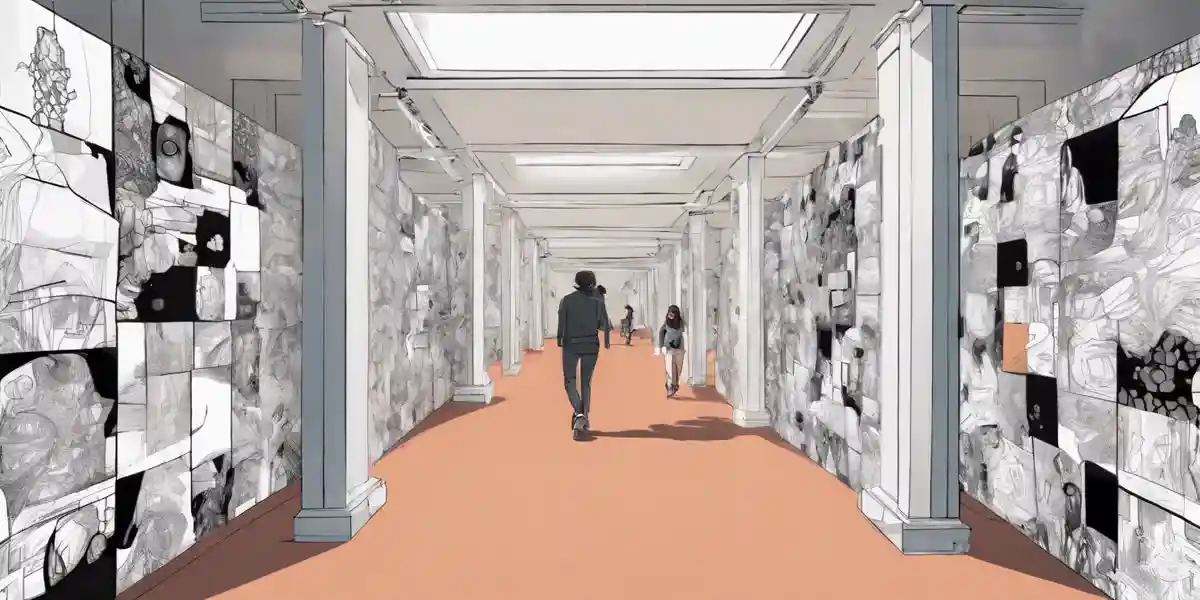
This section explores the innovative convergence of technology and art, specifically how blockchain and mindful walking can redefine our experience of virtual galleries.
As technology continues to evolve, it reshapes not just how we create but also how we interact with art. The digital realm has opened new frontiers for artists, enabling them to reach audiences far beyond the limitations of physical galleries. Imagine artists using digital tools not merely as supplements but as primary means of creation. This shift has birthed a new genre of art—digital art—where works exist solely in cyberspace, challenging traditional notions of ownership and authenticity.
One of the most significant advancements in this domain is the emergence of Non-Fungible Tokens (NFTs). NFTs allow artists to tokenize their work, creating unique digital assets that can be bought, sold, and traded on blockchain platforms. This technology not only offers a solution to the age-old problem of art forgery but also enhances the artist's ability to monetize their creations. For example, Beeple, a digital artist, sold an NFT for $69 million in 2021, illustrating how blockchain has the potential to democratize art sales, enabling artists to achieve unprecedented financial success.
But technology alone cannot create a meaningful experience. Enter mindful walking—a practice that encourages individuals to connect with their surroundings and cultivate a sense of presence. When combined with virtual galleries, this practice can transform the way we engage with art. Imagine a platform where users embark on virtual strolls through curated landscapes, each step guided by an audio narrative that invites them to reflect on the pieces they encounter.
In these virtual spaces, art becomes more than just something to look at; it becomes an experience to be felt. As users walk through a digital gallery, they might pause to consider the emotions elicited by a particular piece, guided by prompts that encourage deeper reflection. This blending of art and mindfulness can lead to enhanced creativity and reduced stress—benefits that align well with the increasing emphasis on mental health in our fast-paced world.
The merger of technology and art is not merely theoretical. Institutions like the Louvre and the Museum of Modern Art have begun experimenting with virtual reality (VR) tours that incorporate elements of mindfulness. Visitors can engage with art in a way that allows for personal reflection, effectively enhancing their emotional connection to the works. Furthermore, startups are emerging that focus on integrating blockchain technology with digital art platforms, providing artists with tools to protect their work while enabling collectors to engage with it in novel ways.
As we look to the future, the potential for "Walking Through Art" is immense. Imagine logging into a virtual gallery where each piece is not only an aesthetic delight but also a part of a larger narrative that promotes mental wellness. The integration of blockchain ensures that every artwork is authentic and traceable, while mindful walking invites viewers to engage deeply with their surroundings. This intersection of technology and art could pave the way for a more inclusive and enriching cultural experience.
As we delve into the intersection of art and technology, blockchain emerges as a pivotal force in redefining ownership within virtual galleries. This section explores how blockchain technology, particularly through the use of Non-Fungible Tokens (NFTs) and smart contracts, is not just a trend but a revolutionary shift that enhances authenticity, equity, and accessibility in the digital art market.
The digital art landscape has historically grappled with issues of copyright and ownership, primarily due to its inherent characteristics of easy duplication and distribution. Traditional methods of ownership verification, such as watermarking, often fall short, providing weak protection against unauthorized usage. Blockchain technology addresses these challenges head-on, offering a secure, transparent, and tamper-proof ledger that can unequivocally link digital art pieces to their rightful owners.
At the heart of this transformation are Non-Fungible Tokens (NFTs), unique digital assets that represent ownership of a specific item or piece of content on the blockchain. Unlike cryptocurrencies such as Bitcoin, which are fungible and interchangeable, NFTs are distinct and cannot be replicated. Each NFT contains metadata that provides proof of ownership and provenance, effectively ensuring that artists can trace their work throughout its lifecycle.
Take, for example, the case of Beeple, a digital artist who sold an NFT for $69 million at a Christie's auction. This sale not only spotlighted the potential value of digital art but also illustrated how blockchain technology can facilitate trust and security in transactions. By verifying ownership through NFTs, collectors can purchase digital art with the confidence that their investment is protected against forgery or theft.
Smart contracts are another innovative feature of blockchain that significantly enhances the functionality of NFTs. These self-executing contracts contain the terms of agreement directly written into code, allowing for automatic execution of transactions when conditions are met. For instance, whenever an artwork encoded in an NFT is sold or even viewed, the smart contract can automatically allocate a percentage of the sale back to the artist as a royalty. This ensures that artists continue to benefit from their creations long after the initial sale, fostering a more equitable art market.
The ERC721 standard, a widely adopted framework for NFTs on the Ethereum blockchain, plays a crucial role in this ecosystem. It allows artists to create unique tokens that can be easily traded and verified, thereby enhancing trust among buyers and sellers alike. Furthermore, the integration of the InterPlanetary File System (IPFS) with NFTs ensures that the digital artwork itself is stored securely and remains accessible, regardless of changes to individual platforms or marketplaces.
With blockchain technology, collectors can feel more secure in their investments. The transparent nature of blockchain records means that every transaction is documented, allowing collectors to verify the authenticity of their pieces. This transparency not only builds trust but also enhances the overall market confidence, encouraging more collectors to explore and invest in virtual galleries.
Moreover, this system democratizes access to art, enabling a broader audience to engage with and purchase digital works. As more artists embrace this technology, the walls of the traditional art market begin to dissolve, paving the way for a diverse and inclusive digital art landscape.
Numerous platforms are leading the charge in utilizing blockchain for art ownership. One notable example is OpenSea, a popular marketplace for NFTs where users can buy, sell, and trade digital art with confidence in its provenance. Another is Foundation, which not only facilitates the sale of NFTs but also emphasizes the importance of community and artist support, leveraging blockchain to foster a sustainable ecosystem for creators.
These platforms exemplify how blockchain is reshaping the art world, creating new opportunities for artists and collectors alike while ensuring that ownership is secure and verifiable.
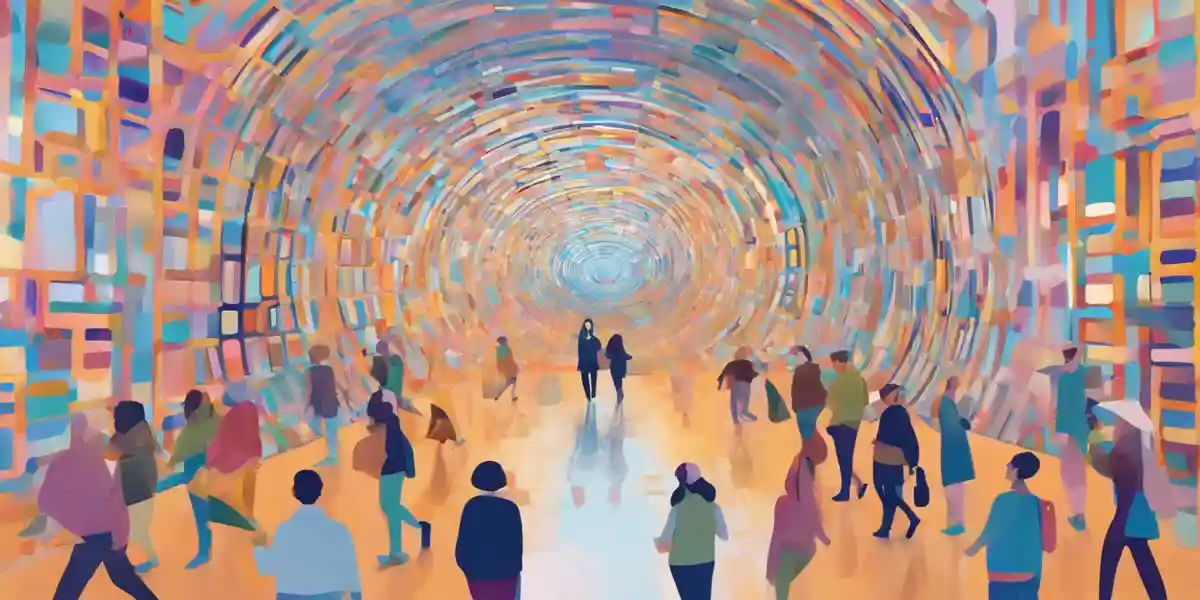
The fusion of mindful walking with virtual art experiences creates a profound opportunity for individuals to engage with art on a deeper level. This innovative approach not only transforms how we interact with digital art but also promotes holistic well-being. Imagine entering a virtual gallery where each step you take is both a physical and mental journey, leading you to a richer understanding of the artworks surrounding you.
Mindful walking encourages participants to be present in the moment, fostering a heightened awareness of their surroundings. In a virtual gallery setting, this practice can be enhanced through carefully designed audio guides that accompany users as they navigate through digital landscapes. These guides can prompt users to pause, reflect, and immerse themselves in the emotional narratives behind each piece of art. For example, consider a virtual gallery featuring a series of paintings that depict nature. As users walk through this space, the audio guide might encourage them to breathe deeply, observe the colors, and contemplate the feelings evoked by the artwork. This mindful engagement transforms passive viewing into an active, reflective experience.
The combination of movement and art appreciation can lead to unique emotional connections. Research has shown that physical activity stimulates the brain's release of endorphins, which can enhance mood and creativity. When users engage in mindful walking while experiencing art, they open themselves up to a more profound emotional response. For instance, a user might feel a sense of joy or nostalgia as they walk past a digital sculpture that resonates with personal memories, thereby deepening their connection to the artwork. This emotional bond can be even more potent in virtual spaces, where the absence of physical barriers allows for a more intimate interaction with the art.
While mindful walking elevates the aesthetic experience of virtual galleries, the integration of blockchain technology can further enrich this interaction. Each artwork displayed in the virtual space can be linked to its blockchain entry, ensuring authenticity and ownership. This connection provides users with confidence that the art they are engaging with is original and valued. Moreover, artists can benefit from smart contracts that ensure they receive royalties whenever their work is viewed or purchased, creating a fairer ecosystem that rewards creativity. This layer of transparency can enhance users' appreciation for the art, knowing that their engagement contributes directly to the artists' livelihoods.
Combining mindful walking with art appreciation also taps into the therapeutic benefits of both practices. Art therapy has long been recognized for its ability to reduce anxiety and improve emotional well-being. When users participate in mindful walking through a virtual gallery, they not only enjoy the visual appeal of the art but also benefit from the calming effects of movement and mindfulness. This synthesis can lead to reduced stress levels and improved mental health, creating a holistic experience that transcends traditional art viewing.
As we explore this intersection of technology, art, and wellness, it becomes clear that mindful walking has the potential to enhance our virtual art experiences in profound ways. It invites us to slow down, reflect, and connect—both with the art and ourselves. Are you ready to embark on this transformative journey?
In exploring the future of art through the lens of blockchain technology and mindful walking, we uncover a transformative landscape that reshapes both ownership and interaction. The fusion of these elements not only elevates the way artists create and monetize their work but also enriches the viewer's experience, allowing for deeper emotional connections with the art.
Blockchain technology stands as a revolutionary force, redefining ownership in virtual galleries through Non-Fungible Tokens (NFTs) and smart contracts. This innovation not only safeguards artists' rights and ensures authenticity but also democratizes access to digital art, enabling a broader audience to engage in this creative realm. As highlighted by the spectacular sale of Beeple's NFT, the financial possibilities are profound, suggesting a shift in how we value and invest in art.
On the other hand, the integration of mindful walking into virtual art experiences encourages a holistic approach to art appreciation. By fostering a mindful environment, we can transform passive viewing into an active, reflective journey. This practice not only enhances our emotional connection to the artwork but also promotes mental wellness, offering therapeutic benefits that are increasingly vital in our fast-paced lives. The idea of walking through art, guided by thoughtful narratives, provides a refreshing perspective that deepens our engagement with creativity.
As we stand on the precipice of this new frontier, the implications are clear: the intersection of technology and art is not merely an evolution but a revolution that invites us to reimagine our relationship with creativity. How will you engage with this emerging landscape? As the art world adapts and evolves, consider taking the first step into these virtual galleries, embracing not just the art but the experience it brings. Are you ready to redefine your interaction with art and embark on a journey that marries technology with mindfulness?
Get notified about new articles, coffee tips, and Web3 insights.
This site participates in affiliate programs and may earn a commission when a link is clicked and a purchase is made. The site is not responsible for any issues or troubles related to the products or services purchased through the use of this site.

DO&COFFEE loves coffee and technology, exploring the potential of NFTs and blockchain. Learn more →
DO&COFFEE loves coffee and technology, exploring the potential of NFTs and blockchain. Learn more →