wellness
2024/08/26

In our fast-paced, tech-driven world, where screens dominate our daily lives and notifications demand our attention at every turn, tech innovators often find themselves ensnared in a cycle of relentless productivity that can lead to burnout. Have you ever felt that overwhelming pressure to constantly innovate, only to realize that your creativity is waning? This is where the concept of "Digital Detox Zones" comes into play—a revolutionary solution designed specifically for tech professionals seeking to reclaim their mental and emotional well-being.
Picture yourself in a serene environment, perhaps tucked away in the mountains or by a peaceful beach, where Wi-Fi is scarce and the focus shifts from data points to deep breaths. These wellness retreats serve as a haven for tech innovators, offering structured programs that blend mindfulness practices, nature immersion, and collaborative workshops. Participants might engage in activities such as guided meditation, invigorating yoga sessions, and digital-free brainstorming circles, all aimed at fostering creativity and problem-solving skills away from the daily grind.
By unplugging from their devices and immersing themselves in nature and community, innovators can gain fresh perspectives, recharge their mental batteries, and cultivate resilience against the ever-looming pressures of the tech industry. Research supports this notion; studies indicate that spending just a few days in nature can significantly enhance cognitive functions and creativity. In a field that often equates busyness with success, embracing these wellness retreats is not merely a luxury but a crucial step toward sustainable success. Join us as we explore how these wellness retreats can enhance self-care for tech innovators, transforming the way they approach their work and lives.

In a world dominated by screens, constant notifications, and the relentless pressure to innovate, tech innovators often find themselves caught in a whirlwind of productivity that can lead to burnout. The need for self-care has never been more critical, particularly for those in high-stress, high-stakes environments like the tech industry.
Tech innovators are not just creators; they are jugglers of multiple roles, balancing the demands of leadership, creativity, and the unending quest for technological advancement. This constant state of multitasking can lead to significant emotional and physical fatigue. In fact, studies have shown that leaders in tech often experience burnout due to the weight of their responsibilities, compounded by an industry culture that equates busyness with success.
One compelling study highlights how immersion in nature can lead to remarkable improvements in cognitive function. For instance, four days spent in a natural setting led to a 50% improvement in creative problem-solving tasks among participants who were disconnected from their devices. This phenomenon aligns with Attention Restoration Theory (ART), which posits that exposure to nature can rejuvenate our cognitive capacities. If nature can enhance our mental acuity, what does that say about the oppressive influence of constant digital engagement?
Imagine a tech innovator, tethered to their devices 24/7, bombarded by emails, notifications, and the pressure to innovate at a breakneck pace. The mounting stress can lead to a state of emotional depletion, making it increasingly challenging to think creatively or approach problems from fresh angles. The concept of "Digital Detox Zones" emerges as a transformative solution for tech professionals seeking to reclaim their mental and emotional well-being.
These wellness retreats offer structured programs that blend mindfulness practices, nature immersion, and collaborative workshops. Participants can engage in activities such as guided meditation, yoga sessions, and digital-free brainstorming circles. By unplugging from their devices and immersing themselves in nature and community, innovators can gain fresh perspectives and recharge their mental batteries.
Moreover, research has found that participants who spent a significant amount of time in wilderness settings demonstrated substantially better performance on creativity assessments compared to those who remained indoors. This indicates that time spent in nature not only enhances cognitive abilities related to creativity but also serves as a crucial counterbalance to the stressors inherent in the tech industry.
The growing recognition of burnout's effects on both individuals and organizations underscores the importance of self-care strategies. Leaders who prioritize their well-being not only benefit personally but also create a ripple effect within their teams and organizations. By fostering an environment that supports recovery and resilience, tech innovators can break the cycle of stress and burnout, leading to improved focus, enhanced creativity, and a renewed passion for their work.

In the fast-paced world of technology, where every second counts and innovation is the name of the game, the notion of self-care often gets relegated to the background. However, understanding its significance is crucial for tech innovators aiming for sustainable success. With the relentless pressure to produce, many find themselves in a cycle of burnout—a phenomenon that not only affects individual well-being but also hampers creativity and productivity.
Burnout is more than just a buzzword; it’s a state of emotional, physical, and mental exhaustion caused by prolonged and excessive stress. As highlighted in recent research, leaders and innovators face unique pressures that can lead to severe emotional depletion. This stress can stem from heavy responsibilities, unhealthy work habits, and personal issues, impacting not only the individual but also their families and organizations.
Imagine a tech startup founder who works 80-hour weeks, sacrificing sleep and social interactions for the sake of productivity. Eventually, this relentless pace could result in diminished creativity, poor decision-making, and a lack of motivation—ultimately leading to project failures. Thus, the need for self-care becomes not just a personal preference but a business imperative.
Research supports the notion that self-care can significantly enhance cognitive abilities. One compelling study explored the effects of nature immersion, revealing that four days spent away from technology in natural settings led to a remarkable 50% improvement in creative problem-solving tasks. This aligns with Attention Restoration Theory (ART), which posits that exposure to nature restores executive functions by reducing attention-demanding distractions.
Another study involving undergraduate students demonstrated that participants who spent six days in wilderness settings performed significantly better on the Remote Associates Test (RAT) compared to those who remained indoors. This indicates that stepping away from screens and immersing oneself in nature can bolster convergent creativity, crucial for innovation in the tech field.
Amid the chaos of technological demands, the concept of "Digital Detox Zones" provides a practical solution. These wellness retreats, designed specifically for tech innovators, offer structured programs blending mindfulness practices, nature immersion, and collaborative workshops. Picture a serene environment where Wi-Fi is sparse, and the focus shifts from bytes to breaths.
Such retreats can incorporate activities like guided meditation and yoga sessions, allowing participants to unplug and recharge. The collective experience of stepping back from digital distractions fosters creativity and problem-solving skills. By connecting with nature and engaging in community activities, innovators can gain fresh perspectives that often elude them in their daily grind.
Investing in self-care yields long-term benefits that extend beyond individual well-being. Tech innovators who prioritize their mental health can expect improved focus, enhanced creativity, and a renewed passion for their work. In a field that frequently equates busyness with success, embracing self-care challenges this status quo. As innovators learn to balance their professional and personal lives, they cultivate resilience against the pressures of the tech industry.
Ultimately, making self-care a cornerstone of professional life isn’t merely about avoidance of burnout; it’s about fostering an environment where creativity thrives and innovation flourishes. As the landscape of technology continues to evolve, self-care will be essential for those looking to navigate its challenges sustainably.

As tech innovators navigate a landscape filled with constant distractions and high expectations, the need for restorative environments becomes increasingly apparent. Digital Detox Zones offer a unique solution, enabling professionals to step away from their screens and immerse themselves in nature, thereby promoting mental clarity and emotional resilience.
Research underscores the profound effects of nature on cognitive functioning. The Attention Restoration Theory (ART) suggests that immersion in natural environments can rejuvenate our executive functions, which are often strained by the demands of technology. For example, a study found that just four days in nature resulted in a remarkable 50% improvement in creative problem-solving tasks among participants. This cognitive enhancement is largely attributed to exposure to emotionally positive and low-arousal stimuli found in nature, which contrasts starkly with the high-stimulation environment of digital devices.
Consider the Boundary Waters Canoe Area Wilderness (BWCAW), where a group of undergraduate students embarked on a six-day wilderness adventure. Upon returning, these students outperformed their indoor counterparts on the Remote Associates Test (RAT), demonstrating the significant cognitive benefits that accompany nature immersion. Such findings highlight the potential of wellness retreats to not only recharge the individual but also to foster innovative thinking within teams.
Digital Detox Zones can offer structured programs that include activities like guided meditation, yoga, and digital-free brainstorming sessions. For instance, participants could engage in collaborative workshops that encourage group problem-solving without the interference of technology. These programs can be designed to harness the insights gained from nature immersion, allowing innovators to return to their work with renewed focus and a fresh perspective.
The tech industry is notorious for its high rates of burnout, driven by stress and unhealthy work habits. Burnout can lead to emotional and physical depletion, impacting not just the individual but also their organization and family. By fostering environments that prioritize self-care and recovery, Digital Detox Zones serve as critical countermeasures to the burnout epidemic. These retreats can provide the necessary support for leaders and innovators to regain their energy and creativity, ultimately leading to more sustainable work habits and healthier organizational cultures.
In a world where busyness often equates to success, Digital Detox Zones challenge tech innovators to reconsider their approach. By disconnecting from technology and engaging with nature, these professionals can unlock enhanced creativity and problem-solving skills, positioning themselves for greater success in their endeavors.

Wellness retreats, particularly those designed for tech innovators, serve as sanctuaries where individuals can step away from the digital noise and reconnect with their inner selves. These retreats promise a transformative experience that not only addresses the immediate need for relaxation but also fosters long-term cognitive and emotional well-being.
When you arrive at a wellness retreat, you can anticipate an immersive experience that prioritizes both mental and physical health. Imagine a setting surrounded by nature—perhaps a mountain lodge or a beachfront hideaway—where the air is fresh, and the only sounds are those of rustling leaves and lapping waves. This environment is crucial as it aligns with the principles of Attention Restoration Theory (ART), which emphasizes the cognitive benefits derived from being in nature.
At these retreats, structured programs typically include a variety of activities designed to promote relaxation and creativity. Here’s what you might find:
Moreover, the structured nature of these retreats ensures that participants engage in self-care practices that may seem trivial in their daily lives. This environment encourages individuals to prioritize their well-being, shifting the focus from relentless productivity to personal growth and rejuvenation.
In a tech-driven world where burnout is commonplace, wellness retreats provide a vital counterbalance. By embracing the serenity of nature and the guidance of wellness professionals, tech innovators can cultivate resilience, enhance focus, and reignite their passion for their craft. This holistic approach to self-care not only benefits the individual but can also lead to more innovative and sustainable work practices in the long run.
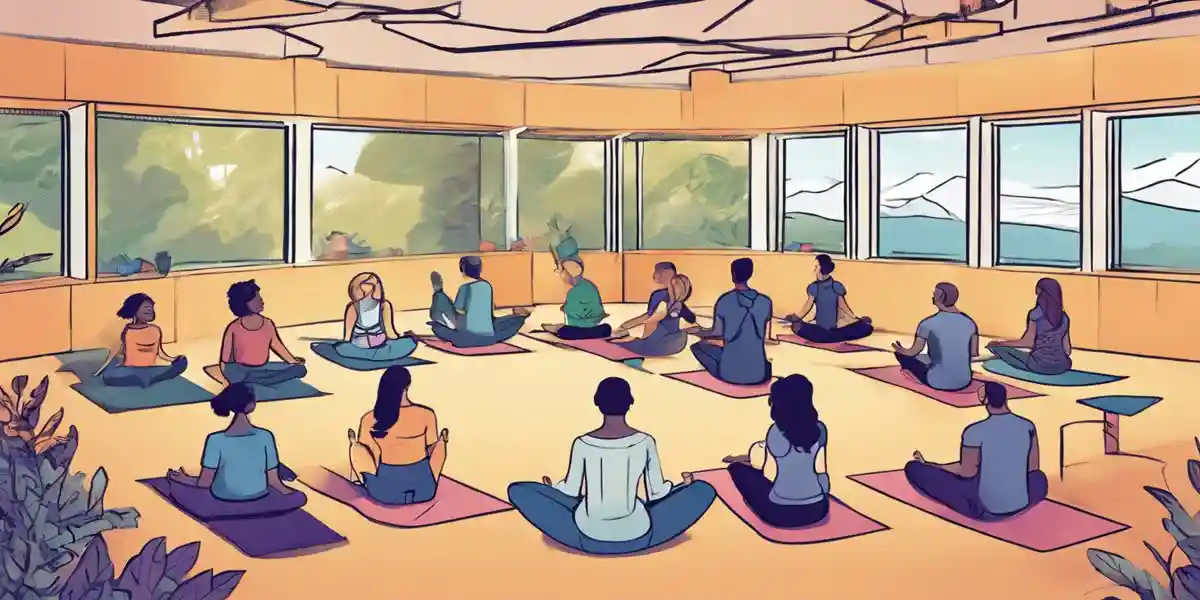
In the pursuit of wellness, tech innovators at retreats engage in a variety of activities designed to promote physical health, mental clarity, and communal bonding. These activities are not just recreational; they are fundamental to the holistic transformation that participants seek. By integrating fitness, mindfulness practices, and community building, these retreats create an environment conducive to rejuvenation and creativity.
Physical activity is a cornerstone of wellness retreats. Activities such as yoga, hiking, and group fitness sessions are popular choices. Yoga, for instance, offers a dual benefit: it strengthens the body while fostering mindfulness through breath control and meditation. A study on the effects of nature immersion highlighted that hiking for just four days can lead to a 50% improvement in creative problem-solving tasks. This is attributed to the interplay of physical exertion and nature exposure, which together help to rejuvenate cognitive functions by reducing stress and enhancing mood.
Consider a tech innovator who spends most of their waking hours seated in front of a screen. Participating in a guided hike through a serene forest allows them to reconnect with their physical self, breaking the cycle of sedentary behavior that is often associated with burnout. As they navigate through nature, their body releases endorphins, fostering an uplifted spirit and improved focus. Such experiences not only enhance physical well-being but also catalyze mental clarity, showcasing the profound link between body and mind.
Mindfulness practices are central to the retreat experience, offering participants tools to manage stress and enhance their mental fortitude. Guided meditation sessions encourage participants to tune into their thoughts and feelings without judgment, creating a space for introspection. The benefits are well-documented; a wealth of research supports the notion that mindfulness can significantly improve emotional regulation and cognitive flexibility.
For tech innovators, who often wrestle with constant distractions and high-pressure environments, these practices serve as vital resets. A retreat might incorporate techniques from Attention Restoration Theory (ART), which posits that nature exposure restores cognitive functions. As participants immerse themselves in nature while practicing mindfulness, they begin to experience reduced mental fatigue and improved attention spans, leading to enhanced creative problem-solving skills. This transformative process enables innovators to return to their work with renewed vigor and innovative ideas.
Perhaps one of the most underrated aspects of wellness retreats is the sense of community they foster. Tech innovators often operate in isolation, focusing on individual projects and deadlines. Retreats create opportunities for shared experiences that strengthen interpersonal connections. Activities like collaborative workshops and digital-free brainstorming circles encourage participants to exchange ideas and support one another in their journeys.
Research suggests that social connections can significantly impact mental health and resilience. By engaging in community-building activities, participants not only gain diverse perspectives but also cultivate a support network that extends beyond the retreat. This is particularly valuable in the tech industry, where collaboration often leads to breakthroughs. The bonds formed in these settings can serve as a source of encouragement and inspiration when facing the inevitable challenges of innovation.

In a tech landscape where the lines between work and personal life blur, the concept of Digital Detox Zones serves as a vital sanctuary for tech innovators. These retreats offer a unique opportunity to escape the incessant buzz of notifications and deadlines, allowing individuals to reconnect with themselves and their creativity.
At the core of these wellness retreats lies the Attention Restoration Theory (ART), which posits that immersion in natural environments can help restore cognitive functions that are often depleted by continuous engagement with technology. Research shows that merely four days in nature can lead to a 50% improvement in creative problem-solving tasks. This improvement is attributed to the calming effects of low-arousal natural stimuli, which starkly contrast the high-arousal demands of digital notifications.
Digital Detox Zones are not just about disconnecting from devices; they provide structured programs that blend mindfulness practices and nature immersion. Activities such as guided meditation, yoga sessions, and digital-free brainstorming circles facilitate a unique environment for innovation. For instance, participants can partake in a yoga session at sunrise, followed by a group discussion on overcoming industry challenges without the distractions of their devices. This synergistic approach fosters a sense of community and shared purpose, which can greatly enhance creative output.
Consider the example of a tech startup that organized a retreat in the serene Boundary Waters Canoe Area Wilderness. Over six days, participants engaged in hiking, canoeing, and collaborative workshops. The results were striking: analysis revealed that participants scored significantly higher on the Remote Associates Test (RAT), demonstrating enhanced convergent creativity as compared to a control group that remained indoors. Such retreats exemplify how nature immersion can invigorate cognitive health and foster innovative thinking.
Burnout is an all-too-common plight among leaders in the tech industry. Stress, heavy responsibilities, and unhealthy work habits can culminate in emotional and physical depletion. Digital Detox Zones directly address this issue by providing a space where self-care is prioritized. By facilitating recovery pathways through nature immersion and community support, these retreats not only alleviate burnout symptoms but also empower leaders with the resilience needed to navigate their demanding roles effectively.
The long-term benefits of participating in a Digital Detox Zone extend beyond immediate relaxation. Regular engagement in such retreats can lead to sustained improvements in focus, creativity, and overall mental well-being. Tech innovators often equate busyness with success, but these retreats challenge that narrative. By stepping back from the grind, innovators can return to their work with renewed passion and insight, ready to tackle challenges with fresh perspectives.

Incorporating insights gained from wellness retreats into daily life can be a transformative journey for tech innovators, who often find themselves ensnared in their fast-paced environments. The goal is to create a personalized self-care routine that draws on the rejuvenating practices experienced during retreats, enabling individuals to maintain their mental and emotional well-being amidst the digital chaos.
First, it's essential to understand the core elements that contribute to effective self-care routines. Retreats often emphasize mindfulness, nature immersion, and community engagement—each of these factors plays a crucial role in enhancing overall well-being. For instance, studies suggest that spending just four days in nature can lead to a 50% improvement in creative problem-solving. This improvement stems from a significant reduction in attention-demanding distractions and an increase in exposure to low-arousal, emotionally positive natural stimuli. How can you replicate this effect in your daily life?
Start by integrating mindfulness techniques into your daily schedule. This could be as simple as setting aside 10-15 minutes each morning for guided meditation or practicing deep breathing exercises. Apps like Headspace or Calm offer structured sessions that can help you get started. The key is consistency—much like attending a retreat, a routine fosters familiarity and reinforces the practice.
Finding pockets of nature in your urban environment can be a game-changer. Consider taking your calls outside, walking in a nearby park during lunch, or even incorporating plants into your workspace. Research shows that nature immersion can significantly boost cognitive function and creativity. For example, the Remote Associates Test (RAT) results indicate that participants who spent time in natural settings outperformed their indoor counterparts in creative problem-solving tasks. So, could a simple walk in the park become a part of your daily routine?
To emulate the essence of a Digital Detox Zone, establish tech-free times during your day. This could mean unplugging from devices for a few hours after work or designating specific hours in which notifications are turned off. You might even consider a full digital detox day once a week, where you immerse yourself in activities that rekindle your creativity, such as painting, writing, or engaging in hands-on projects. The goal here is to create space for your mind to wander, free from the constraints of screens and constant alerts.
Wellness retreats often foster a sense of community that can be difficult to replicate. However, you can seek out local groups or online communities that align with your interests—be it tech, wellness, or creative arts. Engaging in collaborative workshops or meetups can provide the social interaction necessary for emotional support and creativity. Consider joining a local hiking group or enrolling in a class that encourages face-to-face interaction. How often do you prioritize connection with others amidst your busy schedule?
Finally, make it a habit to regularly reflect on your self-care routine. Are you feeling more balanced and creative? Are the practices you’ve integrated working for you, or do they need adjustment? Just as retreat participants engage in reflective practices to enhance their experience, incorporating a similar mindset into your daily life can lead to long-term improvements. Journaling about your experiences can be a valuable tool in this process. What insights have you gained, and how can they inform your next steps?
By thoughtfully integrating these practices into your daily life, tech innovators can maintain the refreshing benefits of their wellness retreats, ensuring that self-care becomes a priority rather than an afterthought. After all, the journey to balance and well-being is an ongoing process that requires intention and adaptability.

In the fast-paced realm of technology, where innovation is often synonymous with non-stop work, the mental toll can be significant. However, engaging in wellness retreats, particularly through the concept of Digital Detox Zones, offers not just immediate relief but long-term enhancements in productivity and mental clarity.
Research underpins the idea that stepping away from screens and immersing oneself in nature can lead to remarkable cognitive improvements. For instance, a study focused on Attention Restoration Theory (ART) found that spending just four days in a natural environment, away from technology, resulted in a staggering 50% improvement in creative problem-solving tasks among participants. This cognitive boost can be attributed to the calming effects of low-arousal natural stimuli, which help restore executive functions that are often dulled by constant digital distractions.
Consider a real-world example: participants in a six-day wilderness trip to the Boundary Waters Canoe Area Wilderness demonstrated significantly improved performance on creative tasks compared to a control group. This aligns with findings that suggest nature immersion can enhance convergent creativity, a crucial skill for tech innovators tasked with solving complex problems. By engaging in activities such as guided hikes, mindfulness meditation, and collaborative brainstorming sessions without the interruptions of technology, attendees can foster a more profound level of focus and creativity.
Burnout is a common affliction among leaders in tech, often resulting from high-stress environments and demanding workloads. A comprehensive examination of burnout reveals that emotional and physical depletion not only hinders individual productivity but also adversely affects team dynamics and organizational success. By prioritizing self-care through wellness retreats, innovators can mitigate these risks. These retreats provide structured environments that promote recovery pathways, allowing leaders to return to their roles rejuvenated and more effective.
Engaging in wellness practices doesn't just lead to temporary relief; it fosters a sustainable cycle of productivity and mental clarity. Innovators who participate in Digital Detox Zones often report renewed passion for their work, improved focus, and enhanced problem-solving abilities. The cultivation of resilience against the pressures of the tech industry becomes a natural byproduct of such immersive experiences, encouraging a healthier approach to innovation. In an industry that often equates busyness with success, understanding the value of stepping back can redefine the narrative for tech professionals.

Digital Detox Zones represent a revolutionary approach to self-care for tech innovators. These retreats, designed to provide a break from the relentless pace of the digital world, serve as an antidote to the cognitive overload that many in the tech industry experience. By immersing themselves in nature and engaging in structured wellness programs, participants can expect to experience significant cognitive and emotional benefits.
At the core of the effectiveness of Digital Detox Zones is the Attention Restoration Theory (ART), which postulates that exposure to nature can restore cognitive functions that are often depleted by prolonged technology use. A recent study indicated that just four days of immersion in nature resulted in a remarkable 50% improvement in creative problem-solving tasks among participants. This cognitive enhancement is largely attributed to reduced exposure to attention-demanding technological distractions and increased encounters with emotionally positive, low-arousal natural stimuli.
Consider the case of a group of tech professionals who spent six days in the Boundary Waters Canoe Area Wilderness (BWCAW). After their wilderness experience, participants performed significantly better on the Remote Associates Test (RAT), showcasing their improved convergent creativity compared to an indoor control group. These findings confirm that time spent in nature does not merely serve as a temporary escape but actively enhances cognitive abilities related to creativity and problem-solving.
Burnout is a pervasive issue within the tech sector, often exacerbated by the heavy responsibilities and personal pressures faced by innovators. Research indicates that burnout not only affects individual leaders but can also have detrimental effects on their families and organizations. Digital Detox Zones address this growing concern by providing a structured environment for recovery and resilience-building. Activities such as guided meditation, yoga sessions, and digital-free brainstorming circles foster emotional healing and cognitive rejuvenation, essential for combating the debilitating effects of stress.
While individual self-care practices are crucial, the communal aspect of Digital Detox Zones cannot be overlooked. By participating in collaborative workshops and discussions, tech innovators can share insights, exchange ideas, and inspire one another in a distraction-free setting. This collective engagement reinforces a sense of belonging and support, which is vital for emotional well-being in an industry that often feels isolating. As participants unplug from their devices and connect with nature and each other, they create a nurturing environment that cultivates creativity and innovation.
The long-term benefits of engaging in wellness retreats like Digital Detox Zones extend beyond immediate cognitive gains. By incorporating regular nature immersion into their lives, tech innovators can expect sustained improvements in focus, creativity, and overall mental health. The concept challenges the prevailing notion that constant busyness equates to success, reminding professionals that stepping back can often lead to greater advancements forward. This paradigm shift encourages a more balanced approach to innovation, one that values mental clarity and emotional stability as foundational elements of success.

In today's hyper-connected world, the relentless stream of notifications and the pressure to remain productive can leave tech innovators feeling drained and overwhelmed. This is where the concept of "Digital Detox Zones" becomes crucial. Designed as wellness retreats, these zones provide a sanctuary for tech professionals to escape the incessant demands of their devices and rediscover their mental and emotional well-being.
Research highlights the detrimental effects of increased media and technology use on cognitive functions. According to studies exploring Attention Restoration Theory (ART), prolonged exposure to technology can hinder executive functions, leading to decreased creativity and problem-solving abilities. One particular study found that just four days spent in nature—removed from technological distractions—resulted in a remarkable 50% increase in creative problem-solving tasks among participants. This impressive outcome underscores the value of stepping away from screens and immersing oneself in a more calming environment.
Imagine a wellness retreat situated by a serene lake or surrounded by majestic mountains, with structured programs that encourage mindfulness and creativity. These retreats allow participants to engage in activities like guided meditation, yoga, and digital-free brainstorming circles. The goal is to foster an environment where creativity can thrive. For instance, a study conducted in the Boundary Waters Canoe Area Wilderness showed that students who participated in a 6-day wilderness trip performed significantly better on the Remote Associates Test (RAT) than their counterparts in an indoor setting. This suggests that exposure to nature not only restores cognitive functions but also enhances convergent creativity.
Digital Detox Zones can offer tailored programs that include various activities aimed at restoring balance in tech innovators’ lives. For example, workshops could focus on mindfulness practices, helping participants develop skills to manage stress and anxiety more effectively. The combination of nature immersion and collaborative workshops can create a unique space that encourages innovative thinking and problem-solving. When innovators unplug from their devices and share ideas in a supportive community, they often find that their creativity flourishes in unexpected ways.
The phenomenon of burnout is a significant concern among leaders in the tech industry. Heavy responsibilities, personal issues, and unhealthy work habits contribute to emotional and physical depletion. Research indicates that effective self-care practices, such as those promoted in Digital Detox Zones, can mitigate these risks. By providing a supportive environment that prioritizes wellness, these retreats foster the resilience needed to combat burnout. They not only allow individuals to recharge but also emphasize the importance of community support in the recovery process.
Several organizations have successfully implemented wellness retreats for their employees, focusing on digital detoxification and nature immersion. For instance, tech companies like Google and Facebook have recognized the importance of employee well-being and have integrated wellness programs that include retreats in nature. These initiatives have proven effective in reducing stress and enhancing job satisfaction, ultimately leading to increased productivity and creativity within their teams.
As we've explored throughout this blog post, the challenges facing tech innovators are unique and multifaceted. The relentless pace of innovation, coupled with the digital distractions that permeate our lives, can lead to significant burnout and diminished creativity. However, the importance of self-care emerges as a vital counterbalance to these pressures. We discussed how acknowledging the unique challenges faced by tech leaders is the first step toward fostering a culture of wellness that values mental and emotional well-being.
Wellness retreats, particularly those designed as Digital Detox Zones, offer transformative environments that allow individuals to unplug and reconnect with nature, themselves, and their creativity. By participating in structured programs that include mindfulness practices, fitness activities, and community engagement, innovators can recharge their mental batteries and enhance their cognitive capabilities. The evidence is clear: immersion in nature and dedicated self-care practices lead to improved focus, enhanced problem-solving skills, and a renewed passion for work.
Furthermore, integrating the insights gained from wellness retreats into daily life can create a sustainable self-care routine that promotes long-term mental clarity and productivity. By embracing practices such as mindfulness, nature immersion, and community engagement, tech innovators can not only combat burnout but also foster a more innovative and resilient approach to their work. As we continue to navigate the complexities of the tech industry, the call to prioritize self-care becomes increasingly urgent.
So, as you reflect on your own journey as a tech innovator, consider this: how can you create your own Digital Detox Zone, even amidst the demands of your daily life? The path to balance and well-being is not just a personal journey; it’s a necessary evolution for the industry as a whole. Let’s embrace self-care as a foundational element of innovation, because in nurturing ourselves, we ultimately nurture the creativity and breakthroughs that can change the world.

Get notified about new articles, coffee tips, and Web3 insights.
This site participates in affiliate programs and may earn a commission when a link is clicked and a purchase is made. The site is not responsible for any issues or troubles related to the products or services purchased through the use of this site.

DO&COFFEE loves coffee and technology, exploring the potential of NFTs and blockchain. Learn more →
DO&COFFEE loves coffee and technology, exploring the potential of NFTs and blockchain. Learn more →