technology
2024/08/26

This article contains affiliate links. We may earn a small commission at no extra cost to you. Learn more
In an era defined by rapid technological advancements, the intersection of smart contracts, digital twins, and cryptocurrency mining is not just a trend—it's a transformative shift towards a new paradigm of trust and efficiency. Have you ever considered how self-executing contracts, written in code, can change the way we interact with digital assets? When these smart contracts are paired with digital twins—virtual representations of real-world entities—they create a powerful synergy that can enhance transparency and automate processes across various industries. Imagine a supply chain where every transaction is not only tracked but executed automatically, minimizing human error and eliminating intermediaries.
This blog post will delve into the vital roles these technologies play, particularly in streamlining operations and fostering trust among stakeholders. As we explore the potential of smart contracts in the context of digital twins, we'll also examine how cryptocurrency mining contributes to this ecosystem, providing the computational backbone necessary to validate transactions and ensure security. Through this exploration, we will highlight the significance of these innovative technologies in establishing trust in our increasingly digital transactions. How can we harness these advancements to build a more reliable and efficient future? Join us on this journey to unlock the answers.
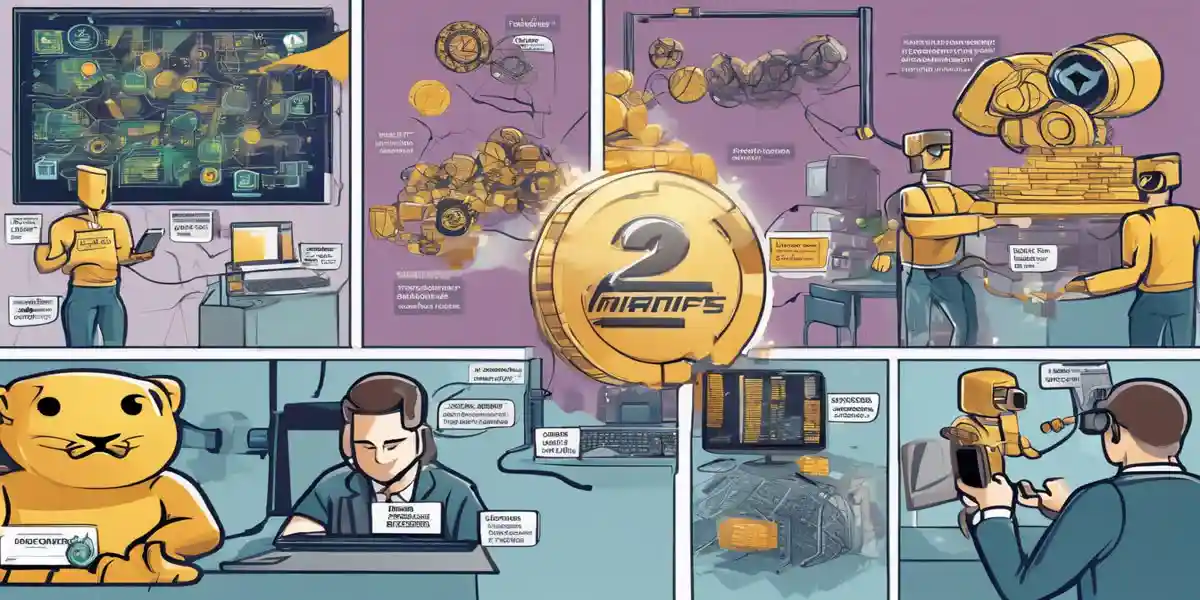
Smart contracts are revolutionizing the way we conduct transactions and manage agreements in the digital world. These self-executing contracts, with the terms of the agreement directly written into code, enable automation and transparency that traditional contracts simply cannot match. But what does this mean for industries like supply chain management, and how can we leverage them alongside digital twins and cryptocurrency mining to create a new paradigm of trust?
At their core, smart contracts are pieces of code that reside on a blockchain, allowing them to execute automatically when predetermined conditions are met. For example, consider a simple transaction: if a buyer pays a certain amount of cryptocurrency, the smart contract transfers ownership of an asset without any human intervention. This eliminates the need for intermediaries, such as banks or lawyers, and reduces the potential for fraud.
Let’s delve deeper into a practical scenario. Imagine a supply chain where each physical product has a digital twin—a virtual representation of the product that tracks its journey from origin to destination. As each product moves through the supply chain, smart contracts can trigger actions based on real-time data from these digital twins. If a shipment is delayed, the smart contract can automatically adjust payment terms or even initiate compensation, all without human oversight. This kind of automation enhances efficiency and drastically reduces operational costs, which can account for up to 70% of expenses in supply chains.
The integration of smart contracts within the Internet of Things (IoT) further highlights their potential. As IoT devices communicate with each other, smart contracts can facilitate peer-to-peer transactions without the need for a trusted intermediary. For instance, imagine a smart energy grid where households with solar panels can sell excess energy directly to their neighbors via a smart contract. This not only creates a decentralized marketplace but also fosters trust among participants, as every transaction is recorded on the blockchain, offering complete transparency.
While the potential of smart contracts is immense, there are challenges to consider. Issues such as transactional privacy and the valuation of digital assets in IoT environments need to be addressed. Additionally, the current literature highlights gaps in research related to the practical deployment of smart contracts, emphasizing the need for ongoing exploration in both academia and industry.
In this ecosystem, cryptocurrency mining plays a critical role. Miners provide the necessary computational power to validate transactions and secure the smart contracts. They are incentivized with tokens for their contributions, thus creating a decentralized network that is built on mutual trust. This synergy between smart contracts and cryptocurrency mining not only enhances security but also encourages a collaborative environment where all participants can benefit.
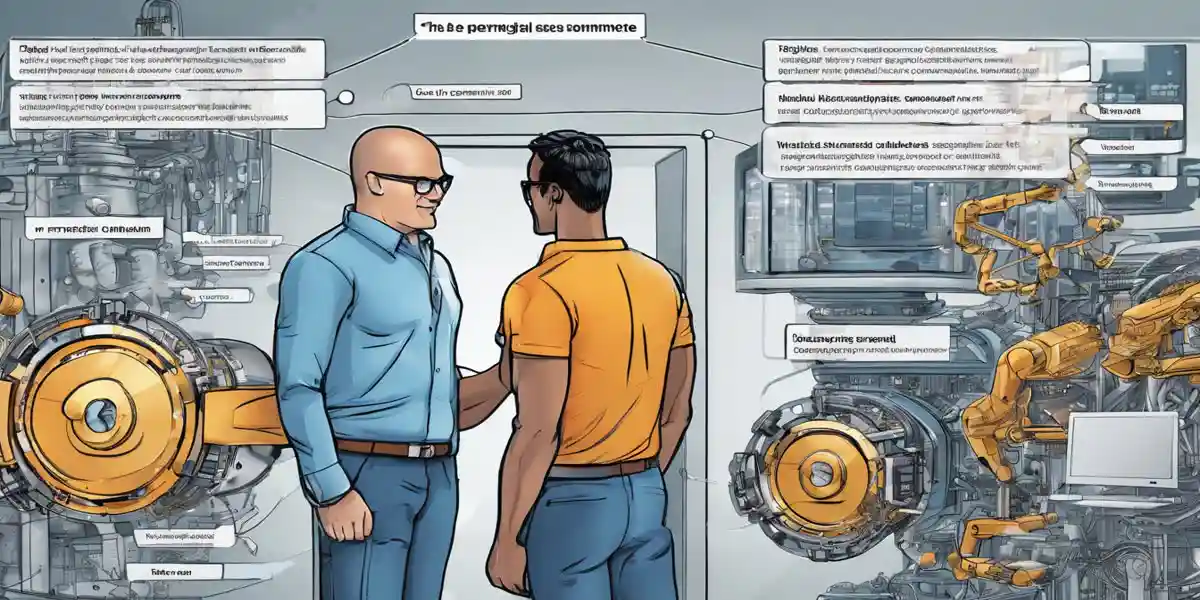
Digital twins are not mere technological novelties; they represent a profound shift in how we conceptualize and manage physical assets in various industries. These virtual replicas of physical entities allow organizations to simulate, analyze, and optimize processes in a digital realm before applying changes in the real world. This section explores the pivotal role digital twins play in enhancing efficiency, transparency, and trust across modern technology landscapes.
A digital twin is a dynamic digital representation of a physical object or system, utilized to monitor, diagnose, and predict its performance. By leveraging real-time data from sensors embedded in physical assets, digital twins offer an accurate and continuously updated model that reflects the current state of the object. For example, in the manufacturing sector, a digital twin of a production line can help managers identify bottlenecks and optimize workflows—ultimately reducing downtime and costs.
When integrated with smart contracts, digital twins transform into powerful tools for automation and trust. Smart contracts, which are self-executing agreements with the terms encoded in software, can automatically trigger actions based on the real-time data fed from digital twins. Imagine a scenario where a digital twin of a shipping container tracks its location and condition during transit. As soon as it reaches its destination, the associated smart contract can execute payment to the shipping company, log the transaction on a blockchain, and update inventory levels—without human intervention. This seamless interaction eliminates delays and disputes, creating a more efficient supply chain.
Several industries are already capitalizing on the potential of digital twins. In the energy sector, companies like Siemens and GE are using digital twins to monitor turbines and other equipment. By analyzing performance data, they can predict failures before they occur, allowing for proactive maintenance and reduced operational costs. In smart cities, digital twins can model entire urban environments to optimize traffic flows, energy consumption, and resource allocation, thereby improving the quality of life for residents.
While the advantages of digital twins are significant, challenges remain. Data security and privacy concerns are prominent, especially when sensitive information is shared across networks. However, integrating blockchain technology can alleviate some of these concerns by providing a decentralized, immutable ledger for all transactions and interactions. This synergy not only enhances data integrity but also fosters a new level of trust among stakeholders, enabling more collaborative and transparent operations.
As industries continue to embrace digital transformation, the role of digital twins will only expand. The combination of IoT, blockchain, and smart contracts will drive the development of new business models, offering unprecedented levels of operational efficiency and trust. Companies that invest in these technologies are better positioned to innovate and adapt in an increasingly competitive marketplace. By harnessing the power of digital twins, organizations can not only streamline their processes but also unlock new opportunities for growth and collaboration in the digital age.
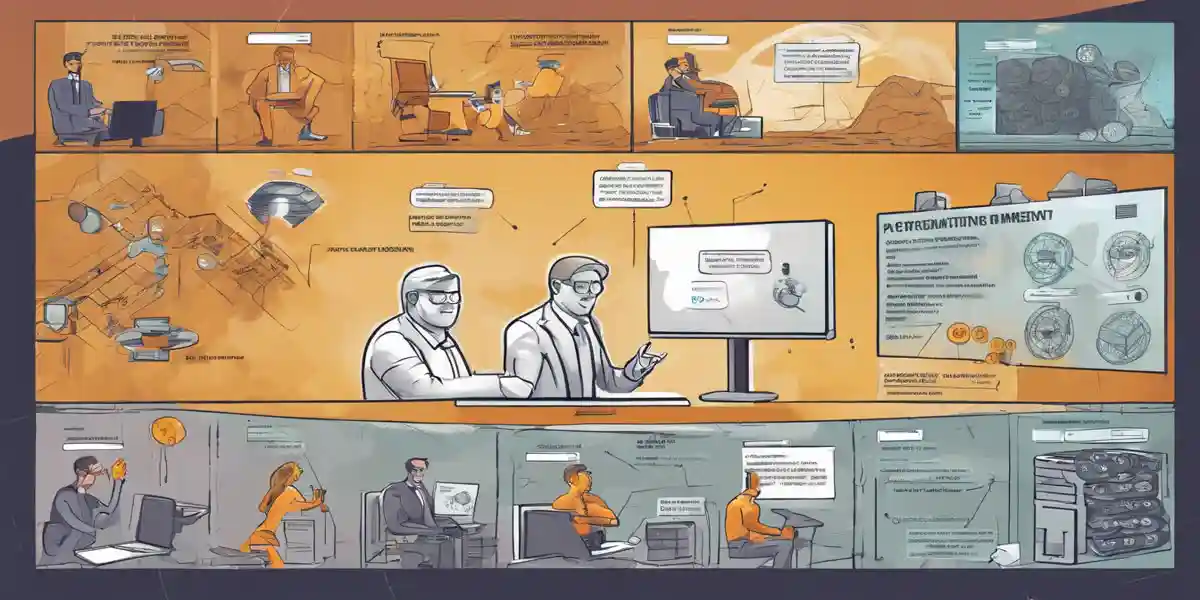
The integration of smart contracts into cryptocurrency mining offers a transformative approach that enhances efficiency, security, and transparency in the mining process. As we delve into this intersection, we find that smart contracts not only streamline operations but also redefine the incentives and rewards structure for miners.
Smart contracts, self-executing agreements with the contract terms directly written into code, enable automated processes that are crucial in the mining landscape. By utilizing a blockchain framework, these contracts execute transactions based on predefined conditions, reducing the need for human intervention and minimizing the risks of fraud.
For instance, in a mining operation, a smart contract can automatically reward miners with cryptocurrency tokens upon successful validation of a block. This ensures that miners are compensated immediately and fairly based on their contributions, fostering a more decentralized and equitable mining ecosystem.
One practical application can be seen in platforms like Ethereum, where miners contribute computational power to validate transactions and secure the network. The use of smart contracts allows for the automation of reward distribution, ensuring that all participants are compensated in real-time without the need for intermediaries. This not only enhances efficiency but also builds trust among miners, as they can verify that they are receiving the correct amount for their work.
The integration of blockchain technology with smart contracts in cryptocurrency mining significantly bolsters security. Each transaction is recorded on a distributed ledger, which is immutable, meaning that once data is entered, it cannot be altered. This aspect is crucial for maintaining the integrity of the mining process, as it provides a transparent record that all participants can access.
Moreover, smart contracts can include stipulations that penalize dishonest behavior, such as attempting to double-spend tokens or misreporting mining activity. By embedding these rules into the contract, the system automatically enforces compliance, which further reduces the chances of fraud and increases overall trust among miners.
As the cryptocurrency mining landscape evolves, the role of token incentives cannot be overstated. Smart contracts facilitate a token economy where miners are rewarded not only for validating transactions but also for contributing to the network's security and reliability. For example, projects like Helium leverage smart contracts to reward miners for providing network coverage, creating a mutually beneficial relationship where miners earn tokens for their contributions to the network's infrastructure.
This decentralized network structure encourages broader participation and innovation, as individuals can join the mining process without needing substantial upfront investment. The tokens earned can then be reinvested into the network or converted into other cryptocurrencies, creating an ecosystem that thrives on collaboration and shared success.
Despite the promising potential of integrating smart contracts into cryptocurrency mining, several challenges remain. Issues such as scalability, energy consumption, and regulatory compliance must be addressed to fully realize the benefits of this technology. Moreover, as the market evolves, ongoing research and development are essential to tackle the limitations of current smart contract implementations, particularly in areas like privacy and transaction speed.
As we look ahead, the synergy between smart contracts, blockchain technology, and cryptocurrency mining is likely to drive new business models and applications. The potential to automate complex workflows and enhance operational efficiencies holds the key to unlocking a more sustainable and robust mining ecosystem.
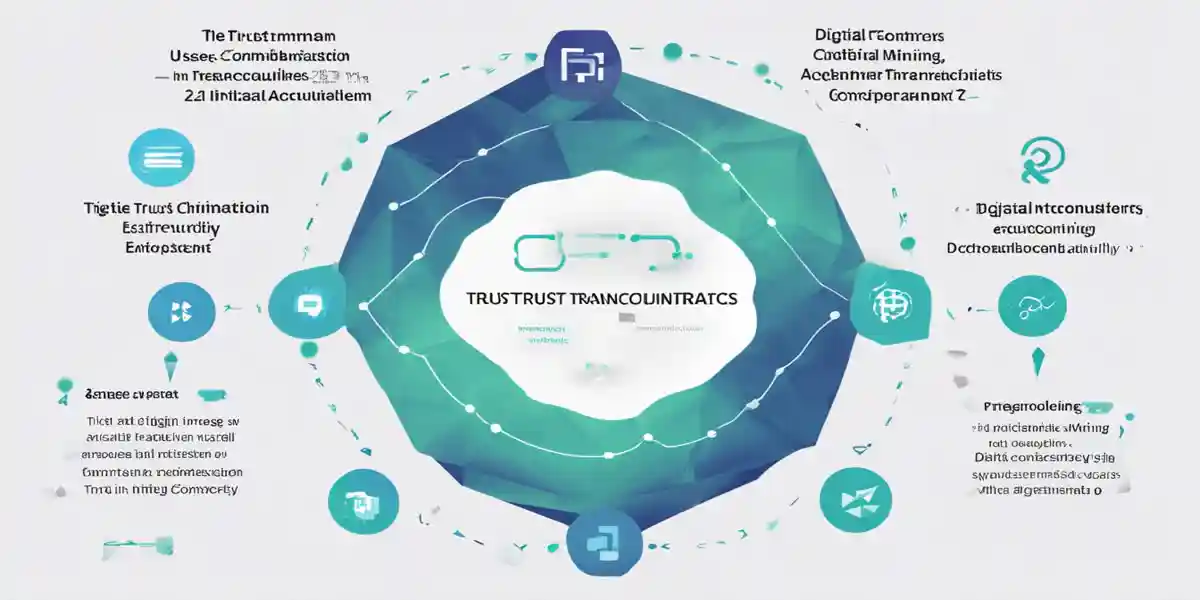
As we stand on the brink of a new era in digital transactions, the integration of smart contracts, digital twins, and cryptocurrency mining offers a glimpse into a future where trust is not merely a concept, but an embedded feature of our digital interactions. This synergy is not just theoretical; it is rapidly becoming a practical reality that can reshape industries and redefine the very nature of trust.
The blockchain technology that underpins smart contracts provides an immutable and transparent ledger, ensuring that every transaction is recorded and can be audited by all parties involved. For example, in the supply chain sector, utilizing digital twins to represent physical assets allows stakeholders to monitor the journey of goods in real-time. When combined with smart contracts, these assets can trigger automatic payments and updates as they move through various stages, significantly reducing disputes and enhancing accountability.
Consider a scenario where a manufacturer can track a shipment of raw materials using a digital twin. As the shipment progresses, a smart contract automatically executes payment once the goods reach their destination, verified by the data provided by the digital twin. Such a system not only streamlines operations but also fosters a culture of trust, as all parties have access to the same real-time information.
Cryptocurrency mining plays a crucial role in this framework by providing the necessary computational power to validate transactions and secure smart contracts. The decentralized nature of these networks ensures that no single entity can manipulate the data, further enhancing trust among users. By incentivizing miners with tokens for their contributions, we establish a system where every participant has a vested interest in maintaining the integrity of the network.
The implications are profound. For instance, companies in the energy sector can leverage cryptocurrency mining to validate energy transactions. As energy flows between producers and consumers, smart contracts can execute payments automatically based on consumption data, secured by the mining process. This not only enhances efficiency but also fosters a trustless environment, where transactions can be conducted without the need for intermediaries.
While the potential is vast, challenges such as transactional privacy, asset valuation, and regulatory compliance remain. The integration of blockchain technology with the Internet of Things (IoT) can provide solutions to these issues, enabling peer-to-peer interactions that do not rely on a trusted intermediary. For example, decentralized service marketplaces can be established where users can engage in transactions with confidence, knowing that smart contracts will enforce the agreed-upon terms automatically.
Moreover, the ongoing research into smart contracts highlights a growing awareness of their limitations and challenges. By addressing these gaps, we can pave the way for more robust systems that not only automate processes but also enhance the programmability of assets in a digital economy.
The future of trust in digital transactions lies in the seamless integration of these technologies. As we explore the possibilities presented by smart contracts, digital twins, and cryptocurrency mining, we must continue to ask critical questions. How can we innovate further to eliminate existing barriers? What new business models can emerge from this paradigm shift? The answers to these questions will guide us toward a more efficient, transparent, and trustworthy digital landscape, where trust is not just a leap of faith, but a fundamental characteristic of our digital transactions.
At the core of our exploration lies the concept of smart contracts, which are self-executing agreements where the terms are directly written into code. Imagine a world where trust is not just a matter of faith but is built into the very fabric of our transactions. By leveraging blockchain technology, smart contracts facilitate this by ensuring that once predetermined conditions are met, actions are executed automatically, thereby eliminating the need for intermediaries.
Smart contracts operate on a decentralized network, such as a blockchain, ensuring that no single party has control over the process. This decentralization is crucial for establishing trust. For instance, in a supply chain context, when a product is shipped, a smart contract can automatically verify the shipment's delivery status through real-time data sourced from a digital twin. Once confirmed, the smart contract triggers the payment to the supplier without requiring human intervention. This not only speeds up the process but significantly reduces the risk of errors and fraud.
Digital twins serve as virtual replicas of physical entities, providing real-time data and insights into their performance. When paired with smart contracts, they create a powerful ecosystem that enhances operational efficiency and trust. For example, consider a manufacturing plant where each machine is represented by a digital twin. These twins can monitor performance, predict maintenance needs, and track the flow of materials. When a machine reaches a certain threshold of performance or requires servicing, the smart contract can automatically initiate maintenance protocols or reorder supplies, ensuring that operations continue smoothly.
Take the example of a global supply chain for electronics. Each component—chips, circuit boards, and casings—can be tracked through digital twins. As these components are manufactured, the smart contracts associated with them automatically log their production data, track their shipment, and execute payments upon delivery. This level of automation not only reduces delays but also provides a transparent ledger of transactions that all parties can access, enhancing trust among suppliers, manufacturers, and retailers.
Cryptocurrency mining adds another layer of complexity and capability to the integration of smart contracts and digital twins. Miners provide the necessary computational power to validate transactions and maintain the integrity of the blockchain. In this context, miners are not merely participants in the network; they are essential contributors to the trust framework.
Incentivizing miners with tokens for their contributions fosters a decentralized network that is built on mutual trust. For instance, consider a scenario where a smart contract is used to manage a renewable energy grid. As energy is produced and consumed, smart contracts can automatically adjust pricing based on real-time demand and supply data reported by digital twins of energy sources. Miners would validate these transactions, ensuring that the data is accurate and trustworthy, while also being rewarded for their computational efforts.
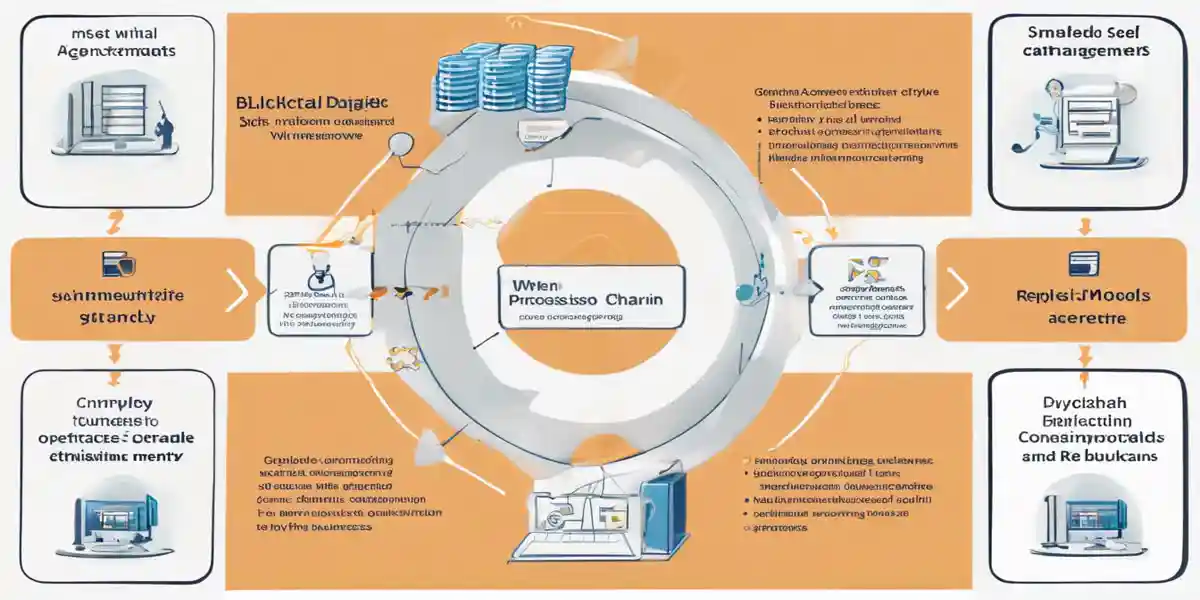
Despite the immense potential of this synergistic model, challenges remain. Issues such as transactional privacy and the valuation of digital assets in IoT environments need to be addressed to fully harness the capabilities of smart contracts and digital twins. Research indicates that developing robust frameworks for these interactions can lead to the creation of new business models and decentralized applications across various industries.
According to studies, blockchain technology can optimize costs that account for up to 70% of operational expenses in supply chains. By addressing existing operational and technical challenges, the integration of smart contracts and digital twins can lead to significant improvements in visibility, transparency, and efficiency. The formation of an "Industry Circle" that delineates data exchange patterns could support long-term supply and replenishment strategies, ultimately minimizing waste and maximizing profit.
In summary, we are witnessing a pivotal transformation in the landscape of digital transactions, driven by the integration of smart contracts, digital twins, and cryptocurrency mining. By automating agreements and ensuring transparency through blockchain technology, smart contracts eliminate the need for intermediaries, thereby reducing costs and the potential for fraud. Digital twins further enhance this ecosystem by providing real-time insights that allow for more efficient operations and robust decision-making processes across various industries.
The convergence of these technologies fosters a new paradigm of trust where each transaction is secure, auditable, and transparent. As industries begin to adopt these innovations, we can expect a significant reduction in disputes and an increase in accountability. For example, in supply chains, smart contracts connected to digital twins can automatically execute payments upon delivery, ensuring that all parties are aligned and informed in real-time.
However, as we navigate this transformative journey, it is essential to address the challenges that lie ahead—such as privacy concerns and regulatory compliance—to fully harness the potential of these technologies. Continuous research and development will be crucial in overcoming these barriers and refining the systems that promote efficiency and trust. The future will undoubtedly favor those who are willing to innovate and adapt, leveraging smart contracts and digital twins to create smarter, more resilient business models.
As we stand at this crossroads, I encourage you, the reader, to reflect on the implications of these technologies in your own industry or area of interest. How can you harness the power of smart contracts and digital twins to enhance trust and efficiency within your operations? The answers to these questions could very well define the future of your business in an increasingly digital world. Let's embrace this change, challenge the status quo, and explore the vast possibilities that lie ahead in building a more trustworthy digital ecosystem.

Get notified about new articles, coffee tips, and Web3 insights.
This site participates in affiliate programs and may earn a commission when a link is clicked and a purchase is made. The site is not responsible for any issues or troubles related to the products or services purchased through the use of this site.

DO&COFFEE loves coffee and technology, exploring the potential of NFTs and blockchain. Learn more →
DO&COFFEE loves coffee and technology, exploring the potential of NFTs and blockchain. Learn more →