wellness
2024/10/01

In today's fast-paced digital landscape, where Web3 technologies are reshaping our interactions and experiences, the need to find balance has never been more crucial. With constant notifications, the allure of endless scrolling, and the pressures of innovation, many of us are at risk of burnout. Have you ever felt overwhelmed by the very screens that are meant to connect us? Imagine a world where you can step back from this digital frenzy—where mindfulness retreats and scenic walking paths become essential tools for rejuvenation and creativity. This blog post explores the concept of “Mindful Pathways,” a proposed virtual platform designed to guide Web3 innovators towards serene retreats and local trails that promote mental well-being and foster community. We will delve into the benefits of mindfulness retreats, share tips on finding the right one, and highlight the power of scenic walks as a means of integrating mindfulness into your daily routine. Together, we’ll uncover how these practices can enhance not only personal well-being but also the innovative spirit that drives us forward in this digital age.

As we navigate through an increasingly digital world, the concept of mindfulness emerges as a beacon of hope and a tool for balance. Particularly for innovators within the Web3 space, the tension between relentless screen time and the desire for authentic human connection can feel overwhelming. This is where mindfulness enters the conversation, offering a pathway to reconnect with ourselves and our surroundings amidst the digital chaos.
Consider the sheer volume of information we consume daily: emails, social media notifications, and endless news updates. It’s easy to become lost in this torrent, leading to mental fatigue, anxiety, and a sense of disconnection. A "Digital Detox" becomes not just a trend, but a vital necessity. What if we could create a structured approach to stepping back from our devices, allowing us to recharge and cultivate deeper connections with ourselves and our communities? This is the essence of mindfulness in a digital era.
Research underscores the profound benefits of engaging with nature as part of mindfulness practices. A psychiatrist’s advocacy for walking highlights how this simple activity can enhance our quality of life without requiring advanced skills or tools. By stepping outdoors, we engage our senses and immerse ourselves in the present moment. Studies show that walking not only reduces stress but also encourages reflection and self-discovery, making it an ideal practice for anyone entrenched in the digital landscape.
Imagine a platform like “Mindful Pathways” that curates experiences specifically for Web3 innovators. This platform could offer a comprehensive directory of mindfulness retreats and local walking trails that cater to the unique needs of those in tech. By providing filters for activities, duration, and personal interests, users can quickly find retreats that resonate with their journey. The goal? To help innovators disconnect from their screens and reconnect with the world around them.
In a world driven by technology, it may seem counterintuitive to utilize digital tools for mindfulness. However, leveraging GPS technology to create guided walking routes offers a perfect blend of the two. These routes could incorporate mindfulness exercises, such as breathwork or digital-free moments, encouraging users to stay present and engaged with their environment. This systematic approach not only fosters individual well-being but also promotes community among like-minded individuals.
Research indicates that exposure to nature significantly enhances mental well-being. A study involving adults in Australia and Germany found positive correlations between current nature exposure and mental health indicators. This relationship emphasizes the importance of fostering connections to nature throughout life, particularly for those who are often confined to digital realms. By integrating nature into the daily lives of Web3 innovators, we can cultivate a healthier, more balanced approach to innovation and creativity.
Walking as a form of exercise not only promotes physical health but also serves as a powerful tool for mental clarity and emotional stability. The accessibility of walking—requiring no special skills, equipment, or financial investment—makes it an ideal practice for busy innovators. Whether enjoyed alone or in groups, walking allows individuals to gradually immerse themselves in mindfulness, with the possibility of extending the distance as they grow more comfortable with the practice.
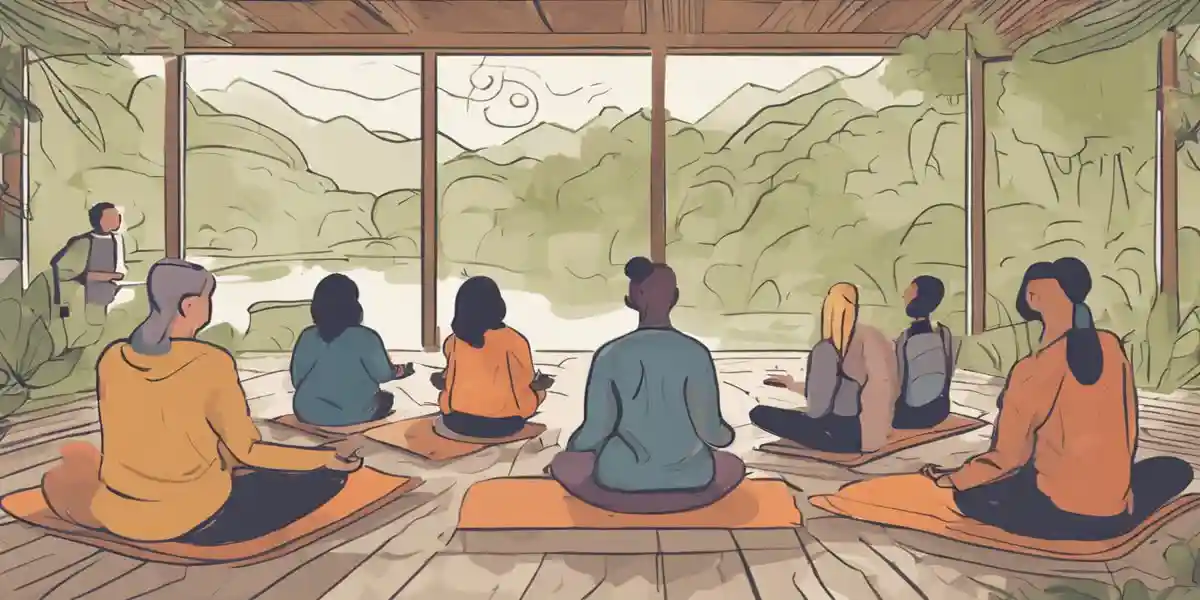
Mindfulness retreats offer a sanctuary for those entangled in the fast-paced demands of the digital world, particularly for Web3 innovators who often find themselves tethered to their screens. These retreats are designed to help participants disengage from technology, reconnect with their inner selves, and immerse in nature. In this section, we will delve into the unique characteristics of mindfulness retreats, the experiences they offer, and how they can significantly benefit individuals navigating the complexities of a digital life.
When you arrive at a mindfulness retreat, you can expect to be welcomed by serene environments—whether it’s a mountain lodge surrounded by towering pines or a beachside escape with the soothing sound of waves. These spaces are intentionally designed to facilitate relaxation and introspection. For instance, many retreats incorporate elements like meditation studios, yoga classes, and quiet reflection areas, allowing participants to choose how they wish to engage with the mindfulness practices on offer.
Moreover, the structure of a typical retreat often includes guided meditations, mindfulness workshops, and nature walks, all aimed at fostering a deeper connection with oneself and the surrounding environment. Imagine starting your day with a sunrise meditation overlooking a tranquil lake, followed by a guided nature walk where you are encouraged to practice mindful breathing and observe the beauty of the flora and fauna around you. This immersive experience not only cultivates a sense of peace but also enhances your ability to be present—an essential skill for innovation in the fast-evolving landscape of Web3.
Mindfulness retreats come in various forms, catering to different needs and preferences. For example, some retreats may focus heavily on meditation practices, offering multi-day silent retreats where participants engage in deep introspection. Others may blend mindfulness with physical activities such as hiking or yoga, providing a holistic approach to well-being.
Consider a retreat that emphasizes nature exposure, which research has shown to positively correlate with mental well-being. A study highlighted that current exposure to nature significantly impacts mental health, reinforcing the importance of integrating nature into our lives. Therefore, retreats that incorporate outdoor activities can amplify the mental health benefits associated with mindfulness, allowing participants to reflect and rejuvenate amidst natural beauty.
One of the most powerful aspects of mindfulness retreats is the sense of community they foster. Participants often share similar challenges and aspirations, creating an environment of support and understanding. Engaging in group activities—such as communal meals, sharing circles, or collaborative mindfulness practices—encourages connection and deepens the collective experience.
This communal aspect can be particularly beneficial for Web3 innovators, who may often feel isolated in their work. Connecting with others who share similar passions and challenges can lead to valuable discussions, new ideas, and collaborations. Imagine leaving a retreat not just with a renewed sense of self but also with a network of like-minded individuals who inspire and motivate you.
With a plethora of retreats available worldwide, selecting the right one can be a daunting task. Factors to consider include the retreat's location, duration, activities offered, and whether it aligns with your personal mindfulness goals. For example, if you’re drawn to the ocean, a beach retreat focusing on mindfulness and yoga may be ideal. Alternatively, if you seek a more intensive experience, a silent retreat in the mountains might be more fitting.
Utilizing platforms like “Mindful Pathways” can streamline this process. By allowing users to filter retreats based on their interests and desired activities, such platforms empower individuals to make informed decisions about their mindfulness journey. This approach ensures that the retreat aligns with your personal needs, enhancing the overall experience.
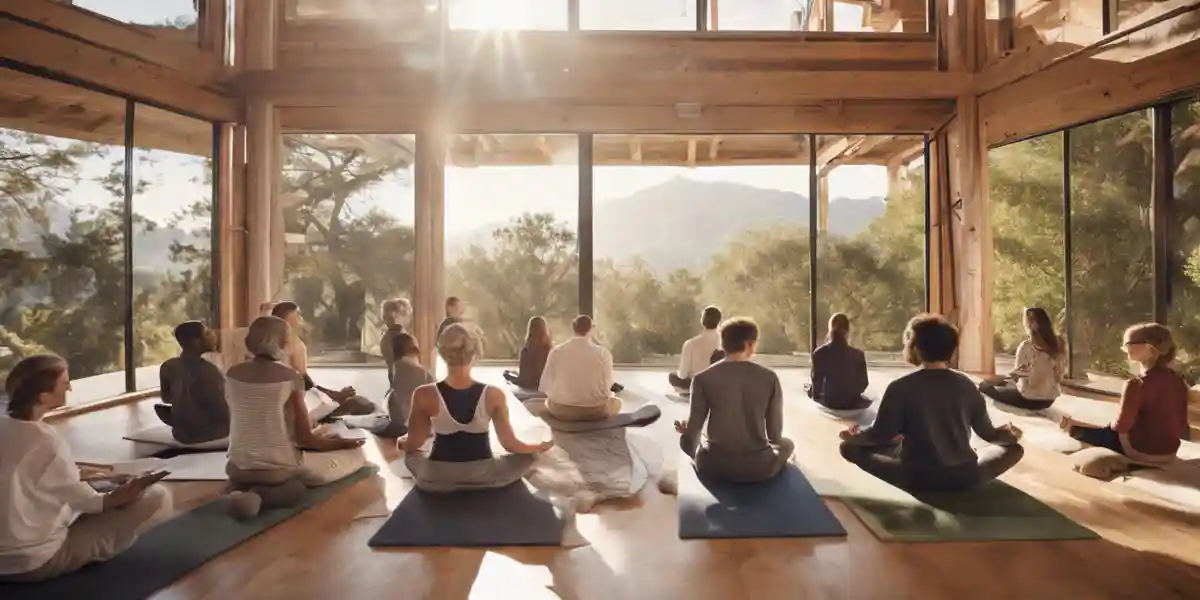
Mindfulness retreats provide a sanctuary for Web3 innovators to reconnect with themselves, offering numerous benefits that are particularly crucial in today's fast-paced digital landscape. As the world of Web3 evolves, so too do the pressures and demands placed upon its innovators. Here, we explore how mindfulness retreats can serve as a powerful antidote to the stress and distractions of the digital age.
In an industry characterized by rapid change and constant connectivity, maintaining focus can be a significant challenge. Mindfulness retreats provide an immersive environment where participants can practice techniques that cultivate concentration. For instance, the practice of focused attention meditation encourages individuals to hone their ability to concentrate on a single task. This is particularly beneficial for Web3 innovators who often juggle multiple projects and deadlines.
Real-world examples abound; consider a group of blockchain developers attending a retreat in the serene mountains of Colorado. With distractions minimized, they engage in daily meditation and mindfulness exercises. Participants report heightened clarity in their thinking, allowing them to approach their projects with renewed creativity upon returning to their work. Such experiences illustrate how stepping away from daily distractions can lead to breakthroughs in innovation.
The importance of mental health cannot be overstated, especially for those involved in high-stakes technological development. Mindfulness retreats offer structured environments that promote relaxation and stress reduction through guided meditations, yoga sessions, and nature walks. According to a study conducted at the UCLA Mindful Awareness Research Center, participants in mindfulness training programs reported significant decreases in perceived stress and improvements in self-compassion.
Imagine a Web3 innovator attending a retreat focused on nature-based therapy. Engaging with the natural environment not only enhances mood but also fosters a sense of connectedness that can combat feelings of isolation often experienced in tech circles. This aligns with findings that highlight how interactions with nature serve as a beneficial distraction, promoting overall mental well-being—a critical component for sustained productivity and innovation.
Web3 is fundamentally about creating decentralized systems and fostering community. Mindfulness retreats enhance these ideals by bringing together like-minded individuals who share a passion for innovation. During these retreats, participants often engage in group discussions and collaborative activities that foster trust and understanding.
A notable example is a retreat organized for developers working on decentralized finance (DeFi) projects. The environment encourages open dialogue, where participants can share ideas and challenges in a supportive setting. The relationships built in these settings often lead to ongoing collaboration, resulting in innovative solutions that might not have emerged in a traditional work environment.
As Web3 innovators, the temptation to remain plugged into the digital world is ever-present. Mindfulness retreats are designed to facilitate a digital detox, allowing participants to disconnect from their devices and immerse themselves fully in the present moment. This disconnection is crucial for mental clarity and creative thinking.
For example, innovators at a retreat might participate in a "digital-free" day, engaging in activities like hiking, journaling, or cooking together. These experiences not only rejuvenate the mind but also inspire new perspectives on their work. The insights gained during these moments of reflection can profoundly influence the direction of their projects once they re-enter the digital realm.
The benefits of mindfulness retreats extend beyond the duration of the retreat itself. Participants often leave with a toolkit of mindfulness practices they can incorporate into their daily lives. This includes simple techniques such as breathwork or mindful walking, which can be easily integrated into a busy schedule.
Research supports this notion, as studies have shown that individuals who engage in regular mindfulness practices experience long-term improvements in mental health and overall quality of life. For Web3 innovators, these practices can serve as powerful tools for managing stress and maintaining focus in the face of their demanding roles.
In conclusion, the journey toward finding balance in our increasingly digital lives is both essential and achievable, particularly for Web3 innovators who often find themselves caught in the whirlwind of technology. Throughout this blog post, we've explored the transformative power of mindfulness in a digital era and how mindfulness retreats serve as sanctuaries for those yearning to reconnect with themselves and nature. The discussions highlighted the multifaceted benefits of these retreats, from enhanced focus and creativity to vital stress reduction and community building.
Moreover, we've recognized the importance of integrating simple practices, such as scenic walks, into our daily routines. These walks not only serve as a form of exercise but also act as a powerful mindfulness practice that fosters a deeper connection with our surroundings and ourselves. This approach aligns well with the core values of the Web3 community, which emphasizes collaboration, decentralization, and innovation.
As you reflect on the insights shared, consider this: What steps can you take today to cultivate mindfulness in your life? Whether it's dedicating time for a weekend retreat, committing to daily walks in nature, or even setting aside moments for a digital detox, every small effort contributes to a more balanced, fulfilled existence. Let us embrace the challenge of innovation not just with our minds but also with our hearts, nurturing our well-being and creativity in the process.
So, take a moment to breathe, step outside, and ask yourself: How will you create space for mindfulness amidst the demands of your digital world?

Get notified about new articles, coffee tips, and Web3 insights.
This site participates in affiliate programs and may earn a commission when a link is clicked and a purchase is made. The site is not responsible for any issues or troubles related to the products or services purchased through the use of this site.

DO&COFFEE loves coffee and technology, exploring the potential of NFTs and blockchain. Learn more →
DO&COFFEE loves coffee and technology, exploring the potential of NFTs and blockchain. Learn more →