art
2024/10/01

In a world increasingly saturated with screens and constant notifications, the quest for self-care has never felt more urgent. How do we carve out moments of peace and creativity amid the digital chaos? Enter interactive art—a compelling remedy that not only invites us to engage with creativity but also serves as a vital tool for self-care. Imagine a digital platform where your emotions can be transformed into stunning visual representations, where every interaction shapes a unique artistic experience that resonates with your inner self. This blog post explores how interactive art transcends traditional boundaries, offering a personal sanctuary that encourages mindfulness, self-expression, and emotional connection.
As we delve into the role of interactive art in enhancing well-being, we will uncover its potential to improve mental health through creative engagement. From immersive digital gardens to guided workshops with renowned artists, the possibilities for integrating art into our self-care routines are vast and varied. Ultimately, our journey will reveal how embracing this innovative approach to self-care can help redefine our lifestyles in a fast-paced, technology-driven society. So, are you ready to transform your self-care practices through the vibrant lens of interactive art?
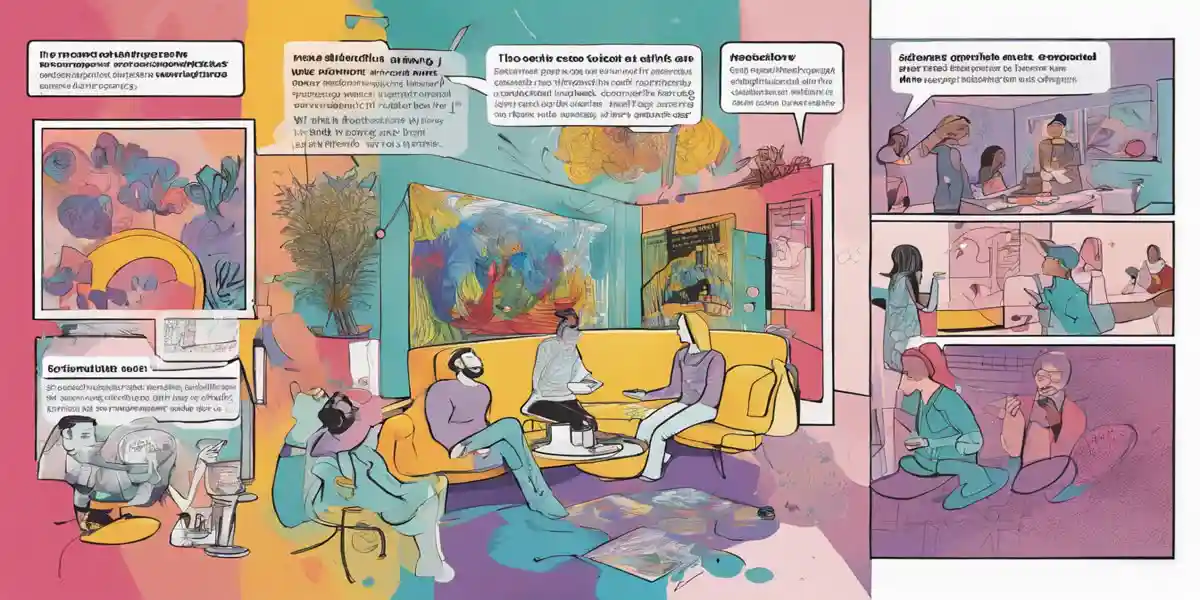
As we navigate the complexities of modern life, the demand for effective self-care strategies has never been greater. In this digital age, where sensory overload is ubiquitous, interactive art emerges as a compelling avenue for personal transformation and emotional wellness. This section delves into how interactive art can be seamlessly integrated into our lifestyles, providing not just an escape but a means of self-exploration and growth.
Self-care has evolved significantly over the years, shifting from traditional practices like meditation and journaling to include more modern and engaging methods. With the rise of technology, the question becomes: how can we leverage these advancements for our well-being? Interactive art serves as a bridge between technology and self-care, offering immersive experiences that encourage personal reflection and emotional connection.
Imagine stepping into a digital space where your emotions shape the art around you. This is not just a whimsical idea; it's a reality made possible through platforms that utilize sensor technology and user interaction. For instance, installations like those created with Microsoft Kinect allow users to engage with digital art through movement, creating a unique interplay between the viewer and the artwork. Users can become the creators, influencing visual and auditory experiences in real-time, fostering a sense of agency and active participation.
At its core, interactive art thrives on personalization. When users plant virtual seeds in a digital garden, for example, they engage in an act of creation that reflects their inner state. This concept of a "living artwork" not only promotes creativity but also serves as a mirror for one's emotions. By engaging with this art, users can cultivate mindfulness, becoming more attuned to their feelings and thoughts. This process encourages a deeper connection with oneself, a crucial component in today’s fast-paced society.
Beyond individual experiences, interactive art also promotes collective engagement. Works like "InterACTE" and "Eve, dance is an unplaceable place" explore how spectators can interact with each other and the art itself. This fosters a sense of community, allowing individuals to share their experiences and emotions in a shared space. The concept of resonance—where curiosity, inner embodiment, and collective interaction occur—highlights the importance of these communal experiences in enhancing our emotional landscapes.
Moreover, guided workshops led by artists provide structured opportunities for individuals to explore their feelings through various artistic mediums. These experiences, often facilitated in interactive environments, allow participants to channel their energy into creativity, shifting focus away from daily stressors. For example, digital painting or sound art workshops can serve as therapeutic outlets, enabling individuals to express emotions that might otherwise remain unarticulated.
In essence, interactive art is not just a modern form of entertainment; it represents a vital tool for self-care in a digital age. By engaging in these immersive experiences, individuals can transform their lifestyles, embracing creativity, emotional expression, and personal growth as essential components of their well-being.
This section has been carefully crafted to explore the unique intersection of lifestyle, interactive art, and self-care, highlighting how these elements come together to enhance personal well-being in our increasingly digital world.
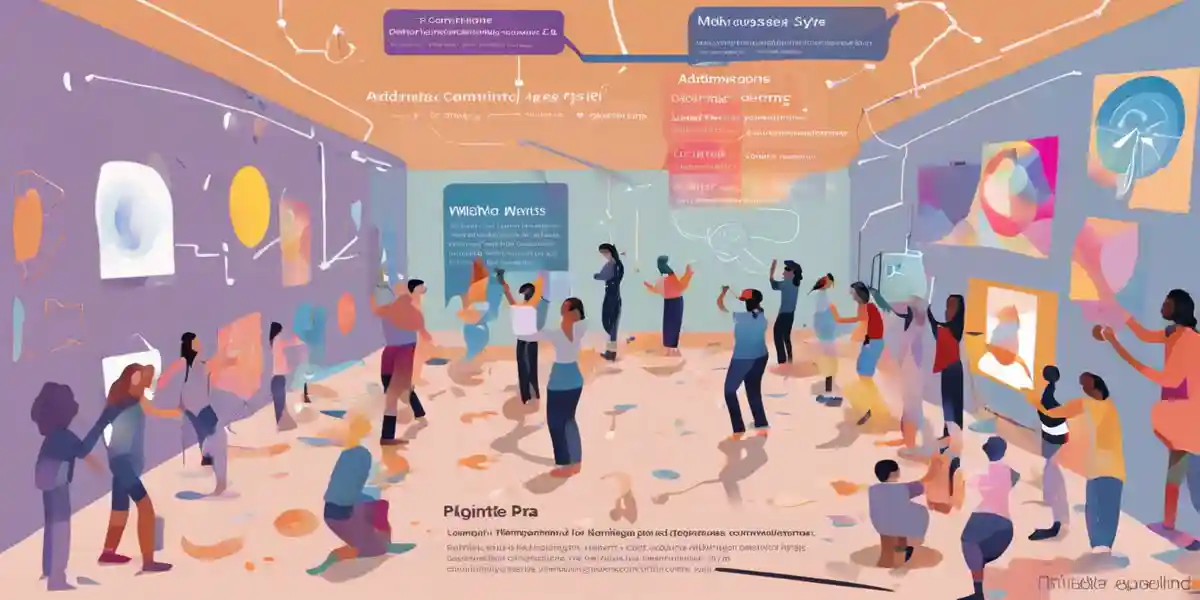
In a world characterized by rapid technological advancement, the emergence of interactive art represents a significant evolution in how we express ourselves and engage with our surroundings. This innovative medium is not just about creating visual aesthetics; it serves as a vital tool for enhancing well-being and fostering deeper connections with our emotions. So, what exactly is interactive art, and how does it facilitate a new form of expression? Interactive art transcends traditional boundaries by inviting viewers to become active participants rather than passive observers. Imagine stepping into an immersive digital environment where your movements and actions directly affect the artwork around you. Through technologies such as motion sensors and virtual reality, interactive art installations can respond to touch, voice, or even emotional cues, crafting a personalized experience that evolves with each interaction. Take, for example, the use of Microsoft's Kinect technology in various installations. This contactless sensor captures the nuances of human movement, allowing individuals to influence visual or auditory elements in real-time. As a user waves their hand or shifts their body, the artwork morphs, creating a dynamic dialogue between the participant and the piece itself. This level of engagement encourages curiosity and playfulness, which are crucial for nurturing creativity and emotional expression. The concept of resonance is central to understanding how interactive art enhances well-being. According to a study on participatory art, three types of resonance emerge: Inter Resonance, which refers to the playful interaction between the spectator and the artwork; Inner Resonance, where individuals experience personal embodiment and creativity; and Collective Resonance, which highlights the interactions among spectators themselves. These forms of resonance create an open and communicative environment, inviting users to explore their feelings and connections within a supportive community. Moreover, interactive art can serve as a powerful catalyst for mindfulness. By immersing participants in artistic environments that react to their state of mind, they become more attuned to their emotional responses. For instance, imagine an interactive digital garden where users can plant seeds that grow into vibrant artworks reflecting their moods. As they engage with this space, they cultivate not only visual beauty but also a deeper connection with their inner selves. This kind of mindful interaction encourages self-reflection, helping individuals to navigate their emotions more effectively. Guided workshops featuring renowned artists can further amplify the benefits of interactive art. These sessions provide structured opportunities for participants to delve into different artistic mediums—be it digital painting, sound art, or collaborative projects. Such settings foster a sense of community and shared experience, allowing individuals to channel their energies into creation and reflection, thereby shifting their focus away from daily stressors. In essence, interactive art redefines self-care in the digital age. It merges technology with the therapeutic power of artistic expression, inviting individuals to step into their own narratives and explore their emotional landscapes. By embracing this new medium, we can foster a lifestyle that prioritizes creativity, emotional expression, and personal growth—elements that are increasingly vital in our fast-paced, screen-saturated lives.
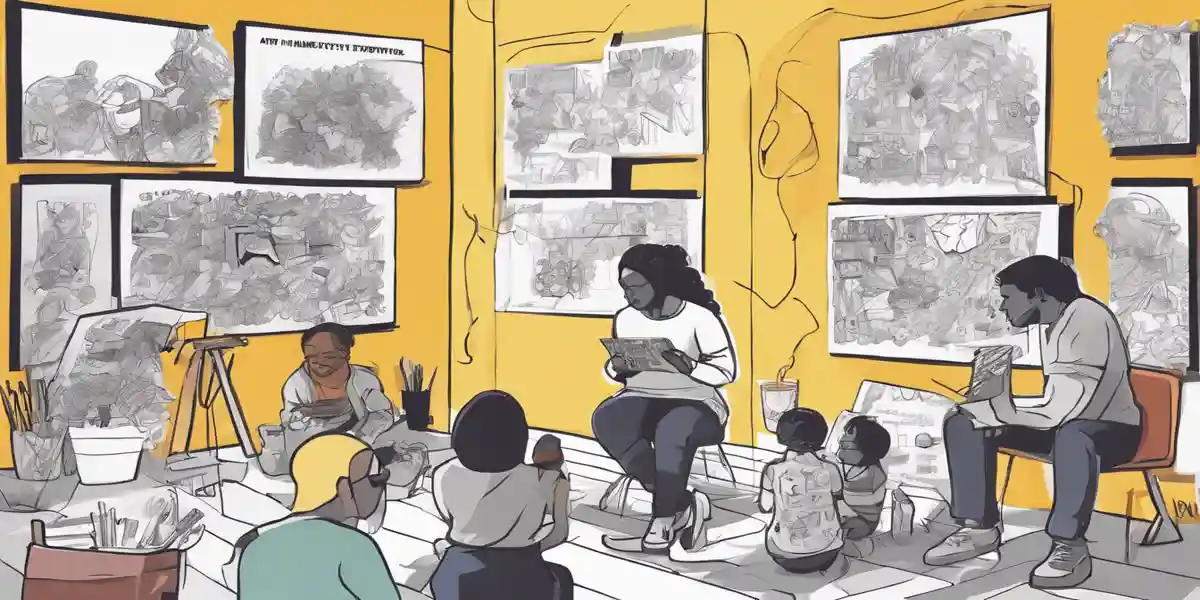
Art has long been revered for its ability to inspire, provoke thought, and evoke emotion. In today's fast-paced, technology-driven world, engaging with art—especially interactive art—can serve as a vital tool for enhancing mental health. This section delves into the unique ways that art engagement can facilitate emotional healing, foster resilience, and promote overall well-being.
At the core of art's mental health benefits lies the concept of creative expression. When individuals engage with art, whether through creating or experiencing it, they tap into their emotions and thoughts in ways that can be profoundly healing. For instance, art therapy has gained traction in therapeutic settings, where practitioners guide clients through the artistic process to help them articulate feelings that might otherwise remain unspoken. Research indicates that this form of expression can reduce anxiety, depression, and even PTSD symptoms.
Consider a case where a trauma survivor participates in a guided painting session. Instead of verbalizing their pain, they might use colors and shapes to depict their feelings, allowing for a release of emotions that serves as a first step toward recovery. The act of creation transforms abstract feelings into tangible forms, enabling individuals to process their experiences more effectively.
Interactive art installations, which actively engage spectators, can also enhance mental health by fostering social connections. A study focused on participatory art highlights how installations like "InterACTE" and "Eve, dance is an unplaceable place" encourage improvisation and self-expression among participants. These installations create environments where curiosity and playfulness thrive, allowing individuals to connect not only with the artwork but also with one another.
Imagine being part of a digital art environment where your movements influence the visual output in real-time. Such interactions can break down barriers, making art more accessible and inviting collaboration. This collective experience nurtures a sense of belonging and community, which is crucial for mental well-being, particularly in an age where social isolation can be prevalent.
Engaging with art can also serve as a form of mindfulness practice. The act of focusing on colors, shapes, or sounds can ground individuals in the present moment, providing a much-needed respite from the noise of daily life. Research has shown that mindfulness meditation, when combined with creativity, can enhance emotional regulation and decrease anxiety. This synergy is particularly evident in studies exploring the experiences of art students who implement mindfulness practices alongside their creative endeavors.
For example, students who regularly practice mindfulness reported improved focus and a decrease in self-criticism during their art-making processes. They learned to embrace imperfections in their work, fostering a healthier relationship with creativity that promotes mental resilience.
The integration of technology into the realm of interactive art opens up new avenues for engagement and emotional exploration. Tools like the Microsoft Kinect enable participants to influence visual and auditory experiences through their physical movements. This contactless interaction allows individuals to express themselves without the constraints of traditional artistic mediums, making art more inclusive.
In a digital installation that responds to body movements, participants might find themselves generating a symphony of colors and sounds that reflect their emotional state. This real-time feedback not only makes the experience exhilarating but also encourages participants to explore their feelings in a safe, supportive environment—an essential aspect of mental health improvement.
As we reflect on the multifaceted role of interactive art in our lives, it becomes clear that it transcends mere entertainment; it is an essential tool for self-care in our increasingly digital world. Throughout this blog post, we've explored how interactive art serves as a bridge between technology and well-being, offering unique avenues for personal expression, emotional exploration, and community connection.
We began by examining the evolution of self-care practices in the digital context, highlighting how interactive art invites us to engage actively with our emotions and surroundings. The dynamic nature of this art form, as showcased through technologies like Microsoft's Kinect, allows individuals to become co-creators of their experiences. This shift not only promotes personal agency but also enhances our ability to connect with our inner selves, fostering mindfulness and self-awareness.
Furthermore, we uncovered the therapeutic power of creative expression and collective engagement that interactive art provides. As participants immerse themselves in artistic experiences, they cultivate resilience, emotional healing, and a sense of belonging. These communal interactions counter the isolation often felt in our digital age, demonstrating that art can be a powerful catalyst for connection and support.
Incorporating interactive art into our self-care routines is not just a suggestion; it’s an invitation to transform our lifestyles. Whether through finding accessible art experiences in our communities or creating our own interactive practices at home, the potential for personal growth and emotional well-being is immense. Each brush stroke, each movement, and each collaborative moment can contribute to a richer, more fulfilling life.
So, as you navigate your own journey toward enhanced well-being, consider how interactive art can play a role in your self-care strategy. Are you ready to step into a world where your emotions shape your environment? Embrace the transformative power of interactive art, and let it guide you toward a path of creativity, connection, and self-discovery. The canvas of your life awaits your unique touch.
Get notified about new articles, coffee tips, and Web3 insights.
This site participates in affiliate programs and may earn a commission when a link is clicked and a purchase is made. The site is not responsible for any issues or troubles related to the products or services purchased through the use of this site.

DO&COFFEE loves coffee and technology, exploring the potential of NFTs and blockchain. Learn more →
DO&COFFEE loves coffee and technology, exploring the potential of NFTs and blockchain. Learn more →