coffee
2025/10/21

Have you ever wondered where your morning cup of coffee truly comes from? As coffee lovers, we often savor the rich flavors and aromas without considering the complex journey each bean takes from the farm to our mugs. In recent years, however, a digital revolution has been brewing, transforming the way we trace the journey of our favorite beverage. This transformation isn't just about convenience; it's about ensuring beans are sourced ethically and sustainably, empowering farmers and consumers alike.
In this blog post, we will explore how digital transformation, particularly through blockchain technology, is reshaping coffee supply chains. We'll dive into the role of enhanced transparency and traceability, showcasing how consumers can now follow their coffee's journey from farm to cup. Additionally, we'll look at innovative solutions like PrivChain, which aims to secure data while maintaining privacy in these supply chains. Join us as we uncover the exciting changes happening in the coffee industry, highlighting why these advancements matter not just for the future of our daily brew, but for the sustainability of our global food systems.
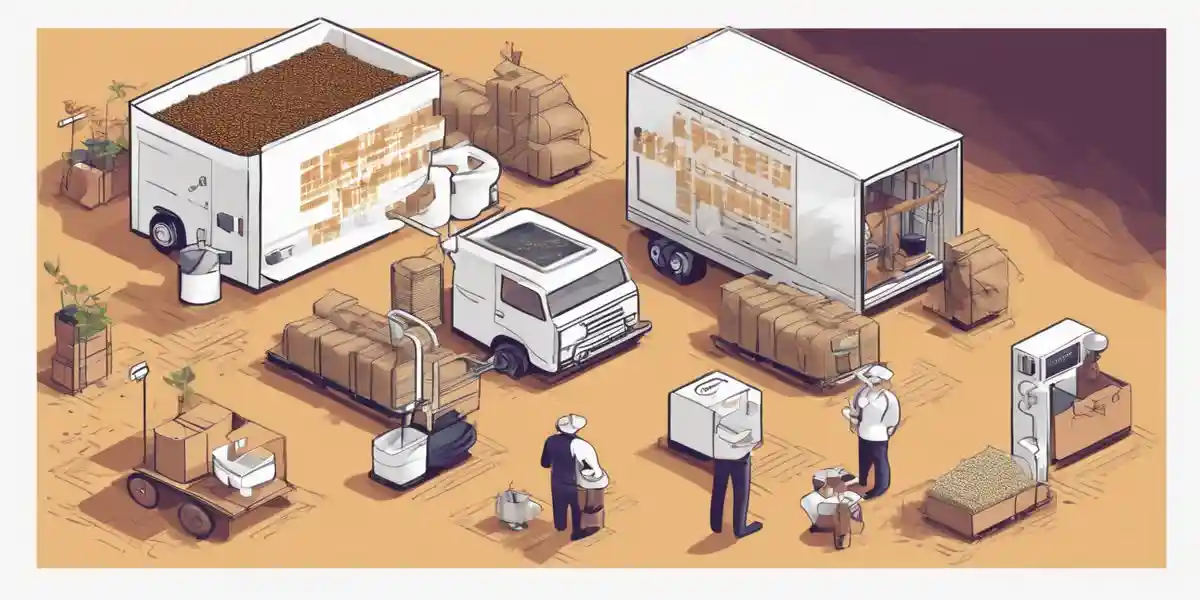
Blockchain technology can be likened to a digital ledger that records transactions in a way that makes it nearly impossible to alter or erase information once it has been entered. In the context of coffee supply chains, this technology enhances transparency and traceability from the farm to the final consumer. Traditional coffee supply chains often suffer from data silos where information about origin, quality, and trading practices becomes fragmented. By integrating blockchain technology, stakeholders—from farmers to retailers—can access reliable and real-time data that paints a comprehensive picture of the coffee's journey to the consumer.
One of the critical advantages of blockchain in coffee supply chains is the ability to securely track each coffee bean's journey. The paper "Transparent and Traceable Food Supply Chain Management" suggests that a blockchain-based system can create a transparent digital ledger that allows coffee producers to document every step of their harvest and processing. For example, a consumer purchasing coffee may scan a QR code on the packaging that leads to a blockchain record, providing details about where the beans were grown, how they were processed, and the fair trade practices involved. This level of traceability not only builds trust with consumers who are increasingly seeking ethically sourced products but also empowers farmers by ensuring they receive fair compensation.
Despite its potential, the widespread adoption of blockchain technology in coffee supply chains has faced hurdles, particularly around data privacy. The research presented in the paper "PrivChain: Provenance and Privacy Preservation in Blockchain enabled Supply Chains" highlights that the transparency offered by blockchain can inadvertently expose sensitive business information, such as trade secrets. To counter this, PrivChain proposes a privacy-preservation framework designed to protect proprietary data while still allowing for the traceability benefits of blockchain. By incorporating such privacy measures, coffee businesses can share critical information with partners and consumers without compromising their competitive edge.
Effective data management is another pivotal area where blockchain technology shines. The “DIDChain: Advancing Supply Chain Data Management with Decentralized Identifiers and Blockchain” study discusses how decentralized identifiers can improve traceability and communication among stakeholders in coffee supply chains. For example, using a decentralized identifier system, coffee producers can link their crops directly to their identities and certifications, making it easier for retailers to verify quality and origin. This not only streamlines operations but fosters a trust-based environment where all parties benefit from an efficient and transparent system.

The journey of coffee from farm to cup is not just a simple transaction; it embodies a complex interaction of farmers, processors, exporters, importers, and retailers. Each player adds value, but without transparency, the integrity of the product can be compromised. Transparency means that every step of the coffee's journey can be seen and verified, which is crucial for both ethical sourcing and consumer trust. As consumers become increasingly interested in where their coffee comes from, businesses in the coffee industry must adapt by embracing technologies that provide clear insights into the entire supply chain.
Blockchain technology, a digital ledger system where each transaction is securely recorded, presents a powerful solution for enhancing traceability in coffee supply chains. By using this technology, every transaction can be documented and made accessible to all parties involved. This means that consumers can trace their coffee back to the specific farm where it was grown, gaining insight into the production practices and the journey to their cup.
For instance, the research paper "Transparent and Traceable Food Supply Chain Management" reveals how blockchain can be utilized to create a digital ledger that tracks products from raw materials to finished goods. Implementing such a system can reduce misinformation and foster trust between consumers and producers. The ability to trace coffee back to its origin not only promotes transparency but also helps ensure that farmers receive fair compensation for their high-quality beans.
There are notable examples of coffee companies that have successfully integrated blockchain technology to enhance traceability. One such example is a cooperative in Colombia that has implemented a blockchain-based system to track its coffee beans. By scanning a QR code on the coffee packaging, customers can access information about the farm, the harvesting process, and even the farmers themselves. This level of detail not only legitimizes the product but also connects consumers to the very origins of their coffee, fostering a sense of community and ethical consumption.
Another example can be found in a project highlighted in the "DIDChain: Advancing Supply Chain Data Management with Decentralized Identifiers and Blockchain" research. This initiative utilizes Decentralized Identifiers to streamline the flow of information among different stakeholders in the coffee supply chain, breaking down communication barriers. By ensuring that all parties have access to the same information, trust is built, and the risk of fraud or misrepresentation is significantly reduced.
While the potential of blockchain technology in enhancing transparency and traceability is immense, there are also challenges to consider. As discussed in the paper "PrivChain: Provenance and Privacy Preservation in Blockchain enabled Supply Chains," concerns about data privacy and trade secrets can hinder the adoption of these technologies. Coffee producers may hesitate to share detailed information about their processes for fear of exposing sensitive business information. However, frameworks like PrivChain offer solutions that balance the need for transparency with the protection of proprietary data. This ensures that while consumers know where their coffee comes from, producers can still maintain a competitive edge.
Incorporating enhanced transparency and traceability in coffee supply chains through digital transformation is not just a technological advancement; it fundamentally transforms the relationship between consumers and producers. As the coffee industry embraces these technologies, it fosters a new era of accountability that meets consumer demands for ethically sourced products while empowering growers globally.
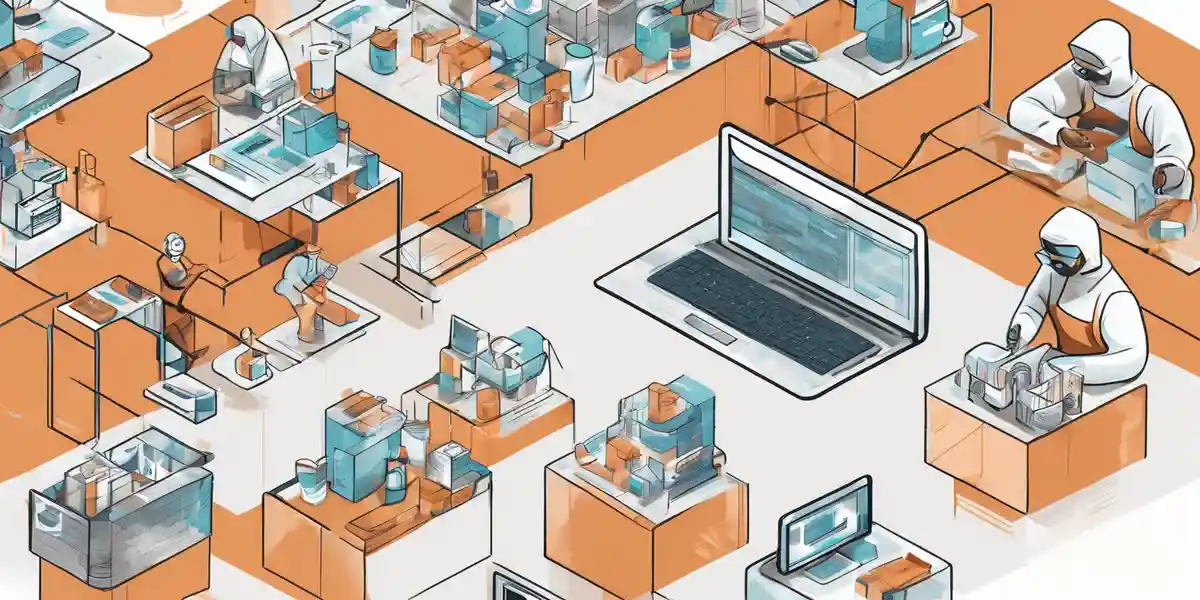
As coffee supply chains become increasingly complex and interconnected, the need for effective data protection becomes critical. With the rise of digital transformation, stakeholders such as farmers, distributors, and retailers must share sensitive information to maintain transparency and traceability. However, this exchange often raises concerns regarding data privacy and the risk of exposing trade secrets. Blockchain technology, known for its secure and transparent nature, presents a viable solution to these issues. By implementing privacy-preserving solutions, businesses within the coffee supply chain can securely manage their data while benefiting from the transparency blockchain provides.
The research paper titled "PrivChain: Provenance and Privacy Preservation in Blockchain enabled Supply Chains" explores a framework called PrivChain, designed specifically to address privacy concerns in supply chain management. One of the key findings from the paper indicates that while blockchain enables superior traceability and transparency, its adoption has been limited due to apprehensions over data privacy. PrivChain aims to mitigate these concerns by allowing organizations to share essential data without revealing sensitive information, such as trade secrets or proprietary processes. For instance, a coffee producer could share production details needed for traceability without disclosing their unique roasting methods, which could give competitors an unfair advantage.
Another significant advancement in securing data along coffee supply chains is presented in the research on "DIDChain: Advancing Supply Chain Data Management with Decentralized Identifiers and Blockchain." This framework leverages decentralized identifiers and blockchain technology to tackle challenges related to trust, traceability, and data management while ensuring the privacy of sensitive information. For example, stakeholders can authenticate their identities and transactions on the blockchain without disclosing their full identity or compromising their trade secrets. This innovative approach not only enhances trust among participants in the coffee supply chain but also protects their competitive information, further promoting the adoption of digital solutions.
As highlighted in the paper "Transparent and Traceable Food Supply Chain Management," transparency within the coffee supply chain is paramount but often hindered by data silos and communication barriers. By implementing blockchain-based systems, all parties involved can track products in real-time, ensuring that every step – from bean cultivation to roasting and distribution – is available for oversight. However, to maintain competitive advantage and protect proprietary information, incorporating privacy-preserving practices is essential. By utilizing blockchain technologies alongside frameworks like PrivChain and DIDChain, stakeholders can share vital information while keeping sensitive data secure, ultimately overcoming challenges associated with transparency without putting their businesses at risk.
In essence, as the coffee industry embraces digital transformation through blockchain, the implementation of privacy-preserving solutions is crucial. These innovations not only enhance data security but also foster an environment where trust and transparency can thrive, paving the way for a more sustainable and equitable coffee supply chain. This balanced approach allows all participants to benefit from the insights gained without jeopardizing their strategic interests, reinforcing the promise of blockchain in securing the future of coffee supply chains.
As we journeyed through the intricacies of coffee supply chains, we discovered how digital transformation, particularly through blockchain technology, is reshaping the entire coffee ecosystem—from bean to cup. The exploration of blockchain’s role highlighted its capacity to enhance transparency and traceability, ensuring that every cup of coffee we enjoy can be traced back to its source. This newfound visibility not only empowers consumers with knowledge about the origins of their coffee but also promotes fair practices among producers, fostering a more equitable industry. Furthermore, the focus on privacy-preserving solutions demonstrates how securing sensitive data can build trust, enhancing relationships across the supply chain.
In taking these insights into account, we see a pivotal shift: digital transformation is not just about integrating technology; it’s about crafting a more sustainable and ethical coffee culture. Key takeaways include the importance of understanding where our coffee comes from, the ethical implications of our choices, and the exciting possibilities for greater innovation in supply chain management. As consumers, we have the power to demand transparency and support practices that prioritize fairness and quality.
As we sip our favorite brews, let’s embrace this new era and advocate for sustainable practices within the coffee industry. By choosing brands that utilize blockchain technology, we can all play a role in shaping a brighter future for coffee—one where every sip tells a story rooted in integrity and innovation. Together, let’s raise our cups to this transformative journey from bean to blockchain!

Get notified about new articles, coffee tips, and Web3 insights.
This site participates in affiliate programs and may earn a commission when a link is clicked and a purchase is made. The site is not responsible for any issues or troubles related to the products or services purchased through the use of this site.
DO&COFFEE loves coffee and technology, exploring the potential of NFTs and blockchain. Learn more →
DO&COFFEE loves coffee and technology, exploring the potential of NFTs and blockchain. Learn more →