crypto
2025/10/20

Have you ever wondered where your morning cup of coffee truly comes from? Beyond the rich aroma and comforting warmth, there's a complex journey that each bean takes from farm to cup. In recent years, a revolution is brewing in the coffee industry, thanks to the advent of blockchain technology and tokenization. As consumers become more conscious of sustainability and ethical sourcing, innovative solutions are developing that promise not just quality, but also transparency.
In this blog post, we will explore how tokenization is reshaping the coffee landscape, enhancing traceability in supply chains, particularly in regions like Colombia—one of the world’s leading coffee producers. We’ll examine how blockchain technology builds trust among consumers and producers alike, creating a more transparent and sustainable coffee economy. Additionally, we'll address the challenges and opportunities that come with implementing these technologies in agro-food supply chains, revealing a glimpse into the future of coffee. Join us as we delve into this exciting convergence of tradition and technology.
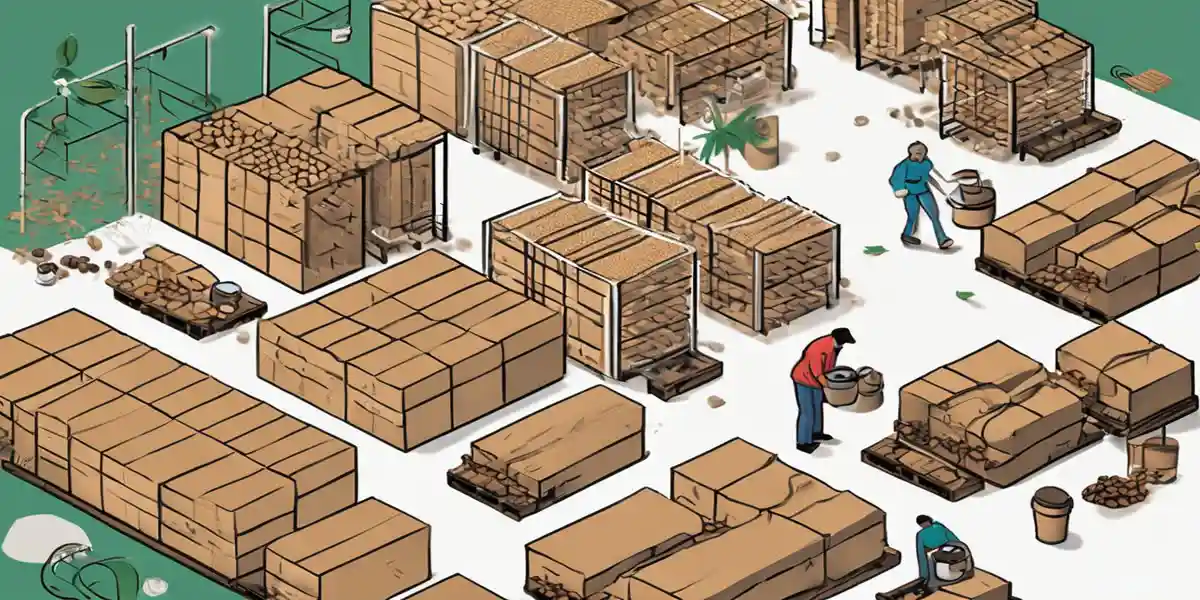
Traceability in the coffee supply chain is essential not just for ensuring quality, but also for building trust among consumers. In Colombia, where coffee is more than just a commodity but a way of life, traceability helps to verify the authenticity of origin, ethical sourcing, and quality standards. However, the traditional coffee supply chain often faces challenges related to transparency and trust. That's where blockchain technology comes into play. By using blockchain, which is a digital ledger system that records transactions across many computers, stakeholders can access and verify the entire history of the coffee from the farm to the final cup.
A recent study titled 'Colombian Origin Coffee Supply Chain Traceability by a Blockchain Implementation' explored the feasibility of using blockchain for enhancing traceability in Colombia's coffee supply chain. The researchers conducted a proof of concept using Hyperledger Fabric, demonstrating that blockchain technology could effectively trace the origin of coffee products. This case study highlighted how farmers, exporters, and consumers could interact with the system to view detailed information about the coffee's journey, including the exact farm it came from, processing methods, and even the environmental conditions of growth. This level of transparency empowers farmers by allowing them to command a fairer price while ensuring consumers are assured of the quality and ethical sourcing of their coffee.
While the potential for blockchain to enhance traceability is promising, it is important to note that the technology is not a comprehensive solution for all challenges in the coffee supply chain. The paper 'Blockchain is not a silver bullet for agro-food supply chain sustainability: Insights from a coffee case study' emphasizes that while blockchain can enhance transparency, it must be integrated with other sustainable practices to address deeper issues in the coffee industry, such as economic viability for farmers and addressing environmental concerns.
Moreover, for blockchain to be effective, all stakeholders in the supply chain must be willing to adopt this technology and collaborate in sharing data. This transition may require training, investment, and a cultural shift within the industry, allowing opportunities for sustainable growth and improved market access for small farmers who often face challenges in reaching consumers directly.
The integration of blockchain technology in the coffee supply chain serves to enhance consumer confidence. When consumers know the entire journey of their coffee, it becomes an emotional purchase that supports not just their own values but also those of the farmers and communities that produce it. This increase in consumer awareness and connection can lead to a more sustainable coffee industry where quantities of coffee with verified origins can command premium prices, benefiting all involved in the supply chain. As Colombian coffee gains visibility on the global stage, blockchain is paving the way for a future where traceability becomes a hallmark of quality and trust.
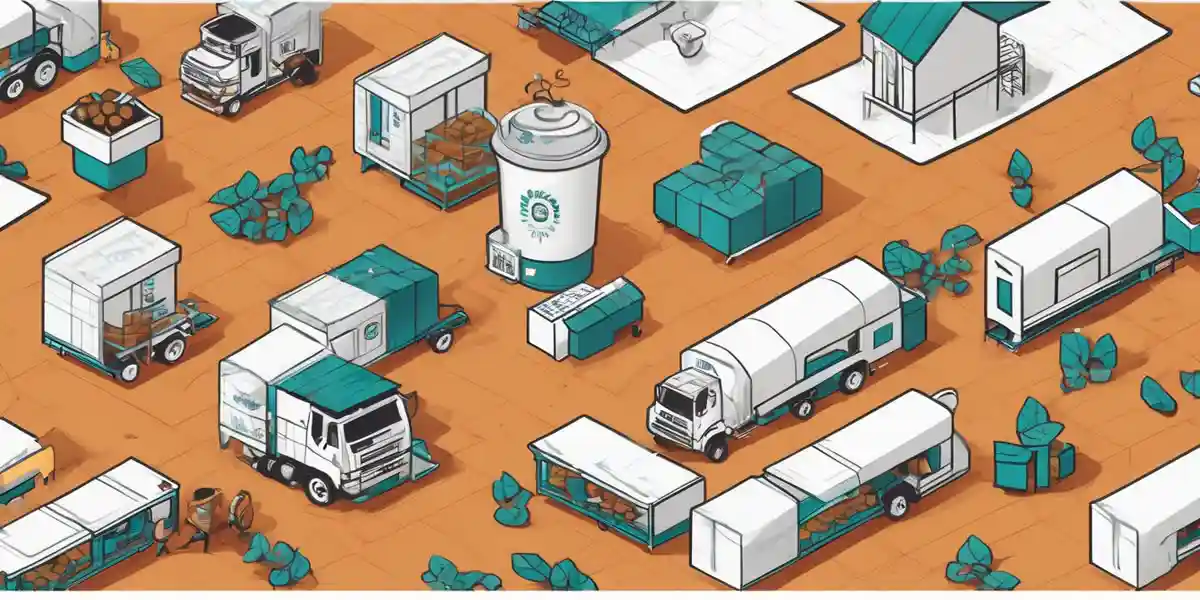
Tokenization, the process of converting rights to an asset into a digital token on a blockchain, is paving the way for transformative changes in the coffee economy. By ensuring transparency and traceability throughout the coffee supply chain, tokenization addresses key issues such as fair pricing for farmers, sustainability practices, and consumer trust.
One of the most compelling benefits of tokenization in the coffee industry is its ability to enhance traceability from farm to cup. The research paper "Colombian Origin Coffee Supply Chain Traceability by a Blockchain Implementation" demonstrates how blockchain technology can efficiently trace the origin of coffee products through a proof-of-concept application involving Hyperledger Fabric. This initiative allows consumers to verify the source of their coffee, ensuring that it meets quality standards and ethical sourcing requirements. For instance, when consumers purchase a bag of coffee, they could scan a QR code that provides them with detailed information about where the beans were grown, how they were harvested, and how they made their way to their local store. This level of transparency helps consumers make informed decisions and fosters a stronger connection between them and the farmers who cultivate the coffee beans.
While tokenization offers promising solutions, it also faces challenges. The paper "Blockchain is not a silver bullet for agro-food supply chain sustainability: Insights from a coffee case study" explores these complexities further. It reveals that while blockchain can significantly improve traceability and transparency in coffee supply chains, it is not a universal fix for all sustainability issues. For example, tokenization can help ensure that coffee farmers receive fair compensation for their labor. By creating a digital token that reflects the real-time price of coffee and connecting it directly with consumers, farmers can bypass exploitative middlemen. This direct linkage can enable farmers to receive a higher share of the retail price. Moreover, consumers interested in sustainable practices can support farmer cooperatives that prioritize eco-friendly growing methods, contributing to environmental sustainability. In addition to fair pricing, tokenization can enhance sustainable practices by incentivizing environmental responsibility. For example, a blockchain system could reward farmers who practice sustainable farming methods with tokens that represent additional value or bonuses, encouraging more sustainable agricultural practices. Overall, tokenization holds the potential to create a more transparent and sustainable coffee economy, where both consumers and producers benefit from a trustworthy system. By bridging the gaps between coffee farmers and consumers, tokenization not only enhances visibility in the supply chain but also fosters a culture of sustainability and equitable trade practices.
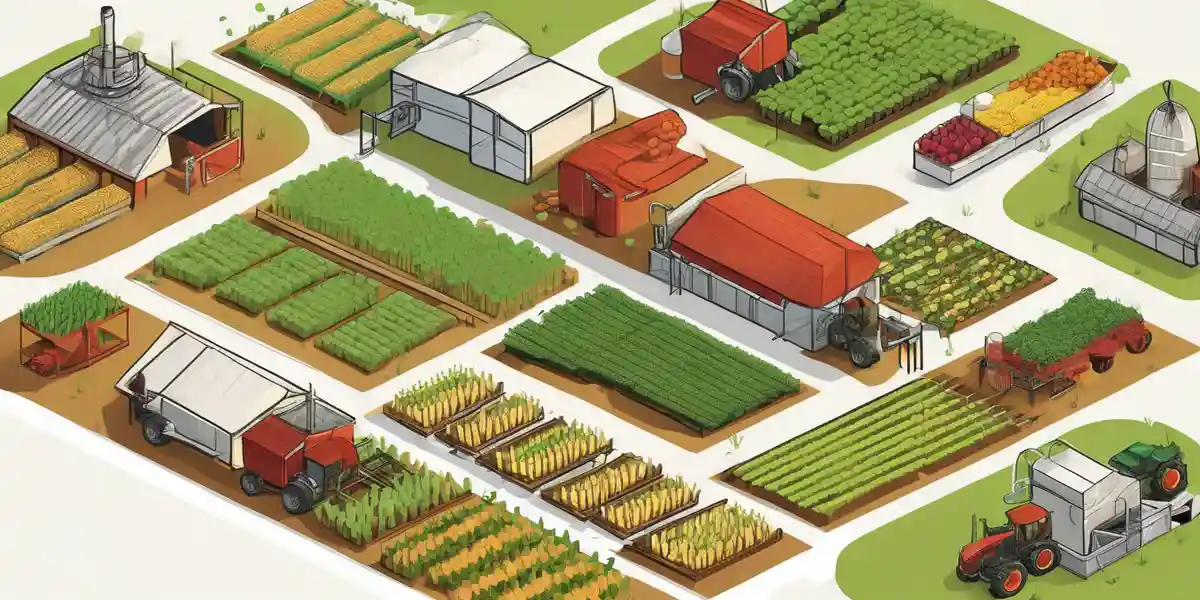
While blockchain technology holds great promise for enhancing the sustainability of the agro-food supply chain, its implementation is not without significant challenges. One of the main hurdles is the complexity involved in integrating blockchain systems with existing agricultural processes. For instance, a study titled 'Colombian Origin Coffee Supply Chain Traceability by a Blockchain Implementation' highlights how researchers successfully implemented a proof of concept using Hyperledger Fabric to trace coffee products. However, the study also indicated that many stakeholders in the supply chain may not have the technical expertise or resources necessary to participate in such advanced digital systems. This lack of digital literacy can lead to resistance or ineffective use of technology, which ultimately hampers the overall objectives of transparency and traceability.
The financial implications of adopting blockchain can also present limitations. Developing and maintaining a blockchain network can be expensive, especially for small-scale coffee producers who may already be operating on thin margins. This was evident in the findings of the research paper 'Blockchain is not a silver bullet for agro-food supply chain sustainability: Insights from a coffee case study,' where the costs associated with initial setup and ongoing maintenance were discussed. For many farmers, the investment might outweigh perceived benefits, particularly if consumer demand for transparency is not strong enough to justify the change. This creates a landscape where only larger entities may capitalize on the advantages of blockchain technology, potentially sidelining smaller producers.
Another challenge lies in data privacy and security. While blockchain offers a transparent and tamper-proof record of transactions, these characteristics also raise concerns about sensitive data exposure. Producers may be wary of sharing detailed operational information that could be beneficial to competitors. Hence, while blockchain could enhance traceability and accountability, it requires careful consideration of what data is shared and how. Addressing these concerns is crucial for fostering trust among stakeholders in the coffee supply chain. Engaging these stakeholders in discussions about data governance and the value of participation can be an opportunity to build a more holistic blockchain approach.
Lastly, when discussing the prospects of blockchain in coffee supply chains, it's important to not view it as a catch-all solution. The study 'Blockchain is not a silver bullet for agro-food supply chain sustainability' emphasizes that while blockchain enhances aspects of traceability, it does not inherently solve deep-rooted sustainability issues, such as economic inequality or environmental challenges. The coffee industry must evaluate long-term impacts and consider blockchain as one component of a comprehensive strategy that includes fair trade practices, better sourcing methods, and environmental stewardship. This holistic approach presents an opportunity for collaboration among various players in the supply chain to create a sustainable coffee future.
In the exploration of how tokenization is reshaping the coffee industry, we have seen how innovative technologies can create a more trustworthy and transparent supply chain. By enhancing traceability in the Colombian coffee supply chain, blockchain allows consumers to know the true origins of their coffee, ensuring that every cup supports ethical practices and local farmers’ livelihoods. Moreover, the integration of tokenization fosters a sustainable coffee economy, offering incentives for producers to engage in greener practices while enabling consumers to make informed choices. However, it's crucial to remain aware of the challenges and limitations that still exist within the blockchain adoption process, especially in regard to scalability and accessibility for all stakeholders.
As we savor our next cup of coffee, we take away the powerful lesson that technology can—and is—making a difference. By embracing these advancements, not only can we support sustainable practices, but we can also pave the way for a more equitable future in the coffee industry. As consumers, let us push for transparency, advocate for ethical sourcing, and stay informed about the remarkable intersection of our daily choices and revolutionary technology. Together, we can truly experience how tokenization is brewing a new future for coffee.

Get notified about new articles, coffee tips, and Web3 insights.
This site participates in affiliate programs and may earn a commission when a link is clicked and a purchase is made. The site is not responsible for any issues or troubles related to the products or services purchased through the use of this site.
DO&COFFEE loves coffee and technology, exploring the potential of NFTs and blockchain. Learn more →
DO&COFFEE loves coffee and technology, exploring the potential of NFTs and blockchain. Learn more →