coffee
2024/09/25

In a world increasingly aware of its environmental footprints, eco-tourism emerges not merely as a travel trend, but as a powerful catalyst for sustainable coffee farming. So, what if your next cup of coffee could do more than just wake you up? This blog post invites you on a journey that connects coffee lovers with the farmers who cultivate their daily brew, transforming a simple tasting into an enriching experience that benefits both the planet and local communities. Imagine wandering through lush coffee plantations nestled in vibrant ecosystems, where every sip embodies the dedication of its stewards.
Through eco-tourism, travelers can delve into the intricacies of sustainable coffee production, learning about vital practices such as shade-grown coffee, organic farming, and fair trade initiatives. By engaging in hands-on experiences—like picking coffee cherries or participating in fermentation processes—tourists not only savor unique flavors but also develop a profound appreciation for the craftsmanship behind each cup. Moreover, eco-tourism promotes direct support for local farmers, ensuring they receive fair wages and sustainable practices that honor their traditions and the environment.
This exploration will highlight how eco-tourism transcends mere travel; it is a movement empowering individuals to contribute toward a sustainable future while celebrating the rich tapestry of coffee culture. As we sip on ethically sourced coffee, we can reflect on our choices, transforming our consumption into an act of environmental stewardship. Join us on this adventure, and discover how every cup can become a step toward brewing meaningful change.
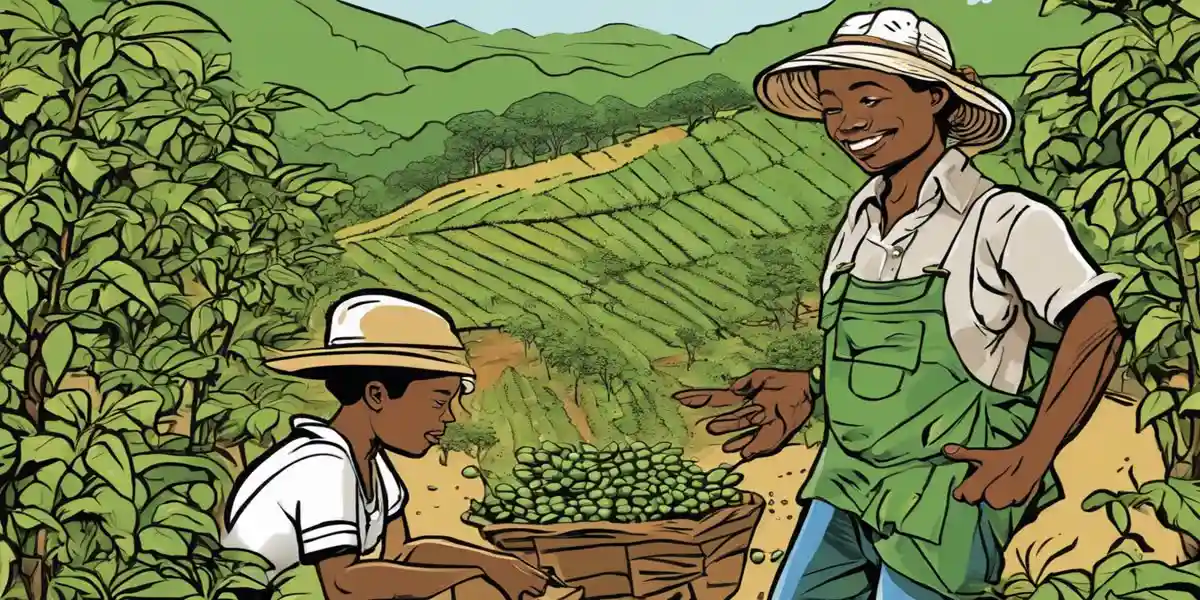
Eco-tourism and sustainable coffee farming represent a powerful partnership that not only enhances the travel experience but also promotes environmental stewardship and social equity. This section delves into the synergistic relationship between eco-tourism and sustainable coffee practices, highlighting how they together create a compelling narrative for conscious travelers and coffee enthusiasts alike.
Eco-tourism is more than just a buzzword; it is a movement rooted in the principles of responsible travel that conserves the environment and improves the well-being of local communities. Unlike conventional tourism, which often leads to environmental degradation, eco-tourism encourages visitors to engage with nature and local cultures in meaningful ways. By focusing on sustainability, eco-tourism helps maintain biodiversity and supports the livelihoods of communities dependent on natural resources.
Coffee is one of the world’s most beloved beverages, and its production is intrinsically connected to the ecosystems in which it thrives. Many coffee farms are located in biodiverse regions, where the cultivation methods can either enhance or detract from the environment. Sustainable coffee practices, such as shade-grown coffee and organic farming, align seamlessly with eco-tourism principles. Shade-grown coffee, for instance, is grown beneath a canopy of trees, supporting biodiversity and improving soil health while producing high-quality beans.
Imagine visiting a coffee plantation where you can pick fresh coffee cherries, learning firsthand about the labor that goes into each cup. This hands-on experience not only deepens your appreciation for coffee but also fosters a direct connection with the farmers who cultivate it. Eco-tourism promotes these interactions, transforming a simple visit into an educational journey about sustainable practices and the challenges faced by coffee producers.
Eco-tourism also plays a crucial role in supporting fair trade initiatives, which are designed to ensure that farmers receive fair wages and work under humane conditions. Research indicates that fair-trade certification has significant impacts on farmer livelihoods, especially in regions like Costa Rica and Rwanda, where small-scale farmers often struggle with market access and price volatility. By participating in eco-tourism, travelers can directly contribute to these initiatives, ensuring that their spending supports equitable labor practices and sustainable production methods.
While eco-tourism presents numerous advantages for sustainable coffee farming, it also comes with its own set of challenges. Many rural farmers face persistent poverty and market barriers that hinder their ability to thrive sustainably. Studies have shown that despite the benefits of fair-trade initiatives, farmers often report limitations that prevent them from fully realizing these advantages. Addressing these challenges requires a holistic approach that combines eco-tourism with effective support systems for local farming communities.
Ultimately, eco-tourism offers a unique opportunity for travelers to not only enjoy the rich flavors of coffee but also to engage with the environmental and social contexts surrounding its production. By understanding these connections, coffee lovers can transform their consumption into a more responsible and enriching experience, contributing to a sustainable future for coffee farming and the planet.
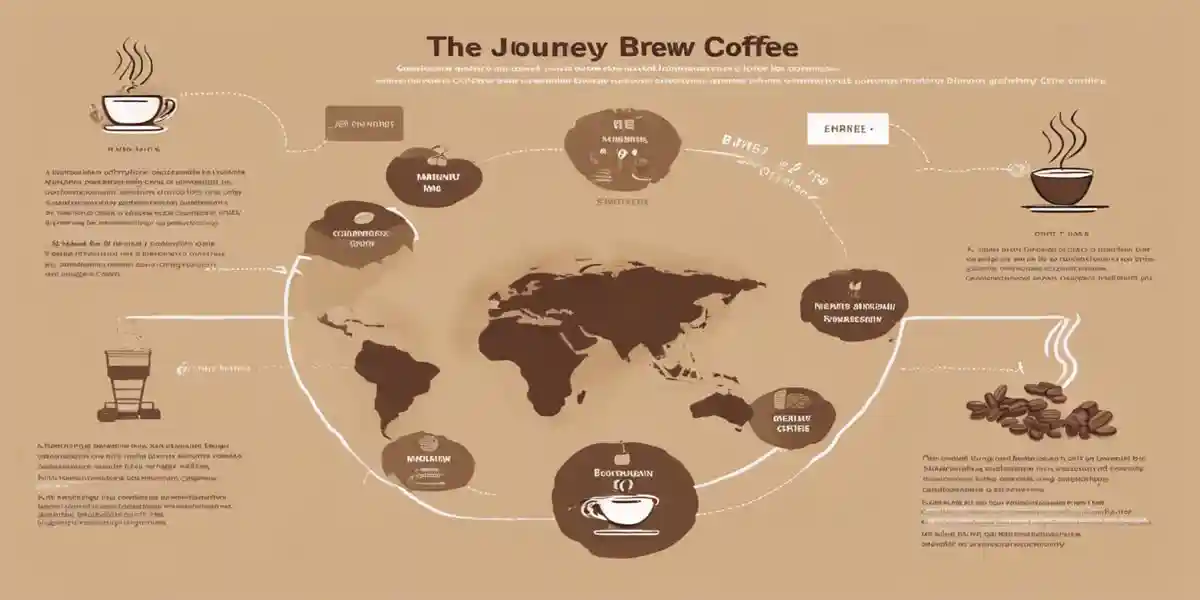
The journey of coffee from bean to brew is not just a process; it's an intricate dance of nature, tradition, and innovation. Each step, from the cultivation of coffee trees to the final sip of your morning brew, tells a story of sustainability, craftsmanship, and the delicate balance of ecosystems. This section will explore this fascinating journey, highlighting the unique aspects that make sustainable coffee production a vital part of our global coffee culture.
The journey begins in the lush, tropical climates where coffee trees thrive. These evergreen trees, native to regions in Africa and now cultivated worldwide, require specific environmental conditions to flourish. Sustainable coffee farming practices, such as shade-grown coffee, play a crucial role in preserving biodiversity. By planting coffee trees under a canopy of native trees, farmers can create a micro-ecosystem that supports various flora and fauna. For instance, in the highlands of Colombia, farmers often integrate coffee cultivation with banana and avocado trees, which not only provide shade but also enhance soil health and increase resilience to pests.
Once the coffee trees bear fruit, the next step is harvesting. This is where the journey becomes more intimate and hands-on. Sustainable coffee farms often employ hand-picking methods, ensuring that only the ripest cherries are selected. This attention to detail is not only crucial for quality but also minimizes waste. In regions like Costa Rica, where farmers practice fair trade, workers are trained to identify the perfect cherries, thus supporting fair labor practices while delivering superior beans. The commitment to ethical treatment of workers is a cornerstone of sustainable coffee practices, fostering a sense of community and responsibility.
After harvesting, the next phase involves processing the coffee cherries. This can be done through two primary methods: wet and dry processing. The wet method, commonly used in regions with ample water supply, involves fermenting the cherries to remove the pulp. This process requires careful monitoring to ensure the beans develop the desired flavor profile. For example, in Rwandan cooperatives, producers have embraced this method to enhance quality while adhering to Fair Trade standards, which ensure fair labor conditions and sustainable practices.
Once processed, the coffee beans must be dried to reduce moisture content, preventing spoilage during transport. Sustainable coffee practices emphasize solar drying or using mechanical dryers powered by renewable energy sources. In Ethiopia, for instance, farmers utilize solar dryers to minimize their carbon footprint while ensuring high-quality beans. After drying, the beans are hulled to remove the outer parchment layer, preparing them for export.
The roasting process is where the magic happens. This stage transforms the green beans into the aromatic brown beans we recognize. Sustainable coffee roasters often source their beans directly from farmers, creating a transparent supply chain that enhances the value for producers while ensuring quality for consumers. Many roasters are now experimenting with different roasting profiles to highlight the unique flavors of single-origin coffees, such as those sourced from the volcanic soils of Guatemala, which impart a distinct taste that reflects the terroir.
Finally, we arrive at brewing—an art in itself. Whether you prefer a classic French press, a pour-over, or an espresso, the brewing method can significantly impact the flavor experience. Sustainable coffee advocates encourage consumers to appreciate the nuances of each cup, often leading to a deeper connection with the farmers who nurtured the beans. In eco-tourism experiences, visitors can participate in brewing workshops, learning how different techniques can bring out the best flavors while reinforcing the importance of ethical sourcing.
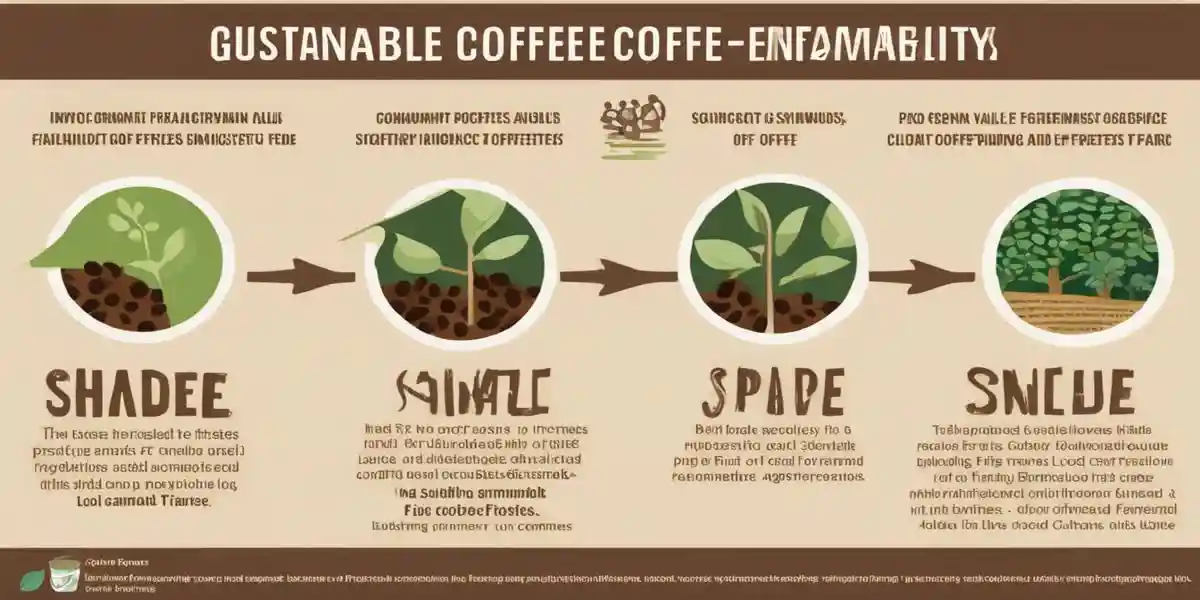
Sustainable coffee practices represent a commitment to producing coffee in a way that is environmentally friendly, socially responsible, and economically viable. This section delves into the various methods and principles that underpin sustainable coffee farming, showcasing how they not only benefit the environment but also support local communities and economies.
One of the most significant sustainable practices in coffee farming is shade-growing. By cultivating coffee plants under a canopy of trees, farmers can create a more biodiverse environment. This method mimics the coffee's natural habitat, promoting ecological balance and providing habitats for various species, including birds and insects that contribute to pest control and pollination.
For example, in regions like Central America, shade-grown coffee has been linked to increased biodiversity and improved soil health. Studies show that farms employing shade-grown techniques can sustain higher levels of flora and fauna. This not only supports biodiversity but also contributes to the resilience of the ecosystem against climate change.
Organic coffee farming is another pillar of sustainable practices, focusing on the use of natural fertilizers and pest control methods instead of synthetic chemicals. This approach reduces the environmental impact of coffee cultivation and often results in healthier soil and plants. Organic certification also opens up new markets for farmers, allowing them to fetch higher prices for their product.
Take, for instance, the organic coffee farms in Ethiopia, where farmers have transitioned from conventional to organic practices. These farmers not only see improved soil quality but also experience a boost in their income due to the premium prices that organic coffee commands in international markets.
Fair trade initiatives emphasize equitable trading relationships between farmers and buyers, ensuring that producers receive a fair price for their coffee. This practice aims to alleviate poverty among coffee farmers in developing countries, providing them with financial stability and the ability to invest in their communities.
A notable example can be seen in Costa Rica, where fair trade cooperatives have been established. These cooperatives ensure that profits are shared among all members, resulting in better living conditions, access to education, and improved health care for their families. However, challenges remain, as highlighted by a recent study that points out that while fair trade improves social and environmental awareness, it still falls short in fully addressing the needs of Latin American farming families.
Agroforestry, which integrates trees and shrubs into coffee farming, is another sustainable practice that enhances environmental health. This system not only helps in carbon sequestration but also improves soil fertility and water retention, ultimately leading to higher-quality coffee.
Research shows that coffee agroecosystems can enhance biodiversity while providing ecosystem services. In Rwanda, for instance, coffee cooperatives that adopt agroforestry practices have reported improved crop yields and healthier ecosystems, demonstrating the economic and ecological benefits of this integrated approach.
Value-based labeling, as discussed by Elizabeth Barham, serves as an ethical alternative to conventional coffee markets. This approach includes labels like Fair Trade, Organic, and geographical indications that not only address environmental degradation but also enhance the welfare of farmers.
In the Buenaventura rural area, the evaluation of these labels reveals that consumers are increasingly interested in the story behind their coffee, which can lead to more sustainable choices. As consumers become more conscious of the impact of their purchases, the demand for sustainably sourced coffee continues to grow.
With climate change posing significant threats to coffee production, sustainable practices that promote resilience are essential. Techniques such as intercropping, crop rotation, and water conservation strategies can help farmers adapt to changing weather patterns and maintain productivity.
In Tanzania, coffee farmers are adopting innovative practices to manage the impacts of climate change. By diversifying their crops and using agroecological methods, these farmers are not only protecting their livelihoods but also contributing to the sustainability of their local environment.
In our exploration of "From Bean to Brew: Discovering Sustainable Coffee Through Eco-Tourism Adventures," we've uncovered a rich tapestry of connections between eco-tourism and sustainable coffee production. From understanding the vital role that eco-tourism plays in enhancing sustainable practices, to witnessing the journey of coffee from the nurturing of beans to the final brewing, each aspect ties back to the greater narrative of environmental stewardship and social equity.
We've seen how sustainable coffee farming methods—such as shade-grown coffee, organic farming, and fair trade initiatives—serve not only the environment but also uplift local communities economically. The importance of direct connections between consumers and coffee producers cannot be overstated; these relationships foster a deeper appreciation for the craftsmanship behind each cup. By participating in eco-tourism, travelers gain firsthand insights into the challenges and triumphs faced by coffee farmers, thus enriching their experience while contributing to sustainable practices.
However, despite the progress made, challenges persist. Many farmers still struggle with poverty and market access, highlighting the need for a multi-faceted approach to support local farming communities. As we conclude this journey, consider this: every time you sip your morning coffee, you have the power to influence the journey behind it. Will you choose to support sustainable practices that benefit both the planet and the people who cultivate it?
As you plan your next coffee adventure, think about how you can make a positive impact through your choices. Whether it's visiting a sustainable coffee farm, opting for fair trade products, or simply engaging with the stories behind your favorite brew, your decisions matter. Let's not just enjoy our coffee—let's ensure it comes from a source that respects the earth and its people.

Get notified about new articles, coffee tips, and Web3 insights.
This site participates in affiliate programs and may earn a commission when a link is clicked and a purchase is made. The site is not responsible for any issues or troubles related to the products or services purchased through the use of this site.

DO&COFFEE loves coffee and technology, exploring the potential of NFTs and blockchain. Learn more →
DO&COFFEE loves coffee and technology, exploring the potential of NFTs and blockchain. Learn more →