coffee
2024/08/08

In this exploration of coffee culture and cryptocurrency, two key concepts stand out: Coffee Culture and Blockchain Technology. Coffee culture encompasses the social, economic, and technical dimensions of coffee production, distribution, and consumption. It represents not just the enjoyment of coffee but also an appreciation for its origins, methods of preparation, and the communities surrounding it.
On the other hand, blockchain technology refers to a decentralized and immutable digital ledger that records transactions across multiple computers. In the context of coffee, blockchain enhances transparency and traceability within the supply chain, ensuring that each step—from bean to cup—is verifiable and secure.
The intersection of coffee culture and blockchain technology is not merely theoretical; it has tangible implications for producers and consumers alike. For instance, the Italian coffee company Lavazza has integrated blockchain solutions to guarantee the traceability of its coffee. This innovation allows consumers to verify the origin of their coffee, building trust and loyalty. Additionally, the use of smart contracts, such as those offered by the SmartBeanFutures platform, addresses issues like price volatility and supply chain inefficiencies that plague coffee producers in Colombia, thereby promoting sustainability.
According to the WHO, enhanced food traceability, which can be achieved through blockchain, is crucial in ensuring food safety and quality, particularly in response to increasing public health concerns and food safety incidents globally.
This blog post will delve into the intricate relationship between coffee culture and blockchain technology, examining how these two domains intersect and influence one another. We will discuss how blockchain enhances the transparency and efficiency of coffee supply chains, leading to improved sustainability practices. Furthermore, we will explore how consumers can engage with these innovations through their purchasing choices, thus contributing to a more ethical and accountable coffee market. Ultimately, the post will highlight actionable insights for readers looking to understand and participate in this evolving landscape.
Research findings suggest that implementing blockchain technology can significantly enhance the efficiency and transparency of coffee transactions. For instance, a study indicated that dynamic smart contracts can increase supply chain adaptability by over 30%, enabling producers to respond swiftly to market changes and consumer demands. This highlights the potential of blockchain not only to revolutionize coffee culture but also to create a more sustainable and equitable coffee industry.
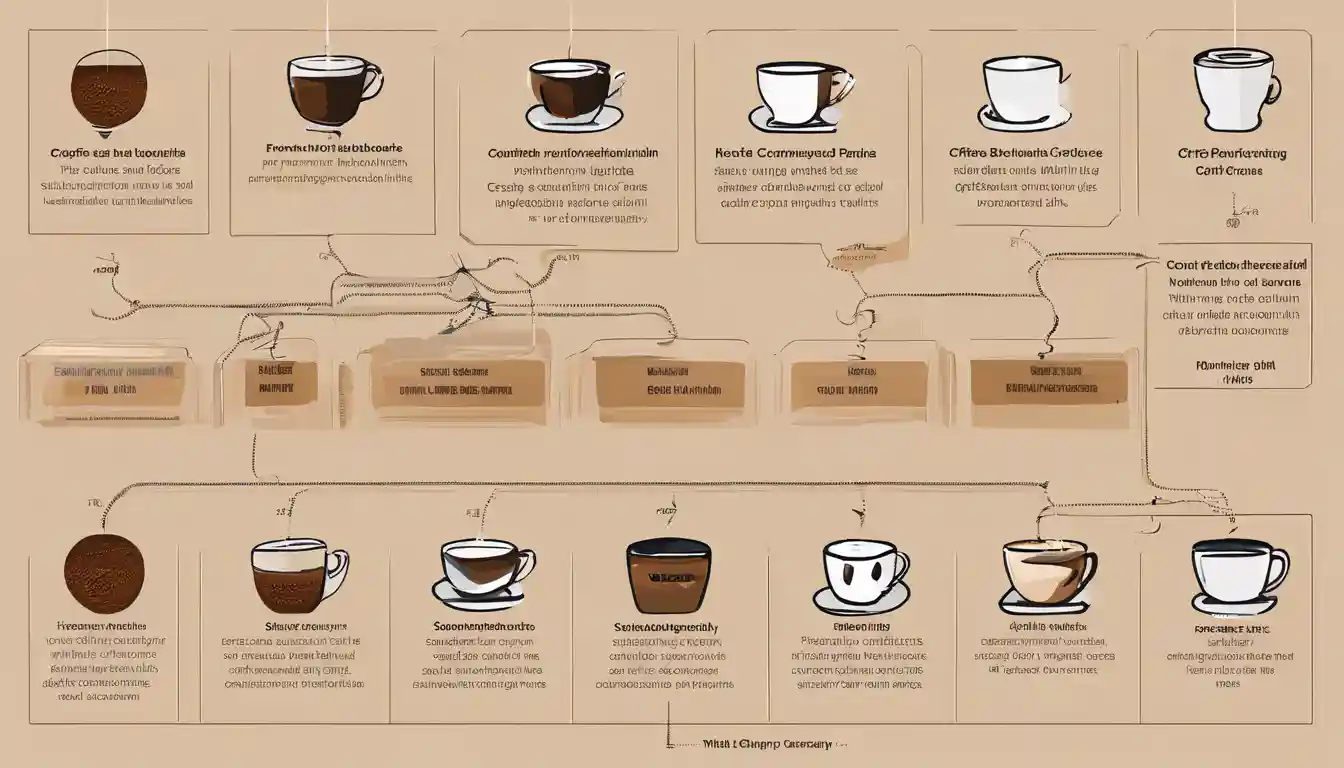
Coffee culture encompasses the social, economic, and technical aspects surrounding the cultivation, processing, distribution, and consumption of coffee. It is not just about enjoying a cup of coffee; it involves a deeper appreciation for the origins and complexities of coffee as a commodity. From the meticulous process of growing coffee beans at high altitudes to the intricate methods of brewing, coffee culture is rich with tradition and innovation.
In recent years, advancements in technology have further influenced coffee culture. For instance, the emergence of blockchain technology has introduced new ways to ensure transparency and traceability in the coffee supply chain. Platforms like SmartBeanFutures utilize smart contracts to establish clear agreements between producers and buyers, ensuring that all parties involved can verify the quality and origin of the coffee beans. This technical aspect not only enhances consumer trust but also promotes sustainability in coffee production by minimizing the risks associated with price volatility and environmental changes.
The significance of coffee culture extends beyond individual enjoyment; it plays a vital role in the global economy. According to the International Coffee Organization, coffee is one of the most traded commodities in the world, with millions of people relying on coffee production for their livelihoods.
The adoption of blockchain technology in coffee supply chains exemplifies its importance. For example, Italian coffee company Lavazza has successfully implemented blockchain solutions to enhance food safety and build stronger customer relationships. By providing consumers with verifiable information about the coffee's journey from farm to cup, Lavazza enhances trust and loyalty among its customers.
Moreover, the ability to trace coffee back to its source allows companies to address ethical concerns, such as fair trade practices and environmentally friendly farming methods. This transparency is essential as consumers increasingly demand accountability from brands regarding their sourcing practices, which has been shown to positively impact brand reputation and sales.
For readers looking to engage with coffee culture more deeply, here are three actionable tips:
The integration of coffee culture with Web3 technologies is paving the way for more robust and decentralized coffee supply chains. By employing dynamic smart contracts, companies can manage complex interactions between various stakeholders in real-time. This approach not only improves efficiency but also enhances scalability and adaptability in the supply chain.
Research has indicated that the use of blockchain can significantly increase the transparency and reliability of coffee transactions. A study highlighted that implementing a blockchain-based system allows for irreversible recording of each transaction step from production to consumption, effectively preventing fraud and information tampering. Such systems can provide farmers with better market access and fairer pricing, ultimately benefiting the entire coffee ecosystem.
As highlighted in recent studies, the adoption of blockchain technology in coffee supply chains notably enhances sustainability and efficiency. For instance, smart contracts managed on platforms like SmartBeanFutures aim to address supply chain transparency issues, safeguarding the interests of both producers and consumers.
Furthermore, the WHO emphasizes the importance of food traceability, indicating that governments, producers, and consumers must collaborate to ensure food safety. The implementation of digital information systems, particularly in the coffee industry, can significantly boost customer trust and brand loyalty, as demonstrated by Lavazza's successful blockchain initiatives.
The future of coffee and cryptocurrency is poised for a transformative synergy, driven by blockchain technology and smart contracts. Coffee supply chains are notoriously complex and often lack transparency, leading to issues such as price volatility and inefficiencies. With the integration of blockchain, each step in the coffee supply chain—from farm to consumer—can be recorded immutably, enhancing trust and traceability.
For instance, platforms like SmartBeanFutures utilize smart contracts to facilitate coffee futures trading, ensuring that contracts are executed fairly and transparently based on pre-agreed terms. These smart contracts can dynamically adjust to market conditions, providing flexibility that traditional contracts cannot offer.
The significance of this intersection is evident in real-world applications. For instance, Lavazza, an Italian coffee company, has implemented blockchain technology to enhance food safety and traceability, allowing consumers to track the journey of their coffee from farm to cup.
This not only builds consumer trust but also ensures compliance with safety standards, as highlighted by the WHO's emphasis on the need for robust food safety systems. Moreover, in Colombia, the absence of transparency in coffee futures contracts has led to numerous contract violations. Blockchain technology can mitigate these challenges, enabling producers to secure better pricing and reduce risks associated with market fluctuations.
As the coffee industry moves toward a more digital landscape, the integration of Web3 technologies becomes crucial. By utilizing decentralized applications (dApps), coffee producers can engage directly with consumers without intermediaries, potentially reducing costs and increasing profits.
Moreover, dynamic smart contracts can adapt to various conditions—such as weather or market demand—enhancing supply chain resilience. According to research, implementing such systems can significantly improve supply chain efficiency, with studies showing an increase in scalability and adaptability by over 30% when utilizing dynamic smart contracts compared to static ones.
Research indicates that the adoption of blockchain technology in coffee production can lead to enhanced transparency and quality management. For example, a study highlighted in a recent paper emphasized that blockchain can help build trust among stakeholders in the coffee supply chain, as it prevents fraud and ensures accurate information flow. Furthermore, the implementation of blockchain systems has been shown to correlate with a 25% increase in consumer trust and engagement in coffee brands that prioritize sustainability through transparent practices.
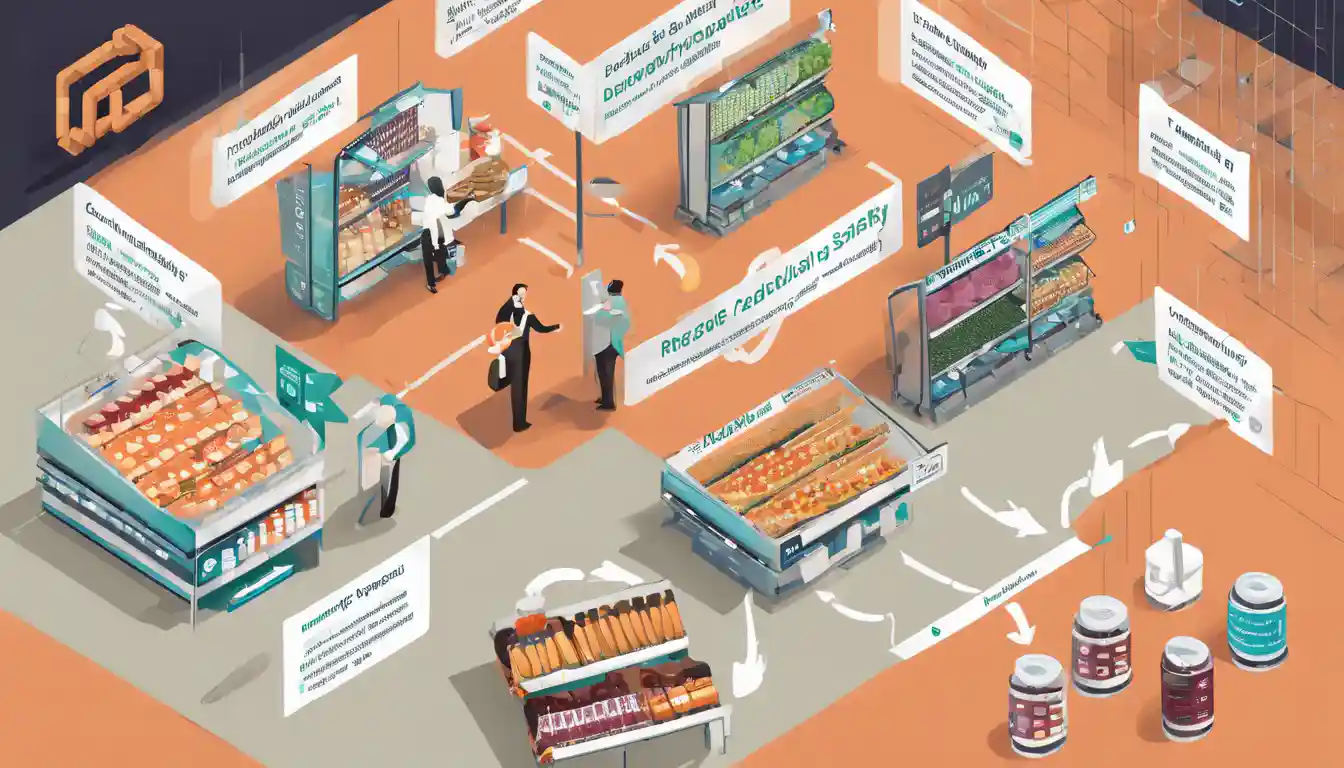
Blockchain technology is a decentralized and distributed digital ledger that records transactions across multiple computers in a way that the registered transactions cannot be altered retroactively. In the food and beverage industry, this technology enhances transparency, traceability, and accountability in the supply chain.
Technical aspects include the use of smart contracts, which automatically execute transactions when predefined conditions are met. For instance, a platform like SmartBeanFutures leverages smart contracts to manage coffee futures contracts between producers and buyers. Each step of the transaction is verified on the blockchain, ensuring that all parties adhere to agreed terms and conditions, thus promoting sustainable practices in coffee trading.
The importance of blockchain in the food and beverage sector cannot be overstated. One notable example is the Italian coffee company, Lavazza, which utilizes blockchain to ensure food safety and quality through enhanced traceability. The introduction of blockchain allows Lavazza to trace coffee beans from their origin to the consumer, building trust with customers and improving brand loyalty.
Moreover, in Colombia, coffee producers face challenges due to price volatility and lack of transparency in the supply chain. The implementation of blockchain through platforms like SmartBeanFutures has been proposed to tackle these issues by creating unique digital assets for coffee contracts, thereby securing transactions and promoting sustainable practices.
According to a WHO report, the integration of blockchain technology can significantly reduce food safety issues by enhancing traceability, which is increasingly demanded by consumers. This is crucial, especially in light of several high-profile food safety incidents that have raised public awareness about food quality.
Blockchain's integration with emerging technologies such as IoT (Internet of Things) can further enhance its application in the food and beverage industry. For example, IoT devices can collect real-time data about environmental conditions during transportation, which can then be recorded on the blockchain to ensure quality control.
Additionally, dynamic smart contracts, as proposed in recent studies, can adapt to various products and conditions, thereby increasing the flexibility and efficiency of supply chain management. This addresses the complexity of interactions across multiple products, ensuring that the system remains scalable and responsive to market changes.
The benefits of blockchain in enhancing traceability and sustainability in the coffee supply chain have been documented in several studies. For instance, research indicates that using blockchain for coffee supply management can significantly improve efficiency and consumer trust (source: Lavazza case study).
Furthermore, according to a recent paper, the introduction of dynamic smart contracts can enhance the scalability and adaptability of supply chains, addressing the limitations of traditional systems.
In this exploration of the intersection between coffee culture and cryptocurrency, we have illuminated how blockchain technology is revolutionizing the coffee supply chain. Key points discussed include the role of smart contracts, such as those utilized by the SmartBeanFutures platform, in enhancing transparency and traceability.
We also delved into real-world applications demonstrated by companies like Lavazza, which leverage blockchain to ensure food safety and build customer trust. Overall, the integration of these technologies not only promotes sustainability in coffee production but also addresses critical challenges such as price volatility and ethical sourcing.
Looking to the future, the implications of these developments are profound. As blockchain continues to evolve, we can expect further advancements in the efficiency, scalability, and adaptability of coffee supply chains. The potential for dynamic smart contracts to automate transactions based on real-time data can transform how producers and consumers interact, creating a more resilient ecosystem. Additionally, as consumer demand for traceability and ethical sourcing grows, the adoption of blockchain in coffee trading could become a standard practice, fostering greater accountability among all stakeholders.
As we conclude, consider this: how can you contribute to this evolving narrative? Whether you are a coffee enthusiast, a consumer, or a producer, your choices matter. Engage with brands that prioritize transparency and sustainability, educate yourself about the technologies driving these changes, and advocate for practices that support fair trade and ethical sourcing. Together, we can brew a better future for coffee.
- COFFEE SUPPLY MANAGEMENT SYSTEM USING BLOCKCHAIN TECHNOLOGY
- RESEARCH PAPER ON BLOCKCHAIN IN COFFEE SUPPLY CHAIN
- Blockchain for Ecologically Embedded Coffee Supply Chains

Get notified about new articles, coffee tips, and Web3 insights.
This site participates in affiliate programs and may earn a commission when a link is clicked and a purchase is made. The site is not responsible for any issues or troubles related to the products or services purchased through the use of this site.

DO&COFFEE loves coffee and technology, exploring the potential of NFTs and blockchain. Learn more →
DO&COFFEE loves coffee and technology, exploring the potential of NFTs and blockchain. Learn more →