art
2024/08/08
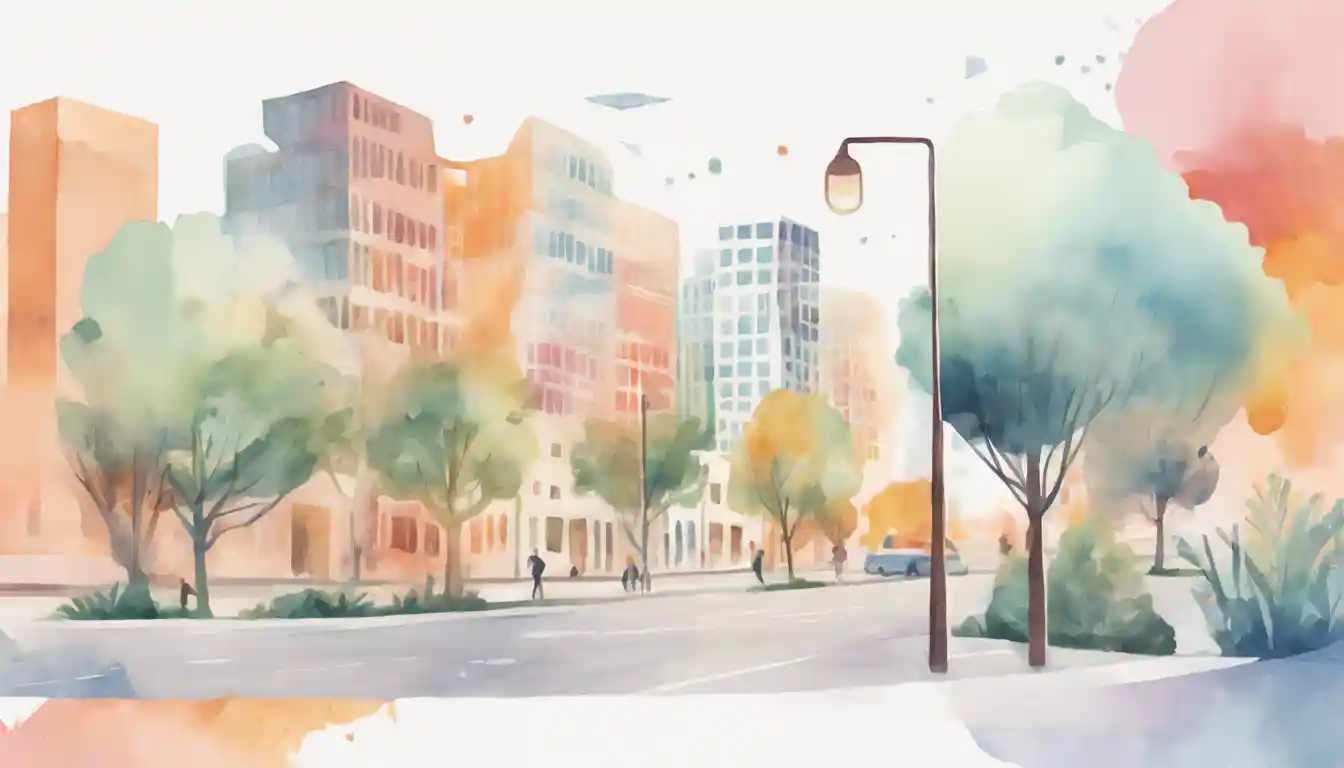
In recent years, the intersection of technology and art has opened up new avenues for creativity and community engagement, particularly through the emergence of Web3. But what exactly does this mean for public art? Public art refers to artworks that are accessible to the public and often situated in communal spaces, intended to engage and provoke thought among viewers. Web3, on the other hand, represents the next evolution of the internet, characterized by decentralized technologies such as blockchain, which allow for peer-to-peer interactions without the need for intermediaries.
At the heart of this transformation are smart contracts—self-executing agreements with the terms directly written into code—enabling artists to automate transactions and enforce royalties, thus securing their rights and income over time.
The importance of this topic cannot be overstated. As we witness a shift towards digital and decentralized platforms, public art can now harness these innovations to foster deeper community ties. For instance, consider the success of NFT projects like Art Blocks, which allows artists to collaborate with their audiences.
In Q3 of 2021, the NFT market generated a staggering $10.7 billion in sales, demonstrating the appetite for digital ownership and engagement in the art world. This surge indicates a significant shift in how art is created, consumed, and valued, offering unprecedented opportunities for community involvement and artist empowerment.
This blog post will explore how public art can leverage the capabilities of Web3 and smart contracts to enhance community engagement. We will discuss how decentralized platforms can facilitate collaborative creation, the role of smart contracts in ensuring fair compensation for artists, and the potential for these technologies to reshape the public art landscape. By understanding these interconnected ideas, we can envision a future where community-driven art projects thrive in a decentralized ecosystem, fostering creativity and connection in public spaces.
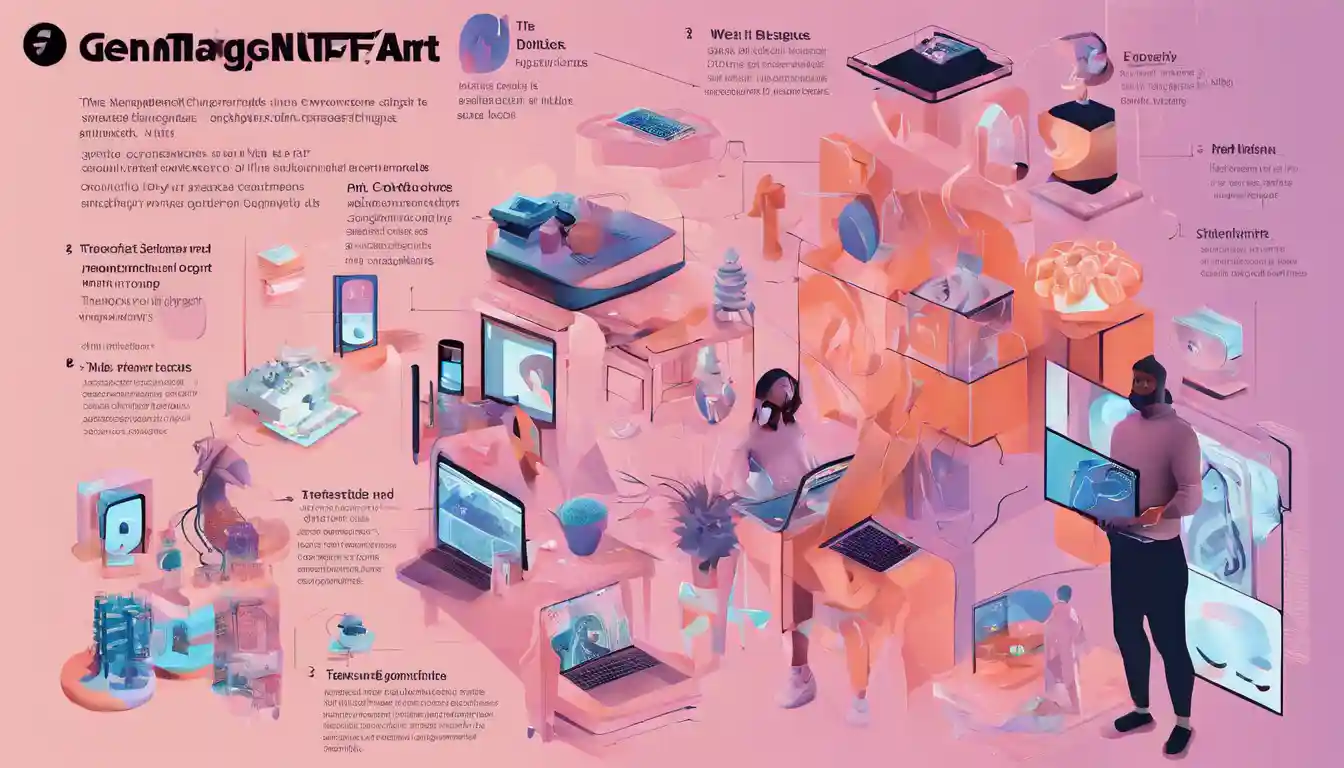
Digital art is an umbrella term that encompasses a wide range of artistic practices that utilize digital technology as an essential part of the creative or presentation process. This form of art can include everything from digital painting and 3D modeling to generative art and interactive installations. Technically, digital art is created using software tools such as Adobe Photoshop, Illustrator, Blender, and various coding languages for generative art, like Processing or p5.js.
One of the primary technical aspects of digital art is the use of raster and vector graphics. Raster graphics are composed of pixels and are typically used for detailed images like photographs, while vector graphics use mathematical equations to create shapes and are ideal for illustrations and logos. Additionally, digital art can be enhanced using techniques like layering, blending, and applying filters, which allow artists to achieve complex visual effects.
The importance of digital art cannot be overstated, especially in our increasingly digital world. It plays a crucial role in various domains including entertainment, marketing, and education. For instance, the rise of virtual reality (VR) and augmented reality (AR) has transformed the way we experience art. Artists like Refik Anadol are utilizing AI and data visualization to create immersive installations that engage audiences in novel ways.
Furthermore, digital art has democratized the art world. Platforms like Instagram and DeviantArt allow artists to share their work widely, gaining recognition and building communities without traditional gatekeeping. The success of Beeple, who sold a digital artwork for $69 million at Christie’s, exemplifies how digital art has moved into mainstream culture and commerce.
In the context of Web3, digital art is evolving through blockchain technology, which allows artists to create and sell their work as NFTs. Smart contracts are self-executing contracts with the terms of the agreement directly written into code. This means that artists can set specific conditions for their work, like automatic royalties from secondary sales.
Moreover, decentralized platforms like OpenSea and Rarible provide artists with the ability to showcase and sell their digital works directly to consumers without intermediaries. According to a report by DappRadar, the NFT market generated over $10 billion in sales in Q3 2021 alone, showcasing the explosive growth and interest in digital art within the blockchain ecosystem.
Research indicates that decentralized systems not only enhance data privacy but also empower artists by offering them more control over their works and profits. The development of decentralized federated learning (DFL) could further improve this landscape by addressing issues of data privacy while allowing multiple devices to collaborate in training models for art generation.
As the art world continues to embrace digital mediums and blockchain technology, understanding these dynamics becomes crucial for artists and enthusiasts alike.
Decentralized Art, often referred to as DeArt, leverages blockchain technology to allow artists to create, distribute, and sell their works without relying on traditional centralized platforms. This paradigm shift is made possible through smart contracts, which are self-executing contracts with the terms of the agreement directly written into code. Artists can tokenize their artwork into non-fungible tokens (NFTs), ensuring authenticity and ownership while enabling fractional ownership and collaborative art projects.
Technically, Decentralized Art operates on various blockchain platforms, primarily Ethereum, which supports the ERC-721 and ERC-1155 token standards for NFTs. Each piece of art is linked to a unique cryptographic hash on the blockchain, making it immutable and traceable. This ensures that artists receive royalties automatically through smart contracts each time their work is resold, addressing long-standing issues of copyright and fair compensation in the art world.
Decentralized Art is significant for several reasons:
If you're looking to engage with Decentralized Art, consider the following actionable steps:
Decentralized Art is intricately linked to Web3 technologies, which promote a user-centric internet experience. By utilizing decentralized storage solutions like IPFS (InterPlanetary File System), artists can ensure their works are not only securely stored but also accessible without censorship.
Furthermore, the implementation of decentralized federated learning (DFL) principles can enhance collaborative art projects by allowing multiple users to contribute to the creation of machine learning models that generate art while protecting data privacy and ownership.
The future of Decentralized Art is bright, with potential growth in areas such as virtual reality art galleries and augmented reality experiences that can enrich the audience's interaction with art.
According to a report by NonFungible.com, the NFT market saw a staggering $10.7 billion in sales in the third quarter of 2021 alone, underscoring the rapid growth and acceptance of decentralized art.
Furthermore, a survey by ArtTactic found that 70% of contemporary artists are considering or already creating NFTs, signaling a shift in how art is produced and consumed.
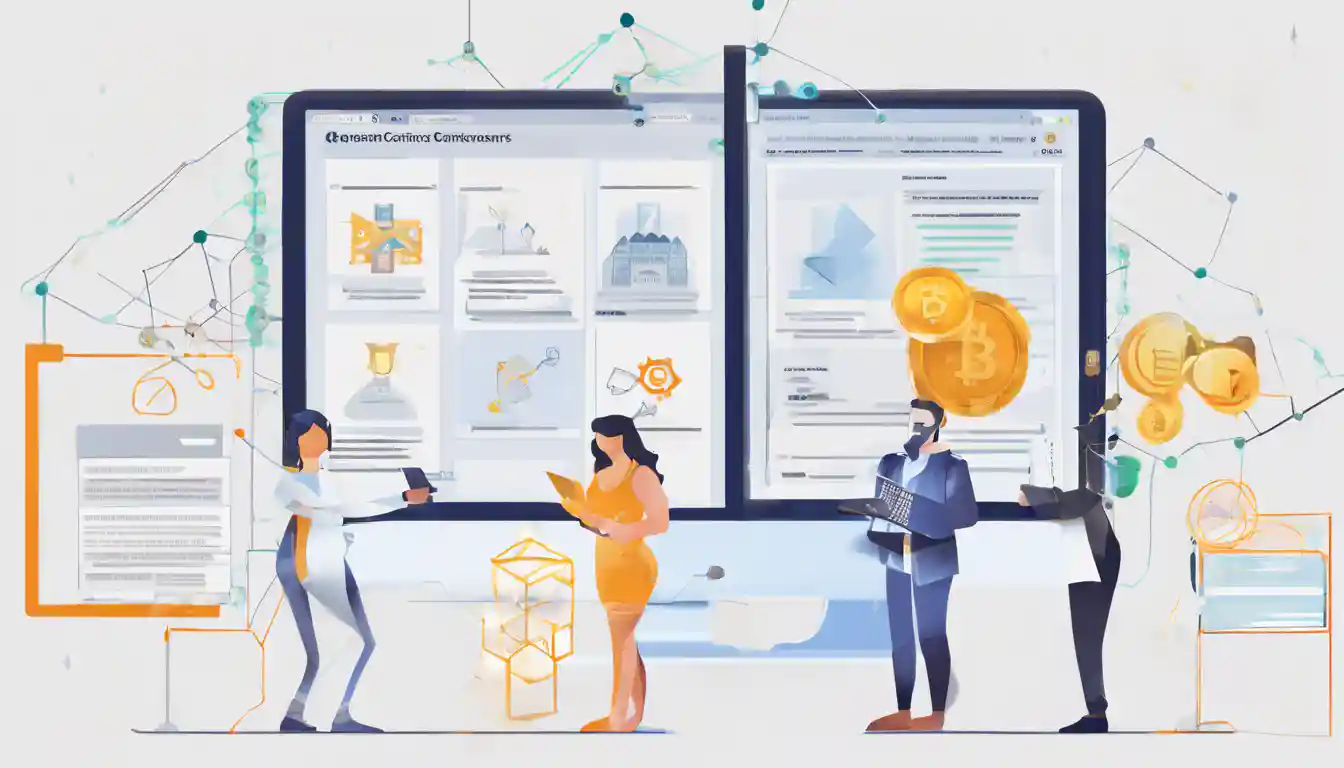
Smart contracts are self-executing contracts with the terms of the agreement directly written into code. They operate on blockchain technology, ensuring that the contract is immutable and transparent. When certain predefined conditions are met, the smart contract automatically executes the terms without the need for intermediaries. This automation reduces the risk of fraud and ensures trust among parties.
Technically, smart contracts are composed of code that runs on decentralized platforms, most notably Ethereum. They utilize a programming language called Solidity, which allows developers to define conditions and outcomes. Once deployed on the blockchain, the smart contract cannot be altered or deleted, ensuring that all parties adhere to the agreed terms. For example, a smart contract can be set to release funds only when a specific artwork is verified as delivered, thus protecting both the artist and the buyer.
The impact of smart contracts extends beyond simple transactions; they are pivotal in enhancing transparency and efficiency across various industries. For instance, in real estate, smart contracts can simplify property transactions by automatically transferring ownership once payment is confirmed. According to a report by the World Economic Forum, up to 10% of global GDP could be stored on blockchain by 2027, highlighting the potential for smart contracts to revolutionize traditional business processes.
A notable example is the use of smart contracts in the art world. Artists like Pak have utilized smart contracts to sell digital artworks as NFTs (Non-Fungible Tokens), ensuring that royalties are automatically distributed every time their art is resold. This not only empowers artists financially but also fosters a direct connection between artists and their audience, enhancing community engagement.
Here are three actionable tips for engaging with smart contracts in the realm of public art:
Smart contracts are often built on decentralized applications (dApps), allowing for broader integration with Web3 technologies. For example, decentralized finance (DeFi) platforms utilize smart contracts to facilitate lending, borrowing, and trading without traditional banks. As noted in recent studies, the decentralized nature of these applications enhances data privacy and security by eliminating central points of failure, a critical factor in community-driven projects like public art initiatives.
1. World Economic Forum. (2020). The Future of Blockchain: Global Financial Services. Retrieved from [WEF](https://www.weforum.org/).
2. Ethereum Foundation. (2021). Smart Contracts: A Technical Overview. Retrieved from [Ethereum](https://ethereum.org/en/developers/docs/smart-contracts/).
In this blog post, we explored the transformative role of public art in the era of Web3, focusing on how smart contracts can unlock community engagement. We discussed how digital and decentralized art creates new opportunities for artists to connect directly with their audience, bypassing traditional intermediaries. Key takeaways include the empowerment of artists through blockchain technology, the significance of NFTs for ownership and royalties, and the potential for community collaboration through projects like Art Blocks.
Looking ahead, the implications of integrating smart contracts into public art practices are profound. As artists and communities embrace these technologies, we can expect a surge in interactive and immersive art experiences driven by audience participation. Furthermore, advancements in decentralized federated learning (DFL) may pave the way for even more innovative collaborations, enhancing both privacy and creativity.
As we stand on the brink of this new frontier, consider how you can engage with public art in your community. Whether as an artist, a collector, or simply a curious observer, your participation can shape the future of art in the digital age. Are you ready to unlock the potential of art through technology?
- Decentralized Federated Learning: A Survey and Perspective
- DSGD-CECA: Decentralized SGD with Communication-Optimal Exact Consensus Algorithm
- Cross-Agent Relocalization for Decentralized Collaborative SLAM
- GossipFL: A Decentralized Federated Learning Framework With Sparsified and Adaptive Communication
- Decentralized Federated Learning for Agricultural Plant Diseases Identification on Edge Devices
Get notified about new articles, coffee tips, and Web3 insights.
This site participates in affiliate programs and may earn a commission when a link is clicked and a purchase is made. The site is not responsible for any issues or troubles related to the products or services purchased through the use of this site.

DO&COFFEE loves coffee and technology, exploring the potential of NFTs and blockchain. Learn more →
DO&COFFEE loves coffee and technology, exploring the potential of NFTs and blockchain. Learn more →