art
2024/08/07
In recent years, the rise of Non-Fungible Tokens (NFTs) has sparked a revolution in the art world, offering artists and collectors unprecedented opportunities to engage with digital art. An NFT is a unique digital asset that represents ownership of a specific item or piece of content on a blockchain, most commonly Ethereum. Unlike traditional cryptocurrencies such as Bitcoin, which are interchangeable (fungible), NFTs are one-of-a-kind and cannot be exchanged on a one-to-one basis. This uniqueness is what makes NFTs particularly valuable, especially in the realm of digital art, where authenticity and ownership have historically been challenging to establish.
The importance of NFTs in the art market cannot be overstated. For instance, the digital artist Beeple made headlines when his NFT artwork "Everydays: The First 5000 Days" sold for an astonishing $69 million at a Christie's auction in March 2021. This landmark sale not only showcased the financial potential of NFTs but also highlighted a shifting paradigm in how art is bought, sold, and valued in the digital age. Furthermore, NFT marketplaces like OpenSea and Rarible have empowered artists to connect directly with collectors, bypassing traditional intermediaries and allowing them to retain a larger share of their earnings.
This blog post will explore the interplay between NFTs and the art world, examining how decentralized technologies are reshaping ownership, investment, and creative expression. Key ideas include the technical foundations of NFTs, their applications across various art forms, and the broader implications for both artists and collectors. By leveraging blockchain technology, NFTs ensure transparency and security, addressing longstanding issues of forgery and provenance in the art industry. According to a report by NonFungible.com, the NFT market experienced a staggering 299% growth in 2021, illustrating its rapid ascent and the burgeoning interest it has generated among artists, collectors, and investors alike.
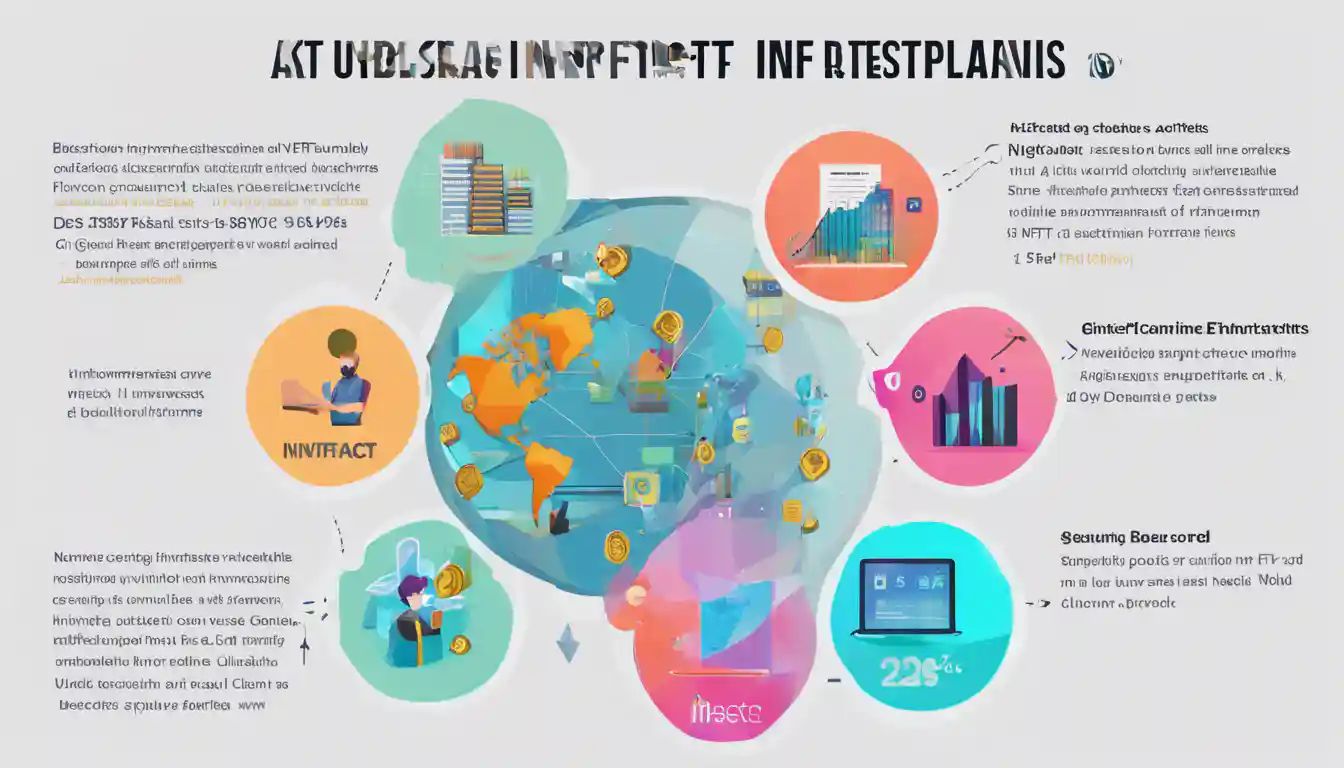
Non-fungible tokens (NFTs) represent unique digital assets that are secured on a blockchain, typically Ethereum. Unlike cryptocurrencies such as Bitcoin or Ethereum, which are fungible and can be exchanged for one another, NFTs are distinct and cannot be replaced or exchanged on a one-to-one basis. Essentially, each NFT has its own metadata and characteristics that set it apart from other tokens.
The technical backbone of NFTs relies on smart contracts—self-executing contracts with the terms of the agreement directly written into code. This enables the creation of decentralized NFT marketplaces where artists and collectors can transact directly, enhancing transparency and security. Research indicates that such decentralized platforms address the shortcomings of traditional, centralized NFT platforms, like high fees and lack of artist control (source: study on decentralized NFT marketplaces).
NFT investments have emerged as a revolutionary force in the art world, enabling artists to monetize their digital creations in unprecedented ways. For instance, the digital artist Beeple sold an NFT artwork for $69 million at Christie’s auction house, showcasing the potential for NFTs to create significant financial opportunities for creators. Additionally, platforms like OpenSea and Rarible have become popular venues for collectors to buy and sell NFTs, significantly altering the dynamics of art ownership and investment.
Beyond art, NFTs are finding applications in gaming, where they enable players to own in-game assets, and in music, providing artists with new revenue streams through unique album releases. The integration of NFTs in these sectors showcases their versatility and importance in the broader digital economy.
If you're considering diving into NFT investments, here are three actionable tips:
In the context of Web3, NFT investments leverage blockchain technology to provide a decentralized and transparent means of ownership. This technology ensures that every transaction is recorded on the blockchain, making it virtually impossible to forge or manipulate ownership records. Furthermore, the emergence of decentralized autonomous organizations (DAOs) allows NFT holders to participate in community governance, enabling them to influence the direction of projects they invest in.
The integration of AI-driven sentiment analysis in NFT marketplaces can also provide insights into market trends and investor behavior, enhancing decision-making processes for investors.
According to a report by NonFungible.com, the NFT market saw a staggering growth of 299% in 2021, further highlighting its burgeoning importance in the digital economy. Additionally, a study indicated that 90% of NFT creators reported feeling more empowered and financially stable through direct sales facilitated by blockchain technology.
The NFT Art Market represents a groundbreaking intersection of digital art and blockchain technology. At its core, an NFT (Non-Fungible Token) is a unique digital asset that exists on a blockchain, giving it verifiable ownership and authenticity. Unlike cryptocurrencies like Bitcoin, which are interchangeable, NFTs are one-of-a-kind and cannot be replaced or exchanged on a one-to-one basis.
The technical backbone of the NFT market relies heavily on blockchain platforms, predominantly Ethereum, where smart contracts facilitate the creation and transfer of NFTs. These smart contracts are self-executing agreements with terms directly written into code, ensuring transparency and security in transactions. This decentralized approach mitigates the challenges faced by traditional, centralized platforms, such as fraud and lack of transparency.
The importance of the NFT Art Market cannot be overstated. It has democratized access to art ownership and created new revenue streams for artists. For instance, digital artist Beeple made headlines when his NFT artwork sold for a staggering $69 million at Christie’s auction house in March 2021. This sale not only demonstrated the financial potential of NFT art but also highlighted the demand for digital art in a traditional auction environment.
Moreover, platforms like OpenSea and Rarible have emerged as popular marketplaces for buying, selling, and trading NFTs, allowing artists to connect directly with collectors and retain a larger share of sales. According to a report by NonFungible.com, the NFT market saw a growth of over 300% in sales volume from 2020 to 2021, solidifying its place in the art world.
Here are three actionable tips for those looking to explore the NFT art market:
The NFT Art Market is intricately linked to Web3 technologies, which aim to create a decentralized internet. By leveraging blockchain, NFTs ensure that artists can retain ownership rights and receive royalties on secondary sales, a feature often enforced through smart contracts. This innovation not only enhances the artist's control over their work but also builds trust with buyers.
Furthermore, the integration of virtual reality (VR) and augmented reality (AR) with NFTs opens up new avenues for experiencing and displaying art. For example, virtual galleries allow collectors to showcase their NFT collections in immersive environments, making the art market more interactive.
The rapid growth of the NFT Art Market is supported by various statistics. According to a study published by NonFungible.com, the NFT market recorded sales of approximately $10.7 billion in the third quarter of 2021 alone, showcasing the explosive interest in digital assets. Additionally, the implementation of decentralized marketplaces addresses issues of transparency and security, as highlighted in a recent paper on decentralized NFT marketplaces, which emphasizes the role of blockchain in establishing digital ownership between artists and collectors.
Digital Art NFTs (Non-Fungible Tokens) represent a revolutionary way to buy, sell, and trade art in the digital realm. At its core, an NFT is a unique digital certificate stored on a blockchain, which is a decentralized ledger that ensures ownership and authenticity. Unlike cryptocurrencies such as Bitcoin or Ethereum, which are fungible and can be exchanged for one another, NFTs are one-of-a-kind. This uniqueness is what makes them especially valuable in the art world.
The technical backbone of NFTs often involves smart contracts—self-executing contracts with the terms of the agreement directly written into code. These smart contracts create transparency and security, allowing artists to receive royalties automatically on secondary sales. For instance, if an artwork is resold, a percentage of the sale can be programmed to go back to the original artist, ensuring they benefit from the appreciation of their work over time.
The rise of Digital Art NFTs is transforming the traditional art market in profound ways. One of the most notable examples is the sale of Beeple's "Everydays: The First 5000 Days" at Christie's auction house for a staggering $69 million in March 2021. This sale not only highlighted the value of digital art but also demonstrated the willingness of collectors to invest heavily in NFTs, opening new revenue streams for artists.
Additionally, NFTs are empowering artists by allowing them to bypass traditional gatekeepers, such as galleries and auction houses. Platforms like OpenSea and Rarible provide artists with a direct channel to reach buyers, fostering a more democratic art market. Furthermore, the use of blockchain technology ensures that the provenance of each artwork is verifiable, reducing the chances of forgery and fraud that have plagued the art world for centuries.
If you're an artist or a collector looking to dive into the world of Digital Art NFTs, here are three practical tips to get started:
The integration of NFTs into the Web3 ecosystem is a game-changer for artists. By leveraging blockchain technology, artists can ensure that their digital works are not only unique but also conveniently transferable across decentralized platforms. The decentralized nature of blockchain eliminates the need for intermediaries, thereby enhancing the artist's profit margin and giving them greater control over their work.
According to a study on decentralized NFT marketplaces, the implementation of smart contracts contributes to a more secure and transparent environment for art transactions. This technology enhances trust among buyers and sellers, making the art market more accessible to a broader audience. For instance, NFTs can serve as a form of digital identity for artists, allowing them to establish credibility and build a following in the digital space.
As of 2023, the NFT market has surpassed $40 billion in sales, providing a clear indicator of its growing importance within the art world. A report from the Art Market Monitor noted that digital artworks accounted for 25% of total NFT sales in 2022, showcasing the significant demand for this medium.
In summary, Digital Art NFTs are reshaping the landscape of the art world, offering unprecedented opportunities for artists and collectors alike. By embracing this technology, individuals can participate in a vibrant, evolving marketplace that values creativity and innovation.
In this blog post, we explored how NFTs are revolutionizing the art world by enabling artists to establish digital ownership through blockchain technology. We discussed the emergence of decentralized NFT marketplaces, highlighting their importance in fostering direct transactions between artists and collectors while enhancing transparency and security. The staggering sales, like Beeple's $69 million artwork, exemplified the financial potential and growing acceptance of digital art in mainstream auctions.
Looking ahead, the implications of NFTs in the art market are profound. As technology evolves, we may see an increase in cross-platform collaborations, enhanced integration of AI for market insights, and the expansion of virtual reality galleries, further transforming how art is created, sold, and experienced. Additionally, as more artists and collectors embrace these digital assets, the NFT market could continue to grow, potentially reshaping the entire landscape of art ownership and investment.
As we stand on the brink of this digital renaissance, consider how you might engage with the NFT art market. Whether you're an artist looking to mint your first NFT or a collector exploring new investment opportunities, the possibilities are endless. Embrace this innovative wave and carve your path in the ever-evolving world of digital art.
- Blockchain-Based Decentralized NFT Marketplace For New Fine Art
- SwarmArt: Interactive Art from Swarm Intelligence
- Art Galleries in Transformation: Is COVID-19 Driving Digitisation?
- Sustainable Management of Contemporary Art Galleries: A Delphi Survey for the Spanish Art Market
- LLMs and NLP Models in Cryptocurrency Sentiment Analysis: A Comparative Classification Study
- Stop Pulling my Rug: Exposing Rug Pull Risks in Crypto Token to Investors
- Reimagining Decentralized AI
- NFTs in the electronic market and its impact on digital art
The Art and Science of Coffee: A Deep Dive into Coffee Culture, Baristas, and Brewing Methods
Pixels to Pavement: The Walking Tour Revolution
Get notified about new articles, coffee tips, and Web3 insights.
This site participates in affiliate programs and may earn a commission when a link is clicked and a purchase is made. The site is not responsible for any issues or troubles related to the products or services purchased through the use of this site.
DO&COFFEE loves coffee and technology, exploring the potential of NFTs and blockchain. Learn more →
DO&COFFEE loves coffee and technology, exploring the potential of NFTs and blockchain. Learn more →