technology
2024/08/07

In recent years, the concept of Pixels to Pavement has emerged as a transformative approach to urban exploration, merging the realms of digital technology and physical walking tours. At its core, this revolution involves utilizing technologies such as augmented reality (AR) and GPS-enabled applications to create immersive experiences that enhance the way we perceive and interact with our surroundings. By overlaying digital content onto the physical world, participants can access historical narratives, educational information, and interactive challenges—all while walking through familiar or new environments.
The importance of this topic is underscored by real-world applications that vividly illustrate its potential. For instance, during the pandemic, platforms like Actionbound gained traction by enabling educators to create digital scavenger hunts that brought learning outside the traditional classroom. Through these interactive tours, students honed problem-solving skills and engaged with real-world scenarios without needing direct contact with physical subjects. Furthermore, initiatives like À lécoute des chantiers in Nantes provide self-guided tours that explore the city's industrial heritage through audio capsules and AR projections, offering both residents and tourists a deeper connection to local history.
As we delve into this walking tour revolution, we will explore how the integration of technology into urban exploration not only enhances learning but also fosters community engagement and cultural preservation. The main ideas will interconnect through the examination of interactive mapping techniques, the technical aspects of AR applications, and the ways these tools can promote sustainable urban planning. Notably, a study conducted during the EERA Summer Camp revealed that 73 doctoral students participating in a mobile augmented reality game reported significant improvements in educational outcomes, demonstrating the effectiveness of such innovative approaches to learning.
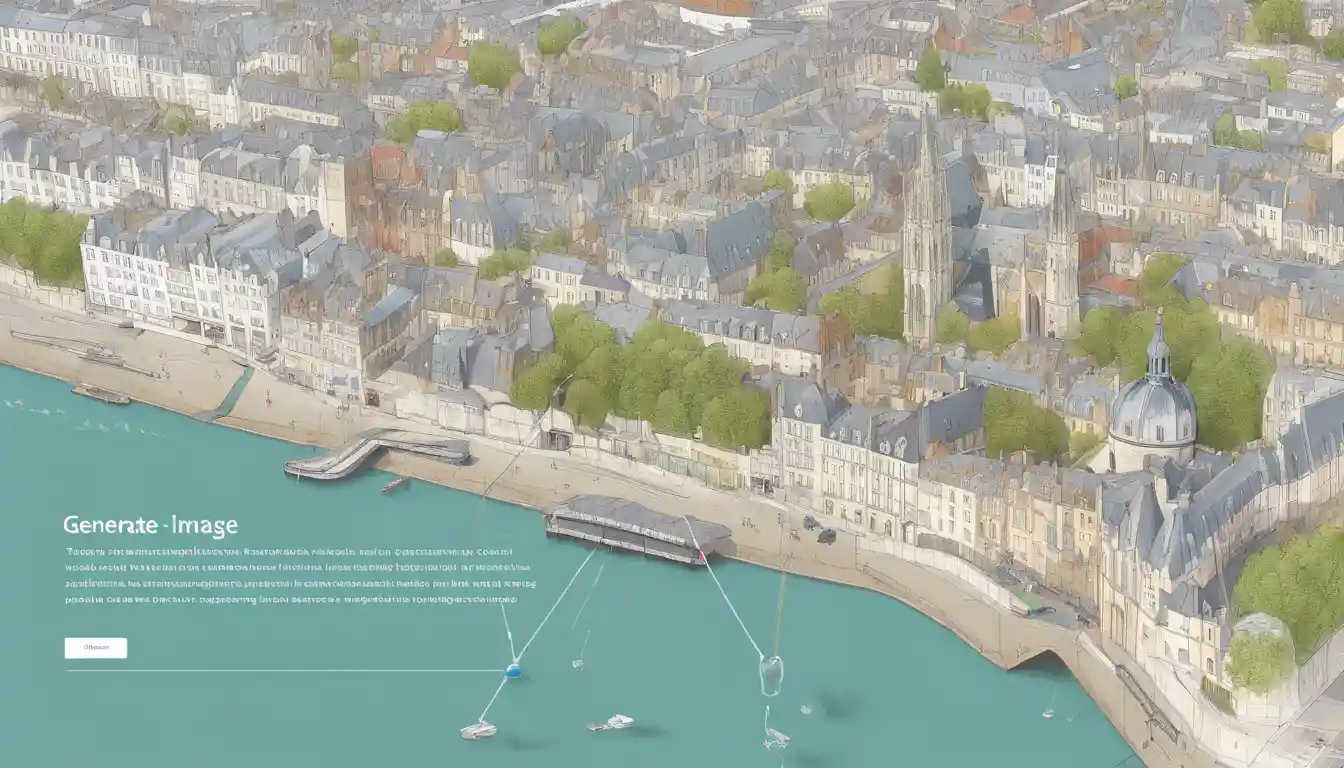
Interactive tours are immersive experiences that blend the physical and digital realms, allowing participants to engage with their surroundings in novel ways. These tours often utilize technologies such as GPS, augmented reality (AR), and web applications to create rich, interactive narratives that enhance the exploration of locations. For instance, platforms like Actionbound enable educators to design GPS-based scavenger hunts that guide users through specific routes while presenting challenges or storytelling elements based on real-world contexts.
Technically, interactive tours can leverage low-latency streaming technologies as discussed in research on VR systems. This ensures that data is transmitted quickly, providing a seamless experience without noticeable delays, thus enhancing user engagement during the tour. By combining these elements, interactive tours can facilitate unique educational experiences, such as those seen in veterinary education where students solve case studies without direct contact with patients.
The significance of interactive tours lies in their ability to engage users actively, fostering deeper connections with the content and the environment. One notable example is the EduCITY mobile AR game, where participants explored sustainable development themes while navigating urban landscapes. This approach not only promotes learning but also encourages community involvement and environmental awareness.
Another inspiring case is the self-guided walking tour in Nantes, ‘À lécoute des chantiers’, which explores industrial heritage through audio capsules and AR projections. This tour has been effective in enhancing local engagement, allowing both residents and tourists to appreciate the historical context of their surroundings while utilizing technology responsibly.
Interactive tours increasingly intersect with advanced technologies such as Web3, which can enable decentralized applications that enhance user interactivity. For instance, the integration of blockchain technology could allow users to contribute content to tours or own digital assets that represent unique experiences within a location.
Moreover, as highlighted in the research on AR applications like VisitAR, these technologies can provide real-time data and enhance user experience by displaying relevant information about landmarks and surroundings. Such innovations are essential in creating tours that are not only educational but also engaging and user-centered.
Research indicates that immersive learning experiences, such as those provided by interactive tours, significantly enhance retention rates. A study on episodic memory (EM) showed that participants using AR during museum tasks performed better in recalling information immediately and after a 48-hour period, underscoring the effectiveness of movement and technology in learning environments.
Additionally, community mapping initiatives have demonstrated higher engagement levels among residents when interactive elements are included, reflecting the potential of these tours to promote sustainable planning and decision-making in local contexts.
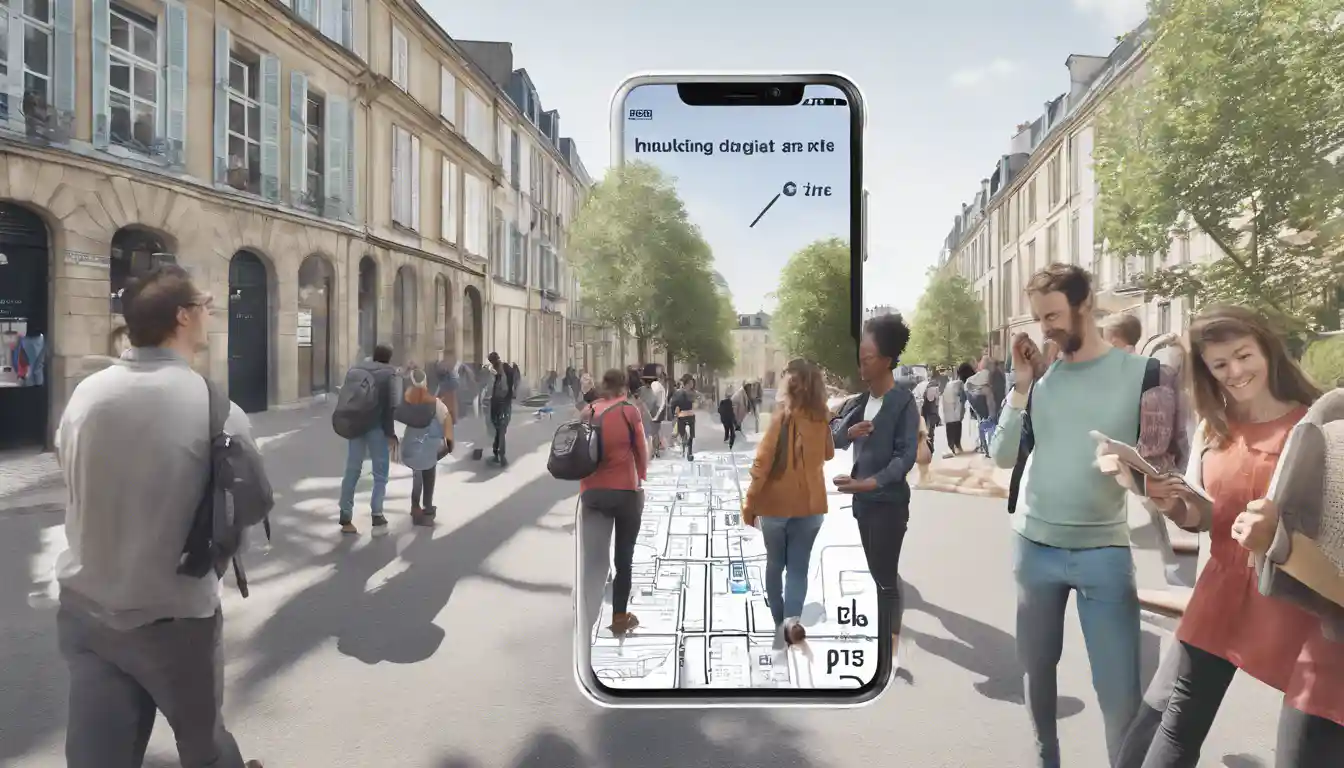
Digital walking tours are immersive experiences that leverage technology to enhance the exploration of a physical environment. These tours typically utilize GPS-enabled applications to provide participants with location-based information, multimedia content, and interactive storytelling as they navigate through cities or specific sites. The technical backbone often includes mobile apps that integrate augmented reality (AR) or virtual reality (VR) elements, allowing users to visualize historical events or cultural narratives at various points of interest.
For example, platforms like Actionbound enable educators to create digital scavenger hunts that incorporate GPS tracking and multimedia elements, enriching the learning experience outside a traditional classroom setting. Additionally, advancements in low-latency streaming technologies, as discussed in studies on VR systems, enhance the interactivity of these tours by minimizing delays in data transmission, thus ensuring a seamless user experience.
The significance of digital walking tours extends beyond just convenience; they foster engagement and learning in a way that traditional tours cannot. For instance, the À lécoute des chantiers project in Nantes allows participants to explore the industrial heritage of the area through audio capsules and augmented reality, blending historical narratives with modern technology to create a captivating educational tool.
Moreover, the EduCITY app utilized in a walking tour for doctoral students highlighted how mobile augmented reality games can provide diverse learning opportunities while encouraging sustainability in urban planning. These applications not only transform how we experience our surroundings but also promote community involvement and awareness.
1. Choose the Right App: Explore various digital walking tour apps to find one that suits your interests—whether it's historical sites, art galleries, or nature trails. Popular options include Actionbound, VisitAR, and izi.TRAVEL.
2. Incorporate Local Stories: If you're creating your own tour, include local anecdotes or lesser-known facts to enrich the experience. Engage with community members to gather unique narratives that can enhance the tour's depth.
3. Utilize Social Media: Encourage participants to share their experiences on social media platforms with specific hashtags. This not only promotes the tour but also creates a community of explorers eager to share insights and recommendations.
Digital walking tours are increasingly intersecting with advanced technologies such as Web3, blockchain, and IoT. For example, integrating blockchain can provide a secure way to verify users' achievements and interactions, fostering a more engaging and personalized experience. Furthermore, using IoT devices, tour creators can gather real-time data on visitor interactions, preferences, and behaviors, which can be analyzed to optimize future tours.
As evidenced by the research on interactive mapping, these technologies not only enhance user engagement but also promote community assessment and sustainability through informed decision-making.
According to a study on mobile augmented reality games, participants reported increased engagement and learning outcomes during digital walking tours, showcasing the effectiveness of integrating technology into traditional experiences. Moreover, research indicates that interactive mapping techniques can foster community involvement, leading to more sustainable urban planning practices.
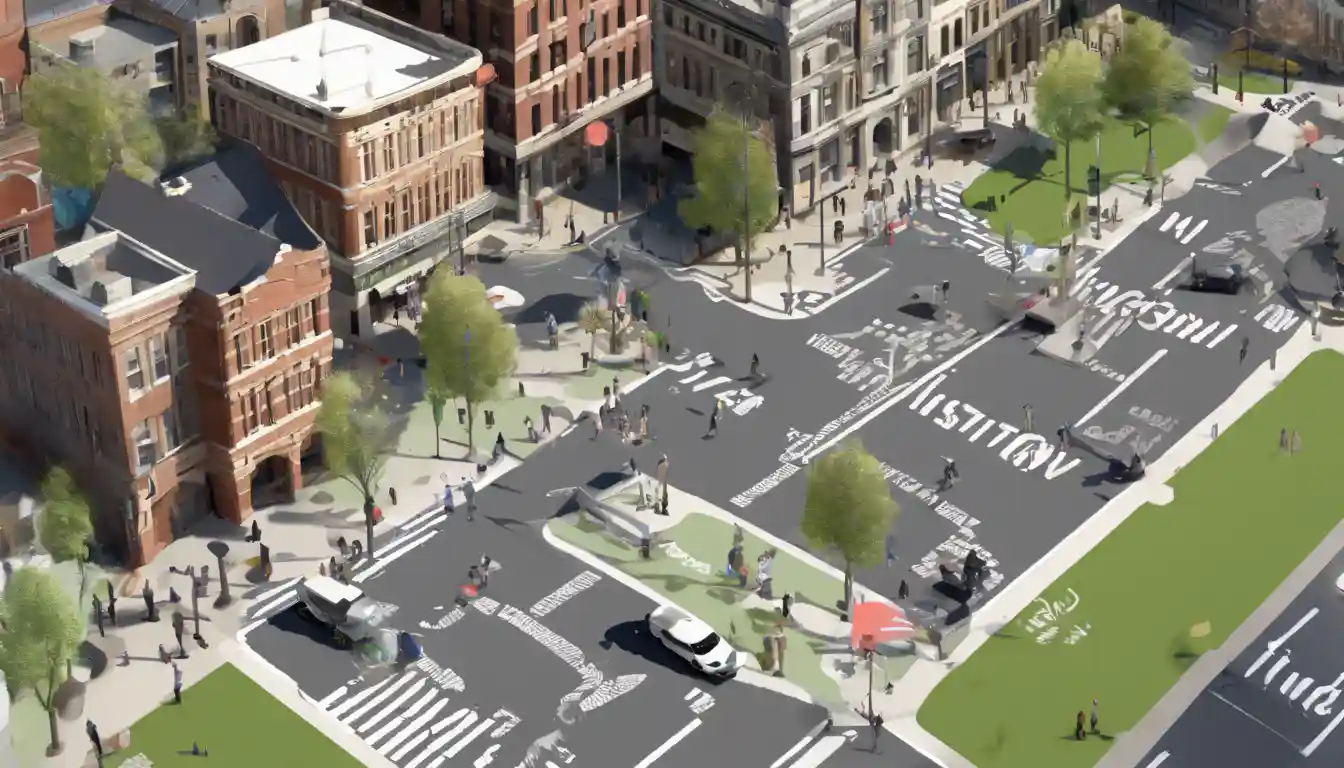
The concept of "Pixels to Pavement" represents a transformative approach to urban exploration and education, bridging the gap between digital experiences and real-world interactions. At its core, it utilizes augmented reality (AR) and digital mapping technologies to create immersive walking tours that engage users in a narrative-rich environment. This is achieved through mobile applications that leverage GPS and AR to overlay digital content on physical spaces, allowing users to unlock stories, historical data, and interactive challenges as they walk.
Technically, this involves sophisticated location-based services, real-time data streaming, and user-friendly interfaces that enhance the exploratory experience without overwhelming the user. For instance, low-latency streaming technologies ensure that the interactive elements, such as videos or animations, load seamlessly, maintaining a fluid user experience without lag—crucial for keeping participants engaged as they move through varying urban landscapes.
The significance of Pixels to Pavement lies in its capacity to transform traditional walking tours into engaging, educational experiences that promote active participation. For example, the Actionbound app, which enables educators to create digital scavenger hunts, exemplifies how this technology can revitalize learning methodologies, especially during the pandemic when remote education became essential. Students can interact with real-world scenarios through virtual cases, developing critical problem-solving skills without physical presence.
Moreover, initiatives like À lécoute des chantiers in Nantes utilize audio and visual storytelling to guide participants through industrial heritage sites, fostering a deeper connection to local history and culture. Such applications not only enhance tourism but also encourage community engagement and preservation of cultural narratives.
The technical backbone of Pixels to Pavement rests on geolocation, AR, and cloud computing. By utilizing GPS technology, applications can deliver location-specific content that enhances the walking tour experience. Additionally, the utilization of cloud services allows for the storage and rapid retrieval of large amounts of data, which is essential when delivering multimedia content to users in real-time.
In a Web3 context, the integration of blockchain technology could further enhance these experiences by providing secure, transparent interactions between users and service providers, fostering trust and ownership of data, and encouraging decentralized contributions to local narratives.
According to a study on the effectiveness of mobile augmented reality games (MARG) conducted during the EERA Summer Camp, 73 doctoral students engaged in walking tours that were enriched with interactive learning opportunities, demonstrating a significant enhancement in educational outcomes (EERA, 2023). Additionally, research indicates that environments enriched with AR experiences positively influence episodic memory, suggesting that movement in these spaces aids in better retention of information (Study on EM and movement, 2023).
These findings underscore the potential of Pixels to Pavement as not only a method for entertainment but also a powerful tool for education, community engagement, and cultural preservation.
In this exploration of "Pixels to Pavement: The Walking Tour Revolution," we have delved into the transformative nature of interactive walking tours that blend technology and physical experiences. Key takeaways include the ways augmented reality (AR) and digital mapping enhance user engagement, the significance of platforms like Actionbound in educational contexts, and how these tours facilitate deeper connections to local history and culture. Moreover, we discussed real-world applications, such as the self-guided tour in Nantes, which creatively integrates storytelling and technology to enrich community engagement.
Looking ahead, the future of walking tours is poised for further innovation. As technologies like blockchain, IoT, and advanced AR continue to evolve, we can anticipate even more personalized and interactive experiences. These advancements could lead to a new era of urban exploration, where users not only consume content but also contribute to the narratives of their surroundings, fostering a greater sense of community ownership and participation.
So, as you venture into your next urban exploration, consider how technology can enrich your experience. Will you take part in the walking tour revolution? Start by exploring local AR apps or designing your own interactive tour, and immerse yourself in the stories waiting to be uncovered in your community!
- Low Latency Streaming for Path-Walking VR Systems
- Interactive Mapping: A Method for Engaged Community Assessment
- Walking to Unsettle Jerusalem
- User Experience of a Mobile App in a City Tour Game for International Doctoral Students
- Augmented Reality Feedback for Exoskeleton-Assisted Walking. A Feasibility Study
- User Experience of a Mobile App in a City Tour Game for International Doctoral Students
- Exploring the Effects of Augmented Reality Notification Type and Placement in AR HMD while Walking

Brewing Ideas: Daily Rituals in Web3 & Coffee

Get notified about new articles, coffee tips, and Web3 insights.
This site participates in affiliate programs and may earn a commission when a link is clicked and a purchase is made. The site is not responsible for any issues or troubles related to the products or services purchased through the use of this site.

DO&COFFEE loves coffee and technology, exploring the potential of NFTs and blockchain. Learn more →
DO&COFFEE loves coffee and technology, exploring the potential of NFTs and blockchain. Learn more →