technology
2024/08/08

In an era where technology and nature increasingly intertwine, we find ourselves at the fascinating nexus of outdoor adventures and Web3 innovations. But what do we mean by these terms? Let's break it down:
The importance of bridging these two worlds cannot be overstated. For example, consider the rise of platforms that allow outdoor enthusiasts to earn tokens for their adventures—whether through tracking hikes or sharing trail information. Such innovations not only incentivize exploration but also foster a sense of community among adventurers.
Furthermore, the application of Web3 technologies in outdoor activities opens up new avenues for sustainability and transparency. Imagine a scenario where hikers can verify that trails are maintained through a decentralized ledger, ensuring that conservation efforts are honored and rewarded.
The interconnectedness of these ideas is evident. As outdoor activities increasingly utilize digital and decentralized technologies, they not only enhance the user experience but also promote environmental stewardship. However, as the research titled "With Trail to Follow: Measurements of Real-world Non-fungible Token Phishing Attacks on Ethereum" indicates, there are security challenges to navigate, particularly with the rise of phishing attacks targeting NFT users. The study highlights that 2021 alone saw over $14 billion lost to cryptocurrency scams, emphasizing the need for robust security measures in this new frontier.
In this blog post, we will explore how outdoor adventures can leverage Web3 innovations to create a more engaged and secure community, ensuring that participants reap the rewards of both nature and technology.

Cryptocurrency is a digital or virtual form of currency that uses cryptography for security and operates on a technology called blockchain. A blockchain is a decentralized ledger that records all transactions across a network of computers. This technology ensures transparency and prevents tampering, as each block in the chain contains a cryptographic hash of the previous block, along with a timestamp and transaction data.
The most well-known cryptocurrency is Bitcoin, created in 2009. However, thousands of other cryptocurrencies, such as Ethereum, Ripple, and Litecoin, exist, each with unique features and purposes. Ethereum, for instance, introduced smart contracts, which automatically execute transactions when conditions are met, further expanding the use cases of cryptocurrency beyond mere transactions.
The importance of cryptocurrency cannot be overstated. It offers a decentralized alternative to traditional financial systems, enabling individuals to transact without the need for intermediaries like banks. This is particularly beneficial in regions with unstable economies or limited banking infrastructure. For example, in Venezuela, cryptocurrencies are increasingly used to counteract hyperinflation, allowing citizens to preserve their wealth and conduct transactions.
Additionally, cryptocurrencies facilitate cross-border transactions with lower fees and faster processing times compared to traditional banking systems. According to a report from the World Bank, cross-border remittance costs can range from 7% to 10%, while cryptocurrency transactions can reduce these costs to a fraction of a percent.
Here are three concrete, actionable tips readers can implement immediately:
The connection between cryptocurrency and Web3 technologies is profound. Web3 represents the next evolution of the internet, focusing on decentralization, user empowerment, and enhanced privacy. Cryptocurrencies serve as the backbone of this new paradigm, facilitating peer-to-peer interactions without central authority.
For instance, decentralized finance (DeFi) platforms allow users to lend, borrow, and trade cryptocurrencies without intermediaries, providing financial services that are traditionally only available through banks. This democratizes access to finance, especially in underserved regions.
A study titled "With Trail to Follow: Measurements of Real-world Non-fungible Token Phishing Attacks on Ethereum" underscores the necessity of understanding the security implications of cryptocurrency, particularly in the NFT space. The research details the methods used by attackers and emphasizes the importance of safeguarding one's digital assets.
Furthermore, according to a report by Chainalysis, more than $14 billion worth of cryptocurrencies were lost to scams in 2021 alone, highlighting the need for vigilance and education among users.
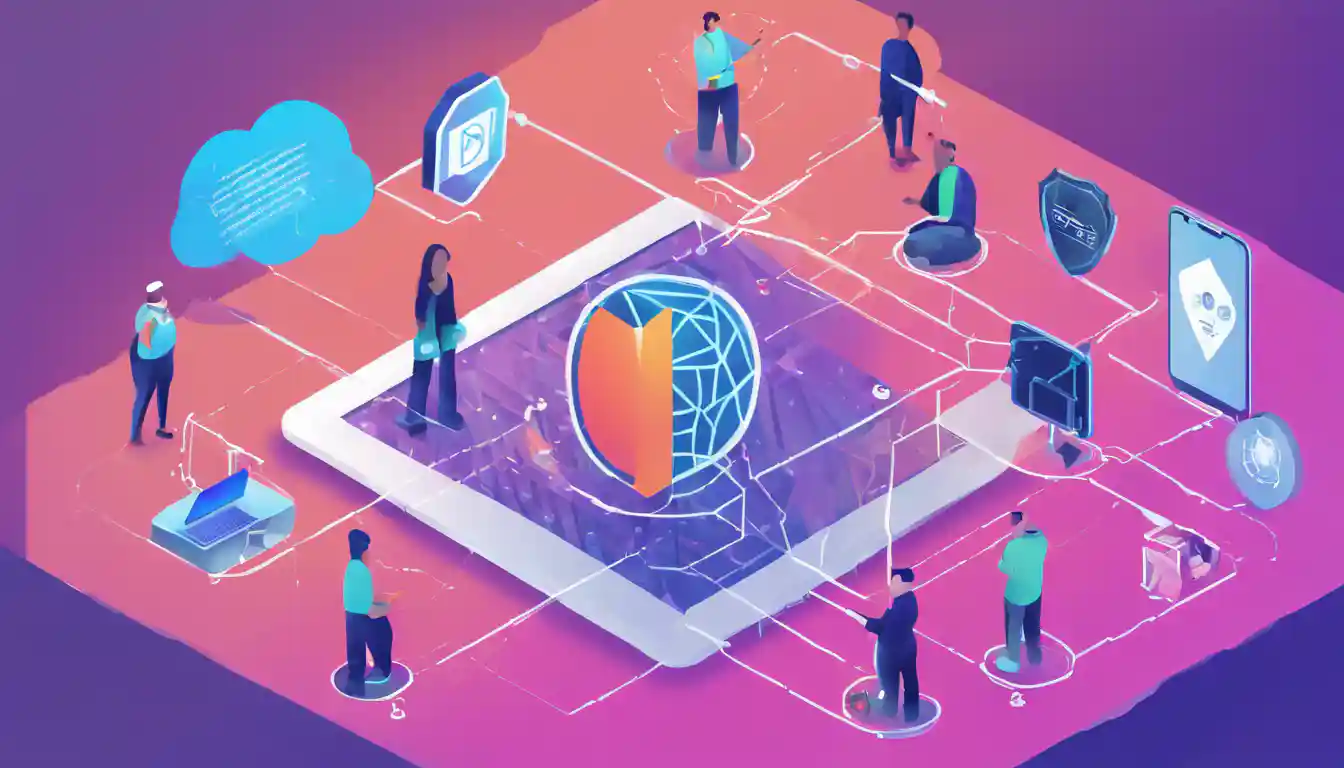
The Web3 ecosystem represents a paradigm shift in how we interact with the internet, characterized by decentralized protocols and technologies that empower users. At its core, Web3 leverages blockchain technology, particularly platforms like Ethereum, to enable peer-to-peer interactions without the need for intermediaries. This ecosystem is built on key components such as:
This decentralized framework ensures that users retain control over their data, privacy, and digital assets, making it a revolutionary approach to online interaction.
The significance of the Web3 ecosystem lies in its ability to democratize access and ownership. For instance, NFT marketplaces such as OpenSea and Rarible allow artists to sell their work directly to consumers, eliminating the need for galleries or auction houses. Additionally, in the realm of DeFi, platforms like Aave and Uniswap provide users with lending and trading options that bypass traditional banking systems, promoting financial inclusion.
Moreover, the research titled "With Trail to Follow: Measurements of Real-world Non-fungible Token Phishing Attacks on Ethereum" highlights the vulnerabilities within the NFT space, emphasizing the necessity for secure protocols and user awareness. This study underlines the importance of improving security measures in the Web3 ecosystem to protect users from phishing attacks, which have been on the rise.
To engage with the Web3 ecosystem effectively, consider the following actionable tips:
The technical architecture of Web3 is closely tied to its practical applications. For instance, smart contracts are integral to DeFi platforms, allowing users to lend or borrow assets without intermediary intervention. This eliminates counterparty risk and reduces transaction costs. Furthermore, the implementation of ERC-721 and ERC-1155 standards for NFTs has enabled artists and creators to tokenize their work efficiently, facilitating seamless transactions on platforms like OpenSea.
Statistics show that the NFT market exploded to over $10 billion in sales in the third quarter of 2021 alone, emphasizing the growing interest and investment in this sector. Additionally, as per the findings of the aforementioned study, there was a significant increase in phishing attempts targeting NFT owners, underscoring the importance of robust security practices in the Web3 ecosystem.
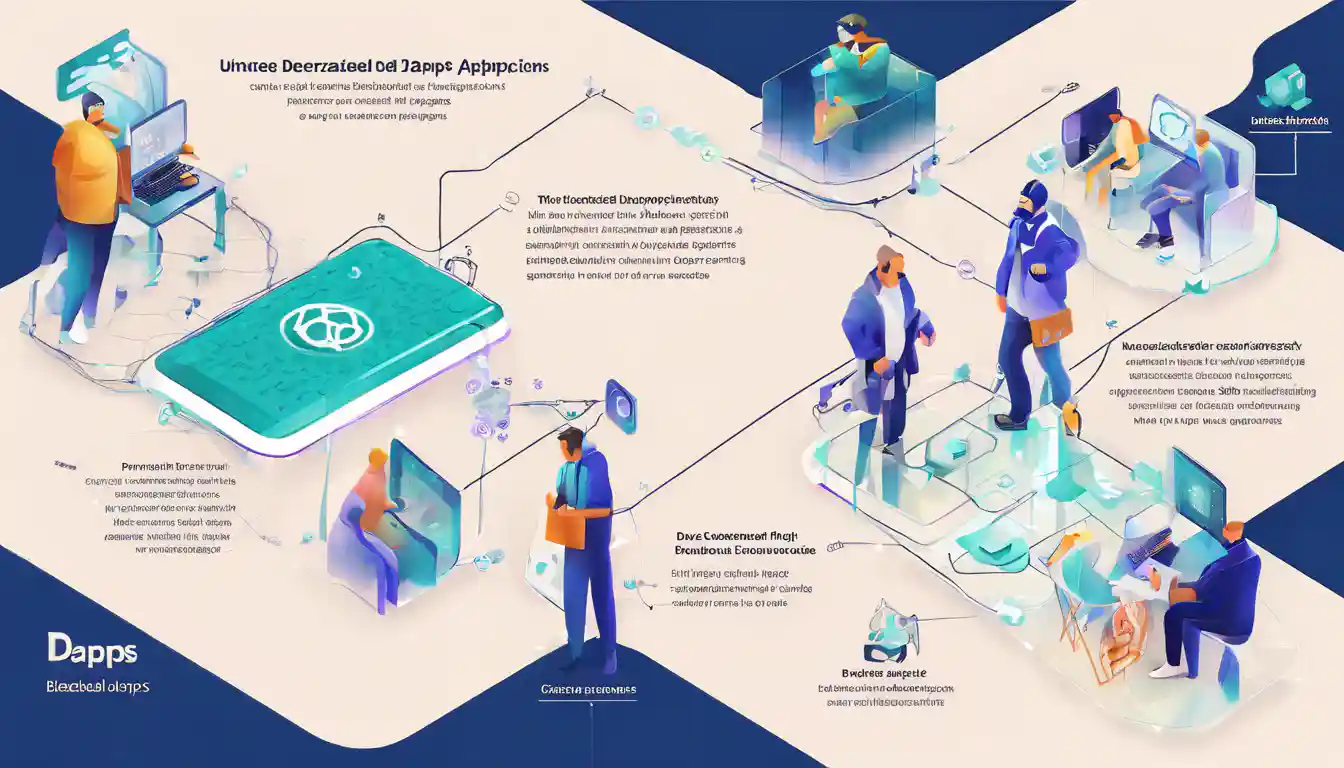
Decentralized applications, commonly known as dApps, are software applications that run on a peer-to-peer network, rather than being hosted on centralized servers. Unlike traditional applications that rely on a central authority for data storage and management, dApps leverage blockchain technology to ensure transparency, security, and resilience against censorship.
Technical aspects of dApps include smart contracts, which are self-executing contracts with the terms of the agreement directly written into code. Built primarily on platforms like Ethereum, these contracts automate processes and transactions, eliminating the need for intermediaries. The use of decentralized storage solutions, such as IPFS (InterPlanetary File System), further enhances the functionality of dApps by allowing them to store data in a distributed manner.
The importance of dApps lies in their ability to create trustless environments where users can interact without relying on a central authority. This is particularly vital in industries prone to fraud or corruption. For instance, the rise of decentralized finance (DeFi) platforms like Uniswap allows users to trade cryptocurrencies directly without the need for a traditional exchange. This not only democratizes access to financial services but also enhances user control over their assets.
Moreover, dApps have shown their value in the realm of digital art and collectibles through non-fungible tokens (NFTs). As highlighted in the research titled “With Trail to Follow: Measurements of Real-world Non-fungible Token Phishing Attacks on Ethereum,” NFT platforms are becoming targets of phishing attacks, emphasizing the need for robust security measures. These real-world examples underscore the potential risks and the necessity for heightened security protocols in dApp ecosystems.
For users looking to engage with dApps, here are three actionable tips:
Many dApps require users to hold tokens to access certain features, thereby creating an ecosystem of incentivized participation. For example, in gaming dApps like Axie Infinity, players earn tokens through gameplay, which can be traded or used within the game, exemplifying the practical application of decentralized economies.
Furthermore, as noted in the aforementioned research, the analysis of phishing attacks on NFT platforms demonstrates the imperative for dApp developers to implement stronger authentication and user education mechanisms to safeguard users against potential threats. This serves as a reminder that while dApps offer new opportunities, they also come with responsibilities for both developers and users alike.
1. "With Trail to Follow: Measurements of Real-world Non-fungible Token Phishing Attacks on Ethereum" - This research outlines the vulnerabilities in NFT platforms and emphasizes the need for enhanced security measures.
2. DeFi Pulse, "DeFi Market Stats" - According to DeFi Pulse, the total value locked in DeFi platforms has exceeded $80 billion as of October 2023, illustrating the rapid growth and importance of decentralized finance.
In this exploration of "From Trails to Tokens: The Intersection of Outdoor Adventures and Web3 Innovations," we delved into the transformative potential of Web3 technologies in enhancing outdoor experiences. We discussed how cryptocurrency and decentralized applications (dApps) empower adventurers with new tools for navigation, community building, and asset ownership through NFTs. Key takeaways include the democratization of access to outdoor resources and the importance of security in this evolving landscape, particularly highlighted by the rise of phishing threats targeting NFT users.
Looking ahead, the fusion of outdoor adventures and Web3 innovations promises to create more immersive and interactive experiences. We can anticipate further developments in decentralized platforms that facilitate not just transactions, but also community engagement and sustainability initiatives. As these technologies mature, they will likely influence how we engage with nature, fostering a culture of stewardship and shared ownership.
As you venture into this exciting intersection, consider how you can harness these innovations. Will you participate in a decentralized outdoor community, or perhaps explore new ways to secure your digital assets while enjoying nature? The future is not just about technology; it's about how we choose to integrate it into our lives. Join the conversation and be a part of shaping the future of outdoor adventures in a Web3 world.
- With Trail to Follow: Measurements of Real-world Non-fungible Token Phishing Attacks on Ethereum
- Does trail making test predict long-term prognosis in older patients with COPD?
- Korean Tokenization for Beam Search Rescoring in Speech Recognition

Get notified about new articles, coffee tips, and Web3 insights.
This site participates in affiliate programs and may earn a commission when a link is clicked and a purchase is made. The site is not responsible for any issues or troubles related to the products or services purchased through the use of this site.

DO&COFFEE loves coffee and technology, exploring the potential of NFTs and blockchain. Learn more →
DO&COFFEE loves coffee and technology, exploring the potential of NFTs and blockchain. Learn more →