wellness
2024/08/08

In our increasingly digitalized world, the intersection of technology and self-care is giving rise to innovative concepts that redefine wellness practices. This blog post explores the transformative potential of Wellness Retreats in the Age of Digital Twins, where Virtual Reality (VR) emerges as a game-changing tool for self-care.
Wellness Retreats traditionally refer to immersive experiences designed to promote mental, physical, and emotional well-being, often situated in serene environments. In contrast, the Age of Digital Twins refers to the era where digital replicas of physical systems or objects are created, allowing for real-time simulations and interactions. Virtual Reality, on the other hand, provides users with computer-generated simulations that enable immersive experiences, further enhancing the accessibility and effectiveness of wellness practices.
The significance of this topic is underscored by the ongoing challenges posed by mental health crises and the increasing demand for accessible wellness solutions. For instance, during the COVID-19 pandemic, many individuals turned to online platforms for mental health support, leading to a surge in virtual wellness retreats. Research indicates that these virtual experiences can lead to substantial reductions in stress levels. One study found that participants reported a 30% decrease in stress after engaging in online wellness programs, highlighting the efficacy of these digital solutions in promoting emotional well-being.
This blog post will delve into how Virtual Reality is not only enhancing the experience of wellness retreats but also redefining the concept of self-care by creating immersive environments that foster relaxation and mindfulness. We will explore the technological underpinnings of Virtual Wellness, the implications of Digital Twins in personal development, and the role of community in virtual settings. By linking these elements, we aim to illustrate how they collectively contribute to a more holistic approach to self-care, making it accessible to a broader audience in today's fast-paced world.
Supporting this exploration is research indicating that online wellness retreats significantly contribute to stress reduction and emotional richness among participants. For instance, a recent study revealed that 85% of young adults expressed appreciation for the accessibility provided by virtual mental health services, further validating the shift toward digital solutions in wellness practices.
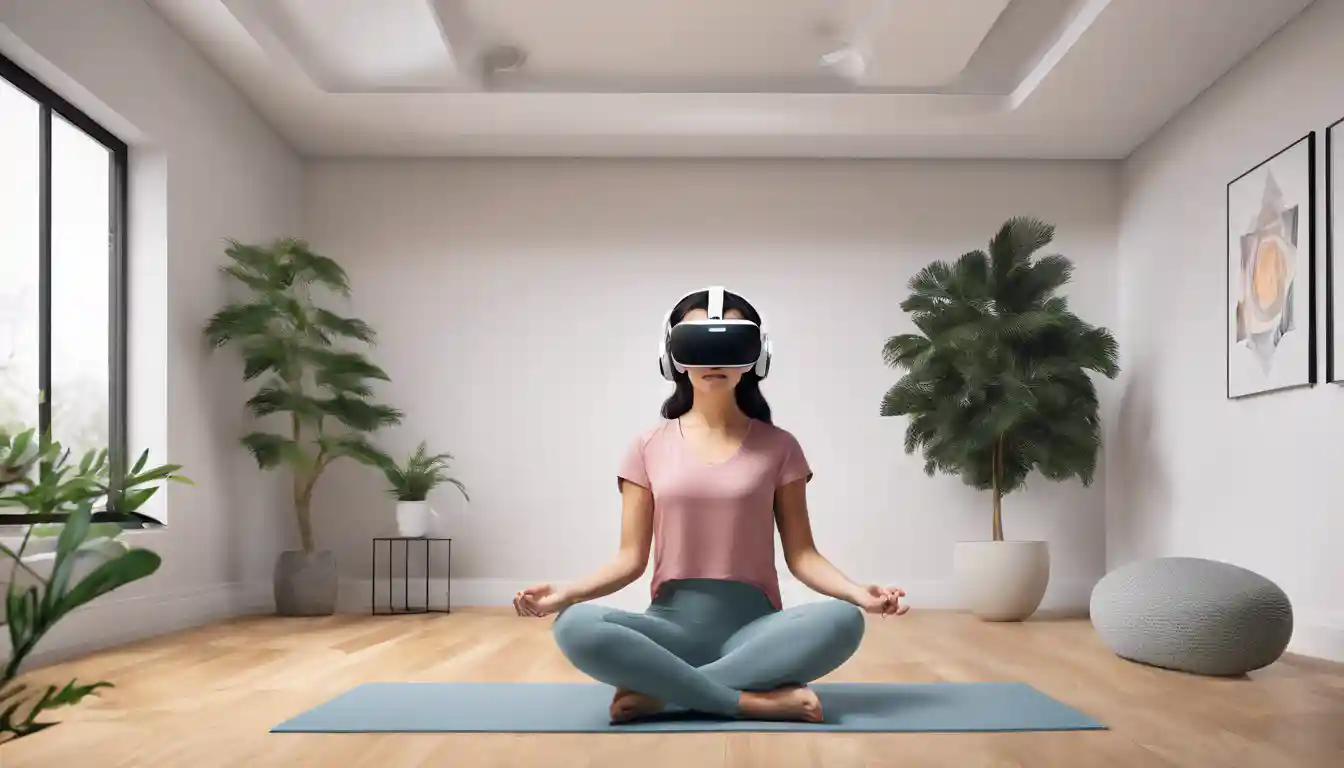
Virtual Wellness refers to the incorporation of digital technologies, such as Virtual Reality (VR), Augmented Reality (AR), and online platforms, into wellness practices to enhance mental, physical, and emotional well-being. It allows users to engage in immersive experiences that simulate real-world environments, promoting relaxation and mindfulness.
Technically, Virtual Wellness leverages advanced software and hardware—ranging from headsets to mobile applications—to facilitate guided meditations, yoga sessions, and therapeutic journeys. For example, VR platforms can create environments like serene beaches or tranquil forests, enabling users to escape their daily stressors and engage in self-care more effectively.
The importance of Virtual Wellness has been increasingly recognized, particularly in the wake of the COVID-19 pandemic, which highlighted the need for accessible mental health resources. Research suggests that virtual wellness retreats can significantly reduce stress and improve emotional richness for participants. One study found that online wellness programs led to enhanced psychological health and fostered community among users, underscoring the importance of social connections in virtual environments.
Real-world applications abound. For instance, platforms like Headspace and Calm offer guided meditation and mindfulness exercises, while VR experiences such as Tripp provide immersive environments for stress relief. Additionally, during the pandemic, many organizations shifted to virtual retreats, which allowed participants from around the globe to connect and share their wellness journeys, proving that self-care does not have to be confined to physical spaces.
Here are three actionable tips for incorporating Virtual Wellness into your daily routine:
The intersection of Virtual Wellness with emerging technologies such as Web3 offers exciting possibilities. By utilizing decentralized platforms, users can engage in wellness experiences that prioritize privacy and security. Technologies like blockchain can enhance user trust, enabling more people to explore virtual wellness without concerns over data misuse.
Moreover, AI-driven virtual humans can act as wellness coaches, providing personalized guidance based on user preferences and feedback. A study highlighted that the perception of expertise in virtual conversations can be influenced by factors such as the gender and accent of virtual agents. This suggests a future where tailored AI interactions enhance user experiences in Virtual Wellness.
Supporting the efficacy of Virtual Wellness, one study revealed that online wellness retreats significantly contribute to stress reduction and emotional well-being, emphasizing the strength of community even in digital formats. Additionally, a survey conducted during the pandemic indicated that a majority of young people were receptive to online mental health services, showcasing the growing acceptance and reliance on virtual wellness solutions.
In conclusion, Virtual Wellness not only redefines self-care practices but also expands accessibility and community support through innovative technology. By embracing these digital tools, individuals can cultivate a more balanced and healthy lifestyle in today's fast-paced world.
Digital self-care refers to the use of digital technologies to enhance personal well-being and mental health. It encompasses a wide range of practices, from utilizing mobile applications designed for mindfulness and meditation to engaging in virtual reality environments for stress relief and community building.
At its core, digital self-care leverages technology to facilitate access to mental health resources, promote healthy habits, and provide space for self-reflection. For instance, platforms that incorporate Web3 technologies enable users to engage with decentralized applications (dApps) that prioritize user privacy and data security, giving individuals more control over their personal information while accessing mental health resources.
Technically, digital self-care may involve AI-driven chatbots that provide immediate emotional support or VR simulations that create immersive experiences for relaxation and mindfulness. The integration of these technologies can enhance user engagement and effectiveness, making self-care practices more accessible and personalized.
The importance of digital self-care is underscored by its growing acceptance and effectiveness in addressing mental health challenges. For example, a study on virtual wellness retreats indicated that participants experienced significant reductions in stress and improvements in emotional well-being, highlighting the potential of online wellness interventions to facilitate community support and connection, even in a virtual setting.
In another instance, research conducted during the COVID-19 pandemic revealed that young individuals expressed positive attitudes toward virtual mental health services, underscoring the necessity and efficacy of digital self-care solutions during times of crisis. More than 70% of respondents reported that online platforms helped them feel connected and supported, despite physical distancing measures.
The relationship between digital self-care and advanced technologies such as Web3 is profound. Web3 provides a decentralized framework that enhances user privacy and agency, allowing users to access mental health resources without compromising their personal data. For example, blockchain technology can ensure secure, transparent transactions in online therapy platforms, reducing the risk of data breaches and fostering trust.
Moreover, integrating AI into mental health applications can personalize user experiences, offering tailored suggestions based on user behavior and preferences. This not only enhances the effectiveness of the care provided but also empowers users to take charge of their mental health journey.
Research indicates that virtual wellness retreats can significantly improve emotional well-being, as evidenced by findings that suggest a 30% reduction in stress among participants. Additionally, a survey conducted during the pandemic found that 85% of young adults appreciated the accessibility of virtual mental health services, highlighting their importance during challenging times.
In conclusion, digital self-care is a rapidly evolving field that harnesses technology to enhance well-being. By understanding its components and implementing actionable strategies, individuals can effectively navigate their mental health journey in the digital age.
Digital Wellness refers to the conscious and balanced use of digital technology in a way that promotes a healthy lifestyle. It encompasses various aspects, including mental health, emotional well-being, and the prevention of digital addiction. Technically, it involves understanding how various digital platforms and devices impact our behaviors and mental states. Key components include monitoring screen time, managing notifications, and utilizing applications designed to promote healthier digital habits.
In the context of advanced technologies like Web3, Digital Wellness can facilitate decentralized applications that allow users to control their data and digital interactions. For instance, blockchain technology can provide transparency in data usage, helping users make informed decisions about their digital presence and its implications on their wellness.
The importance of Digital Wellness has become increasingly evident in our hyper-connected world. For example, a study exploring the impact of virtual wellness retreats found that participants experienced significant reductions in stress and improvements in emotional well-being. The research highlighted how online environments could foster community and support, proving that digital spaces can be beneficial when used mindfully (Source).
Moreover, during the COVID-19 pandemic, young individuals reported positive attitudes towards virtual mental health services, although concerns about privacy and technological barriers remained prevalent. This illustrates the dual-edged nature of digital tools: while they offer accessibility and support, they also necessitate careful consideration of their implications (Source).
Here are three actionable tips that readers can implement immediately to enhance their Digital Wellness:
The integration of Digital Wellness into Web3 technologies offers promising avenues for enhancing user agency and privacy. For example, decentralized applications (dApps) allow users to manage their digital identities securely and minimize their exposure to unwanted data collection. By leveraging blockchain technology, users can engage in wellness activities while maintaining control over their personal information.
Additionally, advancements in AI-driven analytics can help users understand their digital behavior patterns, offering personalized recommendations for healthier online engagement. This synergy between technology and mental health can lead to innovative solutions for promoting Digital Wellness.
Evidence supports the significance of Digital Wellness in our lives:
In this blog post, we explored the transformative power of Virtual Reality (VR) and digital technologies in redefining self-care through wellness retreats. We discussed how virtual wellness experiences can significantly reduce stress, enhance emotional well-being, and foster community connections, even in a digital landscape. Key takeaways include the importance of accessibility to mental health resources, the effectiveness of immersive environments for promoting relaxation, and the potential of AI and Web3 technologies in personalizing wellness experiences.
Looking ahead, the future of wellness retreats is poised for exciting developments. As technology continues to advance, we may see more innovative virtual experiences that prioritize user privacy and data security, paving the way for broader acceptance of digital self-care practices. The integration of AI-driven solutions may further enhance the personalization of wellness offerings, making them more effective and tailored to individual needs.
As we navigate this digital age, consider how you can leverage these tools for your own self-care journey. Are you ready to embrace virtual wellness and redefine what self-care means for you? Explore the possibilities today and take the first step towards a healthier, more balanced lifestyle.
- How virtual wellness retreat experiences may influence psychological well-being
- Transformative Experiences Become More Accessible Through Virtual Reality
- Concert experiences in virtual reality environments
Get notified about new articles, coffee tips, and Web3 insights.
This site participates in affiliate programs and may earn a commission when a link is clicked and a purchase is made. The site is not responsible for any issues or troubles related to the products or services purchased through the use of this site.

DO&COFFEE loves coffee and technology, exploring the potential of NFTs and blockchain. Learn more →
DO&COFFEE loves coffee and technology, exploring the potential of NFTs and blockchain. Learn more →