art
2025/12/11

Have you ever admired a vibrant mural or graffiti piece on the street, wondering about the story behind it and its creator? Street art has long inspired and transformed public spaces, but in an era where digital innovation is reshaping countless industries, how is this dynamic form of expression evolving? Enter blockchain technology—a game-changer that is not only redefining how we perceive art but also how artists monetize their work and protect their rights.
In this blog post, we’ll delve into the world of street art and explore how blockchain technology is paving the way for a new era. We’ll look at how it establishes provenance and copyright protection for artists, the implications of the NFT boom, and what decentralized platforms mean for the future of street art. As the boundaries between walls and wallets blur, understanding this digital evolution becomes essential for artists, collectors, and enthusiasts alike.
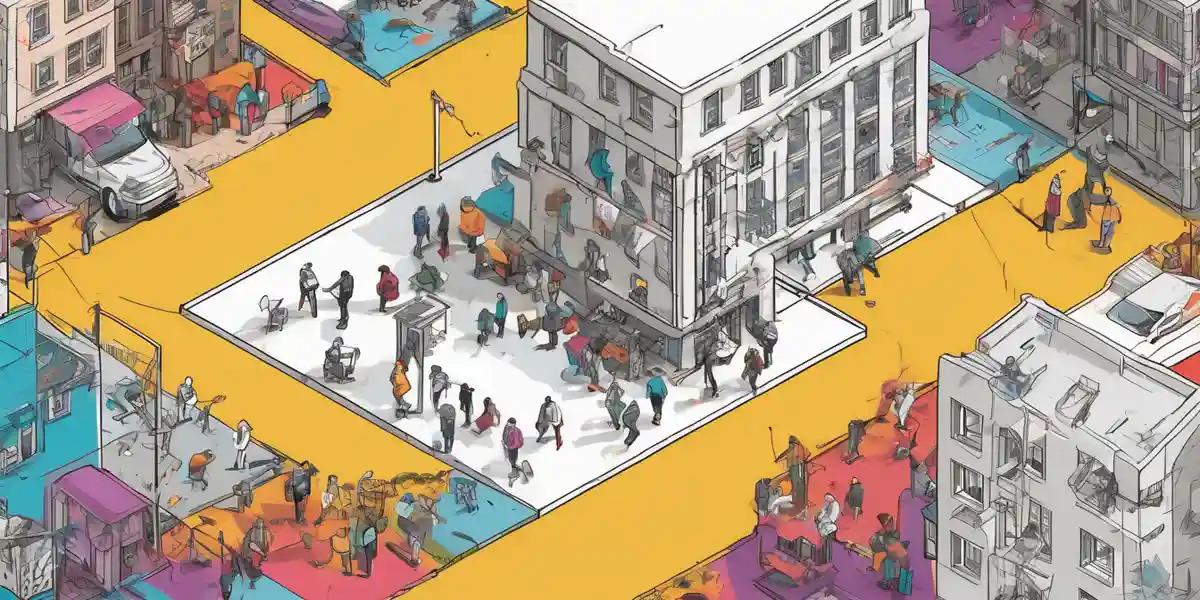
Street art has long faced challenges related to provenance, which refers to the history of ownership of a piece of art. Unlike traditional art forms, street art often exists in public spaces where ownership is ambiguous, and the artists themselves may not receive recognition or compensation for their work. This lack of clarity can lead to issues such as copycat pieces, unauthorized reproductions, and forgeries. Without a clear system to track the history and authenticity of artworks, both artists and collectors may struggle to protect their rights and investments.
Blockchain technology offers a promising solution to these challenges by providing a decentralized digital ledger that can securely document and verify the history of a piece of art. This technology can authenticate a street artist's work by recording ownership changes, exhibitions, and sales on an immutable ledger. For example, the study titled "Blockchain-Based Provenance and Copyright Protection in Artworks: Toward a Decentralized Collection Management System in Emerging Chinese Art Institutions" explains a decentralized authentication system that aims to reduce counterfeiting and information isolation. By integrating blockchain with systems like the InterPlanetary File System (IPFS), artists, collectors, and institutions can access distributed storage that ensures the authenticity and security of artworks.
Blockchain empowers street artists not only by identifying provenance but also by enhancing copyright protection. By tokenizing their artworks as non-fungible tokens (NFTs) on the blockchain, artists can create a verifiable digital representation of their pieces. This NFT acts as proof of ownership, making it easier for artists to claim their rights and receive revenue from secondary sales through smart contracts. The paper titled "Questioning the NFT 'Revolution' within the Art Ecosystem" highlights that while NFTs are not a panacea for all issues in the art market, they do provide practical solutions for rights management and provenance tracking. This is particularly significant for street artists, who often remain vulnerable to exploitation.
Several initiatives are already in place to leverage blockchain for street art. For instance, platforms that allow artists to mint NFTs of their mural work enable the documentation of an artwork's journey from creation through exhibition and sale. An example is the collaboration between street artists and blockchain platforms that facilitates the auctioning of digital and physical pieces, ensuring that profits flow back to the creators. Additionally, street art collectives are beginning to adopt blockchain solutions that help track the history of community murals, giving credit to artists while empowering local movements.
In these ways, blockchain technology is not just digitizing street art but also fostering a more equitable and transparent market for artists, collectors, and enthusiasts alike. By ensuring the integrity of provenance and copyright protection, blockchain stands to revolutionize the relationship between street art and its community, transforming ownership from a mere concept into a well-documented and secure reality.
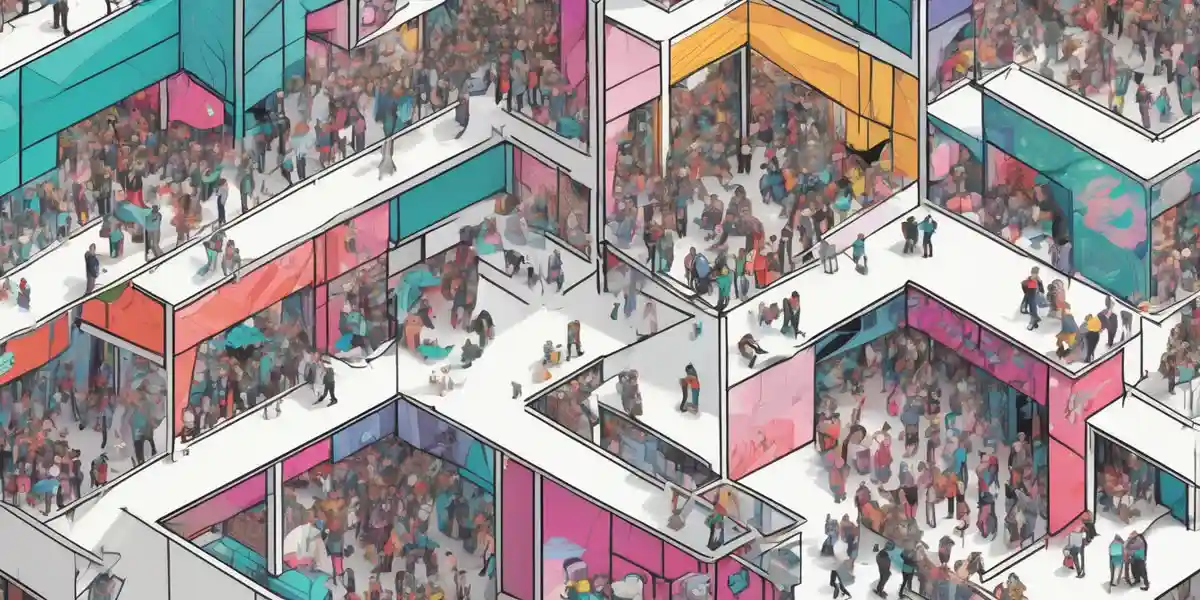
Non-fungible tokens (NFTs) have created a buzz in the art world by allowing digital representations of artwork to be owned and traded uniquely. For street artists, this technology holds significant potential. Unlike traditional art forms that may not have a clear chain of ownership or provenance, NFTs can provide these artists with a method to authenticate their work digitally, establishing ownership that is immutable and transparent due to blockchain technology (a secure digital ledger system). This development is crucial in an arena where art is often transient, restricted to the streets or walls where it is displayed.
One of the primary concerns for street artists has historically been the lack of control over their work after it is displayed in public spaces. According to the study 'Blockchain-Based Provenance and Copyright Protection in Artworks: Toward a Decentralized Collection Management System in Emerging Chinese Art Institutions', researchers demonstrated a decentralized authentication system that utilizes blockchain to track and verify artworks. By integrating blockchain with the InterPlanetary File System (IPFS), this system enables reliable art provenance and copyright management. Street artists can harness similar systems, giving them the power to retain rights and ensure that their work is not misrepresented or exploited without their consent.
While the NFT market presents opportunities, it is essential to approach it with a critical eye. The paper 'Questioning the NFT “Revolution” within the Art Ecosystem' reflects on the impact of NFTs on the art market, noting that although they offer advancements in contracts and rights management, they do not fundamentally transform the art ecosystem. For street artists, this insight calls for a careful evaluation of how NFTs are integrated into their practices. The technology can serve as a bridge to connect with collectors and fans, but artists should remain aware that the hype surrounding NFTs does not automatically guarantee increased income or recognition.
Several street artists have begun to explore NFTs as a means of reaching wider audiences and generating revenue. One prominent example is Banksy, whose work has been sold as an NFT, allowing collectors to own verified digital copies of his renowned street pieces. Similarly, artists like Beeple, originally known for his digital artwork but who also explored street art, have seen immense success by creating NFTs that auction off their visual style and scenarios. Through such cases, street artists are effectively blending traditional street art forms with modern technology, thus expanding their market reach while safeguarding their creative rights.
Ultimately, as street artists navigate the terrain of NFTs, they must focus on the potential these digital assets provide for ownership and rights management while remaining vigilant of the market's fluctuating nature. Understanding and embracing blockchain technology can be a game-changer, allowing these artists to redefine their relationships with collectors and the art community at large, effectively turning their ephemeral creations into lasting and profitable entries in the digital art landscape.
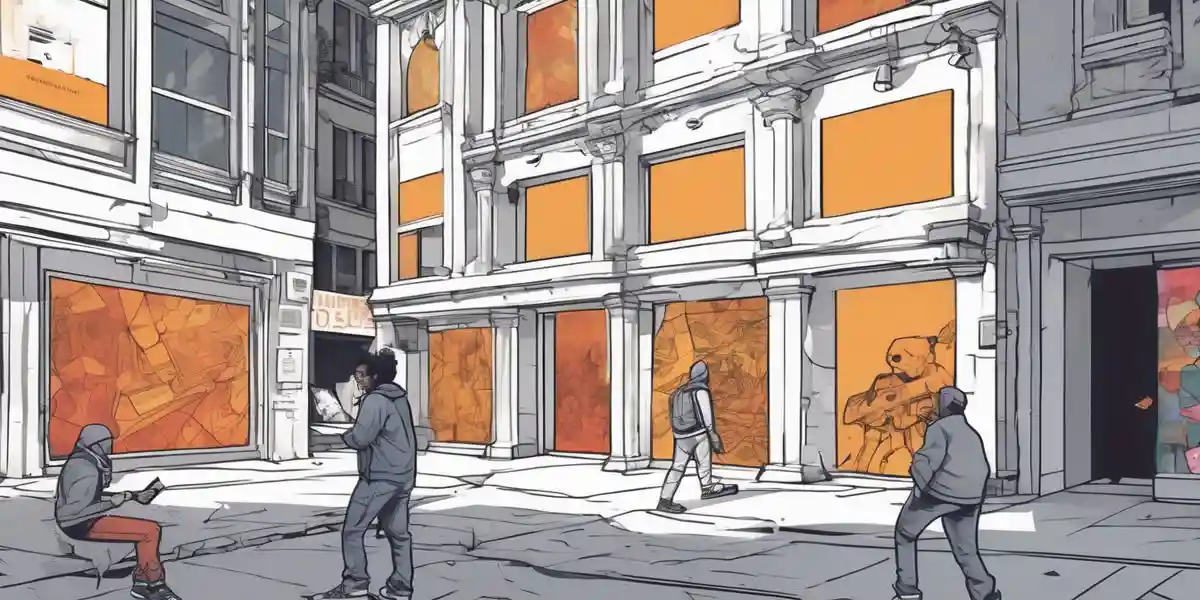
The rise of decentralized platforms powered by blockchain technology is set to transform the landscape of street art. Unlike traditional art markets, which often operate through galleries that take a significant cut of sales, decentralized platforms provide artists with direct access to their audience. This means that street artists can showcase their work without intermediaries, allowing them to retain a larger portion of their earnings. This shift is particularly impactful for street artists who have historically been marginalized and overlooked. By using platforms that leverage blockchain—such as those integrating the InterPlanetary File System (IPFS)—artists can create and store verifiable digital representations of their work. This not only addresses issues of ownership but also creates new economic opportunities, enabling artists to monetize their creations in ways they never could before.
Blockchain technology also facilitates the tokenization of street art. Tokenization involves creating a digital token that represents ownership of a specific piece of artwork. This process encourages artists to create limited editions or unique works that can be bought and sold on decentralized marketplaces. As a result, artists can generate income from both digital and physical versions of their artwork, tapping into a broader customer base. For example, street artists can sell NFTs (non-fungible tokens) that capture their work digitally while allowing buyers to claim ownership of the original piece or even receive royalties from potential resales. Such mechanisms not only enhance the economic viability of street art but also ensure artists receive a fairer compensation for their contributions to the artistic landscape.
Decentralized platforms also foster a sense of community among artists and their fans. By eliminating geographic barriers, artists can reach global audiences and build international followings. This connectivity empowers artists as they can engage directly with their fans, receive feedback, and cultivate a sense of loyalty. Moreover, community involvement can lead to funding opportunities such as crowd-funding for larger projects or collaborations. Whether through direct sales, donations, or support for specific initiatives, blockchain technology paves the way for new paths of economic engagement that benefit both artists and their supporters. This growing ecosystem of decentralized platforms not only contributes to the financial stability of artists but also elevates street art as a respected and valued form of creative expression.
As we've explored throughout this blog post, blockchain technology is not merely a technological advancement; it’s a transformative force reshaping the landscape of street art. From establishing clear provenance and protecting artists' copyrights to empowering creators through decentralized platforms and economic opportunities, blockchain is bridging the gap "from walls to wallets." We've learned how the authenticity of a piece can be secured through digital records, enabling street artists to reclaim ownership and gain fair compensation for their work. Furthermore, by decentralizing art sales and introducing NFTs, artists can engage directly with their audiences, fostering a community that values their creativity.
Key takeaways include the importance of copyright protection, which ensures that artists maintain control over their work; the potential for NFTs to provide new revenue streams; and the promise of decentralized marketplaces to create a more equitable ecosystem. All these elements highlight how blockchain empowers artists to evolve alongside technology, offering them tools to thrive in a rapidly changing environment.
As the world increasingly embraces these innovations, street art stands at the forefront of this revolution. If you're a street artist, consider exploring blockchain platforms to enhance your art's reach and protect your rights. For art enthusiasts, engaging with and supporting artists in this new digital space can pave the way for a more dynamic and connected art community. Together, let’s champion the shift from walls to wallets, celebrating the creativity that defines urban art in the digital age.
Get notified about new articles, coffee tips, and Web3 insights.
This site participates in affiliate programs and may earn a commission when a link is clicked and a purchase is made. The site is not responsible for any issues or troubles related to the products or services purchased through the use of this site.

DO&COFFEE loves coffee and technology, exploring the potential of NFTs and blockchain. Learn more →
DO&COFFEE loves coffee and technology, exploring the potential of NFTs and blockchain. Learn more →