art
2025/12/10

Have you ever wondered how technology can redefine what it means to be an artist in today’s digital age? As we navigate an increasingly interconnected world, the emergence of Web3 technology is shaking up the very foundations of the art world, offering unprecedented opportunities for creativity, authenticity, and ownership. From stunning digital paintings to collaborative performances, the potential for innovation seems limitless.
In this blog post, we will explore how Web3 is not just a buzzword but a transformative force that is reshaping artistic expression. We'll delve into fascinating topics such as the importance of provenance in the digital age, showcasing how Web3 ensures authenticity in generative art. Additionally, we’ll examine the role of non-fungible tokens (NFTs) as catalysts for enhancing artistic value and brand identity. Finally, we’ll confront the question of whether this technology is a genuine revolution or just another passing hype, analyzing its real effects on the art ecosystem. Join us on this journey to unlock the creative potential of Web3 and discover how it is changing the landscape of art as we know it.
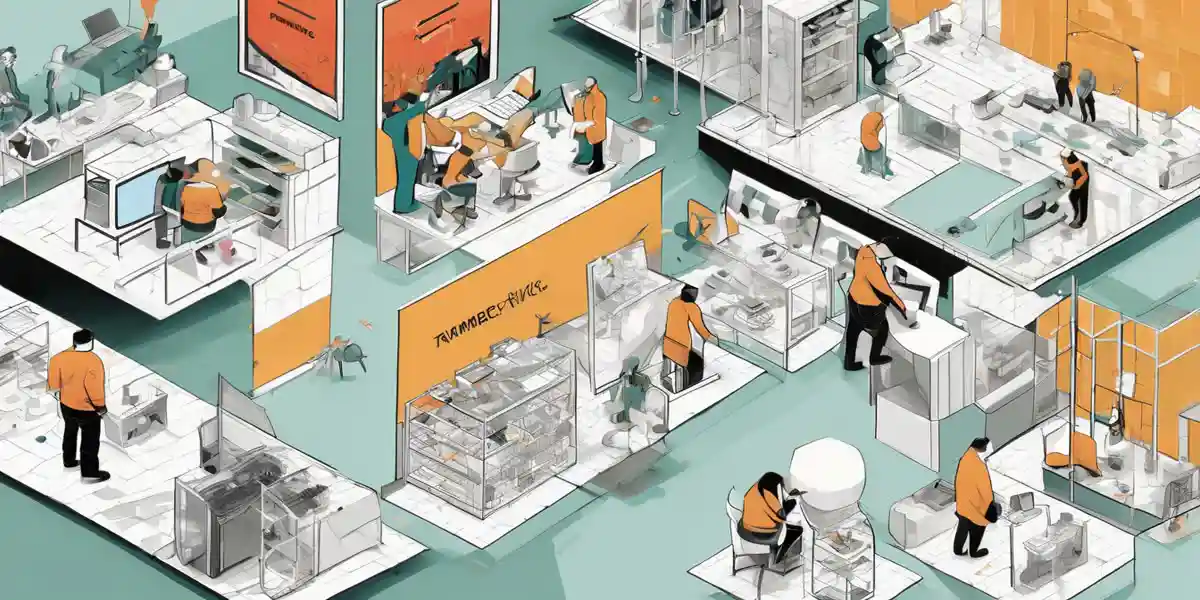
Provenance, or the history of ownership of a piece of art, is crucial in the art world. It verifies the authenticity of an artwork and can significantly influence its value. In a traditional setting, proving provenance often involves extensive research and documentation, which can be easily lost or tampered with. However, Web3 technology, particularly through the use of blockchain (a digital ledger system), is changing this paradigm by providing an immutable record of ownership and creation.
The research paper titled EKILA: Synthetic Media Provenance and Attribution for Generative Art showcases a decentralized framework that aims to address the notable challenges surrounding the attribution and recognition of generative art. This system empowers artists to receive credit for their contributions within the generative AI space. By employing a visual attribution technique and adhering to the C2PA (Coalition for Content Provenance and Authenticity) content provenance standard, EKILA can trace the origins of AI-generated content effectively. This ensures that artists and creators have a transparent and verifiable way to showcase their work, fostering trust and integrity in the burgeoning field of generative art.
The tokenization of artworks through non-fungible tokens (NFTs) has made a significant impact on how provenance is established and maintained. According to the paper NFTs, Blockchain, Cryptocurrency, Metaverse: The Web3 Revolution That Has Transformed the Art Market, one of the earliest instances of this is Kevin McCoy's "Quantum," which was tokenized in 2014 and later sold at Sotheby’s for USD 1.47 million in 2021. This sale not only highlighted the financial opportunities available within the digital art space but also underscored the role of blockchain in providing a public ledger that ensures provenance. Each NFT carries with it a history of its ownership and authenticity that cannot be altered, thereby safeguarding the integrity of the piece and adding layers of value that traditional art cannot easily replicate.
Web3 also fosters greater democratization in the art world, making it easier for new and emerging artists to establish their presence. By leveraging blockchain technology, artists can create their portfolios with verified provenance without the need for traditional gatekeepers, such as galleries or auction houses. This shift not only empowers artists but also allows collectors to invest knowing that they are purchasing verified and authentic works. The transparent nature of blockchain means that anyone can trace the lineage of an artwork, ensuring that the original creators are recognized and compensated fairly for their efforts, thus nurturing a more equitable ecosystem.
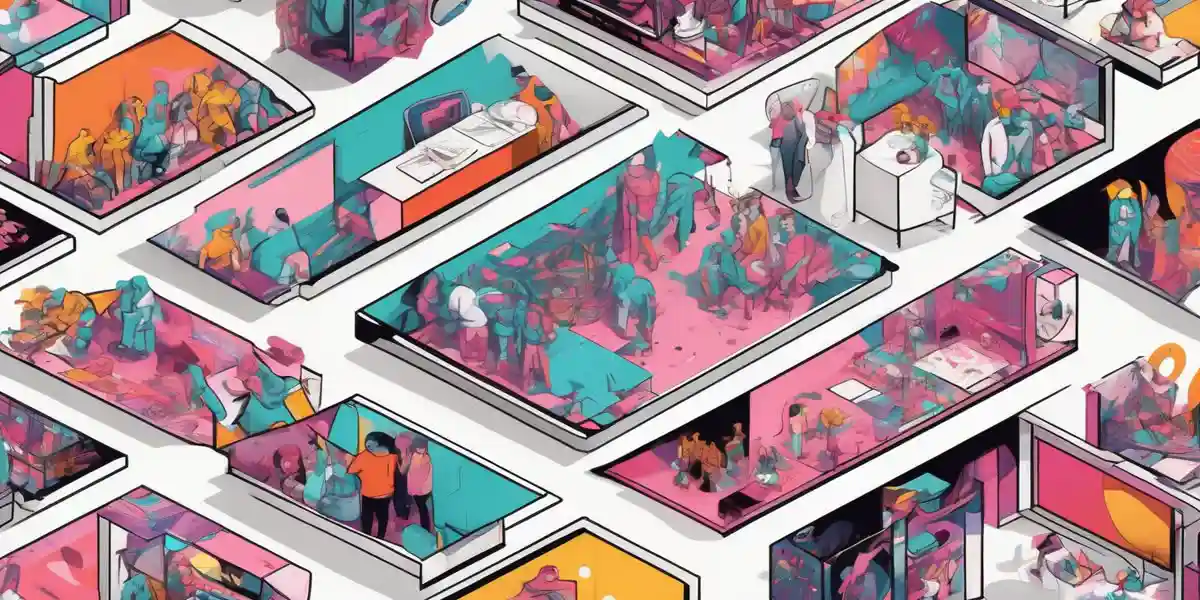
The emergence of non-fungible tokens (NFTs) has dramatically transformed the art market by providing a new way to establish and measure artistic value. NFTs are unique digital tokens secured on the blockchain, which means each token represents a distinct asset that cannot be replicated. This characteristic introduces a level of scarcity and verifiability that is crucial for the art world. For example, Kevin McCoy's "Quantum," recognized as one of the first artworks tokenized on the blockchain in 2014, was sold for an astounding USD 1.47 million at Sotheby's in 2021. This sale underscores the significant financial potential that NFTs bring to artists, paving the way for new methods of monetization in a traditionally hierarchical art market.
Beyond monetary value, NFTs also play a pivotal role in shaping and enhancing artists' brand identities. Artists can leverage NFTs as standalone brand assets, which can represent not only their creations but also their personal story and cultural context. This ability to tokenize aspects of their identity allows artists to connect more intimately with their audiences. According to the research paper "How can non-fungible tokens bring value to brands," NFTs can embody brand components, including products and logos, thus enabling artists to cultivate a more engaging and multifaceted brand presence. By utilizing NFTs, artists can forge deeper connections with collectors and fans, fostering community engagement and loyalty.
NFTs also address the critical issue of provenance—essential for establishing authenticity and value in the art world. The paper "EKILA: Synthetic Media Provenance and Attribution for Generative Art" highlights a decentralized framework that ensures creatives receive proper recognition and rewards for their contributions to generative AI. This system employs reliable visual attribution techniques and content provenance standards, allowing audiences and collectors to trace the origins of digital artworks confidently. As a result, artists can gain recognition for their work, which enhances their reputation and, ultimately, the financial value of their art.
By innovatively combining artistic expression with the technological capabilities of NFTs, artists are unleashing a creative revolution within the art landscape. This transformation fosters an environment where artistry is not only validated through traditional avenues but also modernized through blockchain technology, empowering artists to take control of their narratives and financial futures.
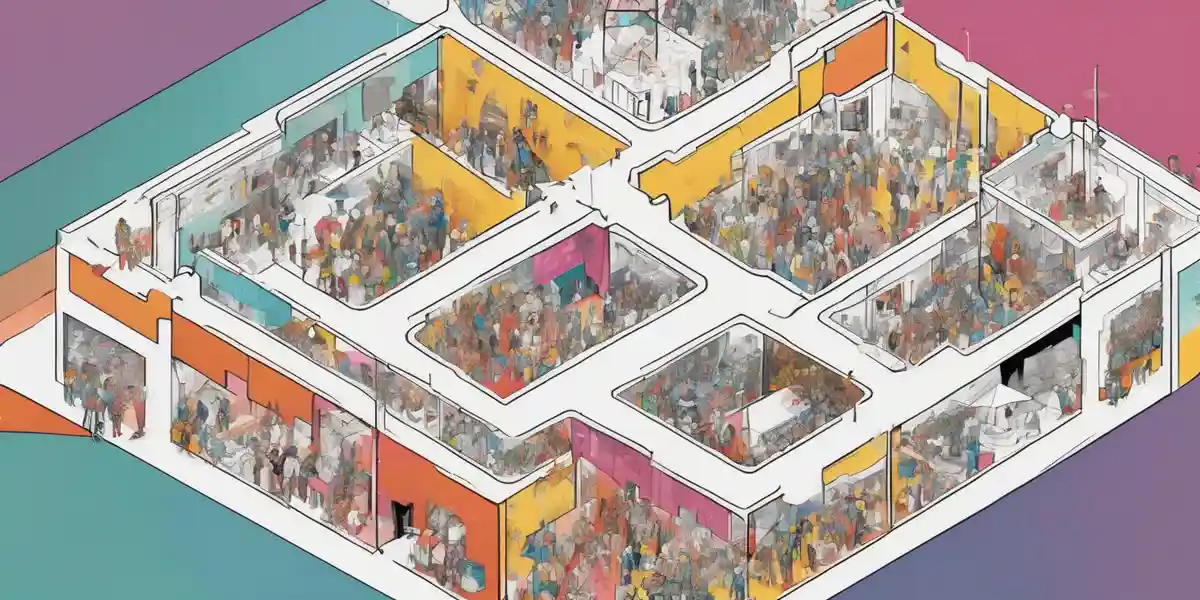
Web3 technology has introduced unprecedented changes within the art ecosystem, particularly in how artists gain recognition and ownership for their work. Traditional art markets often fail to adequately credit all contributors in collaborative or generative pieces. The paper "EKILA: Synthetic Media Provenance and Attribution for Generative Art" introduces a decentralized framework that addresses this issue. EKILA utilizes a robust visual attribution technique in conjunction with the C2PA (Coalition for Content Provenance and Authenticity) content provenance standard. This allows for the tracing of origins for AI-generated art, ensuring that all creatives receive appropriate recognition and rewards for their contributions. In effect, Web3 technology fosters a more equitable landscape where artists are not just creators but also acknowledged stakeholders in their work's journey through the digital space.
The rise of non-fungible tokens (NFTs) is perhaps the most visible impact of Web3 on the art world. NFTs have transformed the way digital art is bought, sold, and valued. According to the research paper "NFTs, Blockchain, Cryptocurrency, Metaverse: The Web3 Revolution That Has Transformed the Art Market," the sale of Kevin McCoy's "Quantum" at Sotheby’s for USD 1.47 million showcases the potential of tokenized art. This event marked a watershed moment, signaling to both artists and buyers that digital art holds tangible value within the blockchain ecosystem. The allure of NFTs lies in their ability to offer something that traditional art sales often cannot: verifiable ownership and provenance that is immutably recorded on the blockchain. This shift not only opens new revenue streams for artists but also enhances their ability to connect directly with their audience, eliminating intermediaries that previously controlled access to the art market.
Furthermore, the implications of Web3 technology reach beyond individual artists to the art brands themselves. The paper "How can non-fungible tokens bring value to brands" discusses how NFTs can represent various aspects of a brand's identity, including products and logos. By integrating NFTs into their marketing strategies, brands can engage their audience in novel ways, transforming art into an interactive experience. This presents a unique opportunity for artists who collaborate with brands, enabling them to leverage the growing popularity of NFTs to gain exposure and financial support while pushing the boundaries of what art can be.
Overall, it is clear that Web3 technology is not merely a fleeting trend. The impacts discussed here outline a profound transformation in the art world, highlighting its potential to democratize the art market, elevate the status of artists, and redefine how art is valued and experienced. As the technology evolves, the art ecosystem will likely continue to adapt and flourish in previously unimaginable ways.
As we've explored, Web3 technology is not just a buzzword but a transformative force in the art world, unlocking unprecedented levels of creativity and opportunities for artists and collectors alike. From ensuring the authenticity of generative art with immutable provenance to the empowering influence of NFTs that redefine artistic value and brand identity, the implications are profound. Moreover, while some might question whether these changes signify a revolution or mere hype, it's clear that the real effects are beginning to reshape the entire art ecosystem.
Key takeaways from our discussion include how Web3 technology provides artists with direct access to their audience, fostering a deeper connection and enabling more innovative expressions. Furthermore, the democratization of the art market through decentralized platforms allows for a diverse array of voices to emerge, showcasing art that reflects broader societal narratives.
In conclusion, as we stand on the brink of this new artistic frontier, it’s essential for artists, collectors, and enthusiasts to embrace these technological advancements. By actively engaging with Web3 tools and concepts, we can collectively unlock new forms of creativity and ensure that art continues to evolve in ways that are inclusive, authentic, and inspiring. Let’s not just observe this transformation; let's be part of it. Explore the possibilities of Web3 and contribute to the future of art today!
Get notified about new articles, coffee tips, and Web3 insights.
This site participates in affiliate programs and may earn a commission when a link is clicked and a purchase is made. The site is not responsible for any issues or troubles related to the products or services purchased through the use of this site.
DO&COFFEE loves coffee and technology, exploring the potential of NFTs and blockchain. Learn more →
DO&COFFEE loves coffee and technology, exploring the potential of NFTs and blockchain. Learn more →