art
2025/03/14
As we stand at the crossroads of art and technology, an intriguing phenomenon has emerged: street art, a vibrant expression of urban culture, is finding new life in the form of Non-Fungible Tokens (NFTs). This shift marks a pivotal moment where the gritty walls of cityscapes are transformed into digital canvases, allowing street artists to monetize their creativity like never before. But what does this mean for the artists who once relied solely on the ephemeral nature of their work? In this blog post, we will explore how NFTs are revolutionizing the street art scene, creating opportunities for artists to reach a global audience while maintaining ownership of their creations. We'll delve into the mechanics of blockchain technology that underpin this transformation, showcase successful street artists who have embraced NFTs, and consider the challenges and ethical dilemmas that arise when public art meets the digital marketplace. How can we ensure that the rebellious spirit of street art remains intact in this new digital frontier? Join us as we unpack this exciting intersection of creativity and commerce, and discover how street art is cashing in on the NFT boom.
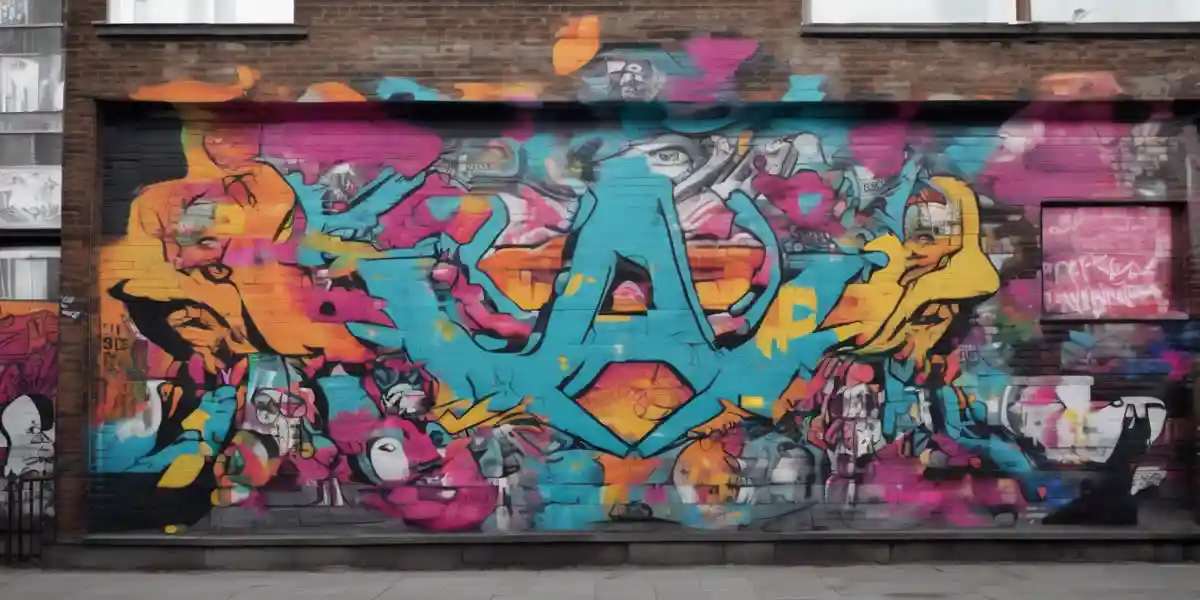
This section explores the fascinating intersection of street art and Non-Fungible Tokens (NFTs), shedding light on how this unique blend is reshaping the art landscape.
Street art has long been a vibrant form of expression, rooted in urban environments and community narratives. Traditionally viewed as acts of rebellion or vandalism, it has evolved into a recognized medium that conveys complex social and political messages. Artists like Banksy have elevated this form of art from the shadows of illegitimacy to the spotlight of mainstream culture, showcasing how murals and graffiti can encapsulate powerful statements about society.
However, the visibility and acceptance of street art in galleries and corporate spaces have also sparked debates about commercialization and authenticity. As street art transitions from public walls to curated exhibitions, it raises pertinent questions: What happens to the original spirit of street art when it is commodified? How do we maintain its raw, rebellious nature in a world increasingly driven by profit?
Enter Non-Fungible Tokens (NFTs), a revolutionary digital asset class that has taken the art world by storm. NFTs function as unique identifiers for digital files, verifying ownership and provenance through blockchain technology. This innovation has unlocked new possibilities for artists, enabling them to sell their work directly to collectors without the need for traditional intermediaries like galleries or auction houses.
For street artists, NFTs present an unprecedented opportunity to monetize their work while maintaining control over their creations. By minting their art as NFTs, they can reach a global audience, attract collectors, and even earn royalties on future sales. This shift not only empowers artists financially but also allows them to engage with their audience on a more personal level, cultivating a community of supporters who appreciate their work beyond mere monetary value.
Consider the case of digital artist Beeple, who sold an NFT for a staggering $69 million at Christie’s auction house. While Beeple's work is not street art in the traditional sense, it signifies a broader acceptance of digital art forms in the marketplace. Similarly, street artists are beginning to explore NFTs as a viable revenue stream. For instance, the artist known as BossLogic has successfully launched NFT collections, bridging the gap between street culture and the digital economy.
Moreover, platforms like OpenSea and Rarible have emerged as popular marketplaces for artists to showcase and sell their NFT creations. These platforms not only facilitate transactions but also emphasize the importance of community interaction, where artists can connect with their fans directly. This dynamic is a far cry from the traditional art market, where artists often remain distant from their buyers.
As we celebrate the fusion of street art and NFTs, it’s crucial to address the ethical considerations surrounding this transformation. How do we ensure that the essence of street art—rooted in its subversive and communal nature—remains intact in its digital incarnation? Artists must navigate the fine line between commercialization and authenticity, ensuring their work reflects their original intent while adapting to the evolving digital landscape.
With this digital frontier unfolding, the conversation surrounding street art and NFTs is only just beginning. As artists, collectors, and communities engage in this new paradigm, the potential for redefining the narrative of street art is immense, promising a future where creativity, culture, and technology can coexist harmoniously.
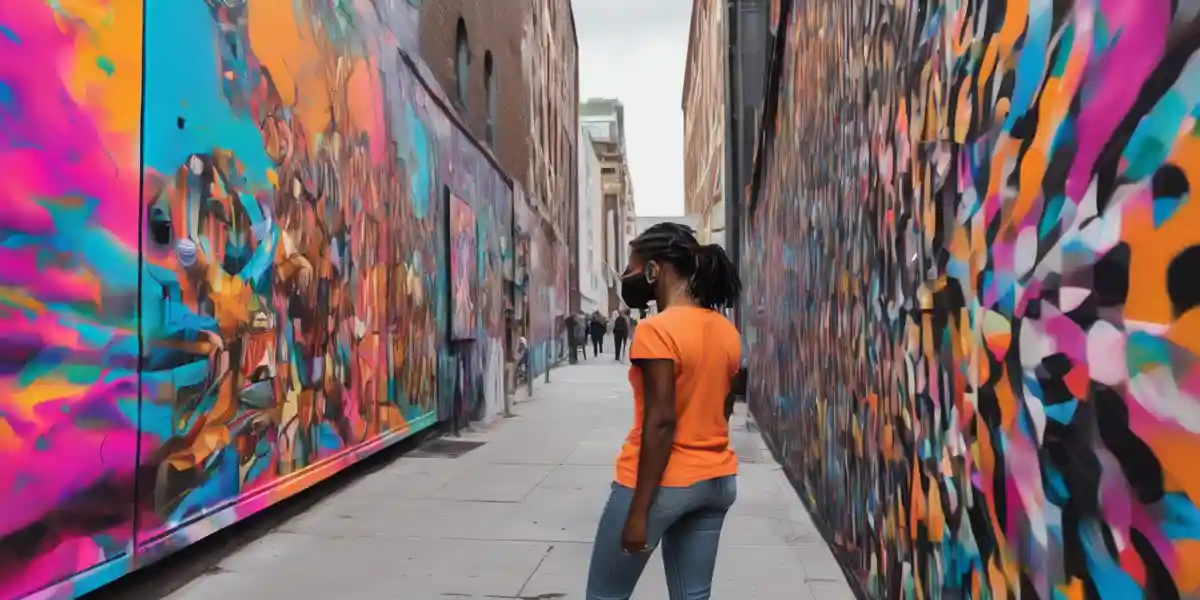
The metamorphosis of street artwork into digital assets through NFTs is not just a trend; it represents a profound shift in how art can be perceived, owned, and monetized. By converting their vibrant murals and provocative graffiti into unique digital tokens, street artists are redefining their place within the broader art ecosystem.
Historically, street art has been relegated to the fringes of the art world, often viewed as vandalism rather than valuable cultural expressions. However, as societal attitudes have shifted, street art has gained recognition as a legitimate form of artistic expression. The introduction of NFTs has provided a new platform for these artists, allowing them to take their work from the streets and into the digital galleries of the internet.
Take, for instance, the work of renowned street artist Banksy. His piece "Girl with Balloon," which famously shredded itself at auction, was later sold as an NFT for $6.4 million. This incident illustrates the potential for street art to transcend its traditional boundaries, transforming not just the physical artwork but also the artist's relationship with collectors and fans. Through NFTs, street artists can now create a digital version of their work that maintains its uniqueness and authenticity, a crucial aspect that appeals to collectors in the digital age.
One of the most exciting aspects of NFTs is their ability to empower artists financially. In traditional art sales, artists often receive a one-time payment for their work, with subsequent profits going to galleries and auction houses. However, with NFTs, artists can earn royalties on secondary sales, ensuring they benefit from the appreciation of their work over time. This paradigm shift allows street artists to cultivate a sustainable income, enabling them to focus on their craft rather than solely relying on commissions or sales from physical pieces.
Platforms like OpenSea and Rarible have emerged as marketplaces specifically designed for digital art, allowing artists to mint their work as NFTs easily. This democratization of art sales enables street artists to bypass the traditional gatekeepers of the art world, connecting directly with their audience and building a community around their work. Imagine a mural artist in a bustling urban environment gaining recognition not just locally but globally, all thanks to a digital representation of their work.
While the transformation of street artwork into digital assets presents exciting opportunities, it also comes with challenges. As street art is deeply rooted in community and social commentary, questions arise regarding authenticity and the commercialization of public art. How can we ensure that the original spirit of rebellion and expression inherent in street art is preserved in its digital form? The commodification of art raises ethical concerns about ownership, especially when pieces are created in public spaces without the artist's explicit permission for commercial exploitation.
Moreover, the NFT market is not without its pitfalls. Issues of copyright and intellectual property can complicate the landscape for street artists looking to protect their work. As the digital art space continues to evolve, it is imperative for artists to navigate these challenges carefully, ensuring that their rights are upheld while still embracing the innovation brought about by NFTs.
One of the most significant advantages of transforming street art into digital assets is the ability to connect with a global audience. Digital tokens can be bought and sold anywhere in the world, breaking down geographical barriers that once confined street artists to their local scenes. For example, an artist based in São Paulo can now gain recognition and sell their work to collectors in Tokyo, Los Angeles, or Berlin, creating a truly global marketplace for street art.
This ability to reach a wider audience not only allows street artists to gain financial independence but also enhances cultural exchange. Artists can share their narratives and perspectives with a diverse audience, fostering a sense of community and dialogue that transcends borders. Just as street art often serves as a voice for the marginalized, the NFT marketplace can amplify these voices, facilitating a richer understanding of cultural dynamics and expressions.
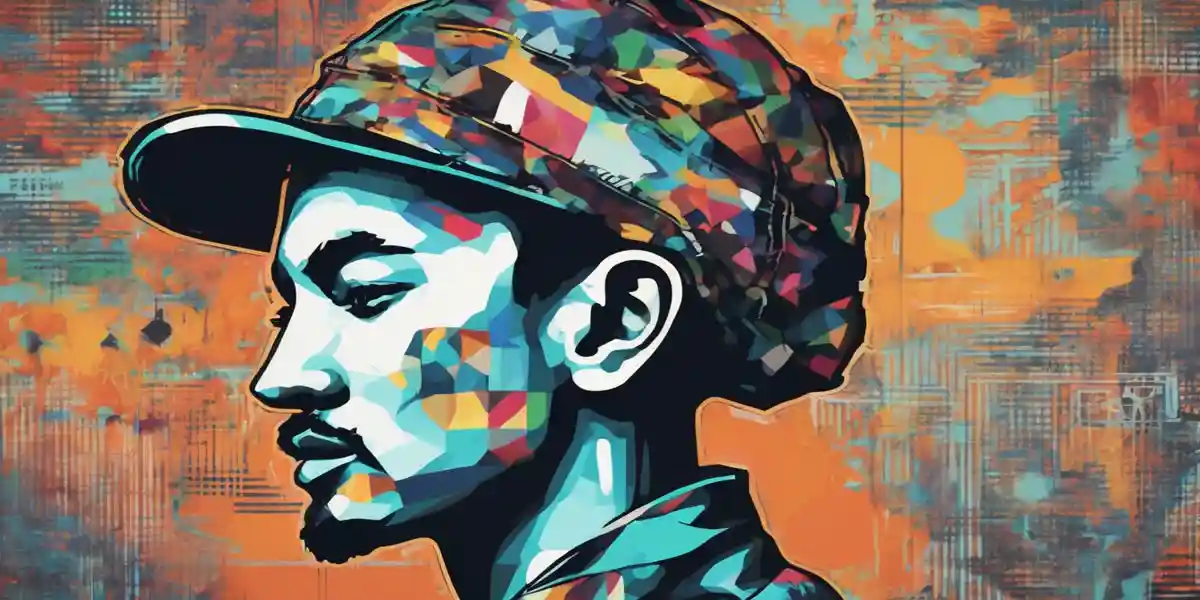
At the heart of the NFT boom lies blockchain technology, a revolutionary system that is reshaping how we think about ownership, authenticity, and value in the digital age. For street artists venturing into the NFT space, understanding blockchain is crucial, as it not only facilitates the creation and sale of their digital art but also ensures their rights are protected in ways that traditional systems often fail to do.
Blockchain is a decentralized ledger that records transactions across many computers so that the recorded transactions cannot be altered retroactively. This characteristic of immutability makes blockchain a powerful tool for artists determining the provenance of their works. When street artists mint their pieces as NFTs, they create a unique digital certificate of authenticity that resides on the blockchain. This certificate is tamper-proof, ensuring that the ownership history of the artwork is transparent and verifiable.
One of the most compelling features of blockchain technology is its ability to confer authenticity through cryptographic verification. Each NFT is unique and cannot be replicated, allowing artists to maintain ownership and control over their works. For instance, when renowned street artist Banksy created an NFT of his artwork "Love is in the Bin," the digital token verified his authorship and ensured that collectors had proof of ownership. This not only elevated the value of the piece but also sparked a conversation about the intersection of street art and digital ownership.
Traditionally, artists often relied on galleries and auction houses to sell their work, which could lead to significant cuts from their earnings. Blockchain technology disrupts this model by allowing artists to sell directly to collectors through NFT marketplaces like OpenSea and Rarible. This direct-to-consumer approach not only empowers artists but also increases their profit margins. For example, the street artist known as KAWS has successfully sold his digital works as NFTs without needing intermediaries, retaining a larger portion of the proceeds.
In addition to initial sales, blockchain technology enables artists to earn royalties on future transactions of their NFTs. This is a game-changer for street artists who often see their physical works sold multiple times in the secondary market without any compensation. Smart contracts—self-executing contracts with the terms of the agreement directly written into code—allow for automatic royalty payments to the artist every time the NFT is sold to a new owner. This feature fosters a sustainable income model for artists, which was previously elusive in the traditional art world.
Recent datasets from NFT marketplaces demonstrate a significant surge in the popularity and market value of street art NFTs. According to reports, the sales volume of art NFTs reached unprecedented levels, with notable street artists commanding high prices. For instance, when street artist Trevor Andrew, known as "GucciGhost," sold his NFTs, the auction prices skyrocketed, reflecting both the demand for his unique style and the advantages blockchain technology provides in terms of provenance and authenticity.
While blockchain presents numerous benefits, it is important to acknowledge the challenges it poses, particularly regarding environmental sustainability. The energy consumption associated with blockchain transactions has raised concerns, prompting artists and collectors alike to consider the ecological impact of their digital practices. Additionally, as street art transitions into the digital realm, the question of how to retain the spirit of rebellion and authenticity remains paramount. Can the essence of street art, often rooted in public expression and community engagement, survive in a commodified digital format?
As we navigate the complex interplay between street art and NFTs, it's clear that we are witnessing a significant transformation in the art world. The rise of NFTs has not only empowered street artists financially but also allowed them to reclaim their artistic identity in a digital marketplace that was previously dominated by traditional art forms. By leveraging blockchain technology, artists can now authenticate their work, maintain ownership, and even earn royalties from future sales, fundamentally changing how art is perceived and monetized.
However, this evolution is not without its challenges. The commercialization of street art raises important questions about authenticity and the preservation of its subversive spirit. As street art transitions from public walls to digital wallets, how can artists ensure that the very essence of their work—its roots in community and rebellion—remains intact? The potential for exploitation and dilution of artistic intent looms large in a marketplace driven by profit and visibility.
Moreover, the global reach facilitated by NFTs fosters cultural exchange and community building, providing artists with the opportunity to connect with audiences beyond geographical boundaries. Yet, this same accessibility raises ethical considerations about ownership and the commodification of art that was once meant for public consumption.
As we look to the future, both artists and collectors must engage in conversations about how to navigate this new terrain responsibly. Will we embrace the innovation that NFTs offer while preserving the core values of street art? How can we ensure that this digital revolution enhances rather than undermines the authenticity of artistic expression?
As you ponder these questions, consider your role in this unfolding narrative. Whether you're an artist, a collector, or simply an admirer of street art, your perspective matters. Join the dialogue, support artists, and advocate for practices that honor the spirit of street art as we delve into this exciting new chapter. After all, the walls may be digital now, but the message remains just as powerful.
Get notified about new articles, coffee tips, and Web3 insights.
This site participates in affiliate programs and may earn a commission when a link is clicked and a purchase is made. The site is not responsible for any issues or troubles related to the products or services purchased through the use of this site.

DO&COFFEE loves coffee and technology, exploring the potential of NFTs and blockchain. Learn more →
DO&COFFEE loves coffee and technology, exploring the potential of NFTs and blockchain. Learn more →