art
2025/03/14
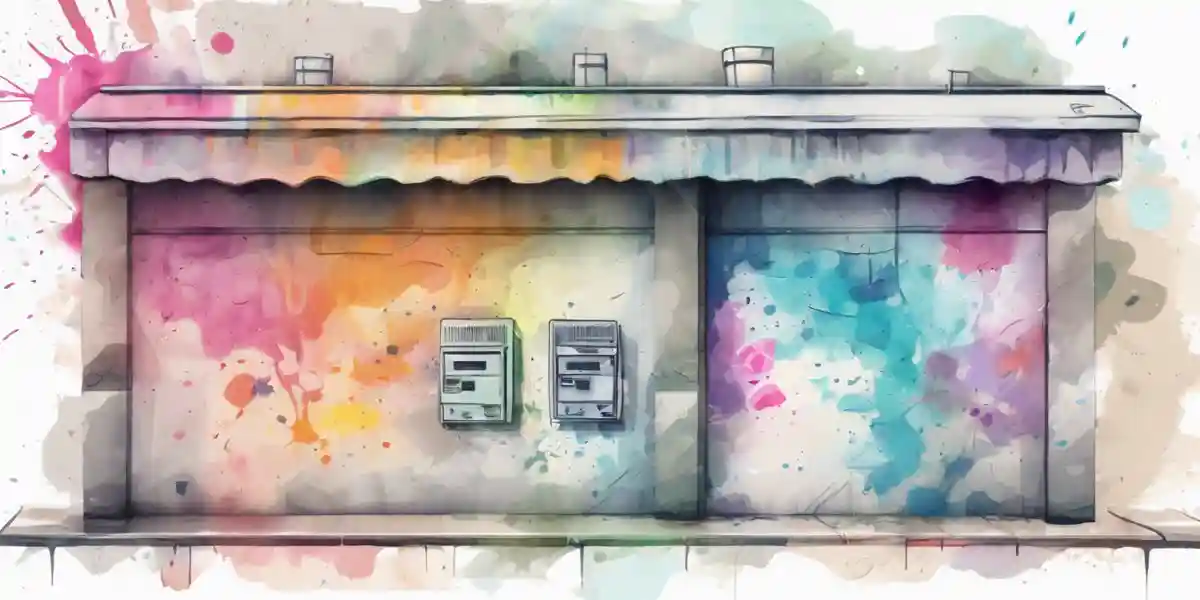
Imagine walking through the vibrant streets of your city, where murals tell stories of culture and resilience, and graffiti bursts with the passion of the community. Now, what if I told you that this dynamic form of expression is not just confined to physical walls but is transforming into a digital phenomenon? Welcome to the world where street art meets Web3 technology—a realm where creativity transcends traditional boundaries, allowing artists to monetize their work in innovative ways and connect with a global audience like never before.
In this blog post, we will explore how street artists are leveraging Non-Fungible Tokens (NFTs) to turn their creations into digital assets that can be bought, sold, and traded. This evolution not only creates new revenue streams but also democratizes access to art, enabling anyone with an internet connection to appreciate and own a piece of culture that once belonged exclusively to city streets. As we delve deeper, we'll examine how augmented reality (AR) enhances this experience, bringing artworks to life through interactive digital layers that add a new dimension to street art.
Ultimately, this journey from walls to wallets is more than just a technological shift; it represents a cultural evolution that challenges traditional art ownership paradigms and fosters community engagement in unprecedented ways. Join us as we unravel the intricate relationship between street art and Web3 technology, and discover how this fusion is redefining the way we perceive and interact with art in our everyday lives.
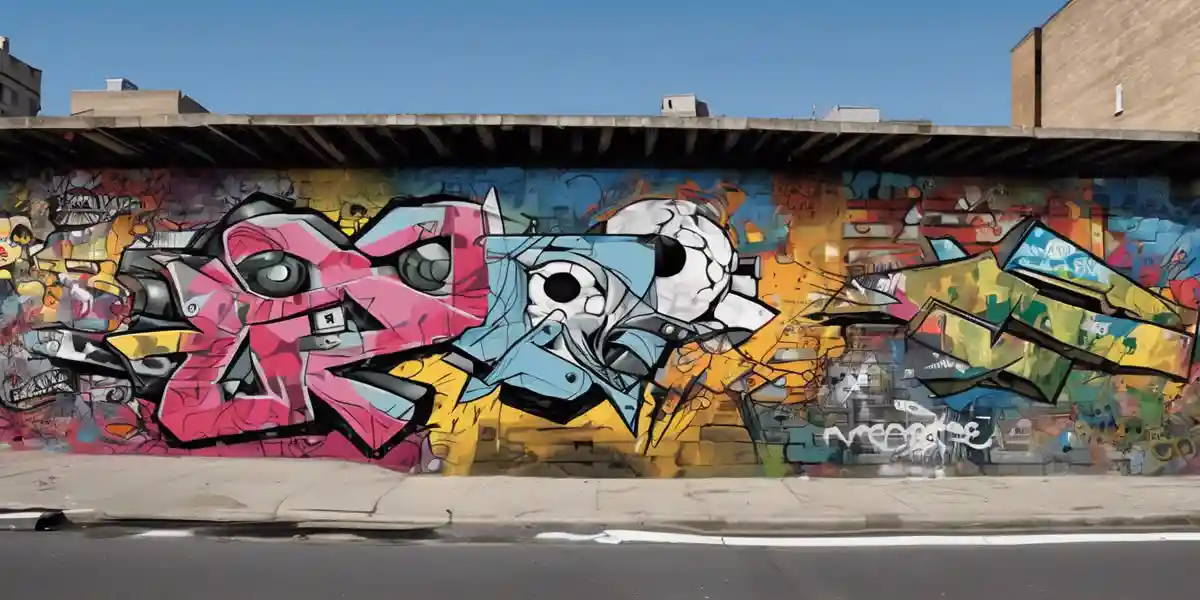
Street art has transcended its origins as mere vandalism to become a powerful medium of expression and cultural significance. This evolution is rooted in a rich history that reflects societal changes, artistic movements, and technological advancements.
Street art as we know it today began to take shape in the late 20th century. Emerging primarily in urban environments, it was often a response to social and political issues. Artists like Jean-Michel Basquiat and Keith Haring made their marks on the streets of New York City, turning public spaces into canvases for their commentary on race, class, and identity. These early pioneers laid the groundwork for future generations, who would continue to use the streets as a platform for artistic expression.
As the 1990s rolled in, street art began to diversify. Styles and techniques proliferated, ranging from traditional graffiti to elaborate murals and stencils. Artists like Banksy brought a satirical edge, using wit to critique societal norms and political structures. The shift from simple tags to intricate artworks indicated a maturation of the medium, garnering increasing recognition and respect from the art community and the public alike.
Technology has played a pivotal role in the evolution of street art. The advent of social media platforms like Instagram and Facebook allowed artists to showcase their work beyond the physical confines of their city streets. For the first time, a mural created in a small neighborhood could gain global attention with just a few clicks. This visibility has not only expanded the reach of street artists but has also sparked conversations about the commodification of public art.
Today, street art encompasses a plethora of styles and messages, reflecting the diverse voices of the communities it inhabits. Artists are increasingly collaborating with brands and organizations, resulting in commissioned works that blur the lines between commercial and community art. The integration of Augmented Reality (AR) technologies is also on the rise, where physical murals are enhanced with digital layers that tell additional stories or provide interactive experiences. This fusion of the physical and digital realms marks a significant evolution in how street art is created, consumed, and valued.
Street art has emerged as a vital form of cultural expression, often addressing pressing issues such as social justice, environmental concerns, and political commentary. It serves not only as a form of aesthetic pleasure but also as a catalyst for dialogue and change within communities. The democratization of art access challenges traditional art ownership models and opens avenues for new forms of engagement and appreciation.
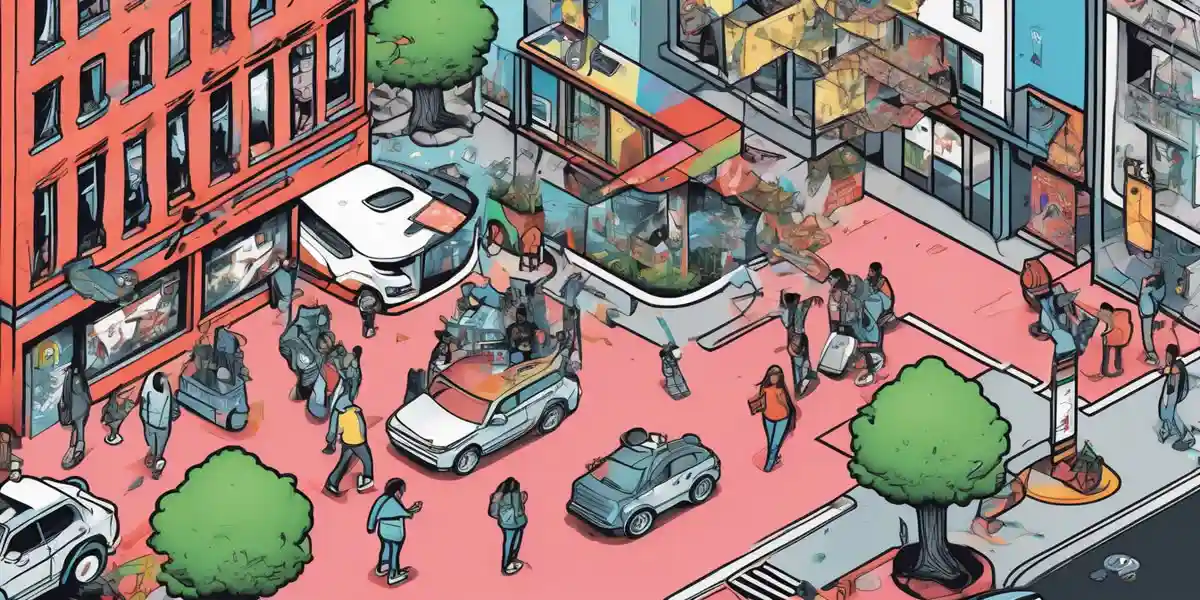
As street art continues to evolve from simple murals and graffiti to a recognized form of artistic expression, the integration of Web3 technology presents an exciting intersection that amplifies its cultural significance and monetization potential. The synergy between these two realms is reshaping how we perceive, engage with, and value street art in our increasingly digital world.
At the core of Web3 technology is blockchain, which provides a decentralized, transparent, and secure method for verifying ownership of digital assets. For street artists, this means that a piece of art originally displayed on a city wall can now be minted as a non-fungible token (NFT), allowing it to exist in the digital space with a unique identifier. This not only establishes a clear provenance for the artwork but also ensures that artists receive fair compensation through smart contracts embedded within the NFT.
Consider the example of renowned street artist Banksy, whose works have made headlines not just for their provocative content but for their auction prices. Imagine if Banksy’s murals could be tokenized on a blockchain, allowing fans to purchase a verified piece of his art digitally—providing both ownership and a potential investment opportunity, while also preserving the artist's rights and royalties with each sale.
The fusion of street art and augmented reality (AR) further enhances this intersection. By utilizing AR technology, artists can create immersive experiences that go beyond the physical limitations of a mural. For instance, a street artist might design an interactive mural that, when scanned with a smartphone, reveals animations or soundscapes that deepen the viewer's connection to the artwork.
A recent project exemplifies this innovation by enabling users to connect their NFTs to platforms like OpenSea, allowing them to display their digital art collections through AR. This experience not only personalizes the interaction but also fosters community engagement as viewers share their unique experiences with others. Imagine a group of art enthusiasts gathering in front of a mural, their phones displaying an animated story that unfolds the artist's vision, transforming a static piece into a dynamic narrative.
Web3 technology also empowers street artists by decentralizing the traditional art market, which is often dominated by galleries and auction houses. This shift allows artists to connect directly with their audience, circumventing the barriers that have historically limited access to art ownership. For example, platforms like Foundation and Rarible enable artists to mint and sell their work as NFTs directly to collectors, democratizing the process and broadening the audience base.
Moreover, the rise of community-driven projects, where fans can engage in co-creating art or supporting artists through crowdfunding models, is transforming the street art scene. Artists can utilize platforms to harness the power of their fanbase, creating a sense of ownership and investment in the artwork. This not only increases the visibility of street artists but also cultivates a loyal community that supports their work both online and offline.
Despite the promising prospects of merging street art with Web3 technology, challenges remain. Issues surrounding copyright infringement and the environmental impact of blockchain technology are significant hurdles that need to be addressed. As street artists navigate this new digital landscape, the importance of secure ownership verification systems becomes paramount. Innovations such as the InterPlanetary File System (IPFS) and the ERC721 standard are paving the way for artists to ensure authenticity and fair compensation, reinforcing trust in the digital art marketplace.
The future of street art within the Web3 framework holds immense potential. As technology continues to evolve, so too will the methods by which artists create, share, and monetize their work. The blend of physical and digital realms not only enhances the aesthetic experience of street art but also allows for greater creativity and connection in our increasingly digitized world.
The rise of Non-Fungible Tokens (NFTs) has revolutionized the way we perceive ownership and value in the art world, particularly for street artwork. By anchoring digital representations of physical art to blockchain technology, NFTs provide a secure and verifiable method to claim authenticity and ownership. This section explores the unique interplay between NFTs and street art, shedding light on how this technology can empower artists and transform their relationship with audiences.
At its core, an NFT is a digital asset that represents ownership of a unique item or piece of content on the blockchain. Unlike cryptocurrencies such as Bitcoin or Ethereum, which are fungible and can be exchanged for one another, NFTs are one-of-a-kind and cannot be replicated. This uniqueness is what makes NFTs particularly suitable for artists: they can tokenize their work, ensuring that each piece is distinct and traceable.
Imagine a mural that captures the spirit of a neighborhood. Traditionally, such artwork exists in a physical space, open to anyone who walks by, yet its ownership remains ambiguous. By minting this mural as an NFT, the artist can create a digital certificate of authenticity that accompanies the artwork. This process not only allows for the sale of the artwork but also provides a proof of provenance—an essential factor in the art market.
For instance, renowned street artist Banksy has utilized this concept by turning his physical works into NFTs. When he shredded an artwork titled "Girl with Balloon" just after it was sold at auction, the very act of destruction transformed its value and meaning. The digital version, now an NFT, retains the artwork's essence while opening new avenues for collectors and fans. This fusion of physical and digital art reshapes how we view ownership and value in street art.
One of the most compelling aspects of NFTs is their use of smart contracts—self-executing contracts with the terms of the agreement directly written into code. This technology underpins the integrity of NFT transactions and ensures that artists receive fair compensation whenever their work is resold. For example, an artist can set a royalty percentage within the smart contract, guaranteeing that they earn a portion of future sales. This model contrasts starkly with traditional sales in galleries, where artists often see little ongoing benefit from their work once it leaves the gallery.
The integration of augmented reality (AR) adds an exciting layer to the NFT experience. By using AR, artists can enhance their physical street artworks with digital components, such as animations or interactive features, that can only be unlocked by NFT holders. For instance, a mural could come to life through a smartphone app that reveals hidden messages or visual extensions of the artwork. This not only deepens engagement with the art but also allows artists to create immersive experiences that connect with their audiences in novel ways.
While the potential for NFTs in street art is vast, it is not without challenges. Issues related to copyright infringement, the environmental impact of blockchain technology, and the volatility of the NFT market can pose significant risks for artists. However, these challenges also present opportunities for innovation. As artists and technologists collaborate, new platforms and solutions will emerge to address these concerns, fostering a more sustainable and equitable digital art landscape.
By embracing NFTs, street artists can transcend the limitations of traditional art markets, gaining not only financial independence but also a global audience. The journey from walls to wallets is about more than just technology; it embodies a cultural shift that recognizes the value of street art in all its forms.
As we navigate through the intricate relationship between street art and Web3 technology, it becomes evident that we are witnessing a transformative era for artists and audiences alike. Street art, once dismissed as mere vandalism, has evolved into a dynamic form of cultural expression, empowered by the innovations of the digital age. Through the lens of NFTs, artists can now secure their work's authenticity and ownership, ensuring they receive fair compensation for their creativity in a way that was previously unattainable. The case studies of pioneering street artists leveraging these technologies illustrate the potential for financial independence and global reach.
The integration of augmented reality not only enhances the viewer's experience but also opens up new avenues for interaction, allowing audiences to engage with art in ways that transcend traditional boundaries. Furthermore, the shift towards decentralization fosters community engagement, empowering artists to connect directly with their supporters and cultivate a loyal fanbase. However, as we embrace these opportunities, we must also be mindful of the challenges posed by copyright issues and the environmental impact of blockchain technology, calling for a collective effort towards sustainable practices.
As you reflect on the evolution of street art in our digital economy, consider the broader implications of this transformation. How will you, as a member of the audience, engage with and support this new wave of artists? Will you explore the world of NFTs, or perhaps advocate for sustainable practices within this burgeoning field? The walls of our cities are now gateways to a digital realm—let us not just witness this change, but actively participate in shaping a future where art, technology, and community thrive together.
Get notified about new articles, coffee tips, and Web3 insights.
This site participates in affiliate programs and may earn a commission when a link is clicked and a purchase is made. The site is not responsible for any issues or troubles related to the products or services purchased through the use of this site.

DO&COFFEE loves coffee and technology, exploring the potential of NFTs and blockchain. Learn more →
DO&COFFEE loves coffee and technology, exploring the potential of NFTs and blockchain. Learn more →