wellness
2024/09/14

In the fast-paced world of Web3 development, where the relentless rhythm of coding often overshadows personal well-being, the idea of a structured meal plan might seem like an unattainable luxury. Yet, what if I told you that the right nutrition could be your secret weapon for success? Enter "Nourishment by Design"—a transformative approach to healthy eating that seamlessly integrates into the demanding lives of busy developers. This blog post explores how a well-crafted meal plan can not only enhance your cognitive performance but also sustain your energy levels throughout those marathon coding sessions.
Imagine quick, nutrient-dense meals that require minimal prep time, allowing you to stay focused on your projects without the dreaded sluggishness that often follows poor dietary choices. Research underscores the importance of nutrition in cognitive performance, revealing that nutrient-rich foods can boost focus and metabolic efficiency—crucial elements for anyone navigating the complexities of decentralized technology. In this post, we'll delve into essential nutrients that fuel your brain, offer sample meal plans tailored for your hectic schedule, and share tips for maintaining a healthy diet amidst the chaos of deadlines and deployments.
By embracing this holistic view of health, you'll not only elevate your well-being but also enhance your productivity, leading to better outcomes in your projects. So, are you ready to fuel your code and unlock your full potential as a Web3 developer?
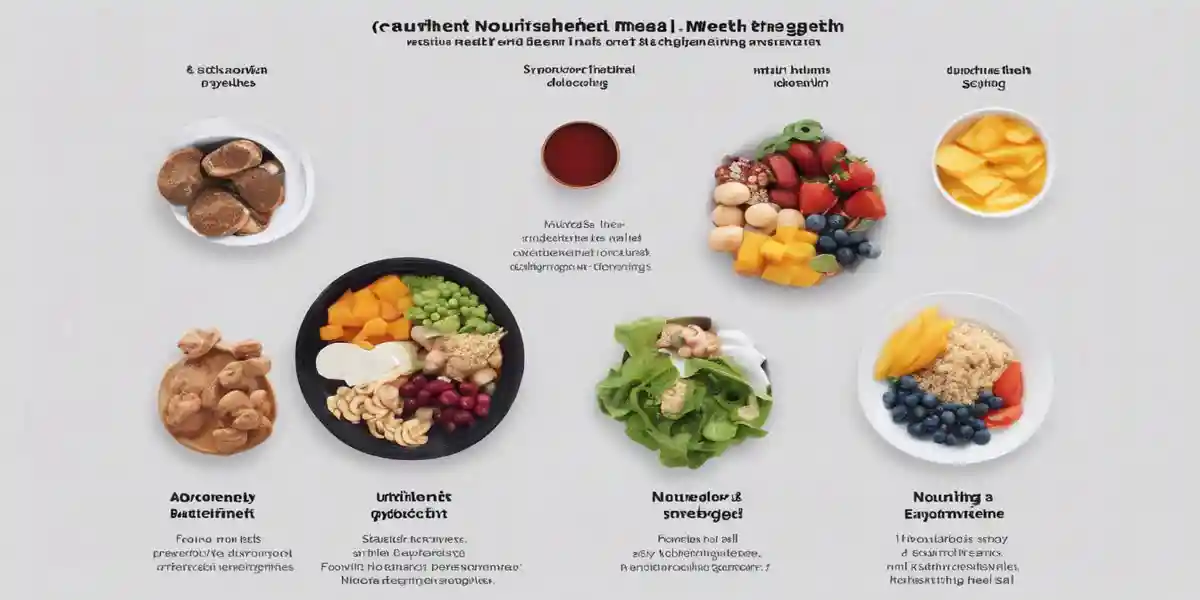
In the fast-paced world of Web3 development, where lines of code often take precedence over personal well-being, the notion of a structured meal plan could feel like a luxury that busy developers can't afford. However, the concept of “Nourishment by Design” emerges as a game-changer for those looking to optimize their health without sacrificing productivity.
Imagine a meal plan that not only fits seamlessly into the hectic schedules of developers but also fuels their cognitive performance and sustains their energy levels. In this industry, where mental acuity is paramount, understanding the relationship between nutrition and cognitive function is essential. Research shows that elite esports athletes—akin to Web3 developers in their need for focus and endurance—have demonstrated positive correlations between nutrient intake and cognitive performance. For example, a study involving 119 athletes indicated that adequate protein intake, along with essential micronutrients like magnesium and vitamins B6 and B12, was pivotal for cognitive resilience.
This meal plan would incorporate nutrient-dense, easy-to-prepare meals that align with the demands of Web3 work—think quick yet satisfying recipes that require minimal time away from the screen. The inclusion of complex carbohydrates serves as a critical energy source, while omega-3 fatty acids are known for their brain-boosting properties. For instance, meals featuring quinoa, sweet potatoes, and salmon can provide a balanced mix of nutrients that enhance focus and metabolism, allowing developers to tackle complex challenges without the burden of sluggishness.
To cater to the busy lifestyle of developers, the meal plan could include batch-cooking strategies where several meals are prepared in advance. Utilizing tools like slow cookers or instant pots can drastically cut down on cooking time while ensuring that meals remain fresh and nutritious. For example, preparing a large pot of vegetable lentil soup or a quinoa salad at the beginning of the week can provide easy access to healthy meals, eliminating the temptation to opt for less nutritious options during hectic coding sessions.
Additionally, incorporating smart snack options is vital for maintaining energy levels throughout the day. Snacks such as protein bars or energy balls made from nuts and seeds not only provide quick energy boosts but also help stabilize blood sugar levels during long coding marathons. Research has shown that higher carbohydrate intake (over 40% of daily calories) can improve visual perceptual-cognitive performance, making it crucial to understand how to fuel the body effectively during intense focus periods.
By integrating this concept of “Nourishment by Design,” not only can Web3 developers maximize their health, but they can also enhance their productivity. A well-structured meal plan that prioritizes nutritional value can lead to better cognitive performance, allowing developers to remain sharp and engaged. This approach embodies a holistic view of health that emphasizes balance and efficiency—essential qualities for anyone navigating the complex world of decentralized technology.
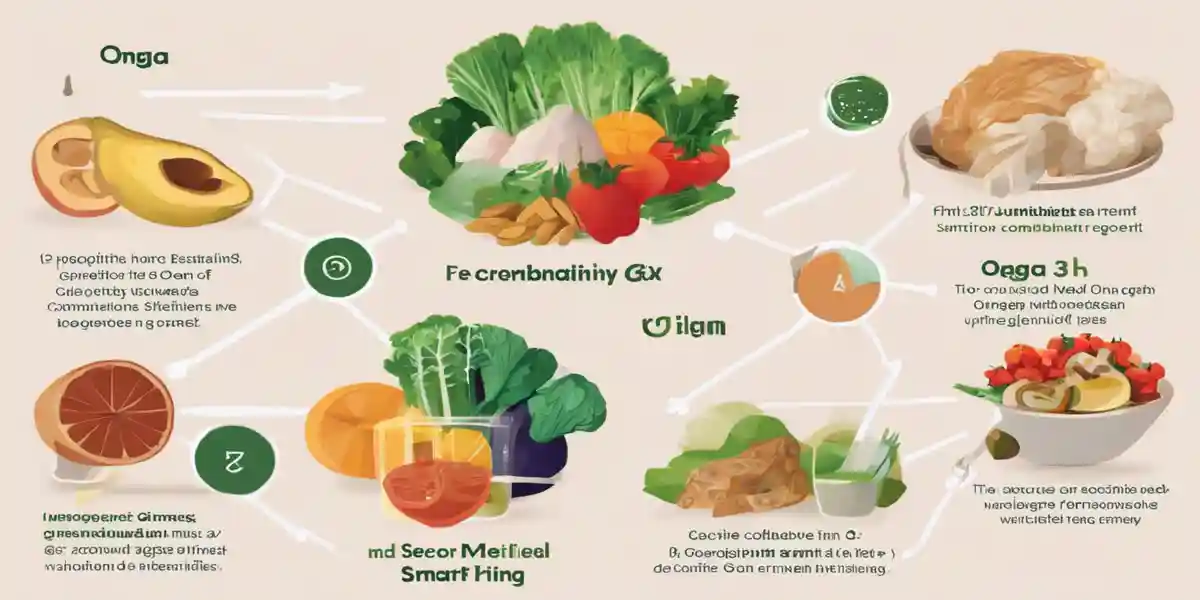
In the whirlwind of Web3 development, a structured meal plan often seems unattainable for developers. Yet, by embracing the idea of "Nourishment by Design," we can create a meal plan that not only supports health but also enhances productivity and cognitive performance.
To effectively fuel the mind and body, it’s crucial to understand the essential nutrients that contribute to cognitive endurance. Research conducted on esports athletes indicates a strong connection between specific nutrients and cognitive performance. For example, vitamins B6 and B12, along with magnesium, have been linked to better cognitive function. Unfortunately, many individuals fail to meet the recommended dietary allowances for these micronutrients.
Incorporating these nutrients into a meal plan can be straightforward. Consider meals rich in leafy greens, nuts, seeds, and whole grains, which are excellent sources of these vitamins and minerals.
The key to a successful meal plan for busy developers lies in simplicity and speed. Opt for recipes that require minimal prep time while still being nutrient-dense. Here are some quick meal ideas:
Batch cooking is a game-changer for busy schedules. By dedicating a few hours on the weekend to prepare meals for the week, developers can ensure they have healthy options ready when those coding marathons hit. Utilize appliances like slow cookers and instant pots to streamline the process.
For instance, consider making a large pot of vegetable soup filled with leafy greens, carrots, and beans, which can be stored in individual containers for easy access. This not only saves time but also guarantees a nutritious meal at hand, reducing the temptation to grab less healthy snacks when hunger strikes.
During intense coding sessions, quick energy boosts are essential. Instead of reaching for processed snacks, opt for wholesome alternatives. Here are some ideas:
To enhance cognitive performance, focus on incorporating foods that are known to support brain health. For example, studies show that higher vegetable intake correlates with improved cognitive scores. Leafy greens, such as spinach and kale, contain antioxidants that combat oxidative stress, which can negatively impact cognitive function. Additionally, foods rich in omega-3 fatty acids, like salmon and walnuts, have been shown to support brain health and improve memory.
As you build your meal plan, think about including these foods regularly to maintain optimal cognitive function throughout your workday.
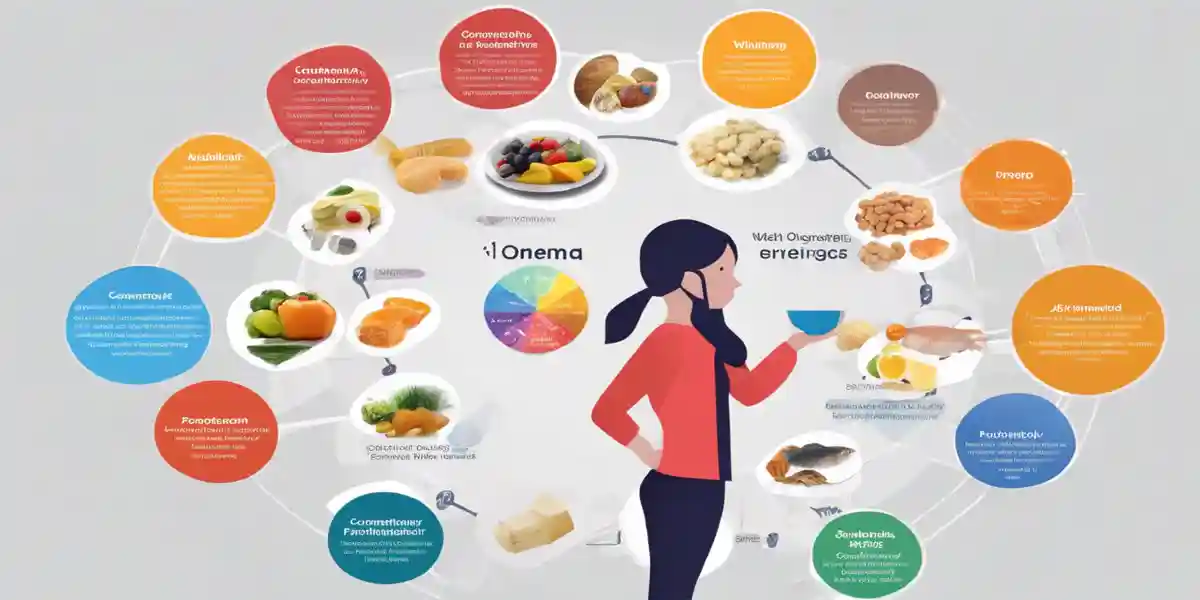
In the realm of Web3 development, understanding the role of nutrition is crucial for maintaining peak cognitive performance. A well-balanced diet can help developers tackle the complexities of their work with clarity and energy. Let’s dive into the essential nutrients that should be a part of every developer's meal plan, ensuring they're equipped to write code efficiently and creatively.
Omega-3 fatty acids are vital for brain health, playing a significant role in enhancing cognitive function and focus. Found in fatty fish like salmon and sardines, as well as in flaxseeds and walnuts, these nutrients help reduce inflammation and support neural communication. A study highlighted that elite athletes, including esports players, benefited from omega-3 intake, which correlates with improved cognitive endurance. For busy developers, incorporating omega-3s could mean quick meals such as a salmon salad or overnight oats topped with flaxseeds.
Complex carbohydrates, such as whole grains, legumes, and vegetables, are essential for sustained energy levels. Unlike simple sugars that can cause rapid spikes and crashes in energy, complex carbs provide a steady supply of glucose, which is the brain's primary energy source. Research has shown that a higher carbohydrate intake, comprising over 40% of total calories, is associated with improved cognitive performance. Consider meals like quinoa bowls with roasted veggies or a hearty lentil soup that can be batch-cooked and stored for quick access during busy workdays.
Vitamins such as B6, B12, and B2, alongside minerals like magnesium, are crucial for optimal brain function. These nutrients contribute to energy metabolism and neurotransmitter synthesis, which are vital for maintaining focus and mental clarity. The studies reviewed indicated that athletes often fall short of recommended dietary allowances for these micronutrients. Including foods like leafy greens, eggs, and nuts in your diet can help remedy this shortfall. For instance, a simple spinach and egg breakfast can pack a punch of essential vitamins to kickstart your day.
Antioxidants, found abundantly in fruits and vegetables, are key to combating oxidative stress that can impair cognitive function. Foods rich in antioxidants, such as berries, dark chocolate, and artichokes, not only help protect brain cells but also enhance memory and learning capabilities. A well-rounded meal could include a mixed berry smoothie or a snack of dark chocolate-covered almonds, offering both a treat and a boost in cognitive health.
Protein is essential for the repair and growth of tissues, including brain cells. Adequate protein intake significantly improves cognitive performance, as suggested by the research findings. Incorporating sources of lean protein like chicken, legumes, and Greek yogurt into meals can help developers maintain energy and focus throughout their coding sessions. A quick stir-fry with chicken and vegetables can serve as a nutritious and easy-to-prepare dinner option.
By understanding and integrating these essential nutrients into a structured meal plan, busy Web3 developers can fuel their coding sessions with the energy and focus needed to excel in their fast-paced environment. With a thoughtful approach to nutrition, they can enhance their productivity without sacrificing their well-being.
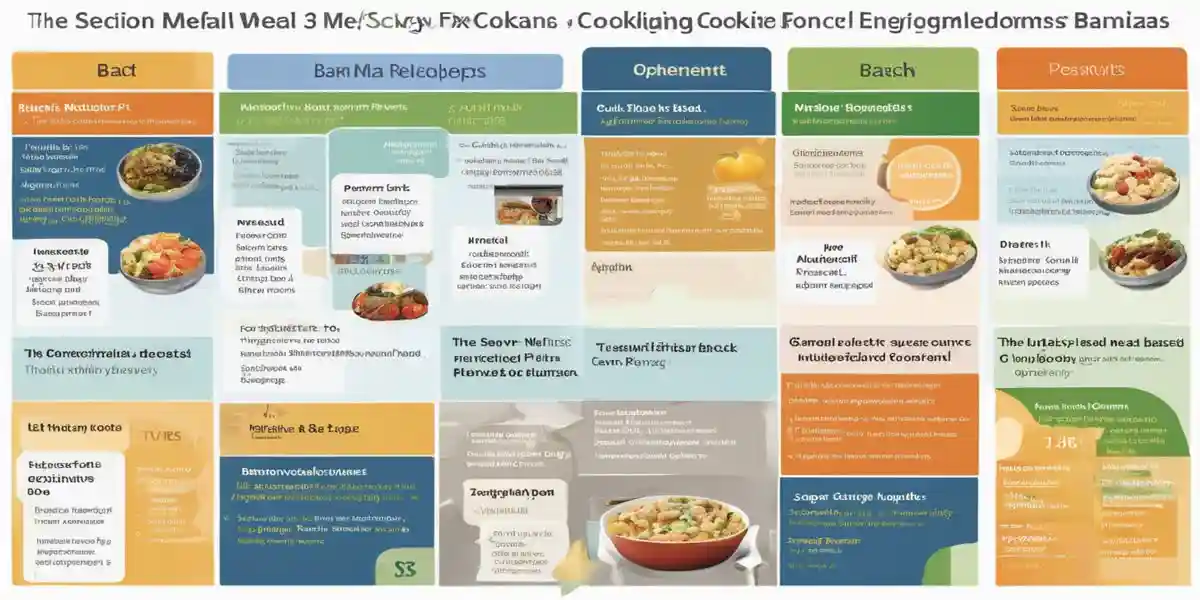
Crafting a meal plan tailored for busy Web3 developers doesn't have to be a daunting task. The following sample meal plans incorporate the principles of “Nourishment by Design,” ensuring that meals are not only nutritious but also quick and easy to prepare. Each meal is designed to fuel cognitive performance, sustain energy, and fit seamlessly into your hectic schedule.
Incorporating foods that are high in lutein, zeaxanthin, and vitamin B2 can further enhance cognitive performance. For instance, leafy greens and eggs are excellent sources of these nutrients and can easily be added to any meal. The studies on esports athletes and young adults underscore the importance of a balanced intake of carbohydrates, proteins, and micronutrients to optimize cognitive function. As you plan your meals, consider integrating these elements for maximum benefit.
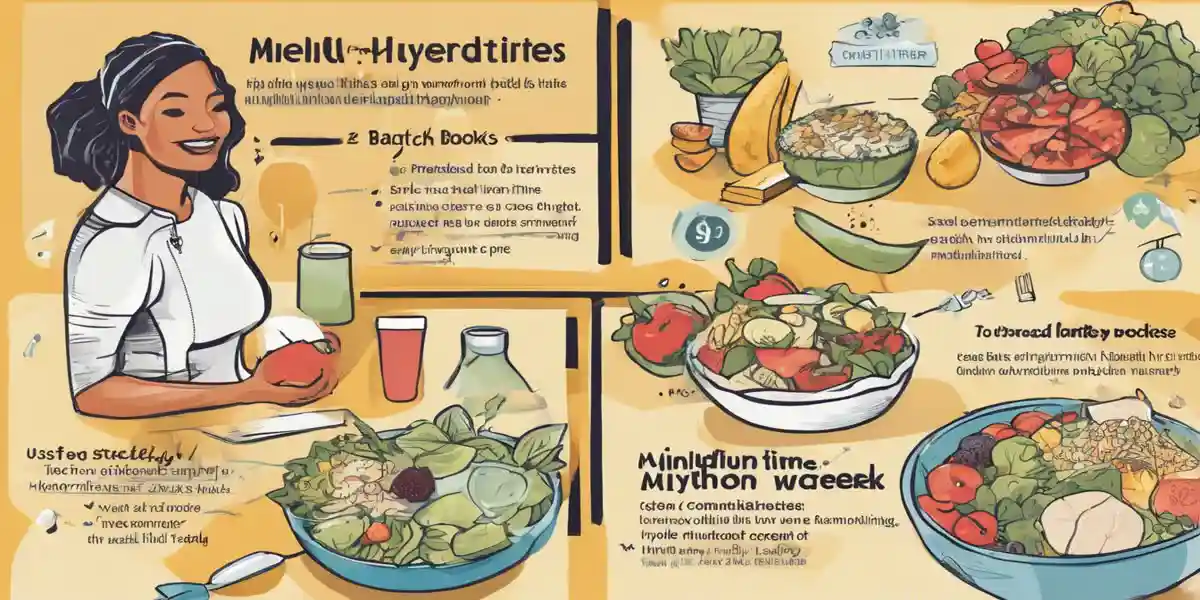
In the whirlwind of Web3 development, maintaining a healthy diet might seem like a daunting task. However, with the right strategies, you can nourish your body and mind without sacrificing your precious coding time. Here are some practical tips to help you stay on track.
One of the most effective ways to ensure you have healthy meals ready to go is by batch cooking. Dedicate a few hours on the weekend to prepare several meals at once. Utilize slow cookers or instant pots to whip up dishes like quinoa and black bean chili or a hearty vegetable stew. These meals not only save time during the week but also provide essential nutrients. For instance, beans and lentils are rich in protein and fiber, which are crucial for sustained energy and cognitive performance.
Focusing on nutrient-dense foods can significantly enhance your cognitive endurance. Incorporate ingredients rich in omega-3 fatty acids, such as salmon or walnuts, which have been shown to support brain health. Additionally, foods high in antioxidants, like berries and leafy greens, can combat oxidative stress and improve memory function. A recent study highlighted the positive correlation between higher vegetable intake and cognitive performance among esports athletes, reinforcing the importance of a vegetable-rich diet.
Long coding sessions often lead to the temptation of unhealthy snacking. Instead, prepare healthy snacks such as protein bars made from oats and nuts or energy balls crafted from dates and seeds. These options not only provide a quick energy boost but also keep you feeling full and focused. For example, snacks containing magnesium, like almonds, can improve cognitive function and help stave off the afternoon slump.
Dehydration can lead to fatigue and decreased cognitive function. Keep a water bottle at your desk and aim to drink at least 2 liters of water a day. You might also consider incorporating herbal teas or electrolyte drinks, especially during long coding marathons. Remember, even mild dehydration can impact your performance, so make hydration a priority.
In a fast-paced environment, it's easy to eat on the go, often leading to mindless consumption. Instead, practice mindful eating: take breaks to enjoy your meals without screens. This not only enhances your eating experience but can also improve digestion and satisfaction. Studies have shown that being present during meals can help regulate food intake and maintain energy levels throughout the day.
Micronutrients play a vital role in cognitive performance. Ensure you're getting enough vitamins B6, B12, and D, as well as omega-3 fatty acids. These nutrients are critical for brain health, as evidenced by research showing that athletes with adequate protein intake had significantly improved cognitive performance. Consider a multivitamin or consult with a nutritionist to tailor your intake to your specific needs.
Finally, take a bit of time each week to plan your meals and snacks. This proactive approach can help eliminate the decision fatigue that often comes with busy schedules. Create a menu that incorporates a variety of nutrients and flavors, keeping your meals exciting and satisfying. Remember, the goal is to fuel your coding with the right energy sources, allowing you to perform at your best.
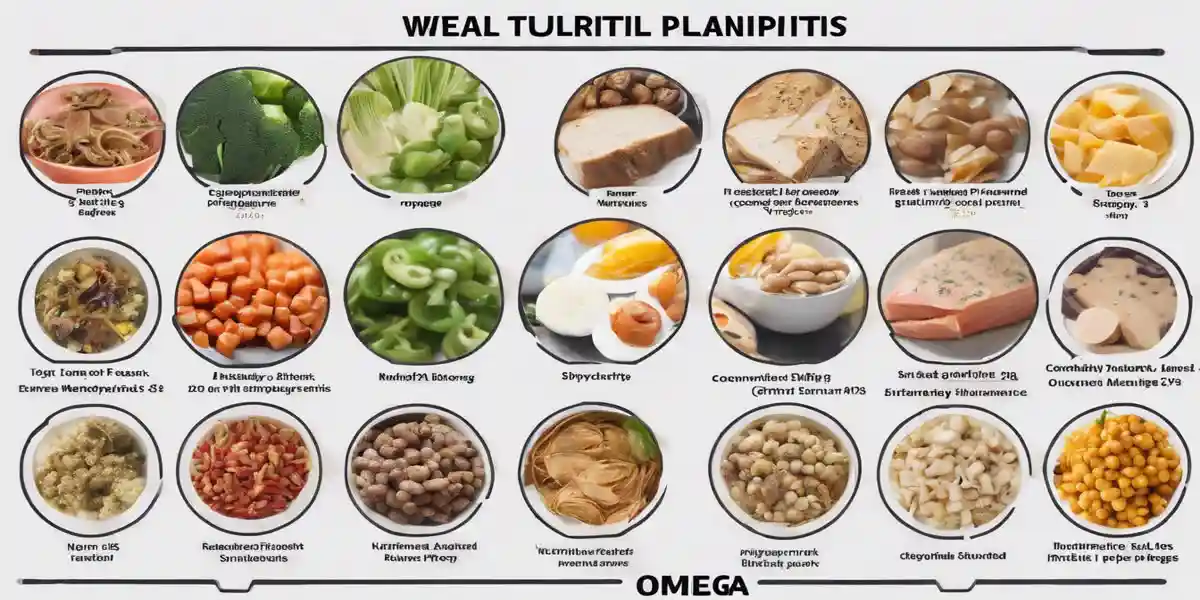
In the fast-paced realm of Web3 development, where every second counts, a structured meal plan is not just a luxury—it's a necessity. By adopting the concept of “Nourishment by Design,” developers can seamlessly integrate healthful eating into their busy lives, optimizing both cognitive function and productivity.
Research shows that certain nutrients play a crucial role in enhancing cognitive performance. For instance, a study involving esports athletes highlighted the positive correlation between micronutrients such as magnesium and vitamins B6 and B12 with cognitive endurance. Many of these athletes fell short of recommended dietary allowances, indicating a gap that can easily be bridged through mindful meal planning. For busy developers, incorporating foods rich in these nutrients can directly impact their ability to code effectively and manage complex tasks.
Batch cooking is a game-changing strategy for developers who often find themselves caught in the whirlwind of deadlines. By dedicating a couple of hours each week to meal preparation, you can create a variety of nutrient-dense meals that are ready to go when you are. Tools like slow cookers and instant pots can be particularly helpful here, allowing you to prepare dishes like quinoa-stuffed peppers or lentil soup that can be portioned and stored for later use.
Nutrient-rich ingredients should be at the forefront of your meal plan. Here are some essential components to consider:
When coding marathons stretch on, having healthy snacks on hand can make all the difference. Consider these quick energy-boosting options:
Interestingly, studies have shown that dietary components can significantly influence cognitive performance metrics like visual perceptual-cognitive performance (VCP). For instance, a study indicated that higher carbohydrate intake (over 40% of total caloric intake) and sufficient lutein/zeaxanthin (over 2,000 μg/day) consumption were correlated with improved VCP scores. For developers, this means that the right balance of macronutrients can enhance focus and mental clarity, enabling them to tackle intricate coding challenges with ease.
This section is designed to engage Web3 developers by emphasizing the critical link between nutrition and cognitive performance, providing actionable meal prep strategies and highlighting key ingredients for optimal health.
As we've explored throughout this blog post, the world of Web3 development demands not only technical skill but also mental clarity and sustained energy. The concept of “Nourishment by Design” presents an essential framework for busy developers to optimize their health and productivity through thoughtful meal planning. By understanding the importance of essential nutrients—such as omega-3 fatty acids, complex carbohydrates, and key vitamins and minerals—you can significantly enhance your cognitive performance and overall well-being.
We discussed practical strategies for crafting a healthy eating meal plan tailored to your hectic lifestyle, including quick and nutritious meal ideas, effective batch-cooking techniques, and smart snacking options. Each aspect of this meal plan is designed to ensure that you have the fuel necessary to tackle the complexities of your work without compromising your health.
Ultimately, maintaining a well-balanced diet in a fast-paced environment isn't just about personal health; it's about empowering yourself to excel in your coding endeavors. The correlation between nutrition and cognitive performance is clear—what you eat directly influences how well you think, code, and create.
So, as you dive back into your projects, consider this your call to action: start prioritizing your nutrition as an integral part of your development toolkit. Experiment with meal prep, seek out nutrient-dense foods, and make mindful eating a habit. Your body and mind will thank you, and you might just find that your coding sessions become more productive, creative, and enjoyable.
Are you ready to fuel your code and unlock your full potential?

Get notified about new articles, coffee tips, and Web3 insights.
This site participates in affiliate programs and may earn a commission when a link is clicked and a purchase is made. The site is not responsible for any issues or troubles related to the products or services purchased through the use of this site.

DO&COFFEE loves coffee and technology, exploring the potential of NFTs and blockchain. Learn more →
DO&COFFEE loves coffee and technology, exploring the potential of NFTs and blockchain. Learn more →