wellness
2024/09/14

In today's fast-paced, screen-dominated world, the idea of carving out moments for mindfulness may seem like a distant dream. Yet, the concept of "Digital Detox Yoga" has emerged as a transformative approach to restore balance in our lives, merging the ancient practice of yoga with the pressing need to disconnect from our devices. Imagine stepping onto your mat, turning off your phone, and intentionally stepping away from the digital noise that often overwhelms us. This blog post will explore how yoga can serve as a powerful tool for both physical fitness and mental clarity, especially when practiced with a focus on mindfulness in our tech-saturated environment.
We'll delve into the multifaceted benefits of yoga as exercise, including the significant physical, mental, and emotional advantages it offers. Furthermore, in a world where information is at our fingertips, we'll share practical strategies for learning yoga in our digital age—be it through finding the right resources, creating a personalized practice, or maintaining motivation amidst distractions. By integrating these practices into our daily lives, we can foster a greater sense of presence and awareness, ultimately enhancing our well-being. Join us as we uncover how mastering mindfulness through yoga can not only alleviate the stresses of modern living but also help us reconnect with ourselves and the world around us.

In our fast-paced, digitally driven world, the need for mindfulness has never been more pressing. With screens constantly vying for our attention and the relentless flow of notifications, many individuals are searching for ways to reconnect with themselves and find balance. This is where the innovative concept of "Digital Detox Yoga" comes into play—a transformative practice that combines the ancient tradition of yoga with a modern commitment to unplugging from technology.
As we navigate through a landscape dominated by digital distractions, the implications on our mental and physical health have become a significant concern. Research indicates that excessive screen time correlates with heightened stress levels, anxiety, and even depression. The digital detox phenomenon emerges as a vital response to these challenges, promoting intentional disconnection from technology. It’s not merely about reducing screen time; it’s about fostering a lifestyle that prioritizes well-being.
Picture this: You step onto your mat, take a deep breath, and turn off your phone. This simple act of disconnection sets the tone for a transformative session. Digital Detox Yoga integrates traditional yoga movements with dedicated practices aimed at releasing the physical tension and mental clutter accumulated from prolonged screen exposure. For beginners and seasoned practitioners alike, routines can include poses like Downward Dog and Child’s Pose, which are designed to alleviate stress and promote relaxation.
At its core, Digital Detox Yoga emphasizes mindfulness—an awareness of the present moment that is often lost amid digital noise. As you flow through each pose, take the opportunity to reflect on how technology influences your body and mind. For example, during a seated forward bend, consider the weight of the world that you carry—perhaps the stress of emails or social media interactions—and consciously release that tension with each exhale. This practice not only enhances physical flexibility but also cultivates mental clarity.
To deepen this practice, consider incorporating journaling or meditation sessions into your routine. Before each class, jot down your feelings regarding your digital usage—what stresses you out, what brings you joy, and what you hope to gain from your yoga practice. After class, reflect on how disconnecting from technology has influenced your experience. This reflective practice can create a deeper understanding of how a digital detox enhances your overall well-being.
Real-world applications of Digital Detox Yoga have shown promising results. For instance, a study conducted among high school students in Kottayam district revealed that a structured program combining digital detox challenges and mindfulness exercises led to a significant reduction in mobile phone dependency (p
Furthermore, the need for digital detox is especially relevant for healthcare professionals, such as nurses, who often find themselves overwhelmed by the demands of technology. By implementing tech-free zones and scheduling screen-free time, these professionals can not only enhance their own mental health but also model healthier behaviors for their patients. The benefits of disconnecting include reduced stress, improved sleep, and stronger interpersonal relationships.
Ultimately, Digital Detox Yoga serves as a holistic approach to not only counterbalance the effects of our tech-saturated lives but also to foster a deeper connection with our bodies, minds, and the world around us. By committing to a practice that embraces both physical movement and mental clarity, individuals can navigate the complexities of the digital age with greater ease and mindfulness.

In today's world, where screens dominate our attention and digital distractions are omnipresent, the traditional practice of yoga has evolved into a powerful form of exercise that offers numerous benefits for both body and mind. This section explores how yoga serves as a remedy to the stresses of modern life, particularly through the emerging concept of "Digital Detox Yoga."
Yoga is renowned for its myriad physical benefits, which are particularly relevant in the context of our tech-saturated lives. Regular practice can enhance flexibility, strength, and posture—qualities that are often compromised by prolonged periods of sitting and screen time. For instance, poses like Downward Dog and Child’s Pose can effectively stretch the spine, relieve tension in the lower back, and counteract the stiffness associated with long hours spent hunched over devices.
Moreover, studies indicate that engaging in yoga can significantly reduce chronic pain, improve cardiovascular health, and even bolster the immune system. In a recent multi-interventional program aimed at high school students, researchers found that introducing mindfulness exercises—including yoga—led to a notable reduction in mobile phone dependency, confirming the role of physical activity in combatting the negative effects of excessive screen time.
Beyond the physical advantages, yoga presents substantial mental health benefits that are crucial in our digital age. The practice encourages mindfulness—an essential skill for navigating the chaos of constant connectivity. By disconnecting from digital distractions, practitioners can cultivate a deeper awareness of their thoughts and emotions, leading to reduced anxiety and improved mood. This aligns with findings from various studies that highlight the psychological impacts of digital detox, illustrating how intentional breaks from technology can enhance mental well-being.
For example, as individuals flow through yoga sequences, they can reflect on how technology impacts their wellness, acknowledging feelings of stress and disconnection. This self-awareness, fostered during practice, forms a foundation for healthier habits outside of yoga sessions.
Digital Detox Yoga goes a step further by integrating mindfulness techniques that enhance the overall experience. Practitioners are encouraged to engage with their breath and surroundings, cultivating a sense of presence that is often lost in our fast-paced, digitally driven lives. For example, a simple practice of focusing on inhalation and exhalation during poses can ground individuals, helping them to detach from the noise of notifications and digital demands.
Additionally, the incorporation of journaling or meditation can amplify the benefits of yoga. By documenting feelings before and after each session, individuals can reflect on the impact of stepping away from technology, gaining insights into how their yoga practice fosters a sense of peace and connection to the world around them.
Ultimately, the practice of yoga as exercise does more than just improve physical fitness; it invites a holistic approach to wellness. The benefits extend beyond the mat, as individuals learn to navigate their digital lives with greater intention. With practical strategies like setting tech-free zones and scheduling screen-free time, yoga practitioners can create a balanced lifestyle that embraces both physical activity and mental clarity.
This approach echoes the findings from various studies advocating for digital detoxes and mindfulness practices as vital strategies for enhancing personal well-being amid the challenges of our technology-driven world.

In our digital age, the physical benefits of yoga, particularly through the lens of "Digital Detox Yoga," cannot be overstated. The practice not only serves as a form of exercise but also as a pathway to alleviate the physical strains that come from our excessive screen time. By disconnecting from technology and immersing ourselves in yoga, we can foster a more holistic approach to our physical well-being.
One of the primary physical benefits of yoga is its ability to release tension accumulated in the body. After hours of hunching over screens, many individuals experience tightness in their shoulders, neck, and back. Poses such as Downward Dog and Child’s Pose are particularly effective in stretching and elongating these areas. When you engage in these movements, you're not just performing exercises; you're actively working to decompress the physical manifestations of digital stress.
Research supports these observations. A study aimed at reducing mobile phone dependency among high school students found that mindfulness exercises, part of a broader digital detox initiative, significantly alleviated stress levels (p
Engaging in yoga regularly encourages better posture, which is essential in countering the adverse effects of prolonged screen time. Many yoga poses emphasize spinal alignment and core strength, helping practitioners develop a more upright posture. For instance, practicing Tadasana (Mountain Pose) can reinforce the importance of alignment and body awareness, which are often lost during long hours of device use.
As we become more aware of our body through yoga, we can make conscious adjustments in our daily habits. The cumulative effect of improved posture not only enhances physical appearance but also contributes to better respiratory function and overall vitality.
Flexibility is another significant benefit of yoga that is particularly relevant in today’s tech-driven world, where many of us lead sedentary lifestyles. Regular practice helps to lengthen tight muscles and improve joint mobility. Poses such as Warrior II and Pigeon Pose can open up the hips and strengthen the legs, combating the stiffness that often results from sitting for extended periods.
Moreover, the physical strength gained through yoga is not just about muscle building; it’s about developing stability and resilience. By incorporating strength-building poses into your routine, you can counteract the weakness that often arises from a lack of movement. This holistic approach leads to a more balanced body, capable of handling the demands of daily life.
Digital Detox Yoga also emphasizes the connection between the mind and body. As we become more attuned to our physical sensations during practice, we cultivate a greater awareness of how our bodies respond to stress and tension. This mindfulness can translate into everyday life, enabling us to recognize the early signs of discomfort or fatigue—signals that often go ignored amid the chaos of our digital world.
For instance, by incorporating breathwork into your yoga practice, you may find that you breathe more deeply and consciously throughout your day, reducing anxiety and enhancing overall well-being. This connection between intentional breathing and physical health is backed by scientific findings, which highlight the role of mindfulness in reducing physiological stress responses.

The increasing integration of technology into our daily lives has arguably led to a crisis of mental and emotional well-being. Digital Detox Yoga serves as a sanctuary amidst the chaos, emphasizing not just physical movement but also the necessity of disconnecting to rejuvenate our minds and spirits. By incorporating mindful practices into yoga routines, practitioners can foster a deeper connection with their inner selves while effectively addressing the mental toll of constant connectivity.
In a world where screens dominate, many experience symptoms of digital fatigue. Research indicates that prolonged exposure to digital devices can lead to increased stress levels, anxiety, and even depression. A study examining high school students found significant reductions in mobile phone dependency after implementing mindfulness exercises alongside digital detox challenges (p
One of the core principles of Digital Detox Yoga is establishing tech-free zones. These are dedicated spaces, whether at home or in a yoga studio, where individuals can step away from the digital world and focus solely on their practice. By turning off notifications and stepping away from screens, practitioners can cultivate a more profound sense of presence. This aligns with findings from various studies that advocate for intentional disconnection as a method to enhance emotional well-being.
Mindfulness, a key component of yoga, plays a crucial role in promoting emotional health. Techniques such as breath awareness and meditation can help individuals become more attuned to their thoughts and feelings, facilitating a healthier response to stress. For instance, during a Digital Detox Yoga session, flowing through poses like Downward Dog and Child’s Pose allows practitioners to reflect on the physical tension accrued from digital distractions. This conscious acknowledgment can lead to a release of stress and promote emotional balance.
The connection between nature and mental well-being cannot be overstated. Engaging in outdoor yoga sessions, away from the urban noise and digital distractions, enhances the therapeutic effects of the practice. Studies suggest that exposure to natural environments can significantly reduce stress and improve mood, making it a powerful complement to Digital Detox Yoga. By integrating outdoor settings into your practice, you not only revitalize your body but also nourish your emotional health.
Incorporating journaling into your Digital Detox Yoga routine can further enhance emotional well-being. By documenting thoughts and feelings before and after each session, individuals can identify patterns and triggers related to their digital habits. This reflective practice encourages a deeper understanding of how technology impacts emotional states, ultimately guiding practitioners toward healthier choices and greater self-awareness.
As we navigate an increasingly digital landscape, the phenomenon of information access anxiety—distress stemming from the inability to access critical information—has emerged. This anxiety can be alleviated through mindful practices that foster resilience. Digital Detox Yoga not only provides tools for managing this anxiety but also cultivates a sense of community and support among practitioners. Engaging with others in shared experiences can enhance emotional health, creating a network of individuals committed to maintaining a balanced lifestyle amidst digital distractions.

In a time where our lives are increasingly intertwined with technology, learning yoga can feel like a daunting task. However, the rise of "Digital Detox Yoga" offers an innovative approach to not only learn yoga but to embrace a fuller, more mindful experience. This section explores effective strategies and practical tips that help you navigate the world of yoga amidst the digital noise.
To start, envision your yoga practice as a sanctuary—a space free from notifications and distractions. Begin each session by powering down your devices, allowing yourself to fully immerse in the experience. This holds particular significance in a world where constant connectivity can lead to stress and disconnection. Research has shown that engaging in activities like yoga while limiting digital distractions can enhance mental clarity and reduce anxiety levels.
Digital Detox Yoga emphasizes not only the physical postures but also the mental aspects of practice. Integrating mindfulness techniques—such as breath awareness and body scanning—can help deepen your practice. For instance, while transitioning into poses like Downward Dog or Child’s Pose, take a moment to focus on your breath. Notice how your body feels, and reflect on the impact of technology on your physical and mental state. Studies have indicated that such mindfulness practices can lead to significant psychological benefits, including improved mood and decreased feelings of stress.
Creating tech-free zones in your home can greatly enhance your yoga experience. Designate a specific area solely for your practice, free from screens. This aligns with findings that suggest environments free from digital distractions foster better focus and presence. You can enhance this space with calming elements like candles, plants, or soothing music, which can help you cultivate an atmosphere conducive to mindfulness.
Consider introducing journaling into your practice. Before and after each session, take a few moments to jot down your thoughts and feelings. This reflective practice can provide insights into how stepping away from technology influences your yoga experience and overall well-being. Research shows that individuals who engage in journaling often experience improved mental health outcomes, as it allows for emotional processing and self-reflection.
Don’t underestimate the power of nature in your yoga journey. Incorporating outdoor sessions can enhance your practice significantly. Studies have demonstrated that spending time outdoors can improve mood and cognitive function, making it a perfect complement to your yoga routine. Whether it’s practicing in a park or your backyard, the natural environment can amplify the benefits of your sessions, allowing for a deeper connection to both your body and the world around you.
Even in the digital age, finding community support is essential. Online platforms provide opportunities to connect with fellow yoga practitioners. Participating in virtual classes or forums can foster a sense of belonging while still allowing for a degree of digital detox. Look for communities that emphasize mindful practices and encourage members to share their experiences with Digital Detox Yoga.

In our increasingly digital world, finding the right resources for practicing Digital Detox Yoga is essential for enhancing both physical and mental well-being. This section will guide you through various platforms, tools, and practices that can help enrich your yoga experience while promoting mindfulness.
One of the most accessible ways to start your Digital Detox Yoga journey is through online classes and specialized apps. Platforms like YogaGlo, Glo, and Down Dog offer a variety of yoga styles and tutorials that cater to different skill levels. These resources allow you to practice at your own pace, making it easier to incorporate yoga into your daily routine.
For instance, the Down Dog app allows users to customize their yoga sessions based on duration, skill level, and specific areas of focus. Imagine setting up a session that incorporates poses designed to release tension from screen time, such as Cat-Cow and Seated Forward Bend. You can also choose to turn off notifications during your practice to minimize distractions.
Reading books that focus on yoga and mindfulness can deepen your understanding of Digital Detox Yoga. Titles like The Heart of Yoga by T.K.V. Desikachar and Zen Mind, Beginner's Mind by Shunryu Suzuki provide insights into the philosophy behind yoga, encouraging a mindful approach that complements physical practice.
Additionally, incorporating journaling into your yoga routine can enhance mindfulness. Keeping a yoga journal helps you track your progress, reflect on your feelings before and after sessions, and document any insights gained during your practice. This reflective practice aligns with findings from research, highlighting the psychological benefits of mindfulness and its potential anti-aging effects.
Participating in workshops or retreats dedicated to yoga and mindfulness can provide a wealth of resources and community support. These immersive experiences often emphasize disconnecting from technology and focusing on the present moment, aligning perfectly with the principles of Digital Detox Yoga.
For example, a weekend retreat in nature can offer a sanctuary from digital distractions. Many of these retreats include guided yoga sessions that incorporate mindfulness techniques, allowing participants to engage fully with their surroundings. You might find workshops that focus specifically on poses that alleviate stress from excessive screen time, integrating practices such as Mindful Breathing and Gratitude Journaling.
Creating tech-free zones in your home can significantly enhance your Digital Detox Yoga practice. Designate a specific area for yoga that is free from screens and digital distractions. This could be a corner of your living room or a serene spot in your garden. By establishing a physical space for yoga that invites mindfulness, you are more likely to engage fully in your practice.
Furthermore, implementing screen time limits can help you establish a healthier balance. For instance, you might choose to disconnect from devices an hour before your yoga session. As noted in recent studies, such intentional disconnection can lead to improvements in mental health and overall well-being, allowing you to approach your practice with a clear mind and body.
Engaging with a community of like-minded individuals can provide additional motivation and accountability. Consider joining local yoga studios or online forums where members share their experiences with Digital Detox Yoga. Participating in group classes or discussions can reinforce your commitment to mindfulness and help you exchange tips and resources with others on similar journeys.
For example, local yoga studios often host events focused on digital detox themes, encouraging practitioners to unplug and connect with themselves and each other. The shared experience of practicing in a group can enhance your connection to yoga and foster a supportive environment for growth.

In today's fast-paced digital world, creating a personalized yoga practice tailored to individual needs can significantly enhance your mindfulness journey. This section delves into how to customize your practice, focusing on the integration of digital detox elements, mindfulness techniques, and routine reflection.
Before laying the groundwork for your personalized yoga practice, it's essential to understand your unique needs and lifestyle. Consider the following questions: How much time can you realistically dedicate to yoga each week? What are your primary goals—stress relief, flexibility, strength building, or perhaps a combination? Recognizing these factors will help you design a practice that feels both manageable and fulfilling.
A key component of your personalized practice is the idea of Digital Detox Yoga. This approach encourages you to disconnect from technology, creating a serene environment conducive to mindfulness. Start each session by turning off your devices and establishing a tech-free zone in your home. This physical separation from screens allows you to focus entirely on your practice, free from distractions.
Consider incorporating specific poses that help alleviate tension from prolonged screen time. For instance, poses like Downward Dog and Child’s Pose are excellent for stretching tight muscles and promoting relaxation. As you engage in these movements, take the time to reflect on how digital interactions impact your physical and mental state. This awareness can deepen your connection to the practice and enhance the benefits.
Mindfulness is a fundamental aspect of yoga. To cultivate a more profound sense of presence, integrate mindfulness techniques into your routine. This may include:
To enhance your personalized practice further, consider incorporating journaling or reflective exercises. After each session, take a few moments to jot down your feelings and thoughts. Questions to ponder might include:
By documenting your experiences, you create a personal record that can highlight patterns or changes over time. This reflective space serves not only as a means of tracking progress but also as an opportunity to deepen your understanding of how a digital detox enhances your overall well-being.
Consider the experience of a group of high school students who participated in a study aimed at reducing mobile phone dependency through mindfulness exercises and digital detox challenges. Over four weeks, participants reported significant improvements in managing their mobile phone use, leading to enhanced focus and reduced stress levels. This example illustrates how a structured approach to digital detox can yield tangible benefits, emphasizing the power of personal commitment to mindfulness practices.
Similarly, healthcare professionals, particularly nurses, have found substantial relief from the pressures of constant connectivity by implementing tech-free zones and scheduled screen-free time. Many reported improvements in mental health and sleep quality, ultimately enhancing their ability to care for others. Their stories serve as reminders of the transformative potential of incorporating mindful practices within a personalized yoga routine.

In an age where our devices demand constant attention, maintaining motivation in a practice as intimate and personal as yoga can be challenging. However, adopting a framework of Digital Detox Yoga can serve as a powerful motivator to keep practitioners engaged. This approach is not just about the physical practice; it integrates mental and emotional well-being, allowing individuals to nurture their relationship with themselves away from the distractions of screens.
One of the simplest yet most effective ways to stay motivated during yoga practice is to establish a tech-free environment. Imagine stepping onto your mat in a space free of notifications and screens. This aligns with findings from various studies that suggest creating tech-free zones can significantly enhance mindfulness and reduce stress levels. For instance, a digital detox program implemented in high schools showed a marked decrease in mobile phone dependency, allowing students to engage more fully in their surroundings and activities. By mimicking this strategy at home, you can reinforce your commitment to practice.
When embarking on a yoga journey, setting specific, achievable goals can serve as a strong source of motivation. For example, you might decide to master a challenging pose or commit to practicing yoga a certain number of times each week. This aligns with the concept of digital minimalism, where clear boundaries and intentions help regulate our media consumption. Documenting your progress through journaling can also deepen your engagement. Before each session, jot down your intentions and after practice, reflect on how well you met them. This practice not only tracks your progress but also enhances your self-awareness, tying back to the core principles of mindfulness.
Integrating mindfulness techniques into your yoga routine can significantly enhance your experience and keep you engaged. Mindfulness practices, such as focused breathing or body scans, can help you become more aware of how your body feels during each pose. As you transition from Downward Dog to Child’s Pose, take a moment to observe how technology has influenced your body—perhaps you feel tension in your shoulders from hunching over a screen. Acknowledging these sensations fosters a deeper connection with your practice and reinforces the concept of self-care.
Engaging in yoga outdoors can add an invigorating element to your practice. Studies have shown that nature plays a crucial role in enhancing mental acuity and well-being. Consider taking your mat to a local park or your backyard. The sounds of birds, the rustle of leaves, and the fresh air can significantly elevate your experience. By stepping away from the confines of digital distractions, you invite a more holistic approach to your practice, allowing you to connect with both yourself and the environment. This connection is vital in maintaining motivation, as it transforms yoga into a sensory experience rather than just a routine.
Staying motivated can also be enhanced by finding a community of like-minded individuals. Participating in group classes or online communities dedicated to Digital Detox Yoga can provide accountability and encouragement. Sharing experiences, challenges, and successes with others fosters a sense of belonging and can reignite your enthusiasm for practice. As discussed in research concerning digital detox strategies, social interactions outside of the digital realm serve as a crucial form of social capital, reinforcing the value of live communication and shared experiences.
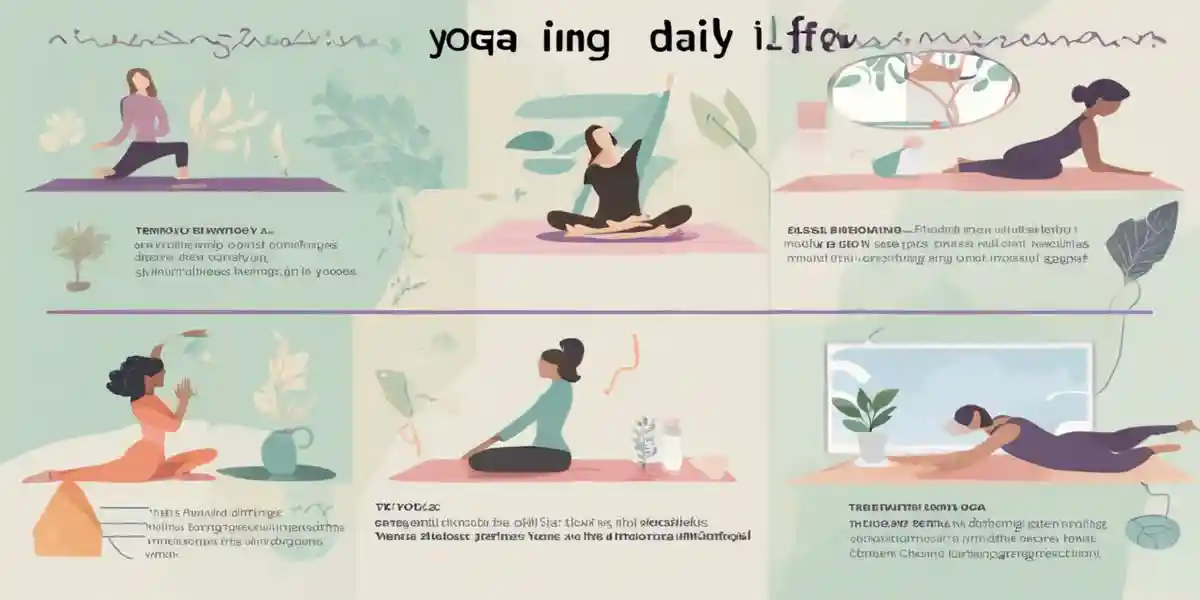
In a world saturated with screens and digital distractions, the need for a holistic approach to well-being has never been more pressing. One innovative method to achieve this is through "Digital Detox Yoga," a practice that not only incorporates traditional yoga but also emphasizes the importance of disconnecting from technology to cultivate mindfulness. By integrating yoga into our daily routines, we can enhance both our physical health and mental clarity.
One of the foundational elements of integrating Yoga into your daily life is establishing tech-free zones in your home or workspace. Imagine designating a specific area for your yoga practice, free from distractions like phones and laptops. This creates a sanctuary for mindfulness, allowing you to immerse yourself fully in the experience. Research has shown that creating these zones can significantly reduce anxiety and improve focus, as highlighted in studies discussing the benefits of digital detoxes. By consciously stepping away from screens, you carve out a space where you can connect with your body and breath without interruption.
Mindfulness techniques are essential for enhancing the yoga experience. You might begin each session with deep breathing exercises, allowing yourself to settle into the moment. For instance, you could practice the "Sankalpa" technique, where you set a positive intention at the start of your practice. This intentional focus can help ground you, making it easier to reflect on how technology impacts your thoughts and feelings. A study involving high school students showed that mindfulness exercises effectively reduced mobile phone dependency, further validating the importance of such practices in the pursuit of balance in our tech-driven lives.
As you engage in your practice, choose sequences that target tension release from prolonged screen time. Poses like Downward Dog and Child’s Pose are excellent for alleviating physical stress while simultaneously inviting mental clarity. During these flows, consciously observe how your body feels and how your breath changes, creating a dialogue between mind and body. This practice not only nurtures physical well-being but also fosters a deeper connection to the present moment, helping you recognize the subtle effects of digital distractions.
To deepen your yoga practice, consider integrating journaling sessions. After each class, take a few minutes to jot down your thoughts and feelings. Reflect on how disconnecting from technology has influenced your practice and overall mood. This reflective space allows for greater self-awareness and can help track your progress over time. Anecdotal evidence suggests that individuals who engage in reflective practices report improved emotional well-being and a clearer understanding of their relationship with technology. In this way, journaling becomes a powerful tool for enhancing your mindfulness journey.
Finally, take your practice outdoors whenever possible. Engaging with nature not only enhances your yoga experience but also provides a natural antidote to the digital world. Studies indicate that outdoor activities are linked to improved mental health and cognitive function. Consider practicing yoga in a park or garden, allowing the tranquility of nature to further enhance your mindfulness. This connection to the natural world reminds us of the simple joys outside of our digital lives, inviting a sense of peace and grounding.

As we navigate a landscape filled with digital distractions, the need for a "Digital Detox Yoga" practice becomes increasingly apparent. This approach serves not only to enhance physical fitness through yoga but also encourages a conscious disconnection from technology, fostering mindfulness and presence.
Imagine the transformation that occurs when you step onto your yoga mat, phone off and digital noise muted. By creating a sacred space free from notifications and distractions, Digital Detox Yoga invites practitioners to engage fully with their bodies and minds. This practice can be particularly beneficial in our hyper-connected world, where the constant pull of technology often leads to stress and disconnection.
Digital Detox Yoga routines can be tailored to alleviate the physical and mental tension that arises from prolonged screen time. For instance, consider integrating the following poses into your practice:
Incorporating mindfulness into the practice is crucial. As you move through the poses, focus on your breath—the anchor of your practice. Techniques such as breath counting or visualization can be employed to enhance your awareness of the present moment. For example, you might concentrate on inhaling deeply through your nose, feeling your belly expand, and exhaling slowly through your mouth, releasing any tension with each breath.
To deepen the effects of Digital Detox Yoga, consider including a journaling component. Before and after each session, take a few minutes to document your feelings, insights, or any stressors related to technology. This reflective practice can help you identify patterns in your emotional responses and recognize the positive effects of disconnecting. Research suggests that this kind of introspection can lead to improved mental health and a greater sense of well-being.
The efficacy of digital detox practices is supported by research. A study conducted on high school students in Kottayam district demonstrated that participants who engaged in digital detox challenges, coupled with mindfulness exercises, experienced a significant reduction in mobile phone dependency (p Creating a Holistic Experience Ultimately, Digital Detox Yoga transcends mere physical exercise. It offers a holistic approach to wellness that nurtures both mind and spirit. By integrating nature and outdoor activities into your practice—such as practicing yoga in a park or garden—you can further enhance your mental acuity and emotional stability. This approach aligns with the findings of various studies that highlight the benefits of engaging with nature as a counterbalance to our tech-driven lives. Conclusion: Integrating Yoga into Your Daily Life As we conclude our exploration of "Mastering Mindfulness: How to Learn Yoga as Exercise in Our Digital Age," it's crucial to reflect on the myriad ways that Digital Detox Yoga can transform our lives. This practice, which intertwines the ancient discipline of yoga with a modern necessity for mindfulness, serves as a powerful antidote to the chaos of our tech-saturated existence. By intentionally disconnecting from our screens, we create space for physical movement that alleviates the tension and stress accumulated from prolonged digital exposure. We've discussed the multitude of benefits that yoga offers—both physical and mental. The physical benefits, such as improved flexibility, strength, and posture, counteract the negative effects of long hours spent in front of screens. Meanwhile, the mental and emotional advantages—heightened mindfulness, reduced anxiety, and enhanced mood—empower us to cultivate a deeper connection with ourselves and our surroundings. Digital Detox Yoga provides a framework for sustaining our well-being in an environment where distractions abound. Moreover, we examined practical strategies for learning and integrating yoga into our daily lives, emphasizing the importance of creating tech-free zones, utilizing mindfulness techniques, and engaging with nature. These steps are not just about enhancing our yoga practice but are also vital in fostering a balanced lifestyle that prioritizes our mental and emotional health. As you step off the mat and into your daily life, consider how you can apply these insights into your routine. Challenge yourself to implement these practices—whether through dedicated tech-free time, journaling, or simply being more mindful of your digital consumption. Reflect on how these changes impact your overall well-being. Are you feeling less stressed? More connected? The journey of integrating yoga into your life is not merely about physical practice; it’s about nurturing a holistic approach to wellness. Now, I invite you to take action. What steps will you take today to cultivate mindfulness in your life? Will you create a serene space for yoga, commit to a daily practice, or perhaps join a community of like-minded individuals? Remember, each small step contributes to a larger transformation. Disconnect to reconnect—with yourself, your body, and the world around you. References - DIGITAL DETOX: A HOLISTIC APPROACH TO MENTAL ... - EFFECTIVENESS OF MULTI INTERVENTIONAL PROGRAM... - Digital Minimalism as a Leading Limitation of... - The psychological impact of mobile phone loss... - Digital Detox: A Prescription for Nursing Wel...

Get notified about new articles, coffee tips, and Web3 insights.
This site participates in affiliate programs and may earn a commission when a link is clicked and a purchase is made. The site is not responsible for any issues or troubles related to the products or services purchased through the use of this site.

DO&COFFEE loves coffee and technology, exploring the potential of NFTs and blockchain. Learn more →
DO&COFFEE loves coffee and technology, exploring the potential of NFTs and blockchain. Learn more →