technology
2024/08/13

In the rapidly evolving landscape of Web3, where creativity meets cutting-edge technology, the quest for peak productivity is more critical than ever. Developers, entrepreneurs, and digital creators are not just competing with each other; they’re racing against time itself. But what if the secret to unlocking your full potential lies not just in your code, but in your plate? Enter the concept of the "Digital Diet," a revolutionary approach that harmonizes nutrition with productivity. This blog post will explore how healthy eating and premium coffee can enhance cognitive function, energy levels, and overall performance, making them indispensable tools for anyone immersed in Web3.
Imagine a vibrant virtual workspace where discussions evolve beyond just algorithms and code snippets to include brain-boosting snacks and hydration strategies. The Digital Diet advocates for an understanding of macronutrients that sustain energy during marathon coding sessions and the vital role of hydration in combating the fatigue that screen time inevitably brings. With the rise of tech-driven nutrition tracking apps, it’s easier than ever for busy coders to maintain a health-conscious lifestyle that elevates their performance.
In this post, we’ll delve into practical tips for healthy eating tailored for those who live in the fast lane and unveil how the best coffee roasters can fuel your focus and creativity. By merging nutritious eating habits with quality caffeine, we’ll uncover the path to not just surviving but thriving in the dynamic world of Web3 development.
The Digital Diet is not merely a trendy concept; it represents a crucial shift in how we perceive productivity in the rapidly evolving Web3 environment. As developers, entrepreneurs, and digital creators navigate this decentralized landscape, the need for optimal cognitive function and sustained energy becomes increasingly vital. In this context, nutrition plays a multifaceted role, influencing not just physical well-being but also mental acuity and creativity.
Research has consistently demonstrated that the food we consume directly impacts our cognitive abilities. The Digital Diet encourages a focus on macronutrients—proteins, fats, and carbohydrates—that are essential for long coding sessions. For instance, complex carbohydrates found in whole grains provide a steady release of glucose, which fuels the brain over extended periods. In contrast, high-sugar snacks may lead to quick energy spikes followed by crashes, which can disrupt focus and productivity.
Moreover, the integration of frameworks like SalienTrack can significantly enhance self-awareness concerning nutrition. SalienTrack emphasizes the importance of identifying key tracking events and details that foster better eating habits. By utilizing photo-based food tracking and explainable-AI models, developers are empowered to make informed choices about their diets, ultimately leading to improved cognitive performance during intensive coding sessions.
While the focus on nutrition is paramount, hydration is often overlooked yet plays an equally critical role in cognitive function. A study on hydration status revealed that inadequate water intake can severely impact attention, memory, and learning capabilities. In the realm of Web3 development, where attention to detail and problem-solving skills are essential, ensuring proper hydration is non-negotiable.
For example, research indicates that those who maintain adequate hydration levels perform significantly better on cognitive tests compared to their dehydrated counterparts. This finding highlights the need for developers to prioritize water consumption, especially when working long hours in front of screens. The implications are clear: integrating reminders and strategies for hydration into daily routines can enhance focus and productivity.
The Digital Diet is not just an individual endeavor; it promotes a community-driven approach to health and productivity. In virtual workspaces, discussions about healthy meals, hydration strategies, and even mental health can foster a collaborative culture that prioritizes well-being. Developers might share brain-boosting snack recipes or engage in challenges that encourage hydration breaks, ultimately creating an environment where productivity thrives.
As the Web3 ecosystem continues to evolve, embracing a holistic approach to health—one that combines nutrition, hydration, and community engagement—will be essential for unlocking the full potential of developers. By doing so, we can ensure that the tools we use, including the best coffee roasters, serve as complements to our coding prowess rather than distractions.
In the realm of Web3, where every line of code can potentially reshape the digital landscape, the importance of a well-balanced diet cannot be overstated. Healthy eating serves as the bedrock for sustained energy levels, ensuring that developers maintain focus and creativity during their coding marathons.
Understanding macronutrients—proteins, fats, and carbohydrates—is crucial for sustaining energy. Each plays a unique role in fueling the body:
For example, a breakfast of oatmeal topped with nuts and berries can provide a balanced mix of complex carbs, healthy fats, and proteins, setting the stage for a productive day of coding.
While food plays a pivotal role, hydration is equally essential for maintaining cognitive function and overall health. Research indicates that dehydration can significantly impair attention, memory, and learning capabilities.
Studies have shown that inadequate water intake leads to a decrease in cognitive performance. For instance, a study involving adolescents in Malaysia demonstrated that those who were adequately hydrated outperformed their dehydrated peers on cognitive tests. Similarly, an investigation of Egyptian school children found a direct correlation between hydration and cognitive scores, highlighting the detrimental effects of dehydration on visual attention and memory.
Given the high demands of coding, developers should prioritize hydration. The simple strategy of keeping a water bottle at their workspace can serve as a constant reminder to drink throughout the day. Aim for at least 8-10 glasses of water daily, adjusting based on activity levels and environmental conditions.
In the age of digital wellness, technology can aid in promoting healthy eating habits. The SalienTrack framework, designed for self-tracking, enhances awareness of nutritional intake by focusing on significant tracking events. This approach allows developers to reflect on their eating habits, identifying patterns that may lead to unhealthy behaviors.
For example, through a photo-based food tracking method, users can gain insights into their dietary choices and make informed adjustments. By integrating AI to filter out irrelevant data, developers can receive personalized feedback, making it easier to stay on track with their nutritional goals.
As the Web3 community evolves, fostering a culture that emphasizes health and wellness can enhance productivity. Developers can share recipes for brain-boosting snacks or discuss meal-prepping strategies that align with coding schedules. This collaborative approach not only enhances individual productivity but also strengthens community bonds.
For instance, a simple online forum could allow developers to swap ideas for quick, nutrient-dense meals that can be prepared during short breaks, ensuring they are energized and ready to tackle complex coding challenges.
The intricate link between nutrition and cognitive function is a cornerstone of the Digital Diet, particularly for those immersed in the Web3 space. Proper nutrition is not merely about filling our stomachs; it's about fueling our minds. Research consistently shows that the nutrients we consume significantly impact our cognitive capabilities, affecting everything from attention span to memory retention.
Macronutrients—carbohydrates, proteins, and fats—play crucial roles in brain health. For instance, complex carbohydrates found in whole grains provide a steady source of glucose, the brain's primary energy source. This sustained energy release helps maintain focus during long coding sessions. A well-balanced diet rich in proteins is essential as well, as amino acids are the building blocks of neurotransmitters, which are vital for communication between brain cells. For example, incorporating sources of omega-3 fatty acids, such as fatty fish or flaxseeds, can enhance cognitive functions, including memory and learning.
While we often overlook hydration, its impact on cognitive function is profound. Studies reveal that dehydration can negatively affect attention, memory, and learning capabilities. For instance, a study conducted in Malaysia found that only 33% of adolescents were adequately hydrated, with those who were hydrated performing significantly better on cognitive tests compared to their dehydrated peers. This correlation emphasizes the need for Web3 developers to prioritize hydration, especially during intense work periods.
Research also highlights the importance of water intake in reducing risks associated with cognitive decline. Inadequate hydration increases plasma osmolality, adversely affecting endothelial function and circulation, which are both crucial for optimal brain health. Therefore, incorporating hydration strategies—like setting reminders to drink water or using apps to track fluid intake—can lead to better cognitive outcomes.
In the age of technology, integrating nutrition tracking into daily routines can help individuals make informed dietary choices that enhance cognitive performance. The SalienTrack framework, for instance, was designed to improve self-awareness regarding dietary choices through the identification of significant tracking events. This framework can be particularly useful for developers who often find themselves caught in the whirlwind of coding and may neglect their eating habits. By using technology to track what they eat, Web3 professionals can gain insights that lead to healthier choices, ultimately boosting productivity.
Real-world examples of the Digital Diet can be seen in various coding communities where members actively share recipes and tips for brain-boosting meals. This community-driven approach not only fosters a culture of wellness but also encourages knowledge sharing about the best foods for cognitive function. For instance, creating a shared online resource for healthy snack ideas can be a fun and engaging way to promote better eating habits among Web3 developers.
In the whirlwind of coding sprints and project deadlines, maintaining healthy eating habits can often take a backseat. However, with a few easy tips, busy coders can enhance their nutrition without sacrificing productivity. These strategies focus on simple, practical changes that can lead to significant improvements in cognitive function and overall well-being.
One of the most effective strategies for busy coders is meal prepping. By dedicating a few hours each week to prepare meals and snacks, you can ensure that you have nutritious options readily available. This not only saves time but also reduces the temptation to grab unhealthy snacks during coding marathons. Consider making large batches of quinoa salad, roasted vegetables, or protein-rich snacks like chickpea muffins that can be easily stored and consumed throughout the week.
During intense coding sessions, the right snacks can provide the energy boost needed to maintain focus. Opt for brain-boosting snacks that combine healthy fats, protein, and complex carbohydrates. Examples include:
Water is crucial for maintaining cognitive performance, as highlighted in various studies. Dehydration can negatively impact attention, memory, and overall brain function. Aim to drink at least 8-10 cups of water daily, and consider using apps like WaterMinder to track your intake. Replace sugary beverages with water or herbal teas to improve hydration levels. For instance, a study found that students who were adequately hydrated performed significantly better in cognitive tests compared to their dehydrated peers.
Take advantage of technology to streamline your healthy eating journey. Use apps like MyFitnessPal or the SalienTrack framework, which helps in highlighting significant tracking events and promotes self-awareness regarding your eating habits. These tools can provide insights into your nutritional intake and help identify patterns that may lead to unhealthy choices.
In the coding world, it's easy to eat mindlessly in front of a screen. Implementing mindful eating practices can greatly enhance your relationship with food. Try to take breaks away from your computer during meals, chew slowly, and savor each bite. This not only helps in digestion but also improves satiety and reduces the likelihood of overeating.
A well-balanced meal should include a mix of macronutrients: proteins, fats, and carbohydrates. For instance, a meal with grilled chicken (protein), avocado (healthy fats), and brown rice (complex carbohydrates) can provide sustained energy for long coding sessions. Understanding the role of these macronutrients is essential for maintaining energy levels and cognitive function throughout the day.

In the Web3 landscape, where creativity and productivity intertwine, the choice of coffee can significantly influence a developer's focus and creativity. The best coffee roasters not only provide a caffeine boost but also offer a sensory experience that can enhance the coding workflow. This section explores how high-quality coffee can serve as a catalyst for creativity and sustained attention during long coding sessions.
Caffeine, the active ingredient in coffee, is a known stimulant that impacts the central nervous system. It works by blocking adenosine receptors in the brain, which helps to reduce feelings of fatigue and enhances alertness. Studies have shown that moderate coffee consumption can lead to improved cognitive functions such as attention, memory, and reaction time. For example, a study from the University of North Florida found that participants who consumed caffeine performed better on tasks requiring sustained attention compared to those who did not.
Not all coffee is created equal. The best coffee roasters focus on sourcing high-quality beans, often directly from farmers who practice sustainable growing methods. These beans not only offer richer flavors but also contain higher levels of beneficial compounds such as antioxidants. For instance, specialty coffee roasters like Blue Bottle Coffee and Stumptown Coffee Roasters emphasize freshness and quality, providing coffee enthusiasts with a product that not only tastes good but also fuels their productivity effectively.
Take, for example, the case of a tech startup in Silicon Valley known for its innovative approach to workplace culture. They partnered with local coffee roasters to supply ethically sourced, high-quality coffee throughout their office. Employees reported feeling more energized and engaged during coding sprints, attributing their heightened focus to the premium coffee provided. Additionally, the company incorporated coffee breaks into their workflow, fostering informal discussions that often sparked new ideas and collaborations.
While coffee can enhance productivity, it’s essential to keep hydration in mind. Studies have shown that dehydration negatively affects cognitive performance, leading to decreased attention and memory capabilities. A paper highlighted the importance of proper hydration in maintaining cognitive function, suggesting that developers should balance their coffee intake with adequate water consumption. This dual approach ensures that caffeine complements hydration, maximizing cognitive performance during intensive coding sessions.
In our increasingly tech-driven world, tools like the SalienTrack framework can assist individuals in monitoring their coffee consumption and hydration levels. By utilizing explainable-AI models, users can gain insights into how their caffeine habits impact productivity and cognitive performance. For example, a developer could input their coffee intake and hydration levels into an app, receiving personalized feedback on optimizing their daily routine for enhanced focus and creativity.

Quality coffee is not just a morning ritual for many developers; it's a catalyst for enhanced cognitive performance and productivity. In the context of Web3, where complex coding tasks require sustained focus and creativity, the right brew can make all the difference.
Caffeine, the key ingredient in coffee, acts as a central nervous system stimulant. It blocks the action of adenosine, a neurotransmitter that promotes sleep and relaxation. By doing so, caffeine increases the levels of other neurotransmitters like dopamine and norepinephrine, which enhance alertness and improve mood. Research has shown that moderate caffeine consumption can lead to improved attention, reaction time, and cognitive flexibility—all crucial for developers navigating intricate coding challenges.
Consider a software engineer working on a smart contract for a decentralized finance (DeFi) application. As they delve into the complexities of Solidity, the programming language used for Ethereum smart contracts, a well-timed cup of high-quality coffee can help maintain their focus and creativity. Not only does the caffeine boost their energy levels, but the ritual itself can serve as a mental reset, allowing for deeper immersion into code.
While coffee can enhance coding performance, it is crucial to balance it with adequate hydration. Studies have demonstrated that dehydration negatively impacts cognitive functions such as attention and memory. For instance, a study involving adolescents found that those who were adequately hydrated performed significantly better on cognitive tests compared to their dehydrated peers. Therefore, developers should ensure they drink water alongside their coffee to optimize both hydration and concentration levels.
Not all coffee is created equal. The quality of the beans, the brewing method, and even the freshness of the grind can influence the cognitive benefits derived from coffee. Specialty coffee roasters often focus on single-origin beans, which can offer unique flavor profiles and higher levels of beneficial compounds. For developers, experimenting with different brewing methods—from pour-over to espresso—can lead to discovering a perfect brew that enhances their coding sessions. For example, a cold brew coffee might provide a smoother caffeine experience, reducing jitters while maintaining focus during long coding marathons.
In the context of the Digital Diet, integrating quality coffee consumption with other healthy eating habits can amplify productivity. Pairing coffee with brain-boosting snacks such as nuts or dark chocolate can provide a synergistic effect, offering a steady stream of energy that fuels sustained concentration. This holistic approach to nutrition not only supports cognitive function but also fosters a community of like-minded developers who share their favorite brews and snacks, further enhancing the culture of wellness within the Web3 ecosystem.
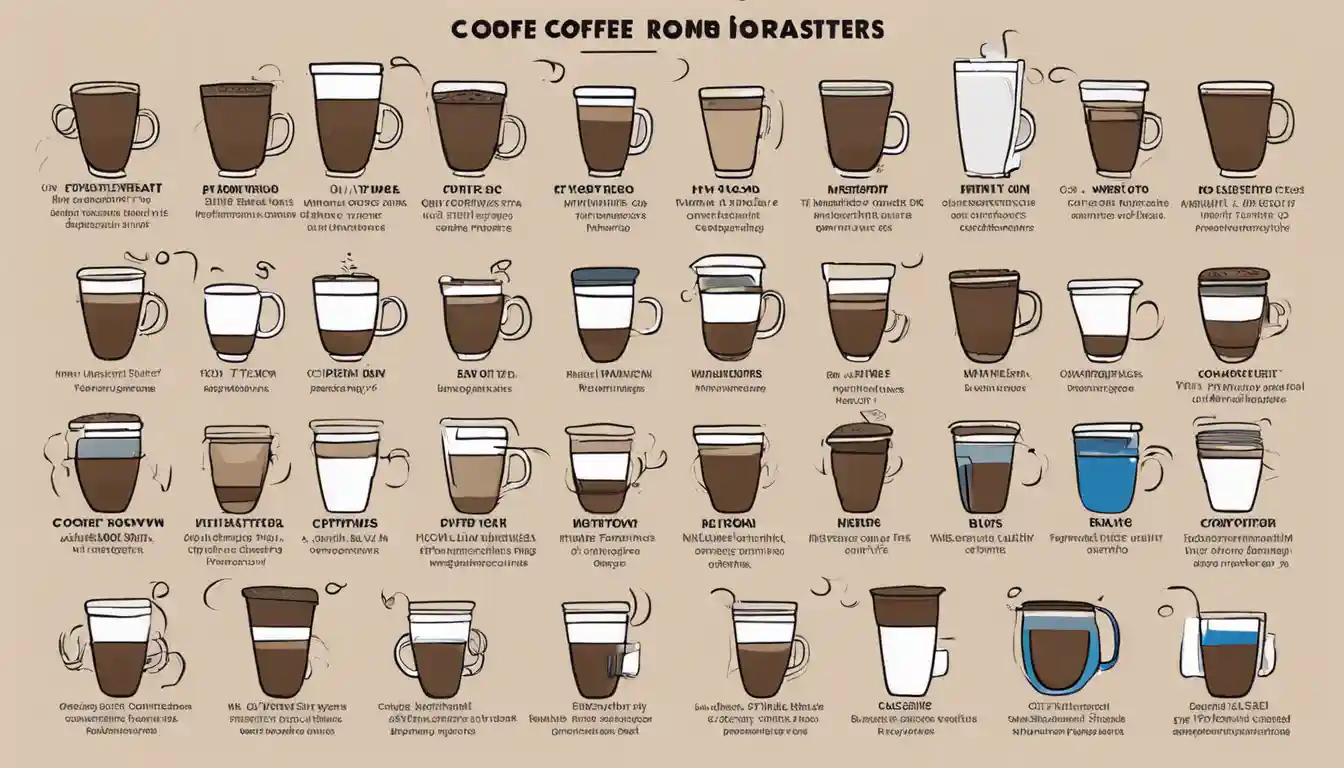
In the world of Web3 coding, a well-crafted cup of coffee can do wonders for your productivity. The right beans, sourced from reputable roasters, not only provide that essential caffeine kick but also enhance focus and creativity. Here are some top coffee roasters that can fuel your next coding session.
Founded in Portland, Oregon, Stumptown is renowned for its direct trade sourcing and high-quality beans. Their emphasis on freshness and flavor offers a variety of blends that can suit different coding moods. The Hair Bender blend, for example, is an excellent choice for its balanced acidity and rich chocolate notes, making it perfect for long hours of coding.
With a commitment to freshness, Blue Bottle Coffee prides itself on roasting beans within 48 hours of shipping. Their Single Origin coffees are particularly celebrated for their unique characteristics. For those marathon coding sessions, their Ghana Akwaaba provides a complex flavor profile that can keep your mind sharp and engaged.
Counter Culture Coffee offers a range of sustainable and ethically sourced coffees. Their Big Trouble blend is a fan favorite, known for its smooth, nutty flavor that’s inviting without being overwhelming. This blend can help maintain your energy without the jitters, crucial for maintaining focus during critical development tasks.
Intelligentsia is known for its dedication to quality and sustainability. Their Black Cat Classic Espresso is perfect for those who enjoy a stronger brew. This espresso can provide a quick energy boost, ideal for tackling challenging problems or debugging code when time is of the essence.
Located in Arkansas, Onyx Coffee Lab is celebrated for its innovative approach to coffee roasting. They focus on the science behind brewing, which resonates well with developers who appreciate precision. Their Kenya Kirinyaga offers a vibrant acidity and a fruity profile, stimulating the mind and enhancing creativity—perfect for brainstorming sessions or conceptualizing new projects.
Verve Coffee Roasters, based in California, emphasizes sustainability and community. Their Streetlevel blend is a great everyday coffee that’s approachable yet flavorful. Its smooth balance of chocolate and caramel notes provides a comforting backdrop for those long coding hours.
For those who enjoy a richer, darker roast, Peet’s Coffee offers a variety of options that can cater to different palates. Their Major Dickason’s Blend is particularly popular among coffee enthusiasts for its deep, complex flavor. This blend can help keep your energy levels stable while you tackle intricate coding challenges.
If you prefer an Italian-style coffee, Lavazza is a classic choice. Their blends, like Qualità Rossa, offer a robust flavor that can energize your coding sessions. The rich taste and aroma can also create a pleasant atmosphere in your workspace, making it easier to dive deep into your projects.
While these coffee options can significantly boost your productivity, it's essential to balance caffeine intake with hydration—especially since dehydration can adversely affect cognitive function. Research indicates that maintaining proper hydration is critical for optimal brain performance. Therefore, complement your coffee consumption with plenty of water.
Utilizing applications that track your hydration and caffeine intake can further enhance your productivity. The SalienTrack framework, for instance, offers insights into self-tracking that can help you identify when you've consumed too much caffeine or not enough water, fostering awareness of your dietary habits while coding.

The intersection of nutrition and caffeine is critical for enhancing productivity, particularly in the demanding realm of Web3 development. Understanding this synergy allows developers and digital creators to optimize their cognitive abilities and maintain peak performance throughout their workdays.
Nutrition is not merely about sustaining energy levels; it plays a pivotal role in cognitive functions such as attention, memory, and problem-solving. For instance, the concept of the "Digital Diet" underscores the importance of macronutrients—carbohydrates, proteins, and fats—in supporting sustained energy during marathon coding sessions. Whole grains, lean proteins, and healthy fats can provide the necessary fuel for long hours of focused work.
Moreover, hydration is often underestimated yet crucial. Research has shown that dehydration negatively impacts cognitive abilities, reducing attention span and impairing memory. A study conducted among adolescents in Petaling Perdana, Malaysia, revealed a stark contrast in cognitive performance between hydrated and dehydrated participants. Those who maintained adequate hydration scored significantly higher on cognitive assessments, highlighting the importance of integrating regular water intake into daily routines.
With the rise of self-tracking technologies, developers can leverage tools like the SalienTrack framework to monitor their nutritional habits effectively. This AI-driven model enhances self-awareness by identifying key tracking events related to food intake and hydration. By employing photo-based food tracking and providing feedback on significant dietary choices, developers can make informed decisions that directly impact their performance. Such tools can simplify the journey toward healthier eating, making it easier to adopt practices that benefit cognitive function.
Caffeine, often a staple in the coding community, can either be a friend or a foe. While moderate consumption can enhance alertness and focus, over-reliance can lead to jitters and decreased productivity. The challenge lies in finding the right balance. For example, enjoying high-quality coffee from the best coffee roasters can make a difference. Specialty coffee not only boasts superior taste but may also provide a cleaner caffeine boost, allowing developers to experience enhanced focus without the crash associated with lower-quality options.
Additionally, understanding the timing of caffeine intake is essential. Consuming caffeine strategically—such as during the mid-afternoon slump—can provide a much-needed boost without interfering with sleep patterns later on. This approach can help maintain a steady flow of productivity throughout the day.
Ultimately, merging nutrition and caffeine into a coherent strategy forms the backbone of the Digital Diet. By prioritizing whole foods, staying hydrated, and consuming caffeine mindfully, Web3 developers can create an environment conducive to peak performance. This holistic approach not only enhances individual productivity but fosters a culture of wellness within the broader Web3 community.
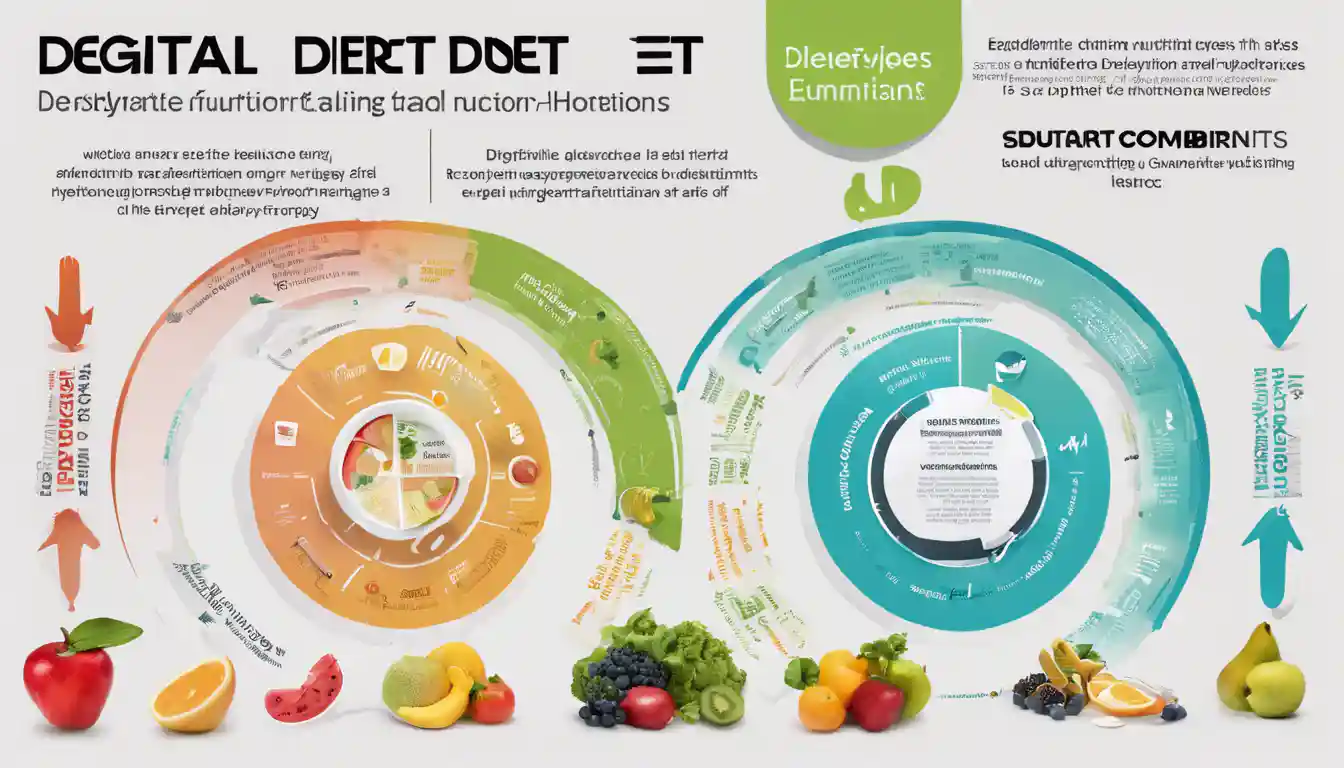
The concept of the "Digital Diet" is central to enhancing productivity in the dynamic Web3 environment. It emphasizes how our dietary choices affect cognitive functions and energy levels, critical for developers and digital creators who often work long hours. This section explores the vital role of nutrition and hydration in fueling productivity, backed by scientific insights and real-world applications.
Macronutrients—carbohydrates, proteins, and fats—play distinct roles in sustaining energy during long coding sessions. For instance, complex carbohydrates found in whole grains provide a steady release of energy, preventing the spikes and crashes associated with simple sugars. This is particularly important for developers engaged in intensive coding, where prolonged focus is required.
Protein, on the other hand, is essential for repairing and building tissues, including brain cells. Including sources like lean meats, legumes, and nuts can help maintain cognitive functions over extended periods. Healthy fats from sources like avocados and fish are crucial for brain health, supporting memory and concentration.
Hydration is another cornerstone of the Digital Diet. Studies have shown that inadequate water intake can lead to dehydration, which adversely affects cognitive performance. A paper highlighted that dehydration increases plasma osmolality, negatively impacting attention, memory, and learning capabilities. This is particularly relevant for developers who may overlook hydration while engrossed in their work.
Real-world applications, such as the SalienTrack framework, can enhance self-tracking, helping individuals monitor their hydration status. By identifying key tracking events, such as daily water intake, developers can make informed decisions to maintain optimal hydration levels, thereby boosting their coding performance.
In many educational and professional settings, promoting better hydration practices can lead to significant improvements in cognitive function. For instance, a study involving Egyptian school children found that after implementing health education interventions around hydration, cognitive performance significantly improved. This emphasizes the potential for similar initiatives in tech companies and coding bootcamps, where educators and leaders can encourage regular water breaks and provide accessible hydration options.
The integration of technology into healthy eating habits is increasingly relevant in today's digital landscape. Numerous apps exist that help track nutritional intake and suggest meal plans tailored for optimal cognitive performance. For example, applications that analyze dietary patterns can provide insights based on the SalienTrack framework, highlighting significant events that lead to unhealthy eating behaviors.
By leveraging these tools, developers can create a personalized nutrition plan that aligns with their workload and enhances their productivity. Furthermore, community-driven platforms allow individuals to share recipes for brain-boosting snacks or hydration tips, fostering a culture of wellness that supports the ambitious goals of the Web3 community.
In our exploration of how healthy eating and quality coffee can fuel productivity in the Web3 environment, we've uncovered critical insights that can empower developers and digital creators. The essence of the "Digital Diet" highlights the profound impact that nutrition and hydration have on cognitive function, creativity, and overall productivity.
From understanding the role of macronutrients in sustaining energy levels to recognizing the importance of hydration, we see that what we consume directly influences our ability to focus, innovate, and solve complex problems. Healthy eating habits, such as meal prepping and choosing brain-boosting snacks, serve as the foundation for sustained energy during long coding sessions. Similarly, integrating high-quality coffee into our routines can amplify our focus and creativity, provided we balance caffeine intake with adequate hydration.
As we embrace technology in our daily lives, the use of frameworks like SalienTrack can enhance our awareness of dietary habits, encouraging informed choices that optimize performance. This self-tracking approach empowers developers to take charge of their nutrition, creating a positive feedback loop that benefits both their personal and professional lives.
As we move forward in this rapidly evolving digital landscape, I urge you to reflect on your own dietary habits and caffeine consumption. What small changes can you implement today to enhance your productivity? Whether it’s prioritizing hydration, meal prepping, or exploring new coffee roasters, every step you take towards better nutrition can unlock greater potential in your coding journey. Let’s build a healthier, more productive Web3 community together!

Get notified about new articles, coffee tips, and Web3 insights.
This site participates in affiliate programs and may earn a commission when a link is clicked and a purchase is made. The site is not responsible for any issues or troubles related to the products or services purchased through the use of this site.

DO&COFFEE loves coffee and technology, exploring the potential of NFTs and blockchain. Learn more →
DO&COFFEE loves coffee and technology, exploring the potential of NFTs and blockchain. Learn more →