art
2024/08/12
In a world that often prioritizes the tangible over the intangible, art festivals are undergoing a profound transformation, driven by a minimalist revolution that redefines how we interact with creativity. The notion of "Ephemeral Sanctuaries" captures this shift, illustrating how minimalist art installations are not merely aesthetic enhancements but gateways to deeper introspection and connection. By employing natural elements, light, and sound, these installations carve out serene spaces that invite festival-goers to pause, reflect, and engage meaningfully with both the art and each other.
Imagine wandering through a festival where each installation serves as a temporary refuge. Picture translucent structures crafted from bamboo and recycled fabrics, creating a labyrinth of tranquility amid the vibrant chaos of festival life. These minimalist spaces foster mindfulness, encouraging attendees to share their thoughts and experiences in moments of collective silence. Moreover, the interactive nature of these art pieces invites participants to contribute, transforming passive observation into active engagement.
This blog post will delve into the impact of minimalist art on festivals, highlighting notable installations that embody these principles and exploring how they enhance audience experience. By transforming traditional perceptions of art consumption, minimalist installations not only redefine our relationship with art but also challenge us to find beauty in simplicity and connection in collective experience. As we unpack this minimalist revolution, we will discover how these ephemeral sanctuaries are shaping the future of art festivals, leaving lasting impressions long after the lights dim and the crowds disperse.
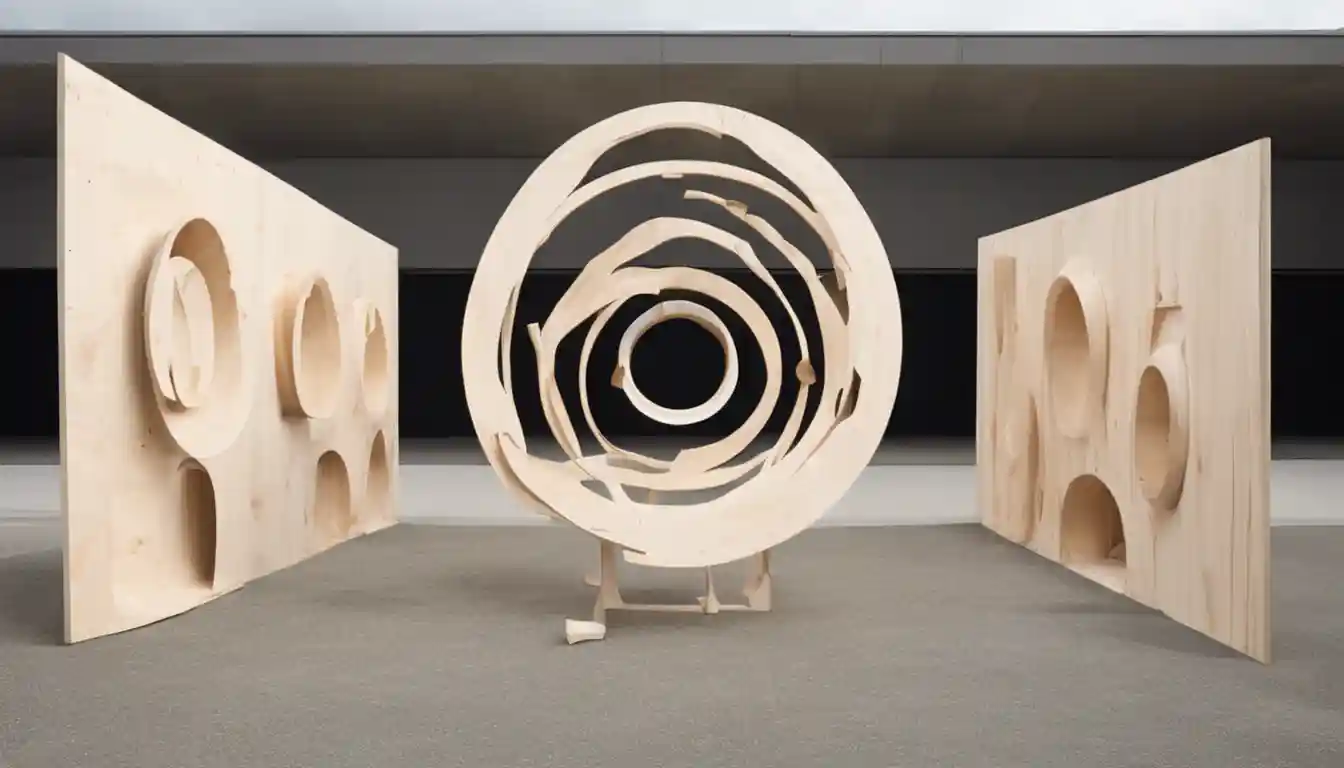
As we navigate a world increasingly dominated by consumerism, the minimalist movement in art installations emerges as a poignant response, particularly in festival environments. The concept of "Ephemeral Sanctuaries" encapsulates how these installations utilize simplicity to foster deeper connections and introspection among attendees. By employing natural elements, light, and sound, minimalist art installations transform festival landscapes into immersive experiences that resonate with tranquility and mindfulness.
Minimalism in art is characterized by its rejection of excess and embellishment, favoring a focus on form, material, and space. This approach not only simplifies artistic expression but also invites audiences to engage with the work on a more intimate level. For instance, installations designed with organic materials like bamboo and recycled fabrics create serene environments that encourage reflection and connection. These structures can take on various forms, from translucent canopies that filter light to labyrinthine arrangements that invite exploration.
One notable example is the "Morphologica" project by artist Erceg, which exemplifies the themes of ephemerality and materiality. Erceg's use of recycled industrial plastics, such as irrigation hoses and fishing lines, transforms these materials into organic sculptural forms that blend seamlessly with their surroundings. This project not only prompts discussions about the dual nature of plastics—valued yet hazardous—but also shifts the context of art from static gallery spaces to dynamic outdoor environments. As these installations evolve with seasonal changes and weather interactions, they highlight the impermanence inherent in both art and life.
In addition to visual elements, sound installations play a crucial role in the minimalist revolution at art festivals. Drawing on concepts from critical cartography and acoustic ecology, sound installations emphasize ephemerality, multiplicity, and relationality. Unlike static sound maps that serve as mere repositories, these installations create immersive spatial encounters that enhance the festival experience. By inviting attendees to engage in attentive listening, artists craft a nuanced understanding of sound and place, fostering a deeper connection to the environment.
Minimalist art installations also encourage interactivity, transforming passive observers into active participants. For example, festival-goers may be invited to contribute to a communal art piece, thereby deepening personal connections and fostering a sense of community. This participatory approach not only highlights the transient nature of art but also emphasizes the shared experiences that can emerge in festival settings. Such interactions remind us of the beauty found in simplicity and the connections we forge through collective creativity.
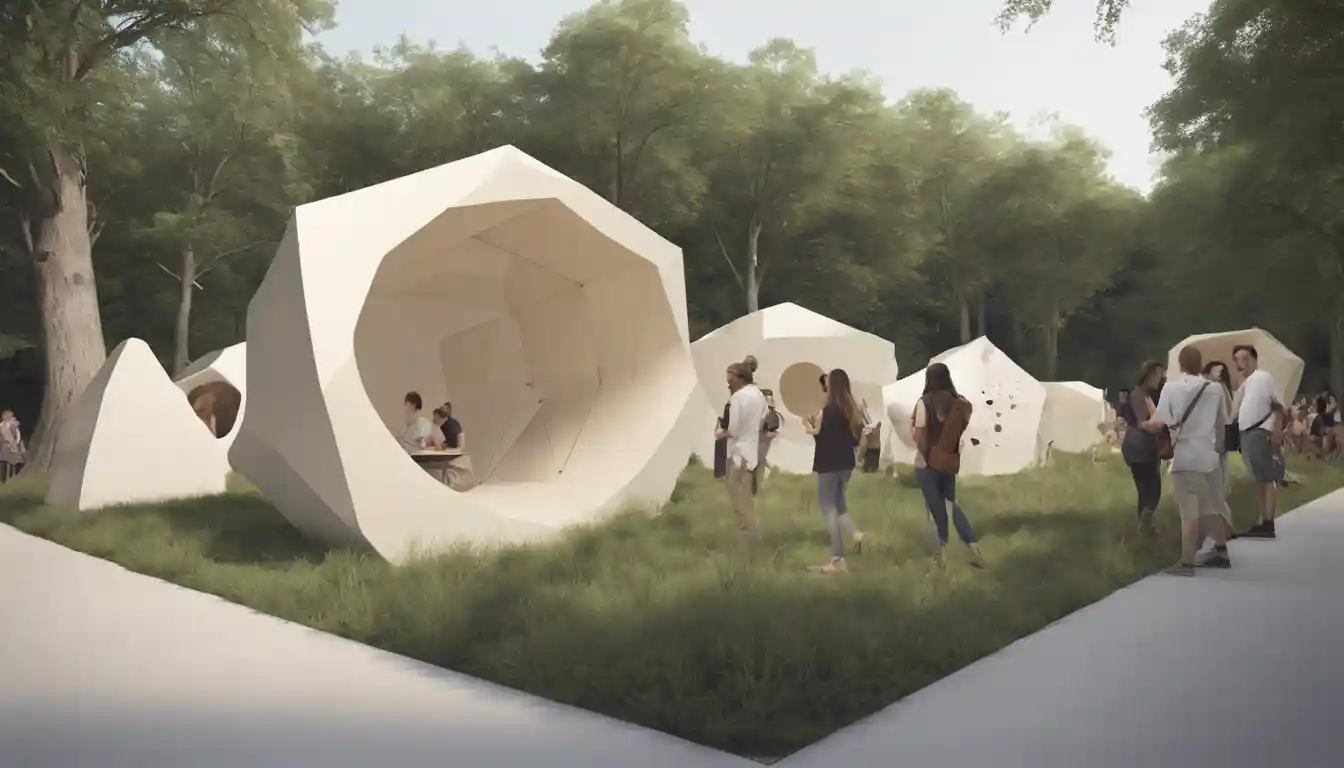
The minimalist art movement is redefining the landscape of art festivals, creating spaces that emphasize simplicity, community, and introspection. By stripping away the excess and focusing on the essence of materials and experiences, minimalist art installations invite festival-goers to engage in a deeper, more meaningful way.
Minimalist installations, like those envisioned in the concept of "Ephemeral Sanctuaries," transform festival environments into immersive experiences. These installations often feature organic materials, such as bamboo and recycled fabrics, designed to create tranquil spaces that encourage mindfulness. For example, consider a festival where a series of translucent structures form a labyrinth, inviting attendees to wander and reflect. Each turn reveals a new perspective, a moment of silence, or a shared thought with fellow festival-goers, fostering a sense of connection and community.
The interactive nature of minimalist art enhances personal connections among participants. Imagine an installation where visitors can contribute to a communal art piece, adding their own elements to an evolving sculpture. This hands-on approach emphasizes the transient nature of both the artwork and the festival experience, encouraging attendees to engage not just as spectators but as co-creators. Such engagement can deepen the emotional resonance of the experience, allowing individuals to forge connections through shared creativity.
Minimalist art often integrates natural elements and soundscapes, creating a holistic sensory experience. For instance, installations can include subtle soundscapes inspired by the surrounding environment, drawing from concepts explored in contemporary sound art. These sound installations emphasize ephemerality and multiplicity, inviting attendees to engage in attentive listening and to appreciate the transient sounds of the festival setting. This approach not only enhances the immersive quality of the installations but also encourages a deeper understanding of one's relationship to place.
A prime example of minimalist impact on festival settings is the site-specific installation project "Morphologica" by artist Erceg. This project utilizes recycled industrial plastics—like irrigation hoses and fishing lines—to create organic sculptural forms that resonate with both the beauty and the challenges posed by modern materials. By moving beyond traditional gallery spaces to outdoor settings, "Morphologica" invites viewers to witness the transformation of materials in response to seasonal changes and environmental interactions. Erceg documents these installations, underscoring their evolving relationship with the landscape and prompting discussions about sustainability and the dual nature of plastics as both valuable resources and environmental hazards.
Minimalist art installations challenge traditional notions of consumption within the festival context. They urge attendees to find beauty not in accumulation but in simplicity and connection. For example, rather than offering an overabundance of visual stimuli, these installations invite visitors to reflect on their surroundings, fostering a sense of peace that often feels elusive in modern life. This shift in focus helps cultivate an atmosphere where shared experiences take precedence over material possessions, ultimately leaving a lasting impression long after the event ends.
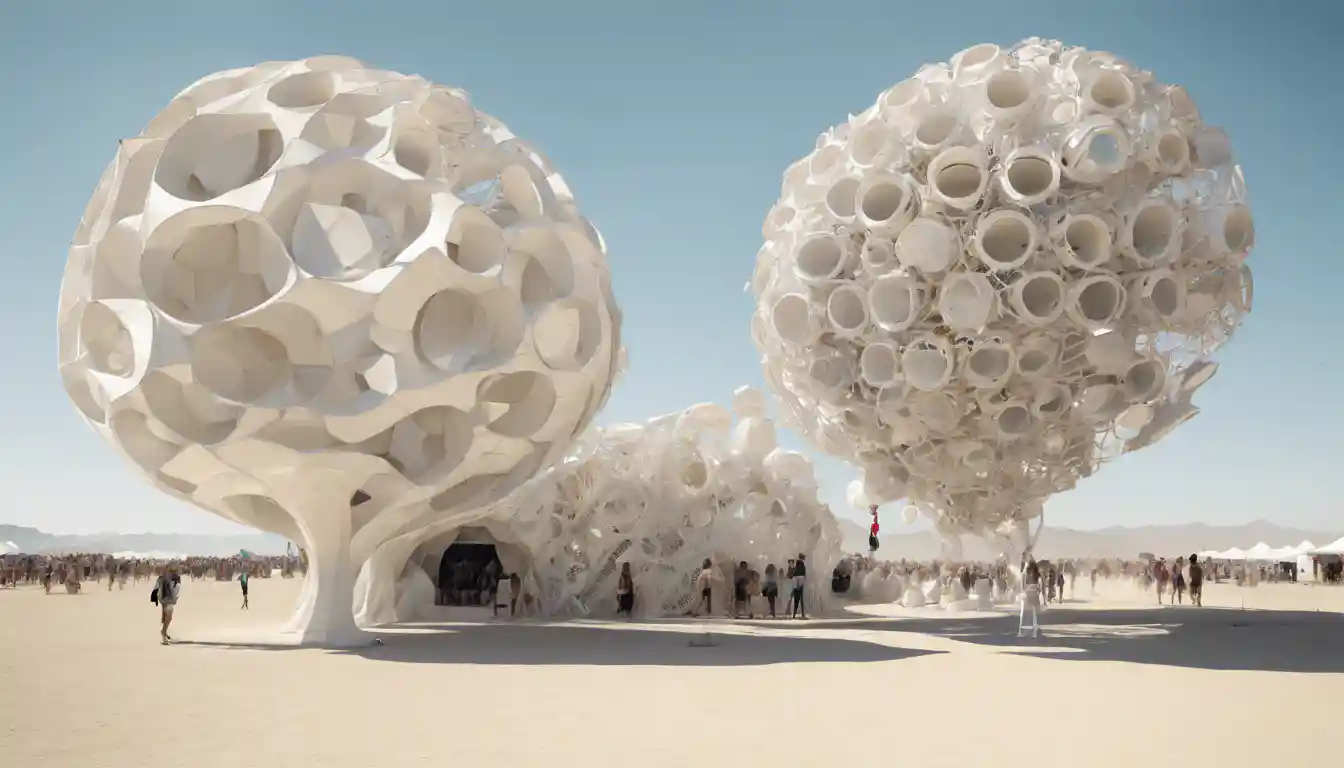
As festivals evolve into sanctuaries of artistic expression, several notable minimalist art installations have emerged that embody the principles of simplicity, ephemerality, and community engagement.
One of the standout installations is "Morphologica," created by artist Erceg. This site-specific project utilizes recycled industrial plastics, such as irrigation hoses and fishing lines, to craft organic sculptural forms. These installations are not static; they shift from traditional gallery settings to outdoor environments, allowing them to engage with the natural elements and seasonal changes.
For example, at the Burning Man Festival, Erceg's sculptures seamlessly integrated into the desert landscape, prompting attendees to reflect on the dual nature of plastics—both valuable and hazardous. The installation evolved throughout the festival, documented through photographs and videos, showcasing its transformation and relationship with the surrounding environment over time. This dynamic interaction not only highlights the material's impermanence but also cultivates a dialogue among festival-goers about sustainability and artistic expression.
Another remarkable aspect of minimalist art at festivals is the use of sound installations, which create immersive spatial encounters. Drawing from contemporary sound practices, these installations encourage attendees to engage in attentive listening and explore the spatial characteristics of their surroundings.
At the Glastonbury Festival, artists have implemented sound installations that serve as aural cartographic processes. These installations critique traditional sound maps by offering a more dynamic understanding of sound and space. Instead of being mere repositories of recordings, these pieces invite participants to experience sound as a living, breathing entity that interacts with the environment and the audience's movements.
For instance, an installation might feature a series of speakers strategically placed throughout a wooded area, emitting subtle nature-inspired soundscapes that change based on the listener's location. This relational approach not only enhances the sensory experience but also fosters a deeper connection to the festival's natural setting.
Minimalist installations at festivals often embrace interactivity, inviting attendees to contribute to the art itself. A notable example is a collaborative installation where visitors are encouraged to add their own elements, such as pieces of fabric or natural materials, to a structure made of bamboo and recycled cloth.
At the Coachella Valley Music and Arts Festival, this approach has manifested in installations that transform throughout the event. As festival-goers engage with the installation, they create a collective tapestry that evolves, symbolizing the shared experiences and connections formed during the festival. This hands-on participation emphasizes the transient nature of both the art and the festival experience itself, reinforcing the idea that art is not just to be observed but also to be lived.
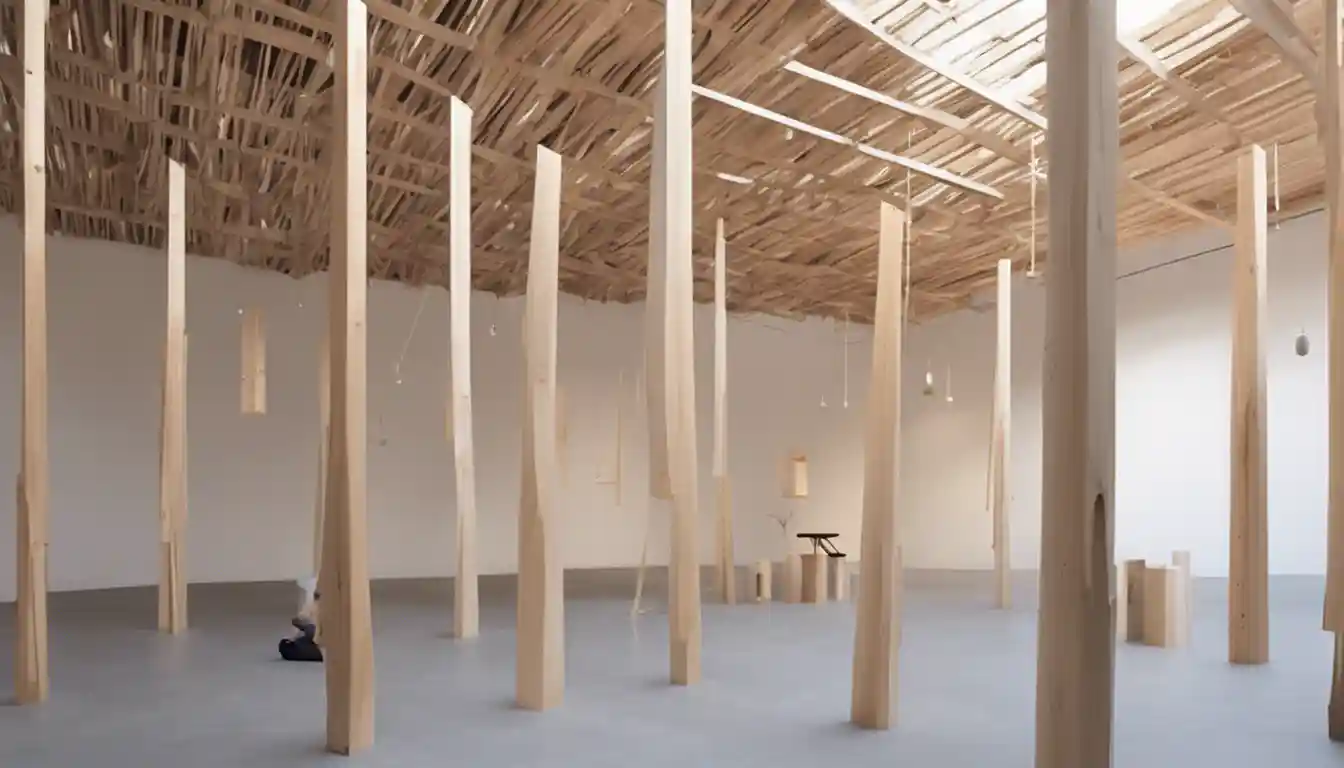
The minimalist art installations at festivals are not just visual spectacles; they are designed to create profound experiences that actively engage audiences. By transforming festival spaces into "Ephemeral Sanctuaries," these installations invite attendees to immerse themselves in a dialogue with the art, nature, and each other.
One of the most compelling aspects of minimalist installations is their emphasis on interactivity. For example, a project that utilizes recycled materials, like Erceg's "Morphologica," can encourage festival-goers to add to an evolving communal art piece. By allowing visitors to contribute their touches, the installation becomes a living organism—constantly changing and reflecting the collective creativity of the audience. This participatory approach fosters a sense of ownership and belonging, as attendees see their contributions woven into the fabric of the artwork.
In addition to visual components, sound plays a crucial role in enhancing audience engagement. Sound installations, as discussed in recent academic explorations, create immersive auditory experiences that invite attentive listening. For instance, installations can feature subtle soundscapes of nature, harmonizing with the minimalist visual components to deepen the emotional impact. This integration creates spatial encounters that resonate with the audience, encouraging them to explore the relationship between sound, space, and their inner thoughts.
The design of these installations often promotes mindfulness. By encouraging attendees to pause and reflect, they serve as a counterbalance to the often chaotic nature of festival environments. Imagine wandering through a serene labyrinth of translucent bamboo structures, where the simplicity of form and the absence of excess prompt visitors to engage in self-reflection. This intentional design echoes the principles of mindfulness, inviting participants to disconnect from the noise of everyday life and reconnect with their inner selves.
Moreover, the transient nature of these installations can be documented through photographs and videos, capturing their evolution over time. This not only preserves the memory of the experience but also prompts discussions about the themes of ephemerality and materiality. As seen in Erceg's work, the relationship between art and its environment can shift dramatically with changing weather and seasons, further enhancing the audience's understanding of the impermanence inherent in both art and life.
Ultimately, these minimalist art installations create spaces that cultivate connections among festival-goers. By inviting shared experiences of silence, reflection, and participation, they break down barriers and foster a sense of community. Attendees are encouraged to share their thoughts and feelings, transforming passive observation into active engagement. This communal aspect of engagement not only enhances the festival experience but also redefines our understanding of art as a medium for connection and dialogue.
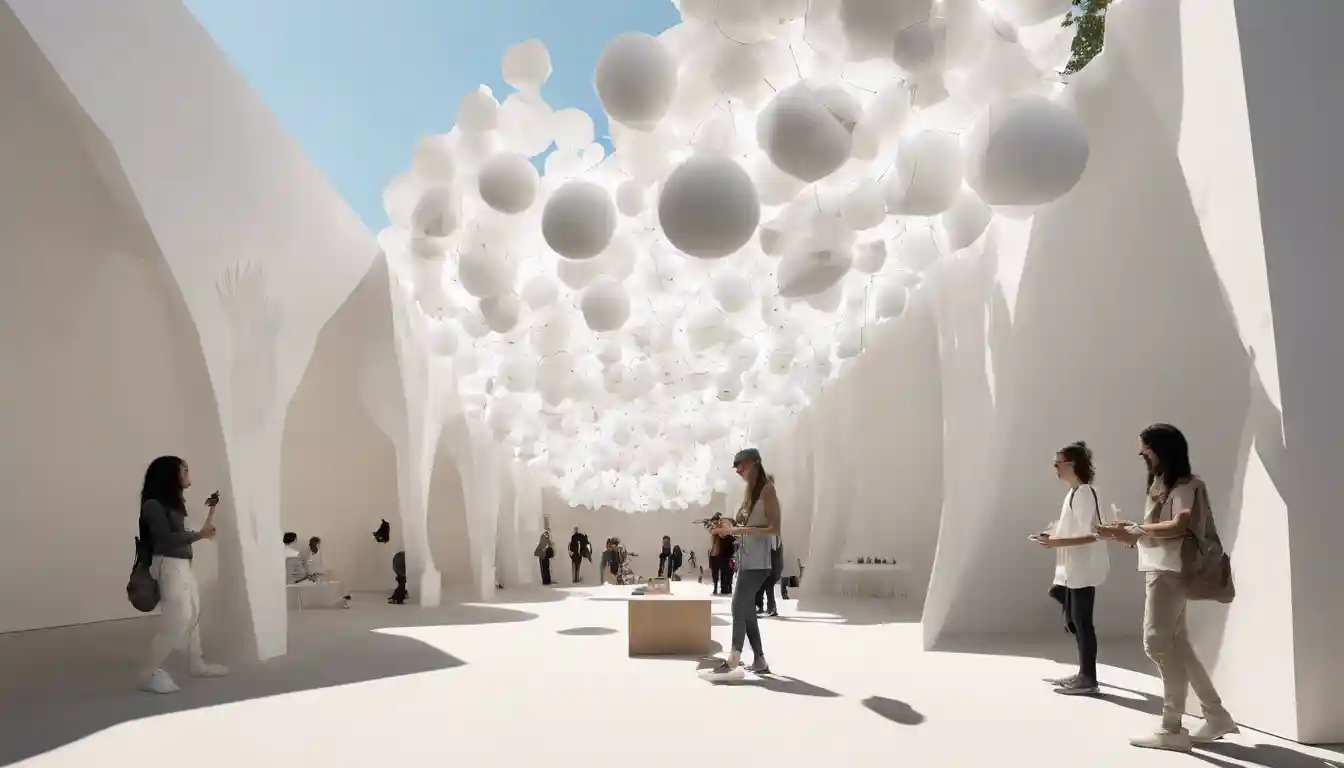
As we look towards the future, the intersection of minimalism and art festivals appears poised for profound evolution. The concept of "Ephemeral Sanctuaries" not only reshapes our understanding of what art can be but also how it can engage communities and enhance shared experiences. Minimalist art installations, characterized by their simplicity and focus on natural elements, invite festival-goers to engage in deeper reflections on their interactions with both art and the environment.
One key aspect of this minimalist revolution is the innovative use of materials. Artists like Erceg, through projects such as "Morphologica," demonstrate how recycled industrial plastics can be transformed into striking, organic forms that resonate with the themes of ephemerality and sustainability. By incorporating materials that are often overlooked or discarded, these installations spark dialogues about the lifecycle of objects and their impact on our environment. The outdoor settings of these installations offer a dynamic relationship with nature, evolving alongside seasonal changes, thereby deepening the audience's connection to both the art and its surroundings.
The future of minimalism in art festivals will likely see an increase in interactive installations that invite audience participation. This approach not only fosters a sense of ownership among participants but also emphasizes the transient nature of the artwork itself. For example, an installation could allow festival-goers to contribute to a communal piece, thereby creating a living testament to the collective experience of the festival, much like the evolving nature of sound installations that encourage attentive listening and active engagement with the environment.
Sound installations will also play a critical role in this minimalist movement. By utilizing experimental sound practices, artists can create immersive environments that augment the visual simplicity of the art. As highlighted in recent academic explorations, sound can serve as a powerful tool for creating spatial encounters, enhancing how audiences perceive and interact with their surroundings. This dynamic interplay between sound and space can transform the festival experience, making it a holistic engagement that resonates on multiple sensory levels.
Ultimately, the minimalist approach in art festivals challenges the consumerist mindset that often pervades cultural events. By prioritizing experiences over possessions, these installations encourage attendees to seek beauty in simplicity, mindfulness in engagement, and community in shared experiences. As we embrace this minimalist revolution, art festivals will become more than just venues for artistic expression—they will evolve into sanctuaries that nourish the soul and foster deeper connections among individuals and with nature itself.
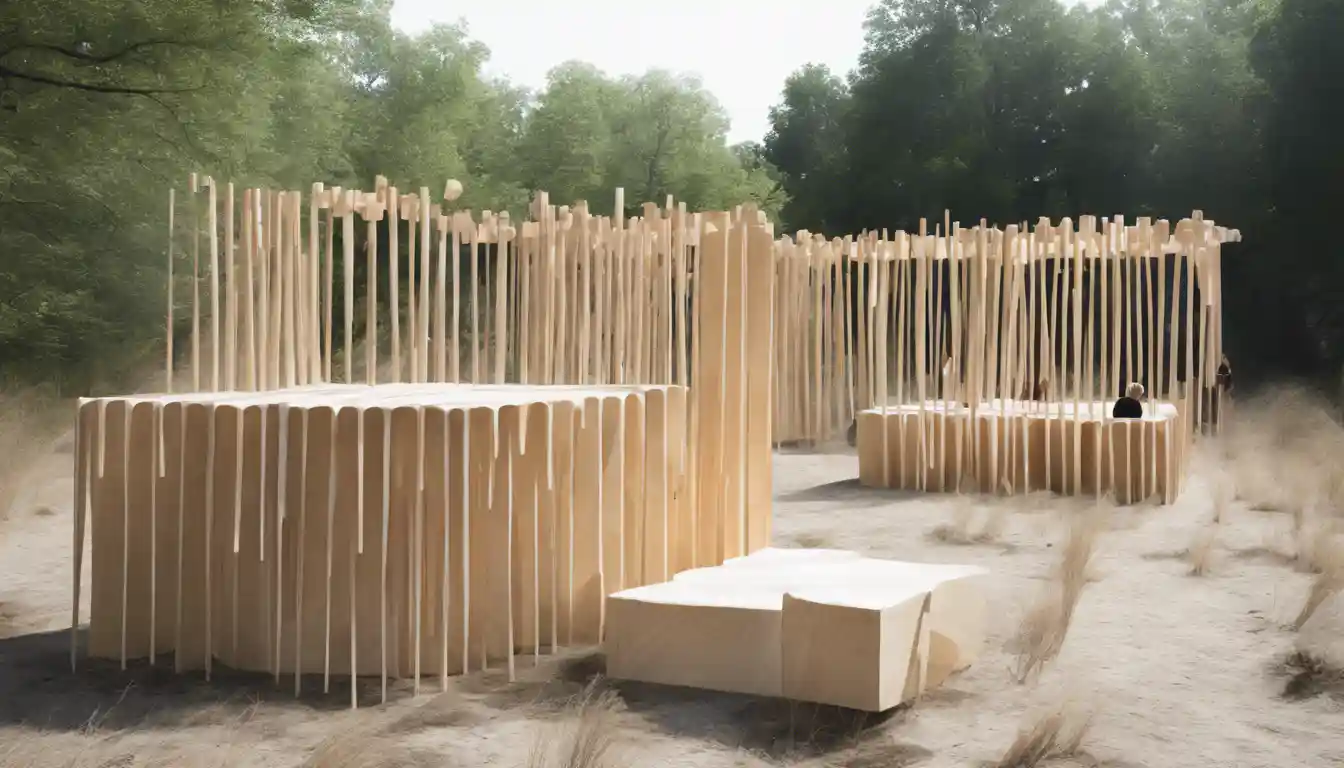
The concept of "Ephemeral Sanctuaries" encapsulates the minimalist movement within art festivals, where installations serve as both aesthetic experiences and invitations for introspection. This transformative approach utilizes natural materials, light, and sound to create serene environments that resonate with simplicity, encouraging attendees to engage in mindfulness and connection.
One of the hallmarks of minimalist art installations is their reliance on organic materials. For example, consider a festival featuring a labyrinth of translucent structures crafted from bamboo and recycled fabric. These installations not only provide visual interest but also invite attendees to pause and reflect, fostering a sense of tranquility amid the bustling atmosphere of a festival. The use of natural materials aligns with the growing awareness of sustainability in art, as seen in projects like "Morphologica" by Erceg, which creatively repurposes industrial plastics into organic sculptural forms.
Sound plays a crucial role in enhancing the minimalist experience. By integrating subtle soundscapes that mimic nature—such as water flowing or leaves rustling—installations can create an immersive environment that fosters community among festival-goers. This echoes the findings from recent studies on sound installations, which emphasize the importance of creating spatial encounters that highlight ephemerality and relationality. For instance, sound artists are increasingly moving away from static recordings to more dynamic, immersive experiences that encourage attentive listening and interaction with the environment.
Interactivity is another vital component of minimalist art installations at festivals. By inviting attendees to participate in the creation process, artists can deepen personal connections and emphasize the transient nature of both art and life. For example, a communal art piece might evolve throughout the festival, with visitors contributing their own elements—be it a painted canvas or a woven fabric. This approach not only enriches the experience but also aligns with the minimalist ethos of simplicity and shared experience.
As installations evolve over time, documentation becomes a key aspect of understanding their impact. Erceg’s project "Morphologica" illustrates this well, as it shifts from traditional gallery spaces to outdoor settings, evolving with seasonal changes and weather interactions. Through photos and videos, these installations are chronicled, highlighting their transformation and relationship with the surrounding landscape. This documentation serves as a reminder of the ephemerality of art and the importance of context in experiencing these minimalist spaces.
In conclusion, the minimalist revolution in art installations is not merely a trend but a transformative movement reshaping art festivals into spaces of profound connection and reflection. The exploration of "Ephemeral Sanctuaries" has demonstrated how simplicity can enhance engagement and foster community among festival-goers. By utilizing natural materials, soundscapes, and interactive elements, minimalist installations invite audiences to experience art as a living dialogue, rather than a static observation.
As we’ve seen through notable projects like Erceg’s "Morphologica," the innovative use of recycled materials encourages a deeper understanding of sustainability and the impermanence of art. Such installations prompt meaningful conversations about our relationship with the environment and challenge us to rethink our consumption habits. The integration of sound further enriches these experiences, creating immersive environments that resonate on both emotional and sensory levels.
Looking ahead, the rise of interactive installations that invite audience participation will continue to redefine how we engage with art. By transforming passive spectators into active co-creators, these installations foster a sense of ownership and belonging, ultimately enhancing the festival experience. They encourage mindfulness and reflection in a world often overwhelmed by excess, reminding us of the beauty found in simplicity and shared experiences.
As we embrace this minimalist revolution, let us not only appreciate these installations but also engage with them. Next time you find yourself at an art festival, take a moment to immerse yourself in the experience. Reflect, participate, and connect with those around you. In a world increasingly driven by consumerism, let’s cultivate a culture that values depth over distraction, community over isolation, and simplicity over excess. The future of art festivals is not just about what we see; it’s about how we feel and how we connect.

Get notified about new articles, coffee tips, and Web3 insights.
This site participates in affiliate programs and may earn a commission when a link is clicked and a purchase is made. The site is not responsible for any issues or troubles related to the products or services purchased through the use of this site.

DO&COFFEE loves coffee and technology, exploring the potential of NFTs and blockchain. Learn more →
DO&COFFEE loves coffee and technology, exploring the potential of NFTs and blockchain. Learn more →