wellness
2024/09/04

In the fast-paced world of tech, where coding marathons and tight deadlines are the norm, healthy eating often falls by the wayside. How many times have you found yourself reaching for that last donut in the break room or scrambling to find a lunch that doesn’t come from a drive-thru? Well, what if you could transform your eating habits without sacrificing the valuable time you need to code? In our blog post, "Healthy Eating for Weight Loss: A Developer's Guide to Crafting Your Perfect Meal Plan," we explore the art of meal prepping specifically tailored for programmers.
This guide isn’t just about losing weight; it's about creating a structured yet flexible meal plan that fuels your productivity. We’ll delve into the science of weight loss and nutrition, helping you understand what truly constitutes a healthy eating plan. You’ll learn how to assess your dietary needs, build balanced meals rich in macronutrients and micronutrients, and discover sample meal plans and easy recipes that fit seamlessly into your busy lifestyle.
But that’s not all. We’ll also provide insights on maintaining your progress and making adjustments along the way, ensuring that healthy eating becomes a sustainable part of your daily routine. By prioritizing nutritious meals over quick fixes, you’ll not only support your weight loss goals but also enhance your focus and productivity—an essential advantage in the competitive world of development. So, are you ready to take the leap and craft your perfect meal plan? Let’s get started!
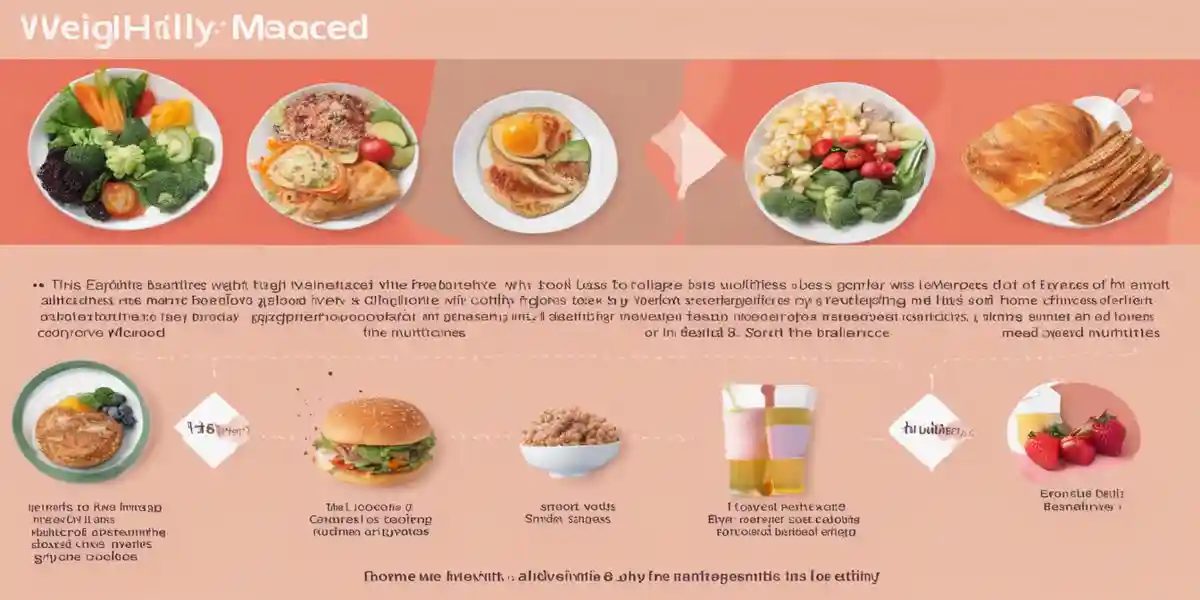
In a world dominated by quick fixes and fad diets, understanding the science behind weight loss and nutrition is crucial, especially for developers whose busy lifestyles often push healthy eating to the backseat. This section explores the mechanisms of weight loss and how meal prepping can serve as a powerful tool in achieving sustainable health goals.
At its core, weight loss hinges on the principle of calories in versus calories out. This means that to lose weight, you need to burn more calories than you consume. But it’s not just about cutting calories; it’s about the quality of those calories. Whole foods—like fruits, vegetables, lean proteins, and whole grains—are not only nutrient-dense but also provide the energy needed for those long coding sessions.
To craft an effective meal plan, understanding macronutrients—carbohydrates, proteins, and fats—is essential. Each plays a unique role in the body:
Research indicates that structured meal prepping can significantly improve dietary habits. A pilot study on an advance quantity meal prep (AQMP) program revealed that participants increased their home-cooked meal consumption from 52% to an impressive 86% over six weeks. This shift not only enhanced cooking attitudes and self-efficacy but also led to notable reductions in body fat and BMI.
As developers, the temptation to grab quick, unhealthy snacks is ever-present, especially during those late-night coding marathons. By dedicating a few hours on weekends to meal prep, you can create a stockpile of nutritious meals ready to grab and go. This not only eliminates the need to rely on vending machines or takeout but aligns perfectly with a busy schedule.
Effective meal prepping also involves smart storage techniques. Utilizing containers that are portioned correctly can help prevent overeating while also ensuring that meals remain fresh throughout the week. Consider investing in glass containers that are microwave and dishwasher safe, making reheating meals a breeze.
Incorporating healthy snacks into your meal plan can provide sustained energy and prevent the dreaded sugar crash. Think about swapping out chips and candy bars for options like nuts, fruits, or yogurt. These snacks not only help maintain energy levels but also keep your brain sharp and focused, which is essential for those who spend long hours coding.
Contrary to the perception that meal prepping is time-consuming and expensive, it can actually lead to significant savings. Preparing meals at home is typically cheaper than frequent dining out, and it allows you to control the ingredients, ultimately promoting healthier eating habits while saving money.
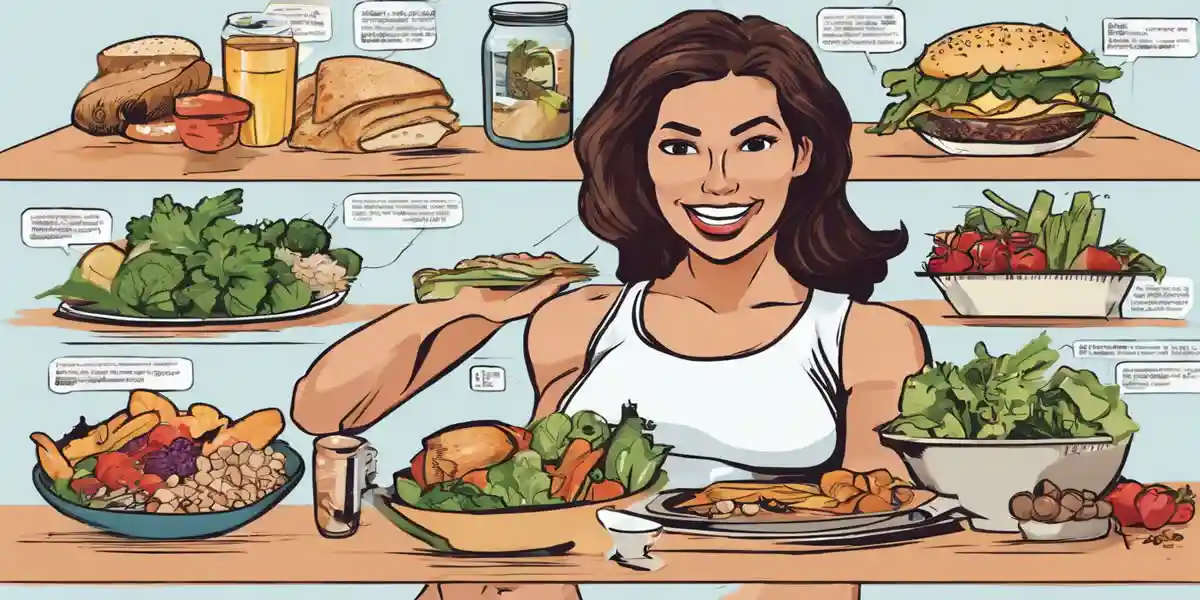
Creating a healthy eating plan involves several critical components that work together to promote weight loss and overall health. This section will explore these components in detail, providing practical insights tailored for developers navigating their busy lifestyles.
A successful meal plan should include a balanced ratio of macronutrients: carbohydrates, proteins, and fats. Each of these plays a vital role in your body’s function and energy levels, essential for those long coding sessions.
Meal prepping is not just about saving time; it’s about creating a structured plan that fits your lifestyle. According to recent research, participants who engaged in a group-based advance quantity meal prep (AQMP) program reported increased home-cooked meal consumption, rising from 52% to 86% over six weeks.
Snacking can often derail your healthy eating plan if not approached mindfully. Instead of reaching for chips or sugary treats, consider healthier options that provide sustained energy.
Staying hydrated is often overlooked but is crucial for maintaining energy levels and cognitive function. Aim to drink plenty of water throughout the day and consider incorporating herbal teas or infused waters for variety.
In the tech world, it’s easy to eat mindlessly, often in front of a computer screen. Practicing mindful eating can enhance your relationship with food. Take the time to enjoy your meals without distractions, which can lead to better digestion and satiety.

In the fast-paced world of tech, where deadlines loom and screens dominate our attention, healthy eating often takes a backseat. Meal prepping is a game-changer for developers, allowing you to maintain a nutritious diet without compromising your busy schedule. Imagine a week where every lunch break doesn’t involve a frantic rush to the nearest vending machine; instead, you have nutritious, home-cooked meals ready to go, crafted to fuel your coding sessions.
At its core, meal prepping involves preparing your meals in advance—whether for the week, a few days, or even a month. This approach not only saves time but also helps in maintaining portion control and choosing healthier ingredients. According to a pilot study, participants engaged in a structured meal prep program saw their home-cooked meal consumption rise from 52% to 86%, alongside significant decreases in body weight and fat mass. This illustrates how meal prepping can effectively support weight management.
Creating a structured yet flexible meal plan is essential for developers. Here are some practical strategies:
In addition to main meals, healthy snacks play a crucial role in sustaining energy levels during long coding sessions. Instead of reaching for chips or candy bars, opt for snacks that provide nutrients without causing sugar crashes. Some great options include:
Meal prepping isn’t just about health; it’s also a savvy financial strategy. By cooking at home, developers can save money compared to eating out. Meal prep allows you to buy ingredients in bulk, which often leads to lower costs per serving. Moreover, when approached effectively, meal prep can be quick and efficient, countering the common perception that it requires extensive time and effort. As one paper highlights, meal prepping is presented as a healthier and more cost-effective alternative to dining out, promoting better eating habits while saving money.
By prioritizing health through meal prepping, developers can significantly enhance their productivity and focus. Healthy meals stabilize blood sugar levels, preventing the mid-afternoon slump that often follows a sugary snack. The result? More sustained energy and concentration during critical coding tasks, turning meal prepping into a strategic advantage in a competitive field.
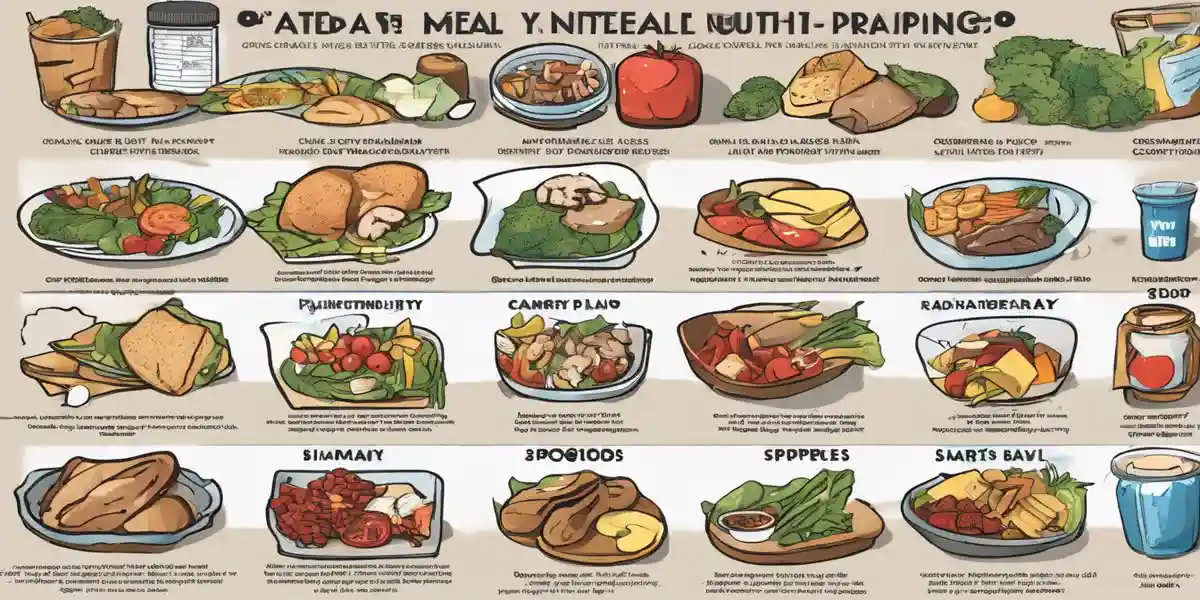
Before diving into the world of meal prepping, it’s crucial to assess your dietary needs and goals. This foundational step will serve as the compass guiding you through your culinary journey, ensuring that every meal you prepare aligns with your nutritional requirements and personal aspirations.
As developers, many of us lead sedentary lifestyles, often spending long hours in front of screens. This can significantly affect our energy levels and overall health. To counteract this, it’s essential to understand the macronutrient balance that works best for you. Generally, a diet rich in complex carbohydrates, lean proteins, and healthy fats is advisable. But how do you determine the right proportions?
Start by calculating your Basal Metabolic Rate (BMR) and Total Daily Energy Expenditure (TDEE). Numerous online calculators can help you with this. For instance, if your TDEE is 2,500 calories and you're aiming for weight loss, consider a target of around 2,000 calories per day. This means you'll need to plan meals that meet this caloric goal while still providing essential nutrients.
Once you've assessed your dietary needs, it's time to set specific, measurable, achievable, relevant, and time-bound (SMART) goals. Instead of vague intentions like "I want to eat healthier," articulate your objectives more precisely. For example, "I aim to prepare at least five home-cooked meals each week" is a clear and actionable goal.
Research supports that structured meal preparation can significantly enhance home cooking frequency. A pilot study highlighted that participants who engaged in a group-based advance quantity meal prep program saw their home-cooked dinner consumption rise from 52% to 86% over six weeks. This kind of commitment not only fosters healthier eating habits but can also lead to weight management and improved body composition.
As you craft your meal plan, it’s essential to consider your food preferences and any potential allergies. This ensures that your meals are not only nutritious but also enjoyable. For example, if you’re a fan of Mediterranean cuisine, consider incorporating lean proteins like chicken or fish, along with plenty of vegetables, whole grains, and healthy fats like olive oil. On the other hand, if you’re gluten intolerant, focus on gluten-free grains like quinoa or brown rice.
Using tools like food journals can help you track what you enjoy eating and identify any foods that cause adverse reactions. This personalized approach ensures that your meal plan is tailored to your lifestyle and tastes, making it easier to stick to your goals.
Creating a meal plan is not a one-time event but an evolving process. Regularly monitor your progress and be willing to make adjustments. If you find that you're feeling sluggish or not losing weight as expected, it might be time to reassess your caloric intake or the types of foods you are consuming. Flexibility is key—just like coding, meal prepping requires debugging and refining.
By actively engaging with your dietary needs and goals, you’ll be better equipped to create a meal plan that not only supports weight loss but also enhances your productivity and focus as a developer. In a world where deadlines loom and energy levels can fluctuate, having a thoughtfully crafted meal plan can be your secret weapon in maintaining both your health and performance.
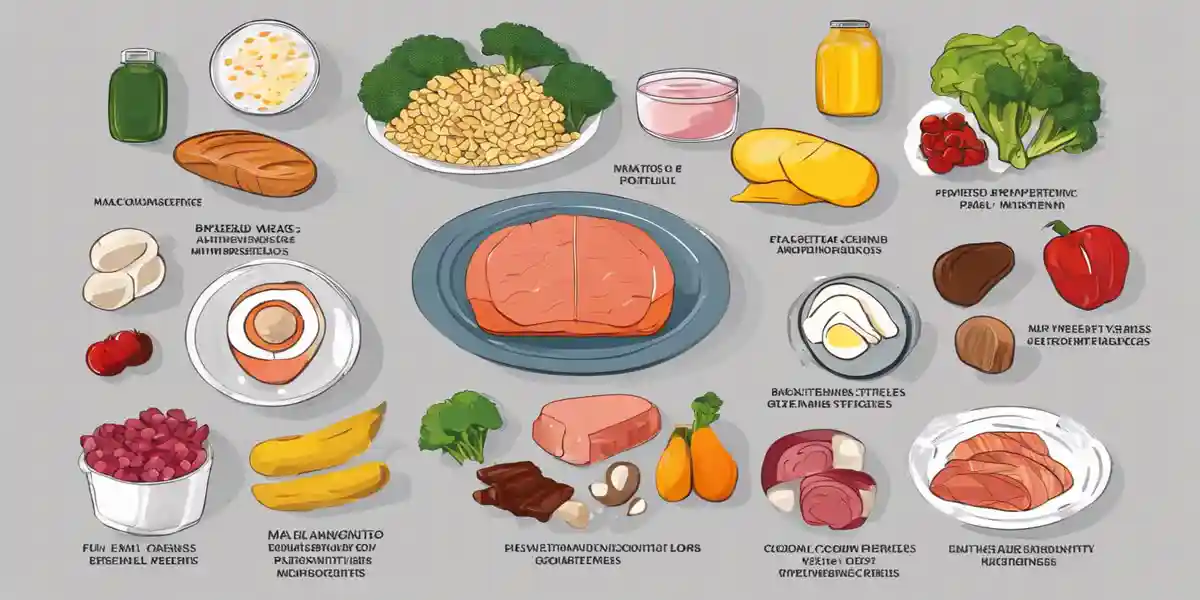
To effectively fuel your day and support your weight loss goals, it’s crucial to understand the building blocks of nutrition: macronutrients and micronutrients. These elements not only nourish your body but also help maintain energy levels and cognitive function, which are essential for developers who often juggle multiple projects and tight deadlines.
Macronutrients are the nutrients your body requires in larger amounts to function properly. They include carbohydrates, proteins, and fats, each playing a unique role in your overall health and energy management.
While macronutrients provide energy, micronutrients—vitamins and minerals—support metabolic processes and overall health. They are crucial for developers looking to maintain focus and productivity during intense work periods.
Understanding the balance of macronutrients and micronutrients is one thing; applying it to your meal prep is where the real challenge lies. Here are some strategies to seamlessly integrate this knowledge into your weekly plan:
Incorporating these macronutrient and micronutrient strategies into your meal prepping routine not only supports your physical health but can also significantly enhance your productivity and focus as a developer. By making informed choices, you can transform your meals into powerful tools that fuel your success.

This section provides practical meal plans and recipes tailored for developers looking to streamline their diet while maintaining energy and focus. By implementing these ideas, you can transform your eating habits without overwhelming yourself.
Imagine a week where each meal is thoughtfully prepared, eliminating the need for last-minute decisions that often lead to unhealthy choices. Here's a sample meal plan designed for developers:
To efficiently execute this meal plan, consider the following meal prep strategies:
Here are a few quick recipes that fit seamlessly into your meal prep routine:
Combine 1/2 cup rolled oats, 1 cup almond milk, 1 tablespoon chia seeds, and a handful of berries in a jar. Refrigerate overnight for a quick and nutritious breakfast.
Mix 1 cup cooked quinoa, 1/2 cup canned chickpeas, diced cucumber, bell peppers, and a dressing of olive oil, lemon juice, salt, and pepper. This salad can be made in advance and stored for several days.
Season salmon fillets with olive oil, salt, pepper, and lemon juice. Bake at 375°F (190°C) for 15-20 minutes. Enjoy with steamed broccoli and a sweet potato.
By adopting these meal plans and recipes, you can not only optimize your nutrition but also enhance your productivity and focus throughout the week.
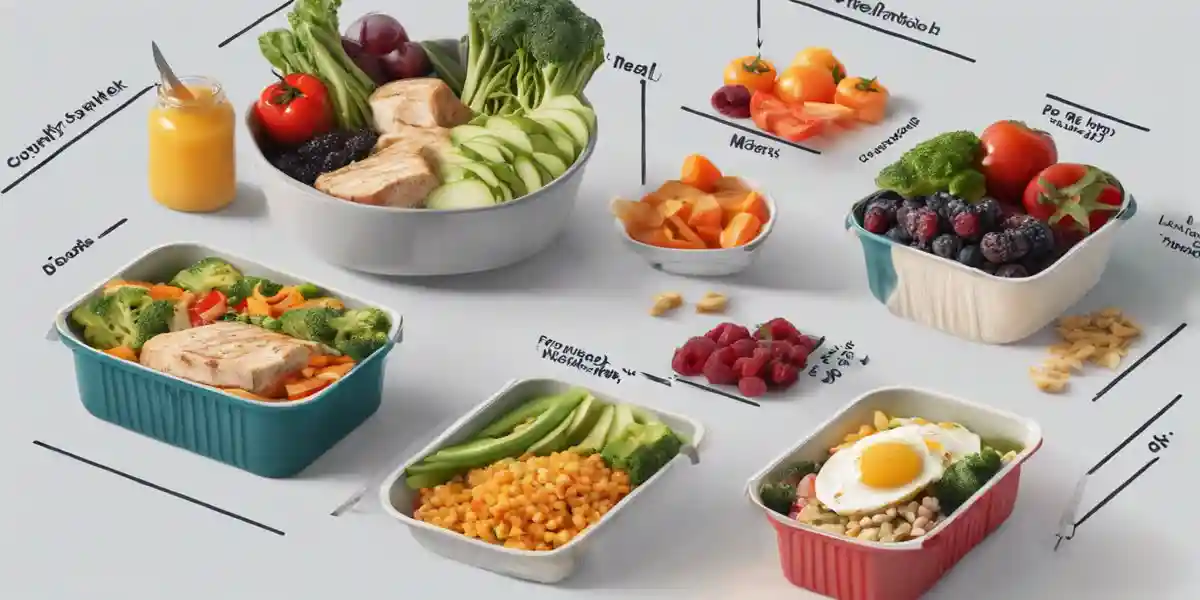
In our fast-paced tech environment, the notion of meal prepping often gets overshadowed by the chaos of deadlines and coding marathons. However, embracing the concept of meal prepping can not only streamline your eating habits but also enhance your overall productivity and well-being. Studies have shown that structured meal preparation can lead to significant improvements in dietary habits and body composition, making it a crucial strategy for developers looking to maintain a healthy lifestyle.
According to a pilot study investigating the effects of a group-based advance quantity meal prep (AQMP) program, participants who engaged in meal prepping experienced a notable increase in home-cooked meal consumption—from 52% to 86% over six weeks. Additionally, these individuals reported lower body fat mass and a decrease in body mass index (BMI). This highlights a critical insight: by simply investing a few hours to prepare meals ahead of time, you can significantly enhance your cooking habits and overall health.
Embarking on a meal prep journey may seem daunting, but it can be both efficient and rewarding. Here are some actionable steps to consider:
Snacking is a vital component of maintaining energy levels, especially for developers who may find themselves glued to their screens for extended periods. Instead of reaching for chips or candy bars, consider healthier options that provide sustained energy:
Meal prepping is not only a healthier alternative to dining out but also a cost-effective approach to eating. By planning your meals in advance, you can make strategic grocery purchases, reducing food waste and saving money. The study suggests that with effective planning, meal prep can be quick and efficient, dispelling the myth that it requires a significant time investment.
By prioritizing your health through meal prepping, you’re not just making a lifestyle choice; you’re giving yourself a strategic advantage in your work. Well-nourished developers experience enhanced focus and productivity, essential elements in a competitive field. Research indicates that a balanced diet can lead to improved cognitive function, allowing you to tackle complex coding tasks with greater efficiency.
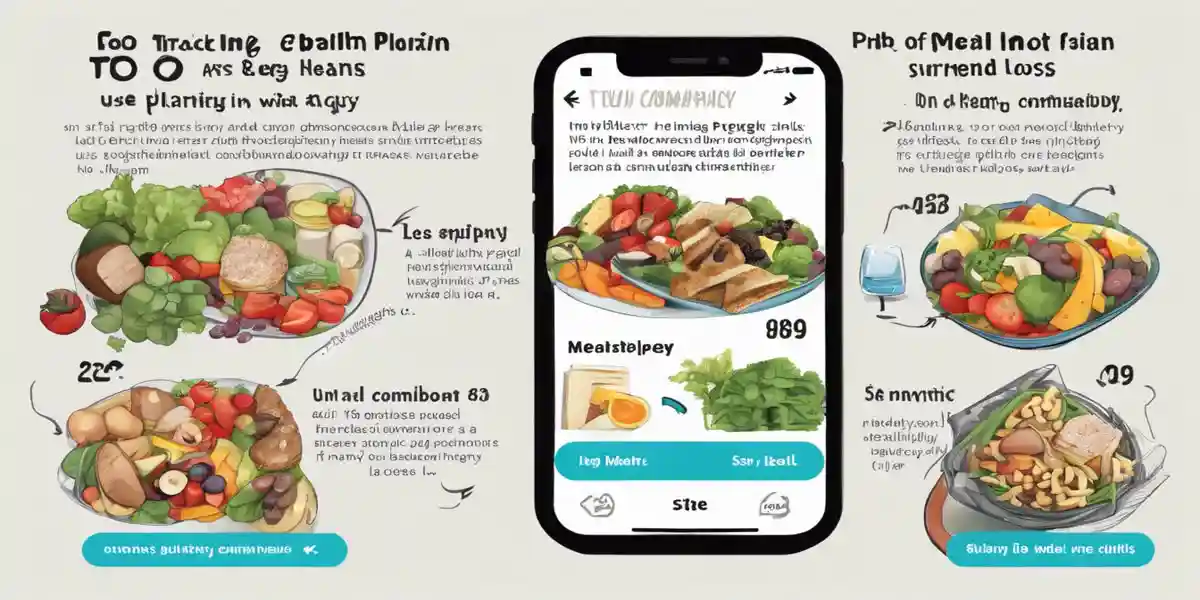
Monitoring your progress is essential for maintaining a healthy eating plan, especially in a demanding field like tech, where distractions abound and time is often limited. By keeping an eye on your habits and results, you can make informed adjustments that enhance your meal prep routine and support your weight loss goals.
One of the most effective ways to monitor your progress is by tracking your food intake. This can be done using apps like MyFitnessPal or Cronometer, which allow you to log meals and snacks easily. By recording what you eat, you gain insight into your caloric intake and nutritional balance. For instance, if you notice that your protein intake is lower than recommended, you can adjust your meal prep to include more sources like chicken, beans, or tofu.
Research supports the effectiveness of tracking; a pilot study on a group-based advance quantity meal prep (AQMP) program reported that participants showed significant increases in home-cooked meal consumption—from 52% to 86%—over six weeks. This suggests that simply being aware of what you consume can lead to healthier eating habits.
Establishing clear, measurable goals is another critical component of monitoring progress. Instead of vague objectives like "I want to eat healthier," consider setting specific targets, such as "I will prepare three home-cooked meals each week" or "I will include at least one serving of fruits or vegetables in every meal." This specificity helps you stay accountable and allows you to assess your progress more accurately.
For developers, integrating these goals into a project management tool can be helpful. For example, using Trello or Asana, you can create a board dedicated to your meal prep goals, listing tasks such as grocery shopping, cooking days, and even trying out new recipes. This keeps the process organized, much like a coding project.
Regular reflection on your results is crucial to understanding what works and what needs adjustment. Consider setting aside time each week to review your food logs, assess your energy levels, and evaluate any weight changes. Ask yourself questions like:
Real-world examples can illustrate the importance of this reflection. For instance, a developer who initially prepped meals but found themselves still grabbing sugary snacks may realize that their meal plan lacked variety or sufficient healthy snacks. Adjusting their meal prep to include options like nuts, fruits, and yogurt can help eliminate the temptation of chips or candy bars, which are common pitfalls in the office environment.
As you monitor your progress and reflect on your results, be prepared to adapt your meal plan as needed. If you find that you're consistently hungry or lacking energy, consider increasing portion sizes or incorporating more nutrient-dense foods. Conversely, if you're not seeing the weight loss results you expected, it might be time to reassess your caloric intake or the balance of macronutrients in your meals.
Additionally, the AQMP study highlighted the role of self-efficacy in meal preparation, showing that as participants became more confident in their cooking skills, they prepared more meals at home. This suggests that as you refine your meal prep techniques and recipes, you might find it easier to stick to your plan and avoid the temptation to eat out.
Ultimately, monitoring your progress is not just about tracking numbers; it’s about cultivating a healthier relationship with food that aligns with your lifestyle as a developer. By taking these steps, you can ensure that your meal prep remains effective and sustainable over the long term.
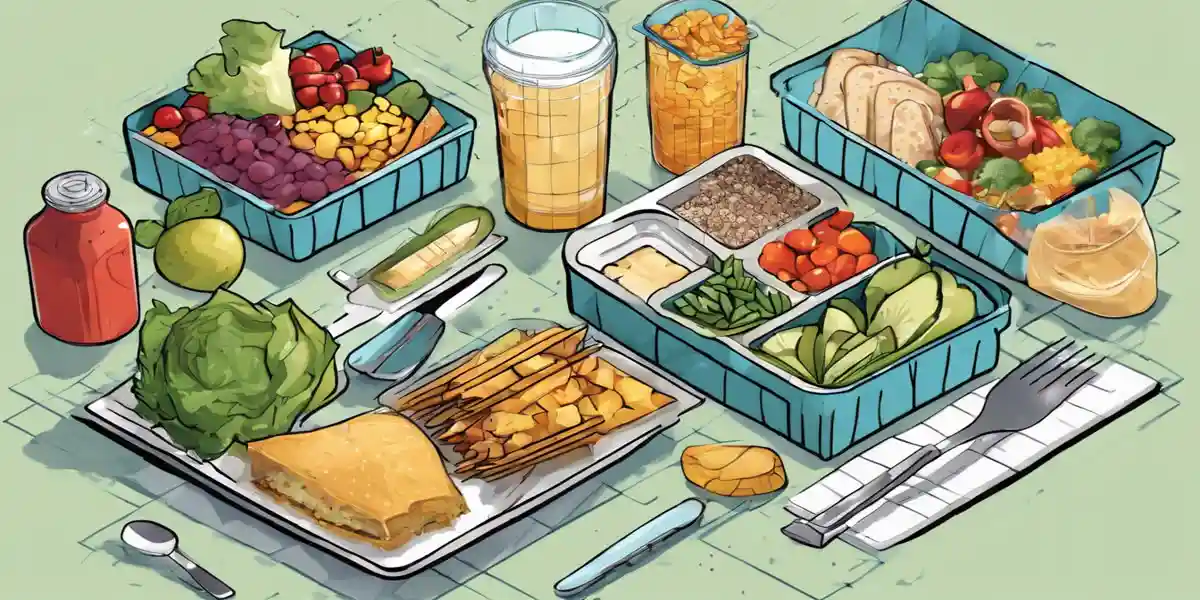
Creating a healthy eating lifestyle, especially for busy developers, is not just about what you eat, but also how you approach food preparation and consumption. Here are some actionable tips to help you maintain a nutritious diet while balancing the demands of your tech career.
Meal prepping is a game-changer for maintaining a healthy diet without the stress of daily cooking. A pilot study found that participants who engaged in a group-based advance quantity meal prep (AQMP) program saw their home-cooked dinner consumption increase from 52% to 86%. By dedicating just a few hours each weekend, you can cook in bulk, which not only saves time during the week but also enhances your cooking confidence and self-efficacy.
Consider preparing versatile recipes that can be easily modified. For instance, a base of grilled chicken can be paired with different vegetables and grains throughout the week. One day you could have a chicken stir-fry, and the next, a chicken salad. This variety keeps meals exciting and prevents monotony.
Efficient storage is key to keeping your meals fresh and minimizing waste. Invest in quality airtight containers that are freezer-safe. This way, you can portion out meals and freeze them for later use. Label your containers with the date and contents, so you always know what’s available. This simple practice not only helps in meal organization but also encourages you to consume what you’ve prepared before it spoils.
Office environments often tempt you with sugary snacks that lead to energy crashes. Instead, stock up on healthy snacks that provide sustained energy. Think of nuts, fresh fruits, yogurt, or even homemade energy bars made with oats and seeds. These options will help you avoid the mid-afternoon slump and keep your focus sharp during those lengthy coding sessions.
In our fast-paced world, it’s easy to eat while distracted. However, practicing mindful eating can transform your relationship with food. Take the time to savor each bite, pay attention to hunger cues, and enjoy your meals without screens. This practice can help in recognizing when you are truly full and prevent overeating.
Hydration is often overlooked but is critical for maintaining energy levels and overall health. Keep a reusable water bottle at your desk and aim to refill it several times a day. If plain water doesn’t excite you, try infusing it with fruits like lemon, cucumber, or berries to enhance the flavor without added sugars.
Even with the best intentions, there will be times when dining out is unavoidable. Plan ahead by reviewing menus before going to a restaurant, and look for healthier options. Many places now offer lighter fare or allow you to customize your meals. By being proactive, you can make choices that align with your health goals rather than resorting to impulse decisions.
Keeping track of your meals and snacks can provide insights into your eating habits and help identify areas for improvement. Use apps or a simple journal to log what you eat, how you feel, and your energy levels throughout the day. This practice can highlight patterns and empower you to make better choices.
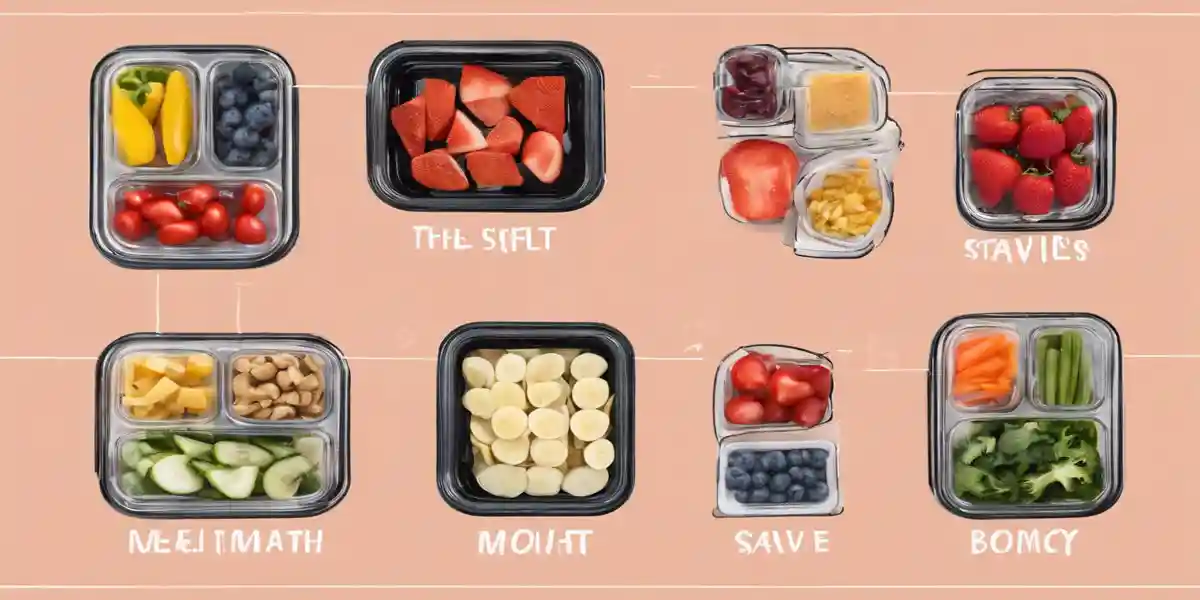
In today's fast-paced tech world, meal prepping offers developers a structured way to maintain a nutritious diet, countering the typical pitfalls of unhealthy eating habits. By dedicating time to prepare meals in advance, programmers can avoid the frantic rush for unhealthy office snacks and meals. This section will explore effective meal prepping strategies tailored for the unique demands of a developer's lifestyle.
Meal prepping is not just about convenience; it can significantly influence your health and productivity. A pilot study investigating an Advance Quantity Meal Prep (AQMP) program demonstrated that participants who engaged in meal prep saw their home-cooked dinner consumption skyrocket from 52% to 86% over six weeks. This increase was associated with notable declines in weight, body fat mass, and body mass index. These findings suggest that meal prepping can be a powerful ally in managing weight while fostering healthier eating habits.
To make meal prepping a seamless part of your routine, consider the following strategies:
Incorporating healthy snacks into your daily routine can stave off energy crashes that often accompany typical office snacks. Instead of reaching for chips or candy bars, consider options like:
One often-overlooked benefit of meal prepping is its cost-effectiveness. Preparing your meals at home is typically cheaper than eating out or relying on takeout. By planning your meals, you can buy ingredients in bulk and take advantage of sales, ultimately saving money while also promoting better eating habits. This practice not only nourishes your body but also aligns with a budget-conscious approach that many developers can appreciate.
Healthy eating directly impacts your cognitive function and concentration levels. When developers fuel their bodies with nutritious meals, they can experience enhanced focus and productivity. As the research indicates, participants in the AQMP program not only improved their cooking skills and attitudes but also reported a positive shift in their body composition, underscoring the holistic benefits of meal prepping.
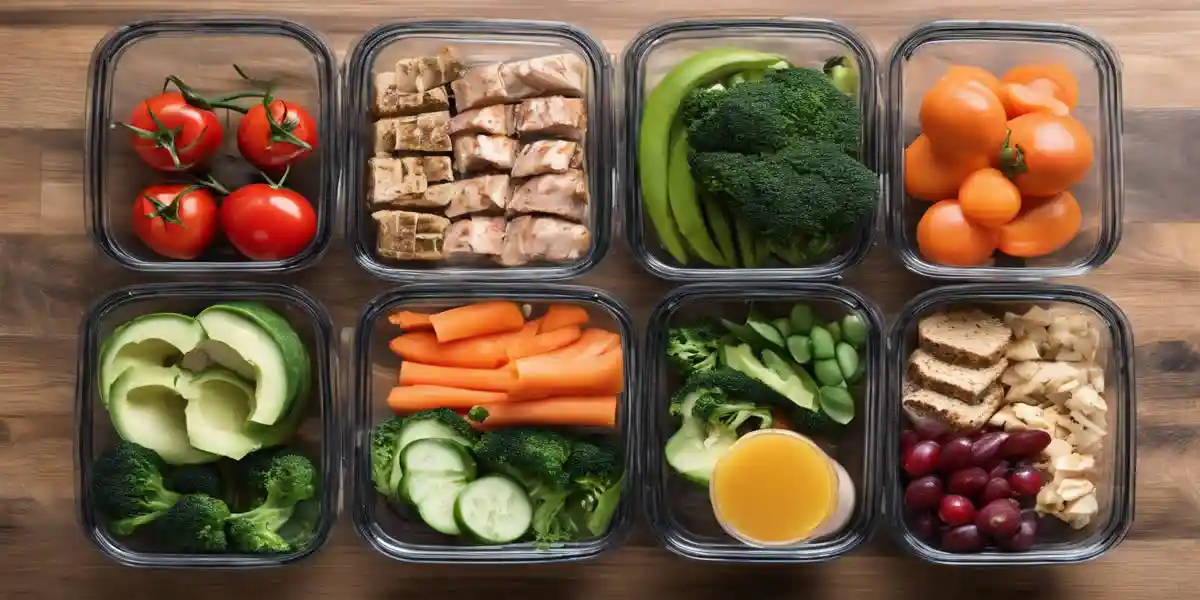
In the busy world of tech, meal prepping emerges as a lifeline for developers seeking to maintain a nutritious diet without sacrificing productivity. By dedicating a few hours each weekend to prepare meals in advance, you can avoid the common pitfall of unhealthy eating that often comes with tight deadlines and long hours in front of a screen.
Research highlights the effectiveness of meal prepping, with a pilot study showing significant improvements in participants' cooking habits and body composition. Over six weeks, participants engaged in a group-based advance quantity meal prep (AQMP) program, where home-cooked dinner consumption skyrocketed from 52% to 86%. This not only led to healthier eating choices but also resulted in notable decreases in weight and body fat. Such evidence underscores how structured meal prepping can facilitate weight management and enhance overall health.
To make meal prepping a seamless part of your routine, consider the following strategies:
Many people believe that meal prepping is a time-consuming endeavor; however, studies suggest otherwise. When approached effectively, meal prep can be both quick and efficient. For example, spending just two hours each Sunday can yield a week’s worth of meals, saving you time during your busy weekdays. Additionally, cooking at home is often more cost-effective than dining out, allowing you to save money while promoting healthier eating habits.
As a developer, your work schedule may vary greatly, but meal prepping can adapt to your unique needs. Consider creating meals that can be frozen and reheated, ensuring you have nutritious options available even on your busiest days. For example, chili or vegetable lasagna can be made in large quantities and then frozen, providing a quick and healthy meal option at your fingertips. This flexibility is crucial for maintaining a balanced diet amidst the demands of your profession.
In conclusion, embarking on a journey towards healthy eating and weight loss is not just about dietary restrictions or quick fixes; it's about understanding the foundational principles of nutrition and crafting a meal plan that aligns with your lifestyle. Throughout this guide, we've explored the science behind weight loss, emphasizing the importance of calories, macronutrients, and the role of meal prepping—an invaluable tool for busy developers.
By assessing your dietary needs and setting realistic, achievable goals, you create a personalized framework that promotes sustainable health. The insights into balanced meals, incorporating macronutrients and micronutrients, ensure that your body receives the nourishment it needs to thrive. Moreover, practical meal plans and recipes equip you with the tools to streamline your eating habits, making nutritious choices both convenient and enjoyable.
Staying on track requires continuous monitoring and adjustments, reinforcing the idea that flexibility is key to long-term success. As you develop healthier eating habits, remember that every small change contributes to your overall well-being, enhancing your productivity both at work and in your personal life.
So, as you close this guide, ask yourself: What will be your first step towards healthier eating? Will you dedicate time this weekend for meal prepping? Will you experiment with a new recipe or snack option? Take action today, and let this be the beginning of a transformative journey towards a healthier, more focused you.

Get notified about new articles, coffee tips, and Web3 insights.
This site participates in affiliate programs and may earn a commission when a link is clicked and a purchase is made. The site is not responsible for any issues or troubles related to the products or services purchased through the use of this site.

DO&COFFEE loves coffee and technology, exploring the potential of NFTs and blockchain. Learn more →
DO&COFFEE loves coffee and technology, exploring the potential of NFTs and blockchain. Learn more →