art
2024/09/04
In an era where technology reigns supreme, the world of art is undergoing a profound transformation, breaking free from the traditional confines of museums and history books. This blog post, titled "Exploring Leonardo da Vinci Artwork: The Digital Revolution of Art Websites," delves into how platforms are revolutionizing our interaction with the masterpieces of the Renaissance's most celebrated artist. Imagine being able to project the enigmatic "Mona Lisa" onto your living room wall using augmented reality, enabling you to scrutinize her smile and brush strokes as if standing mere inches away. This isn’t just a lofty dream; it’s becoming a reality through the integration of augmented reality (AR) and artificial intelligence (AI) in art websites. We will explore how these technologies are democratizing access to da Vinci's works, enhancing educational opportunities, and fostering a deeper appreciation for his artistry. As we navigate through the digital realms that offer virtual tours, interactive features, and personalized recommendations, we invite you to reflect on the significance of this evolution and ponder how it reshapes our relationship with art in a rapidly advancing digital world.
Leonardo da Vinci is often hailed as the quintessential Renaissance man, embodying the spirit of inquiry and creativity that defined the era. His contributions to art, science, and engineering have left an indelible mark on history. With masterpieces such as the "Mona Lisa" and "The Last Supper," da Vinci revolutionized artistic techniques, introducing concepts such as chiaroscuro and sfumato. As we delve into his artistic legacy, it's essential to explore how the digital revolution is reshaping our engagement with his works.
In the digital age, art is no longer confined to the walls of museums or the pages of history books; it has transcended into the realm of technology. Art websites play a pivotal role in this transformation, offering platforms that not only showcase artworks but also enhance the viewer's experience. Imagine a scenario where you can project the "Mona Lisa" onto your living room wall using augmented reality (AR) technology. This immersive experience allows you to walk around her enigmatic smile, scrutinizing brush strokes as if you were inches away from the canvas itself, bridging the gap between art and audience in unprecedented ways.
The integration of AR and artificial intelligence (AI) in art websites is not just an enhancement; it represents a fundamental shift in how we interact with art. Current research highlights the potential of these technologies to create more engaging and personalized experiences for users. For instance, AI algorithms can analyze user preferences and curate tailored art journeys. If a visitor frequently engages with da Vinci's chiaroscuro technique, the platform could recommend similar works by other artists or even explore how chiaroscuro has evolved throughout art history.
The application of AI and AR technologies in art engagement also democratizes access to da Vinci's masterpieces. Interactive content and real-time information access can significantly enrich visitor experiences. For example, an art website could offer virtual tours of the Louvre, where users can learn about the historical context of the "Mona Lisa" while viewing high-resolution images of the painting. This not only enhances the educational value but also fosters a deeper appreciation for the intricacies of da Vinci's artistry.
As we continue to explore the potential of these technologies, it becomes clear that they are not merely tools but bridges that connect us to the rich legacy of artists like da Vinci. Studies indicate that positive attitudes towards wearable AR significantly enhance the likelihood of its use in museums and galleries. This suggests that as audiences become more accustomed to AR experiences, they may be more inclined to seek out and engage with art in innovative ways.
In this section, we explore Leonardo da Vinci's artistic legacy through the lens of the digital revolution, highlighting how augmented reality and artificial intelligence are reshaping our engagement with his masterpieces. By incorporating immersive experiences, personalized journeys, and educational opportunities, technology is transforming the way we appreciate and understand the genius of da Vinci.

As we delve into the world of Leonardo da Vinci, it's impossible to overlook the profound impact his significant works have had on both art and culture. These masterpieces, now accessible through innovative digital platforms, allow us to explore their nuances in ways previously unimaginable.
The "Mona Lisa" stands as a testament to da Vinci's mastery of portraiture, captivating audiences with her enigmatic expression. In the digital age, art websites have begun utilizing augmented reality (AR) to elevate the viewer's experience. Imagine using your smartphone to project the "Mona Lisa" onto your living room wall. This digital interaction not only allows you to examine her iconic smile up close but also to appreciate the intricate brushwork that makes this painting a timeless masterpiece. Websites like Google Arts & Culture employ AR technology to provide a virtual experience that transforms a static image into a dynamic encounter, facilitating a deeper emotional connection with the artwork.
Another monumental work, "The Last Supper," continues to influence contemporary art and culture. Its complex composition and profound themes of betrayal and redemption invite endless interpretation. Digital platforms leverage AI to enhance visitors' understanding of this piece. For example, AI algorithms analyze user interaction data, allowing art websites to curate personalized content. If a user frequently explores themes of chiaroscuro—an illuminating technique perfected by da Vinci—they may receive recommendations for similar artworks or artists, creating a tailored artistic journey. Such personalization transforms the way we engage with art, enabling deeper exploration into historical contexts and artistic techniques.
The "Vitruvian Man" illustrates da Vinci's fascination with the human form and proportion, symbolizing the convergence of art and science. In the context of digital art platforms, this work serves as a perfect example of how interactive content can enhance learning. For instance, when viewing the "Vitruvian Man" online, users might access interactive diagrams that explain the anatomical proportions depicted in the drawing. This approach not only enriches the educational aspect but also fosters a greater appreciation for da Vinci's scientific inquiries and artistic endeavors.
Research highlights that the integration of AI and AR into art websites has the potential to significantly enhance visitor engagement. Studies show that AI can personalize experiences, making recommendations based on user behavior, which enriches the understanding of artists like da Vinci. Meanwhile, AR applications provide immersive experiences that were once limited to physical museums. As reported in various studies, the acceptance of wearable AR in galleries indicates a growing trend towards interactive art experiences, where time resources and user attitudes play crucial roles in fostering engagement.
The digital revolution has not only made da Vinci's works more accessible but has also transformed how we interact with and appreciate art. By employing cutting-edge technologies, art websites are redefining the boundaries of artistic engagement, inviting a broader audience to explore the genius of Leonardo da Vinci in ways that resonate deeply with the modern viewer.
The integration of augmented reality (AR) into art websites marks a significant shift in how we experience masterpieces like those of Leonardo da Vinci. By utilizing smartphones or AR glasses, users have the ability to project iconic works such as the "Mona Lisa" into their own environments. This innovative approach enables viewers to explore the artwork from various angles and distances, allowing them to appreciate intricate details that might typically go unnoticed.
At the heart of AR technology is the combination of computer vision, simultaneous localization and mapping (SLAM), and depth tracking. These technologies work together to overlay digital images onto the real world in real-time. For instance, platforms like Artivive allow users to scan artworks with their devices, triggering animations or additional information that enrich the viewing experience. Imagine standing in front of "The Last Supper" and seeing the figures come to life, offering historical context or artistic techniques directly on your screen. This level of interactivity transforms passive viewing into an engaging exploration of art.
Several art institutions are already leveraging AR to revolutionize visitor experiences. The British Museum has developed an AR app that enhances the visitor's journey by providing context and narrative around its exhibitions. Users can point their devices at specific exhibits to unlock additional content, from 3D reconstructions to expert commentary. This method not only enriches the educational aspect of art but also democratizes access, allowing anyone with a smartphone to gain insights that were previously available only through guided tours.
Alongside AR, artificial intelligence (AI) is reshaping how audiences interact with art by personalizing their experiences. By analyzing user behavior and preferences, AI algorithms can curate tailored recommendations for visitors, guiding them through a customized journey of discovery. For example, if a user frequently engages with chiaroscuro techniques, the platform can suggest other artworks or artists who use similar styles, fostering a deeper understanding of art movements and their historical contexts.
The application of AI extends beyond simple recommendations. Art websites can utilize data analytics to assess visitor engagement patterns, which can inform curatorial decisions and enhance educational outreach. A study conducted with museum professionals revealed that AI-driven personalization improves visitor satisfaction and encourages deeper connections with artworks. For instance, platforms like Google Arts & Culture use sophisticated algorithms to create personalized art experiences, allowing users to discover art that resonates with their interests.
AI also plays a crucial role in education by providing real-time information and interactive learning experiences. For example, platforms can offer quizzes or interactive timelines related to da Vinci's life and works, making learning about the Renaissance engaging and accessible. This approach not only enriches the viewer's knowledge but also cultivates a new generation of art enthusiasts who can appreciate the complexities of historical figures like da Vinci.
The intersection of AR and AI technologies in art websites is not merely about enhancing visual experiences; it represents a broader movement towards democratizing access to cultural treasures. By breaking down barriers traditionally associated with art consumption—such as location and socio-economic status—these technologies invite a wider audience to engage with masterpieces. Imagine a student in a remote area using an AR app to explore da Vinci's works as if they were in the Louvre, or an art lover customizing their learning journey via AI recommendations. This shift not only fosters a greater appreciation for da Vinci's contributions but also inspires a collective exploration of art history.
The rise of digital art platforms has revolutionized how we access and engage with artworks, particularly the masterpieces of iconic artists like Leonardo da Vinci. These platforms have broken down traditional barriers, enabling art enthusiasts from all walks of life to experience art in ways that were once unimaginable.
In the past, viewing art was often a privilege reserved for those who could visit museums or galleries. However, the advent of art websites has democratized access to cultural treasures, providing a platform for anyone with an internet connection to explore vast collections from the comfort of their homes. This shift is not merely about online galleries; it's about the transformative power of technology that enhances our interaction with art.
For instance, platforms like Google Arts & Culture have partnered with major museums worldwide, offering virtual tours and high-resolution images of art pieces, including da Vinci's renowned works such as the "Last Supper" and "Mona Lisa." These digital reproductions allow users to zoom in on fine details, examining brush strokes and textures that are often imperceptible to the naked eye. Imagine being able to explore the intricate details of the "Mona Lisa's" enigmatic smile or the subtle gradations of light in "The Virgin of the Rocks" without leaving your living room!
Moreover, the integration of augmented reality (AR) into art websites is pushing the boundaries of how we experience art. Consider an application that lets you project a life-sized version of the "Mona Lisa" onto your wall using AR technology. You could walk around the artwork, observe it from different angles, and even uncover information about da Vinci’s techniques and historical context—all with a simple swipe on your smartphone. This level of interaction transforms static images into dynamic experiences, allowing art lovers to engage with da Vinci’s legacy on a profoundly personal level.
Furthermore, the use of artificial intelligence (AI) enhances the personalization of art experiences. AI algorithms analyze user behavior, preferences, and viewing history to curate tailored art journeys. For example, if a user frequently explores chiaroscuro techniques, the platform might recommend related artists like Caravaggio or suggest other da Vinci pieces that utilize similar lighting effects. Such personalized recommendations not only broaden users' artistic horizons but also foster a deeper appreciation for the nuances of artistic styles and movements.
Research into the use of AI and computing technologies in art museums suggests that these innovations significantly enrich visitor engagement. AI can facilitate interactive content and real-time information access, transforming the way audiences connect with artworks. By automating personalization, platforms can create engaging narratives that resonate with individual users, making art more accessible and enjoyable.
As AR and AI technologies continue to evolve, we can expect even greater advancements in how art is experienced online. The potential for wearable AR devices, for instance, could further enhance the museum experience, allowing visitors to interact with art in real-time while receiving contextual information tailored to their interests. Indeed, as research indicates, a positive attitude towards these technologies correlates with a stronger inclination to visit galleries and museums, suggesting a future where digital platforms and physical spaces work hand-in-hand to enrich our understanding of art.
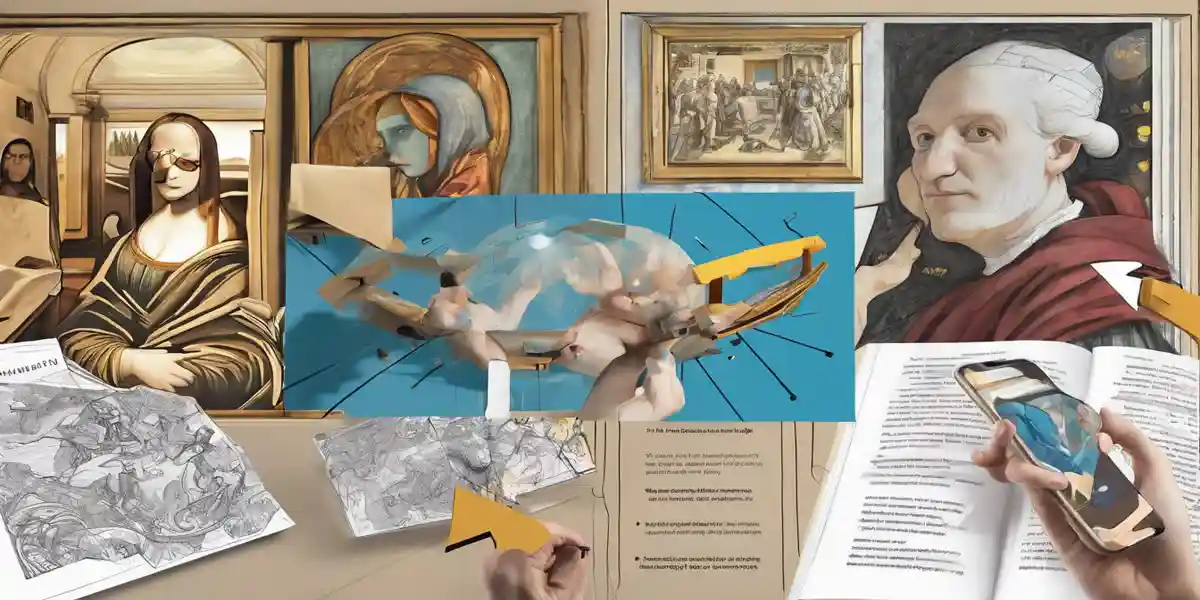
In today's digital landscape, interactive features have emerged as powerful tools that not only enhance the viewing experience of Leonardo da Vinci's artwork but also foster deeper engagement among audiences. By leveraging technologies such as augmented reality (AR) and artificial intelligence (AI), art websites are transforming how we interact with masterpieces, creating immersive experiences that were once confined to the imagination.
Imagine standing in your living room, pointing your smartphone at an empty wall, and suddenly, the "Mona Lisa" appears, life-sized and vibrant. This scenario is becoming a reality as art websites integrate AR features that allow viewers to project da Vinci's works into their own spaces. The ability to explore the intricate details of a painting from different angles and distances offers a level of interaction that static images cannot provide.
For instance, platforms like Google Arts & Culture have started to incorporate AR experiences that let users place artworks in their environment. This not only democratizes access to art but also encourages users to engage with the piece more thoughtfully. As visitors walk around the projected artwork, they can observe brush strokes and textures up close, gaining insights into da Vinci’s techniques that are often difficult to appreciate in a traditional gallery setting.
AI plays a significant role in enhancing user engagement through personalized content curation. By analyzing user behavior, such as the types of artworks viewed or the themes explored, AI algorithms can suggest related pieces, creating a customized art journey. For example, if a user frequently engages with da Vinci's chiaroscuro technique, the website might recommend other artists who utilize similar light and shadow effects, expanding the viewer's understanding of the technique across different contexts.
This personalized approach not only enriches the user's experience but also fosters a deeper connection with the artwork. Research has shown that automated personalization can significantly enhance visitor engagement in museums, as noted in studies highlighting the effectiveness of tailored recommendations (source: Paper summaries). By providing relevant suggestions, art websites can keep users engaged longer, encouraging exploration and learning.
Several institutions are already embracing these interactive features to enhance visitor engagement. The Louvre, for example, has developed an app that uses AR to guide users through its vast collection, providing context and information about the artworks in real-time. Users can point their devices at specific pieces, unlocking additional content such as videos, artist interviews, and detailed analyses of the techniques used.
Moreover, wearable AR technology is gaining traction, with studies indicating that visitors are more likely to engage with art when they have positive attitudes toward using such tools (source: Paper summaries). This suggests that as technology continues to evolve, the potential for wearable devices to enhance art experiences will only grow, making visits to galleries and museums more interactive and engaging than ever before.
Interactive content, such as quizzes, virtual tours, and gamified experiences, can further enhance engagement by making learning about art more enjoyable. For instance, art websites can incorporate features that allow users to take virtual tours of da Vinci's studio, complete with interactive elements that explain his techniques and historical context. This kind of content not only captivates users but also encourages them to spend more time exploring and learning.
As we delve into the future of art consumption, it’s essential to recognize the significance of these interactive features. They do not merely serve as gimmicks; they fundamentally change how we experience and appreciate art. By combining the allure of da Vinci's masterpieces with cutting-edge technology, art websites are not just showcasing art—they are creating a vibrant, engaging community of art lovers who are eager to learn and share their passion.
In the digital age, the integration of augmented reality (AR) is transforming the way art enthusiasts experience masterpieces like those of Leonardo da Vinci. Imagine being able to project the "Mona Lisa" onto your living room wall, allowing you to walk around it and scrutinize every detail of her enigmatic smile. This immersive experience is becoming possible through AR features on various art websites.
Some platforms, such as Google Arts & Culture, have already begun to implement AR technologies that allow users to visualize artworks in their own space. Through their app, users can place high-resolution images of famous artworks, including those of da Vinci, in their environments. This not only enhances the viewing experience but also allows for an intimate connection with art that was previously limited to museum visits.
Moreover, museums are also leveraging AR technologies. For instance, the Louvre in Paris has experimented with AR guides that provide visitors with an enriched context for understanding pieces like the "Mona Lisa." These guides can overlay historical data, artist techniques, and even 3D models of the painting's layers, bringing a new dimension to the traditional museum experience.
Alongside AR, the role of artificial intelligence (AI) is pivotal in curating personalized journeys through art history, especially for the works of da Vinci. AI algorithms can analyze user behavior on art websites—recognizing patterns in what they view, how long they spend on each piece, and their interactions with various styles.
For example, if a visitor frequently explores works that utilize chiaroscuro (the technique da Vinci famously employed), an AI-driven platform could recommend similar artists or artworks, creating a tailored experience that deepens their appreciation for the art form. This capability not only personalizes the experience but also draws connections between different artists and movements, enriching the user's understanding of art history.
The findings from recent research indicate that AI can significantly enhance visitor experiences in museums by providing real-time information and interactive content that adapts to individual preferences. This means that whether you are a novice or a seasoned art lover, AI can help transform your journey through da Vinci’s works into a more engaging and educational experience.
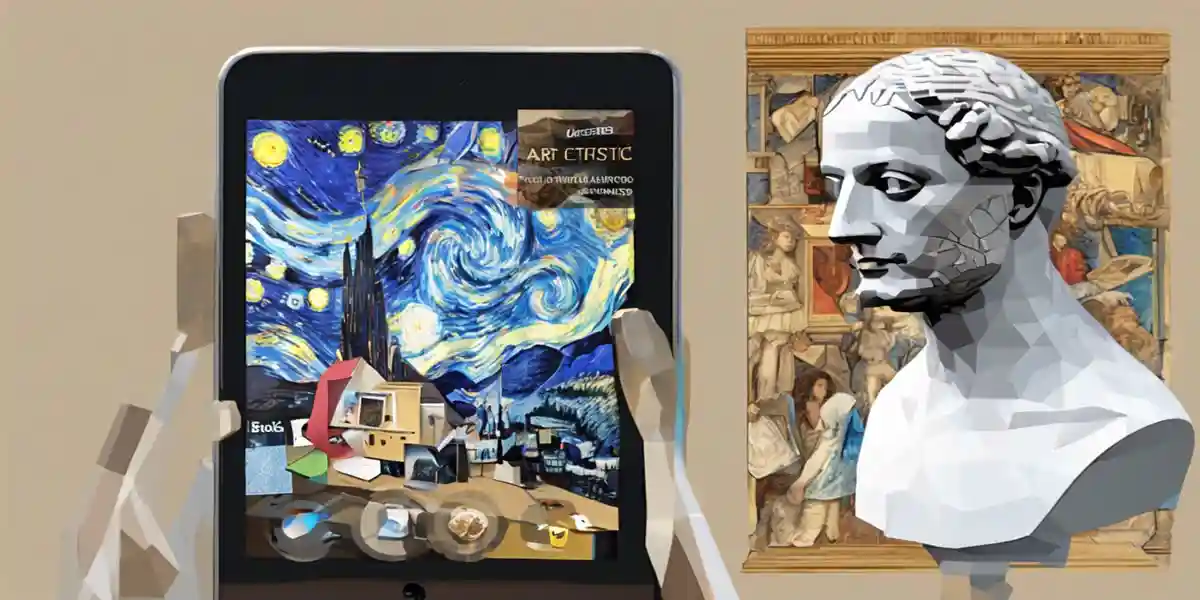
One of the most significant impacts of these technologies is their ability to democratize access to art. With the integration of AR and AI, art websites are making da Vinci’s masterpieces accessible to a global audience, regardless of their physical location. This shift allows anyone with an internet connection to engage with these iconic works in a way that was previously unimaginable.
As AR and AI continue to evolve, the potential for enhancing the art-viewing experience grows exponentially. The ability to explore da Vinci's intricate techniques or understand the historical context of his work can significantly enhance educational opportunities. This transformation not only fosters a greater appreciation for the Renaissance master but also raises important questions about the future of artistic engagement in an increasingly digital world. How might your own relationship with art change as these technologies continue to develop?
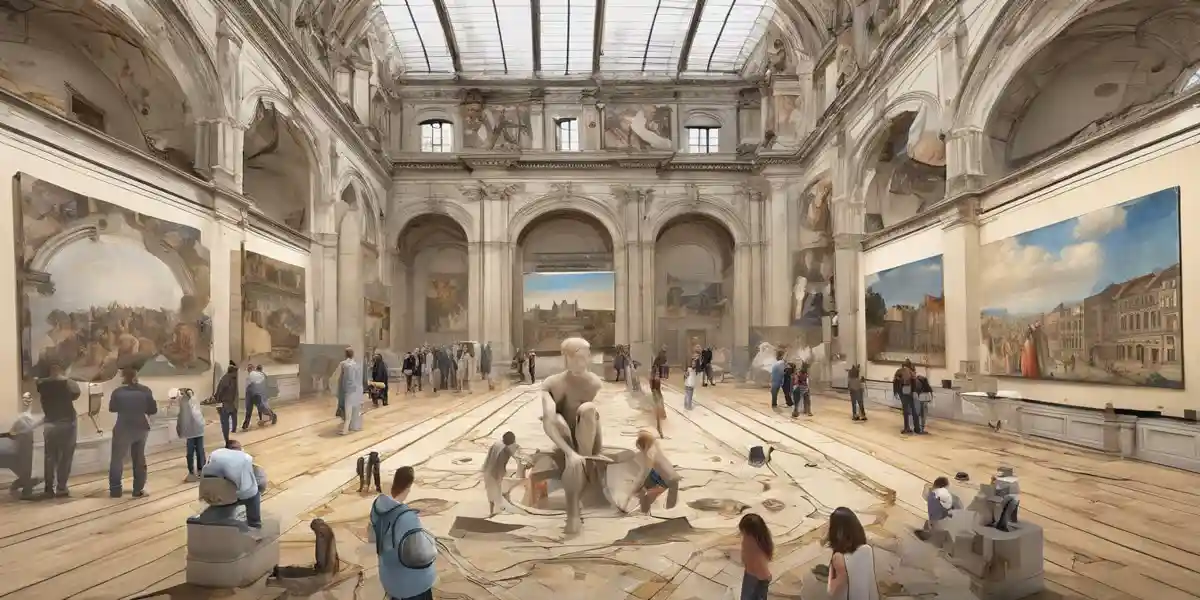
In the era of digital transformation, the arts have found a new canvas—one that is interactive, immersive, and accessible. Virtual tours and exhibitions are at the forefront of this technological revolution, allowing art enthusiasts to explore Leonardo da Vinci's masterpieces from the comfort of their homes.
Imagine being able to wander through the halls of the Louvre or the Uffizi Gallery without ever stepping outside your front door. Virtual tours utilize high-resolution 360-degree photography and panoramic views to recreate the experience of visiting a museum. Through platforms like Google Arts & Culture, users can virtually stroll alongside da Vinci's "Mona Lisa," marveling at her enigmatic expression while receiving detailed insights about the painting's history and techniques.
These digital experiences often include interactive elements, such as clickable hotspots that provide additional information about specific features within the artwork. For instance, you could learn about the layers of glazing da Vinci applied to achieve his signature chiaroscuro effect, enhancing your understanding of his masterful technique.
Augmented reality takes this experience a step further by merging the physical world with digital art. Using AR technology, users can project da Vinci's works into their own environment. For example, an art website might allow you to visualize "The Last Supper" on your living room wall, enabling you to examine the intricate details of the fresco as if it were a part of your own space. This immediacy and tactile engagement create a profound connection with the artwork that traditional viewing methods simply cannot replicate.
Studies indicate that the acceptance of wearable AR devices is growing, particularly among younger audiences who value interactive experiences. These devices could facilitate even more engaging art exhibitions, where visitors relate directly to da Vinci's art through real-time information and interactive experiences, such as viewing the techniques he used in a live demonstration format.
The integration of artificial intelligence is revolutionizing how audiences interact with art. AI algorithms can analyze user behavior and preferences, offering personalized recommendations based on viewing history. For instance, if a user frequently explores artworks featuring da Vinci’s use of perspective, the AI could suggest other pieces that highlight similar themes or techniques, leading to a tailored journey through the Renaissance.
This level of personalization can significantly enhance visitor engagement. As highlighted in recent studies, AI not only improves access to collections but also enriches educational experiences by providing tailored content that resonates with individual users. Imagine a student studying Renaissance art receiving suggestions for related works, biographies, or even contemporary artists who draw inspiration from da Vinci's techniques—all curated specifically for them.
Prominent art institutions have begun harnessing these technologies to foster deeper connections with audiences. The National Gallery in London offers virtual tours featuring da Vinci’s works, allowing viewers to explore the gallery's collection at their own pace. Similarly, the Louvre has implemented AI-powered chatbots to assist visitors in navigating their vast collection, including da Vinci’s masterpieces.
Furthermore, platforms like Artivive provide a unique blend of traditional art and technology, where users can scan a da Vinci painting with their smartphones to unlock additional digital content, such as videos discussing the historical context of the piece or animated visualizations of the painting process. Such innovations are setting the stage for a more interactive and engaging art experience.
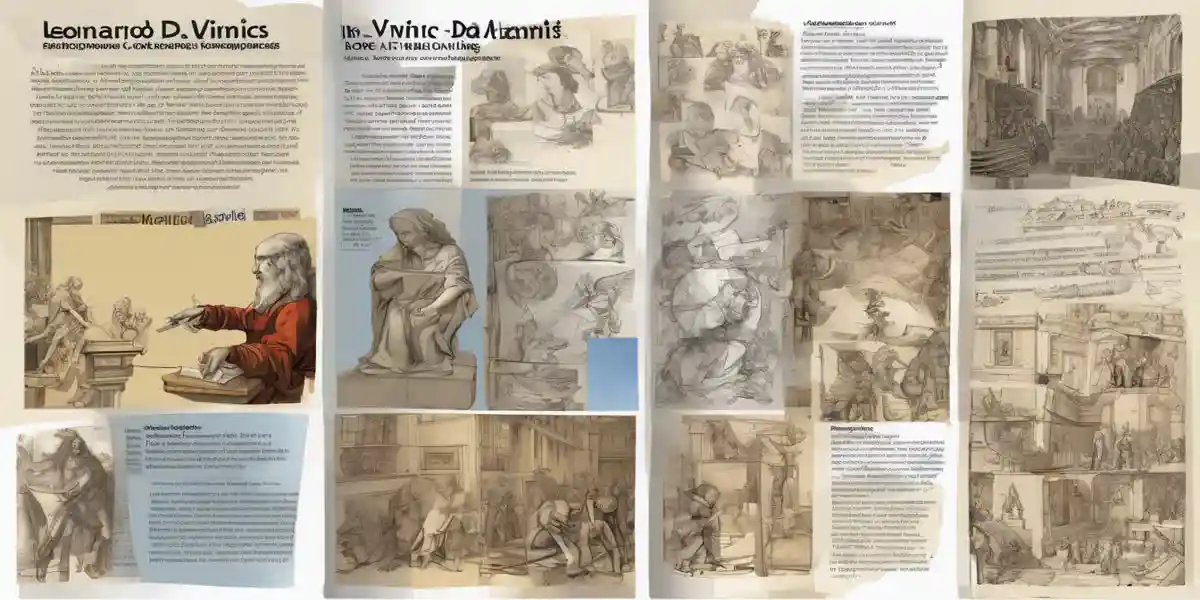
In the digital age, educational resources and online communities are flourishing, creating an unprecedented opportunity for art enthusiasts to engage deeply with Leonardo da Vinci's artworks. The integration of technology has not only opened up access to his masterpieces but has also fostered vibrant communities where knowledge-sharing and discussion thrive.
Websites like Coursera and Khan Academy have begun to offer art history courses that include segments dedicated to da Vinci's techniques and influences. These platforms often utilize video lectures, interactive quizzes, and discussion boards, which allow learners to connect with instructors and peers across the globe. For example, a course on "Renaissance Art" might explore the nuances of chiaroscuro, a technique perfected by da Vinci, enhancing students' understanding of how light and shadow create depth in paintings.
Several art institutions have embraced the digital realm by providing virtual tours of their collections. The Louvre, home to the "Mona Lisa," offers a virtual experience that allows users to navigate through its halls and view artwork in high resolution. This not only democratizes access to art but also serves as a supplementary educational resource. Users can learn about the context of da Vinci's works, the stories behind them, and their impact on the art world through interactive features embedded in the virtual tour.
Emerging technologies like augmented reality (AR) are also transforming educational experiences. Art websites are beginning to incorporate AR applications that allow users to project artworks into their own environments. Imagine using your smartphone to visualize the "Last Supper" on your dining room wall, complete with annotations about the techniques da Vinci employed. Such interactive experiences not only make learning more engaging but also provide a tangible connection to the artwork, enhancing retention and understanding of artistic concepts.
Online forums and social media groups dedicated to art appreciation have become vibrant hubs for discussion and collaboration. Websites like Reddit and specialized platforms such as DeviantArt allow users to share their interpretations of da Vinci's works, critique each other’s artwork, and engage in constructive dialogue. These communities empower individuals to learn from one another, further enriching their understanding of art history and technique.
As discussed in recent research, AI technology is increasingly being utilized to tailor educational experiences to individual user preferences. For instance, an art website may analyze a user's interaction history and recommend articles or videos specifically about da Vinci’s techniques, such as sfumato or linear perspective. This personalized approach not only enhances the learning experience but also encourages deeper exploration of topics that resonate with the user.
Institutions like the Metropolitan Museum of Art have already begun to implement AI and AR technologies to create immersive educational experiences. Their app, which utilizes AR to overlay information about artworks in real-time, exemplifies how technology can enrich museum visits and online learning alike. Moreover, the integration of real-time data analytics allows these institutions to understand visitor engagement better, tailoring their educational resources to meet the needs of their audience.
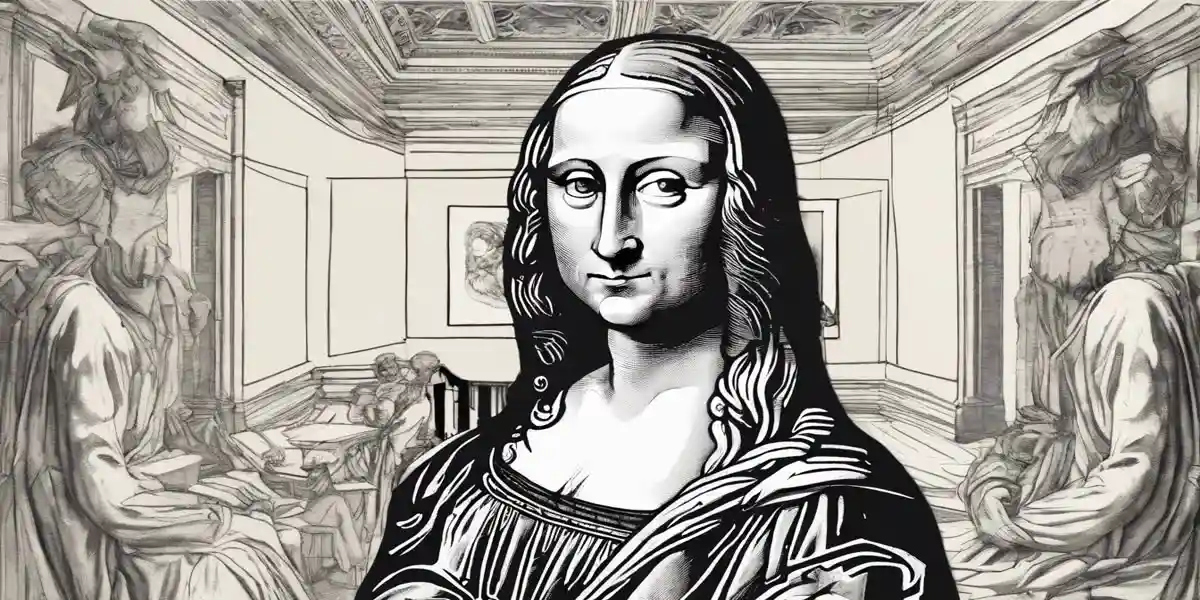
This section delves into how augmented reality (AR) and artificial intelligence (AI) are revolutionizing the way we engage with Leonardo da Vinci's artwork online, creating immersive and personalized experiences for art enthusiasts.
Imagine a world where you can project the "Mona Lisa" onto your living room wall using just your smartphone or AR glasses. This is not a distant dream; it is becoming a reality thanks to advancements in AR technology. Art websites are integrating these features, allowing users to take a virtual stroll around da Vinci's iconic paintings, examining every minute detail from the comfort of their homes.
For instance, platforms like Google Arts & Culture have started to offer AR experiences where users can view high-resolution renditions of artworks in their own space. This kind of interaction transforms static art into dynamic experiences, inviting a deeper connection with da Vinci’s genius. Users can explore the layers of paint and the subtleties of chiaroscuro, the technique that da Vinci masterfully employed to create depth and realism.
But the innovation doesn’t stop with AR. AI is also at the forefront of this digital transformation, analyzing user engagement and preferences to curate personalized art experiences. For instance, if a visitor frequently views works that showcase chiaroscuro, AI algorithms can recommend other artists or pieces that utilize similar techniques, guiding users on a tailored journey through art history.
Research indicates that AI can significantly enhance visitor experiences by providing real-time information and automating personalization. Art websites can adapt content based on user interactions, ensuring that each visit feels unique and engaging. A user who expresses interest in Renaissance art may find themselves presented with lesser-known masterpieces alongside da Vinci's works, creating a rich tapestry of exploration.
The fusion of AR and AI not only elevates the viewing experience but also democratizes access to da Vinci’s artistry. No longer is profound art appreciation reserved for museum-goers; anyone with an internet connection can engage with da Vinci's masterpieces in interactive and enlightening ways. This widespread access fosters educational opportunities, allowing users to learn about the historical context, techniques, and stories behind each work.
Moreover, studies have shown that positive attitudes towards wearable AR enhance the likelihood of its use in art galleries. This suggests that as art websites continue to innovate with AR features, they may attract even more users, bridging the gap between art and technology.
As art websites embrace these technologies, they also open doors to new educational opportunities. Interactive content, driven by AI, can provide users with insights into da Vinci’s techniques, offering tutorials or video explanations that enhance understanding of his work. Imagine a young artist learning about sfumato—a technique da Vinci perfected—through an interactive online workshop that allows them to practice digitally alongside the master’s creations.
The potential for AI to analyze visitor data can further enhance these educational experiences, adapting content to cater to different learning styles and preferences. This not only enriches the individual experience but also fosters a community of learners who can share insights and discoveries.
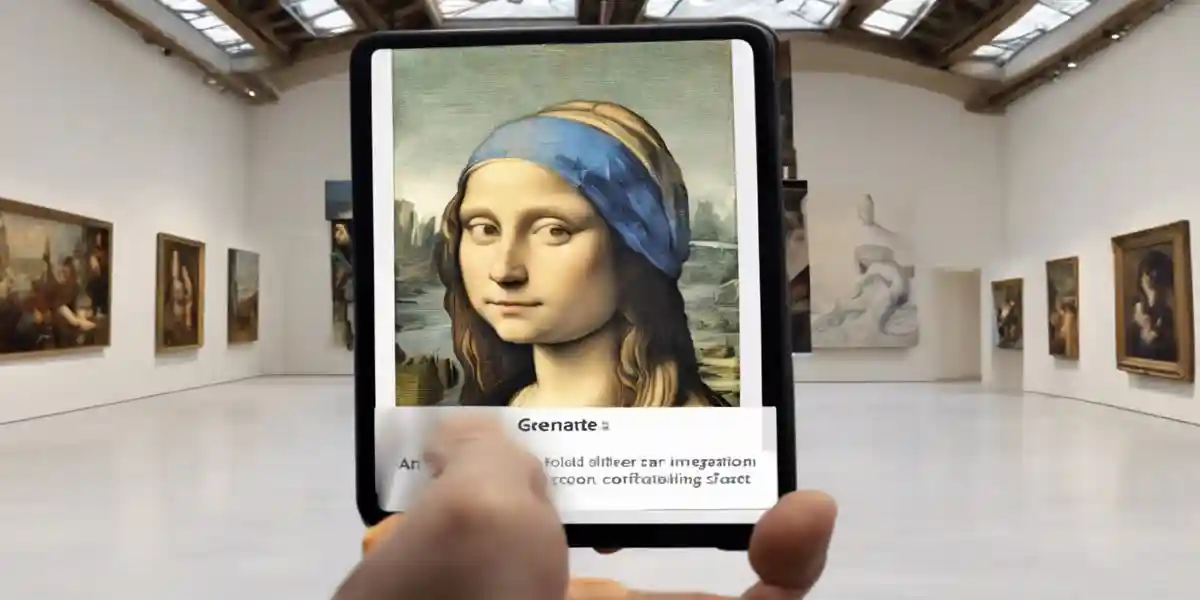
In the digital age, art websites have become more than just platforms for displaying images; they are transforming how we interact with masterpieces, particularly those of iconic artists like Leonardo da Vinci. By integrating augmented reality (AR) and artificial intelligence (AI), these platforms are redefining the viewer's experience, making art more accessible and engaging.
Imagine using your smartphone or AR glasses to project the "Mona Lisa" onto your living room wall. This isn't mere wishful thinking; it’s a reality that is becoming increasingly prevalent. Art websites are now leveraging AR technology to allow users to interact with artworks in a way that was previously unimaginable. For example, platforms like LeonardoDaVinci.net are experimenting with AR features that enable users to virtually walk around pieces, examining intricate details and textures up close. This immersive approach invites viewers to connect with da Vinci’s work on a personal level, fostering a deeper appreciation for the artistry behind each brushstroke.
Research indicates a growing acceptance of wearable AR in museums and galleries, which enhances the likelihood of visitor engagement. A study found that positive attitudes towards AR significantly influence the intention to visit galleries, suggesting that immersive experiences could encourage more people to explore art in digital formats. This shift allows art enthusiasts, regardless of geographic location, to experience the masterpieces as if they were physically present in the gallery.
While AR transforms the viewing experience, AI algorithms are at work behind the scenes, analyzing user interactions to create tailored journeys through art history. For instance, if a visitor frequently engages with chiaroscuro techniques—an approach perfected by da Vinci—the website might recommend similar artists or artworks that showcase this style. This personalized curation not only enhances user engagement but also educates viewers about related art movements and techniques.
Moreover, AI can enrich visitor experiences by providing real-time information and interactive content. According to research conducted through interviews with museum professionals and visitor surveys, AI is already being utilized to enhance access to collections and educational activities. This technology allows art websites to serve up dynamic content that resonates with individual preferences, creating a unique art experience for each user.
The integration of AR and AI in art websites is democratizing access to art. No longer do viewers need to travel to museums or galleries to appreciate da Vinci's brilliance; they can engage with his work from their homes. This shift is particularly significant in the context of education. Online platforms can offer supplemental materials, such as video documentaries or interactive quizzes, that delve into the historical and cultural significance of da Vinci’s pieces.
In addition, AI’s ability to analyze visitor data can help art institutions identify gaps in knowledge and interest. By understanding what engages users, museums can create educational initiatives that cater to diverse audiences, from school groups to art connoisseurs. Such strategies not only enhance the overall visitor experience but also foster a greater understanding of the Renaissance period and its lasting impact on art and culture.
As we have explored throughout this blog post, the digital revolution is profoundly reshaping our engagement with the artwork of Leonardo da Vinci. From the immersive experiences provided by augmented reality (AR) to the personalized journeys facilitated by artificial intelligence (AI), technology is breaking down traditional barriers and democratizing access to art. No longer are da Vinci's masterpieces confined to the walls of museums; they are now accessible to anyone with an internet connection, inviting a global audience to appreciate and learn from his genius.
The rise of art platforms has transformed how we interact with significant works like the "Mona Lisa" and "The Last Supper." Through virtual tours and interactive features, audiences can explore the nuances of these masterpieces in unprecedented ways. Moreover, the integration of educational resources and online communities fosters collaboration and knowledge-sharing, nurturing a new generation of art enthusiasts.
Looking ahead, the potential for AR and AI to enhance our understanding of art is immense. These technologies not only enrich the viewing experience but also cultivate a deeper appreciation for the historical and cultural contexts of da Vinci's works. As we continue to navigate this digital landscape, we must ask ourselves: how will we further embrace these innovations to deepen our connection with art? How can we, as individuals and communities, leverage technology to foster a richer understanding of artistic legacies?
In conclusion, the marriage of art and technology heralds a new era of engagement, creativity, and education. Let us seize this opportunity to explore, appreciate, and share the timeless beauty of da Vinci’s masterpieces in our modern context. Together, we can continue to celebrate the brilliance of the Renaissance while paving the way for future artistic explorations.

Get notified about new articles, coffee tips, and Web3 insights.
This site participates in affiliate programs and may earn a commission when a link is clicked and a purchase is made. The site is not responsible for any issues or troubles related to the products or services purchased through the use of this site.

DO&COFFEE loves coffee and technology, exploring the potential of NFTs and blockchain. Learn more →
DO&COFFEE loves coffee and technology, exploring the potential of NFTs and blockchain. Learn more →